

There is a song you haven't heard in years that would put you right back there.
Not almost there. Not thinking about there. Fully, physically there: the smell of the locker room, the cold metal of the bench, the specific weight of anticipation sitting in your chest before you stood up and walked out into the noise. Pregame rituals for high school athletes weren't just habits. They were anchors. And the fact that they still pull this hard, years later, is not a coincidence.
Performance psychology has a name for what you were doing every time you ate the same pre-game meal, listened to the same playlist, or put your left shoe on before your right. You weren't being superstitious. You were building a psychological on-ramp, a reliable path from ordinary person to ready competitor. And the reason it still echoes isn't nostalgia. It's neuroscience.
This is the piece no one has written yet: not about what professional athletes do before games, but about why your ritual (the specific, personal, sometimes embarrassing one you developed in ninth grade) mattered so much. And why it still does.
The Locker Room Had Its Own Language
Every high school locker room had a culture, and the ritual was the culture's grammar.
There was always the kid who needed silence. The one who needed the complete opposite, who turned the speaker up to the point where you could feel it in your sternum. Someone taped their ankles in a specific sequence they'd learned sophomore year and never deviated from, not once. Someone else ate the same thing for every home game: two granola bars and a Gatorade, no exceptions, because the one time they forgot, they had a bad game, and that was enough.
From the outside, high school sports superstitions look like charming quirks. From the inside, they felt like necessity.

What was actually happening was this: your brain was learning to associate a specific sequence of sensory inputs with a specific internal state: focused, confident, ready. The song meant more than music. The meal meant more than food. They were the first steps in a reliable process of becoming the athlete version of yourself, someone slightly different from the person who walked into school that morning.
Sports scientists call this a pre-performance routine. The mechanism is straightforward: repeated association between a consistent stimulus and a desired performance state eventually makes the stimulus itself capable of triggering the state. You weren't waiting to feel ready. You were manufacturing readiness through repetition.
The remarkable part is that most of you built this without being taught. You stumbled into performance psychology because competition demanded it. And the locker room before a game was the one place where all of it came together.
Why the Ritual Worked — And Why It Had to Be Yours
Not all pregame routines are created equal. The research on pre-performance routines in sport, including work published in the Journal of Applied Sport Psychology, consistently points to one variable that determines whether a ritual becomes genuinely useful or just theater: ownership.
A routine handed down by a coach carries some benefit. A routine you invented yourself, refined through trial and error, and loaded with personal meaning carries a fundamentally different weight. It becomes a signal that you send yourself: a communication between the person sitting in the locker room and the athlete you needed to be in thirty minutes.
This is why your ritual had to be so specific. "Listen to music before the game" is not a ritual. "Listen to this specific song, in this specific order, with your headphones in and your eyes closed for the full duration of the track" is a ritual. The specificity was precision, not superstition. You were learning to operate the instrument that was your own nervous system.
The game day routine memories that stay sharpest aren't the vague ones. They're the particular ones. The specific texture of the tape. The specific words a teammate always said at the circle before the first whistle. The way the gym smelled at the moment you walked through the double doors.
Specificity is what the brain stores. Specificity is what it retrieves.
The Ritual Did Something Else, Too
Here is the part that most people don't think about until much later.
The pregame ritual wasn't just about performance. It was about identity. Every time you went through the sequence, you were reinforcing an answer to the question: who am I in this moment?
You were an athlete. Not just someone who played a sport, but a version of yourself that was capable of things the ordinary-Tuesday version of you wasn't sure about. The ritual was the bridge between those two versions. It was the same identity shift that the day you first put on your team's colors engraved into memory: the moment you went from someone who wanted to belong to someone who did.
Marisol V., 29, played varsity volleyball in Texas and remembers her pregame routine more clearly than most of the games themselves. She wore the same pair of socks, not for luck, per se, but because they were the socks she wore the first time she served a perfect ace in a real match, and putting them on meant she was that player again. She describes the feeling less as superstition and more as "putting yourself on." She's right. That's precisely what it was.
This is why athletes have rituals before games in the first place, and why those rituals develop such stubborn staying power. The ritual encodes identity. It says: this sequence of actions is how I become the version of myself who can do what I'm about to do. Once that association is built deep enough, it doesn't dissolve when the sport ends. It lives in the nervous system. Which is why hearing that song doesn't just remind you of high school sports — it reminds you of capability. Of being someone who showed up for hard things and found a way through.
That's not a small thing to carry into the rest of your life.
The Psychology Behind Why Some Rituals Outlasted the Sport
Some game day rituals fade the moment the season ends. Others survive decades.
The difference comes down to two factors:
Emotional loading: how much genuine meaning became attached to the ritual during the time it was active. A routine that saw you through a championship run, a devastating loss, a comeback season, or the last game you ever played carries more weight than one built in an uneventful JV season. The more the ritual was present during significant moments, the more permanently it becomes wired to the emotional memory of those moments.
Repetition depth: how many times the full sequence ran, and how consistently. An athlete who performed the same routine 60 times across three seasons has built a neural pathway that doesn't require effort to access. It's automatic. The cue activates the state. This is the same mechanism that made two-a-days so formative: repetition under pressure carves neural pathways that don't dissolve when the pressure ends. Years later, a single sensory input from that routine (the smell, the sound, the physical sensation) is sufficient to activate the whole sequence.
This is why athletes who made deep playoff runs, or who played every game of every season without interruption, often report the sharpest ritual memories. The pathway was cut deeper. More passes of the same groove.
It also explains something that former athletes describe but rarely name: the strange feeling of hearing a pregame song in an ordinary context, in a grocery store, in someone else's car, and feeling the body respond before the mind catches up. The heart rate uptick. The alertness. The sensation of being almost ready for something.
Your nervous system never fully filed that ritual away. It kept it available. Just in case you needed it again. For many athletes, that availability extends into sleep: recurring dreams about high school games are a direct expression of the same emotional encoding that makes a pregame song still hit decades later.
What the Ritual Actually Taught You
Step back from the specific details, the song, the meal, the equipment sequence, and look at what the pregame ritual was actually practicing.
Focus on demand. You were learning to generate a specific internal state not by waiting for it to arrive but by creating the conditions for it. That is an advanced psychological skill that most adults never develop deliberately. You developed it at sixteen because the alternative was walking onto the field unprepared.
Process over outcome. The ritual was entirely about the process. Not the scoreboard — the sequence. What happened before the whistle blew. Athletes who develop strong pre-performance routines consistently report lower performance anxiety, not because they care less about the outcome, but because the ritual gives them something controllable to focus on when the outcome is not.
Identity anchoring. You were practicing the ability to become someone (to step into a role, a state, a version of yourself) through a repeatable process. That ability does not expire. Former athletes describe using modified versions of their old routines in other high-stakes situations: job interviews, first days at new jobs, difficult conversations. Not consciously imitating an athletic ritual, but drawing on the same mechanism: I do a thing. The doing of the thing makes me ready.
The high school locker room was, among many things, an unintentional classroom for performance psychology. You were the student. The ritual was the curriculum.
How to Reclaim Your Ritual for What Comes Next
The curriculum never expired. You just stopped enrolling. The same psychological mechanism that primed you for a game, conditioned association between a specific sensory sequence and a capable internal state, can prime you for anything that demands the same quality of presence. Here is what happens when you deliberately re-enroll.
Sonic priming as a performance trigger. Your old pregame song still works. The neural pathway was worn deep over dozens or hundreds of repetitions, and the association does not require the context of a locker room or a game to fire. Play that song before a job interview, a difficult conversation, a presentation you need to own, and notice what happens to your state. The heart rate adjusts. The attention narrows. You shift. It is a private performance trigger that no one else in the room recognizes, which makes it more powerful, not less. You are the only person who knows what that song means. That is the point.
Physical sequence as a transition ritual. Before the game, you had a sequence: equipment order, warm-up pattern, a specific way of preparing your body for what came next. You can recreate a simplified version of that sequence before any situation that requires you to move from your ordinary self to your capable self. It does not need to be elaborate. The sequence itself matters less than the intentional separation it creates: a deliberate boundary between who you are in everyday life and who you need to be for what is about to happen. The sequence signals the switch. Your nervous system still recognizes the signal.
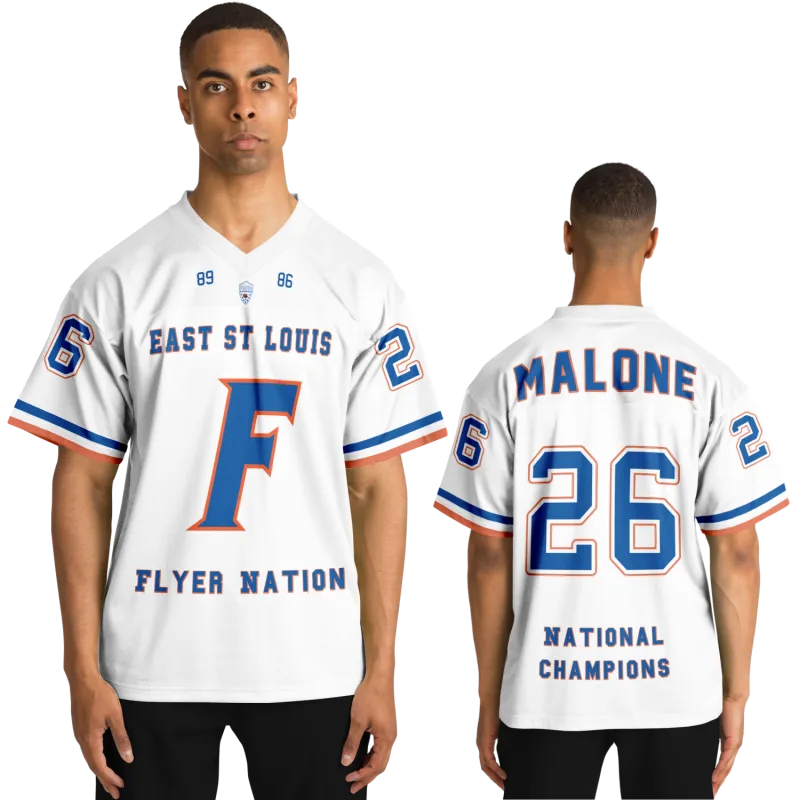
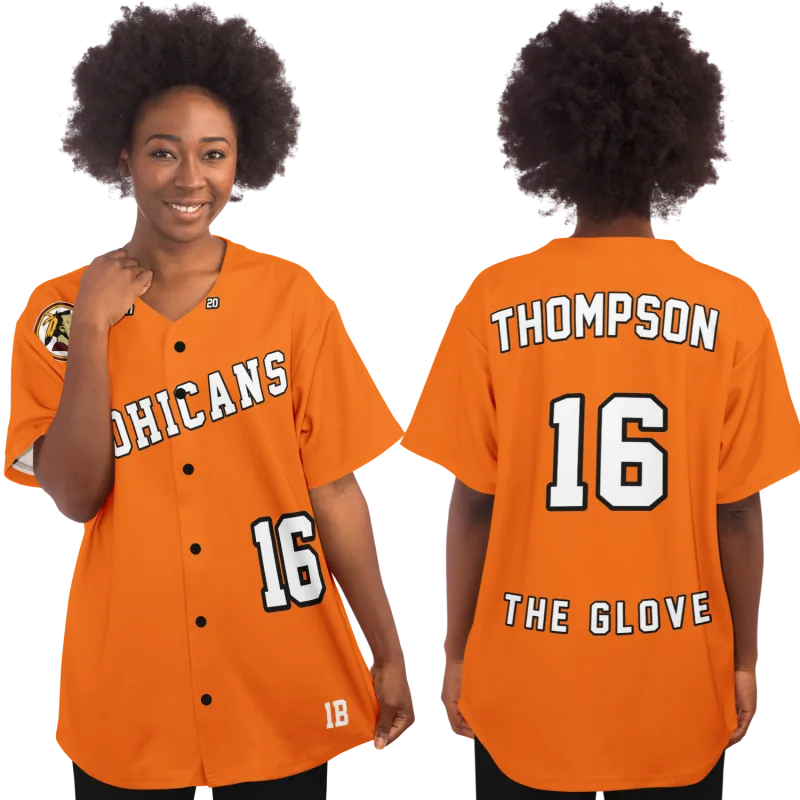
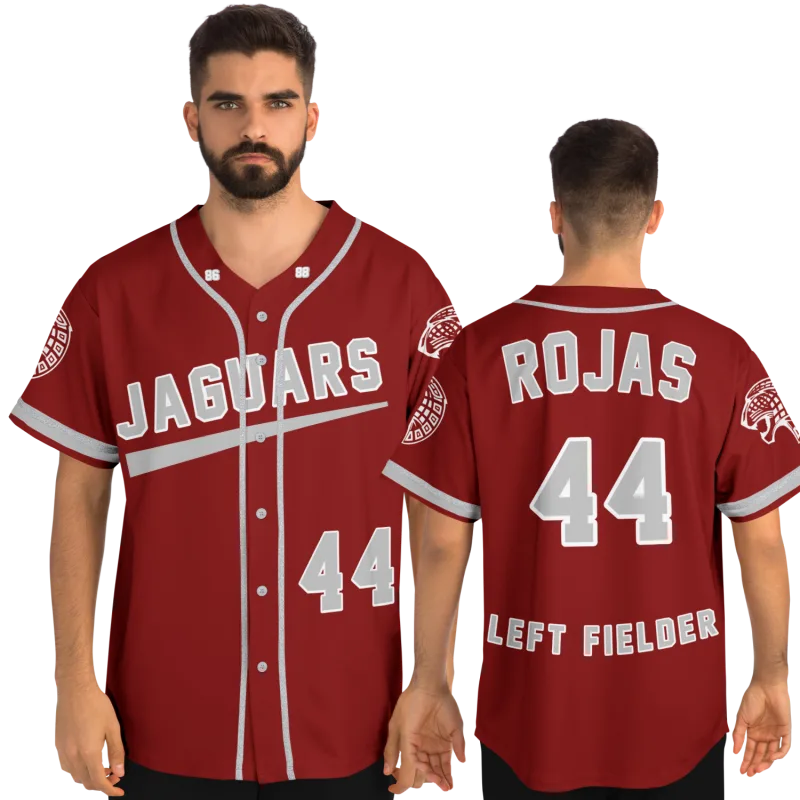
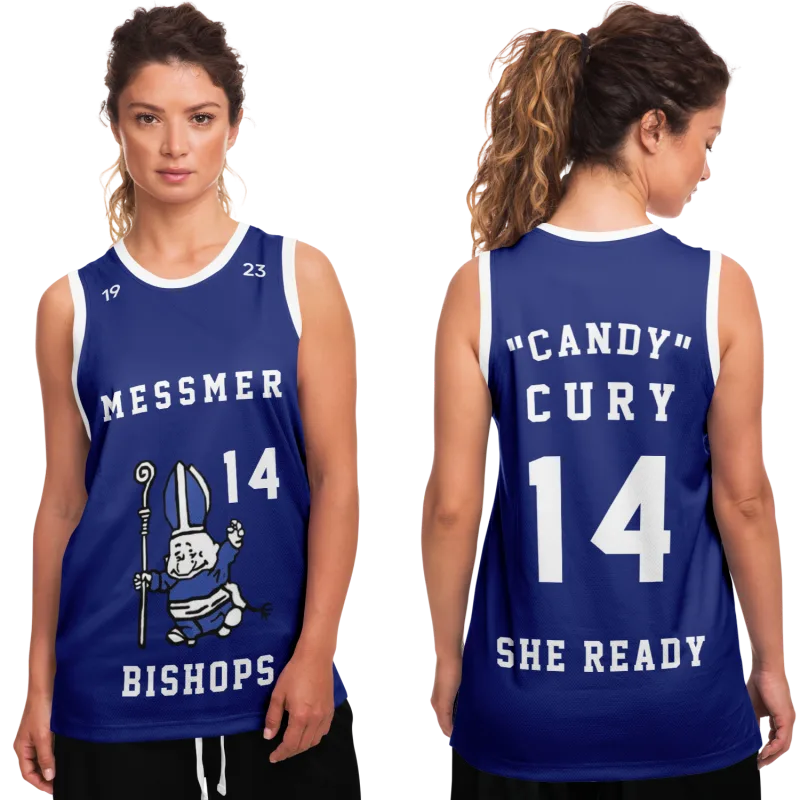
The jersey as the complete sensory anchor. Marisol's socks worked because they encoded a specific identity (that player) through a physical object worn at a specific time. A custom jersey with your name, your number, and your school colors does the same thing at a higher resolution. This is something more than nostalgia wear: a sensory artifact that encodes the same identity the ritual once encoded. The ritual said I am becoming ready. The jersey says I am the person who got ready. Wearing it (even briefly, even privately, before a performance moment) activates the same mechanism the pregame sequence once activated. Because the mechanism never went anywhere. It just needed the right signal.
The ritual never stopped working. It just stopped being asked to work.
The Ones You Remember Most
Ask a former high school athlete about their pregame ritual and two things happen.
First, they smile. Not the polite smile of someone being asked a pleasant question — the involuntary one. The smile that appears before the thought is fully formed, because the memory is stored somewhere faster than conscious retrieval.
Second, they get specific. Not "I had a routine" but precisely what it was. The song title. The food. The specific word a coach said at the end of every pregame huddle. The way the gym looked from the tunnel before you walked out.
That specificity runs deeper than memory. It is proof of how deeply the experience was encoded.
The rituals people remember most vividly tend to fall into four categories:
- Sonic anchors — the specific song, always the same, always at the same point in the sequence
- Physical sequences — equipment order, warm-up patterns, physical contact rituals with teammates (the handshake, the specific pre-game huddle gesture)
- Nutritional anchors — the meal, the snack, the drink that had to be consistent or everything felt slightly off
- Verbal anchors — something said by a coach, a teammate, or yourself, every time, without variation
Most athletes had at least two of these. Some had all four working together, a full sensory sequence that built toward the same internal state every single time.
The ones who had all four tend to describe the richest memories. The routine was layered enough that it engaged multiple sensory systems simultaneously. The result was a state-change that was thorough and fast, and an association that runs deep enough to last a lifetime.
Your Jersey Is Still Out There Waiting
Honor the athlete who built all of that.
Design yours in minutes and see your name and number the way you remember it.
Frequently Asked Questions
Are pregame rituals actually effective, or is it just superstition?
The distinction matters less than most people think. Whether a pregame routine works through genuine psychological mechanism or through the placebo of belief, the outcome — a consistent, ready internal state before competition — is real. That said, the research on pre-performance routines supports their effectiveness through a real mechanism: conditioned association between a specific stimulus sequence and a desired performance state. The more consistently the association is built, the more reliably the stimulus activates the state. So: both. The superstition belief may have gotten you started. The repeated conditioning is what made it stick.
Why do I still react physically to my old pregame song years later?
Because the association between that song and your performance state was built through dozens or hundreds of repetitions under significant emotional conditions. The nervous system stores stimulus-response associations at a level that doesn't require conscious retrieval. A sensory cue — sound, smell, physical sensation — can activate the associated state directly. The heart rate bump, the alertness, the sudden feeling of almost being ready for something: that's the association running its program. It doesn't expire just because the sport ended.
Can I use my old pregame ritual for something else now?
Yes, and many former athletes do — often without recognizing it. The mechanism is transferable to any high-stakes situation that requires a shift from ordinary state to ready state. If you deliberately recreate elements of your old ritual before something demanding — the song, a specific physical preparation sequence, a consistent pre-performance meal — you may find the association still partially activates. The pathway is worn deep. It doesn't take much to find it again.
Why do some rituals feel embarrassing to describe now but still feel important?
Because the ritual developed at a specific developmental stage, often incorporated elements from peer culture or personal quirk that have since been outgrown, and its specificity can look strange outside the context in which it made complete sense. The embarrassment is about the outer details. The importance is about what those details did internally. Those are two different things. The outer ritual can look silly. The internal work it was doing was real and significant. Most former athletes, when pressed, will admit they'd do the same thing again.
See also: why high school sports still matter to adults | the athletic identity many athletes carry long after their last game | why your senior season memories feel so sharp and permanent | the shared experiences that bonded every athlete to their team