
You've played the game. Now someone's telling you to buy a fan jersey.
That's the moment the entire conversation about the fan jersey vs player jersey difference goes wrong — and it goes wrong in every article currently written about this topic. Type that search into Google and you'll find ten detailed breakdowns of on-field-spec jerseys versus fan jerseys, game-worn versus supporter editions, hologram stickers and stitched numbers and fabric weights for NFL and NBA retail tiers. Useful information, for fans. But you're not here because you want to represent someone else on game day. You're here because you actually played, and you're trying to figure out what that means when it comes to putting a jersey on your back.
The answer isn't in any of those comparisons. This article is the one that addresses what's actually different.
The Comparison Nobody Is Making
Every top search result on this topic starts from the same assumption: you are a spectator. You love a team. You want to own something that represents that relationship. The question, in that context, is simply how close to "the real thing" you want to get — fan cut, authentic on-field construction, or the actual game-worn article pulled off a player's back.
That's a legitimate question. It just has nothing to do with your situation.
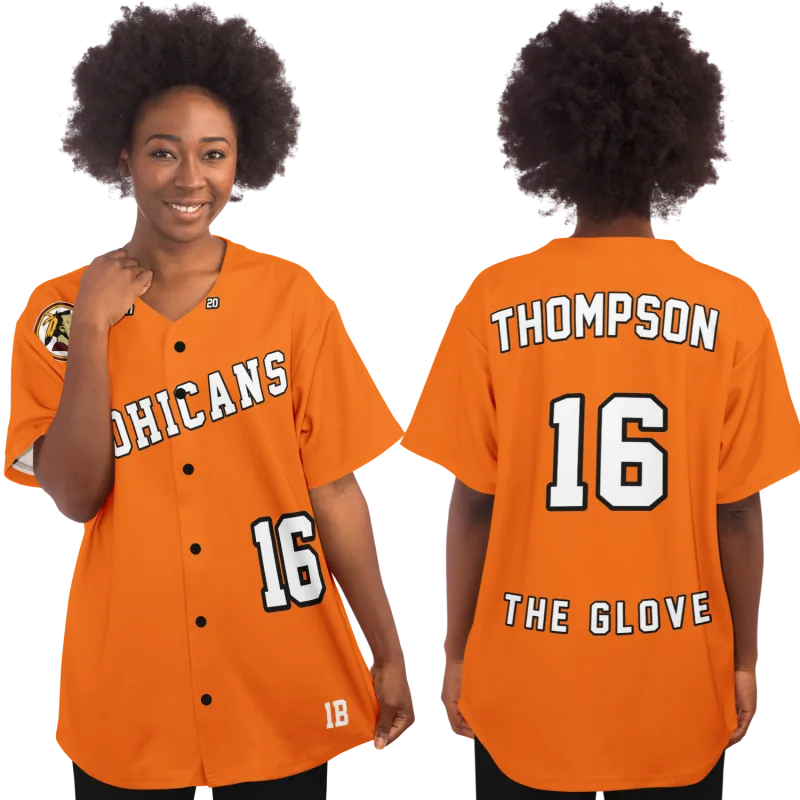
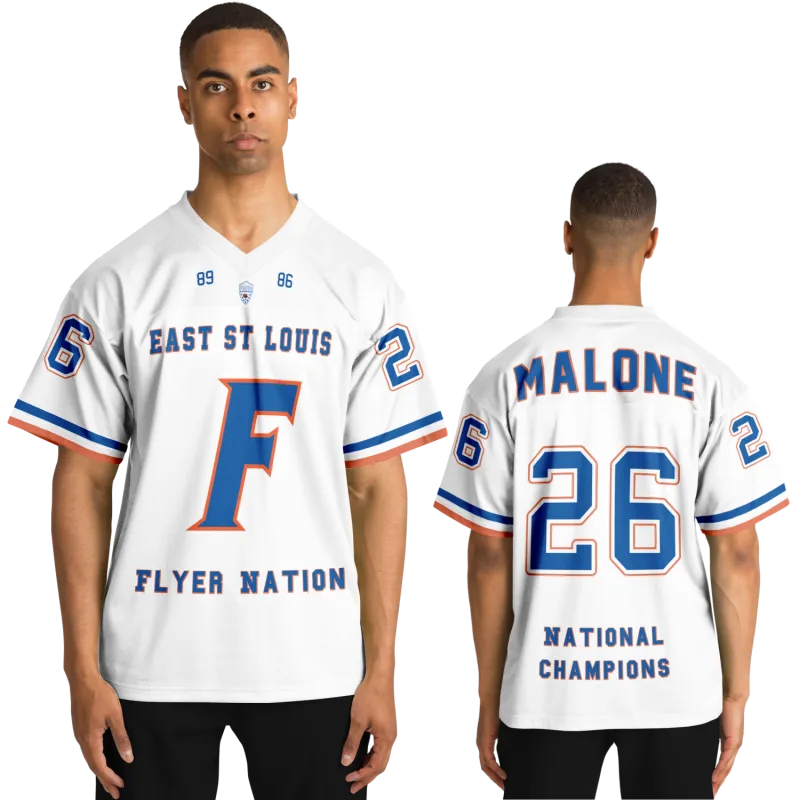
The real player jersey vs supporter jersey distinction isn't about production quality or retail tier. It's about whose story the jersey is telling. A supporter jersey tells the story of a player you admire. A player's jersey tells the story of a player who is you.
These are not variations of the same category. They are categorically different objects that happen to share a shape.
Consider what a fan jersey actually represents when you put it on: you are borrowing someone else's identity for the duration of a game. You're choosing to wear their name, their number, their accomplishment as a form of tribute and affiliation. There is nothing wrong with that. It is what fan apparel is designed to do.
Now consider what happens when a former athlete — someone who wore a number, earned a position, played through a season — puts on a jersey with someone else's name on it. The physical experience might be the same. The emotional content is completely different. You are not borrowing an identity. You already have one. The jersey just isn't showing it.
What "Authentic" Actually Means — and Where the Standard Definition Falls Apart
The on-field-spec jersey vs fan jersey conversation in mainstream sports retail comes down to construction specs. An on-field-spec jersey is made to the same specifications as the jerseys worn on the field: the same fabric blend, the same cut, the same numbering method (tackle twill, heat transfer, or embroidery depending on the league), and the same overall weight and feel. The lower tier is a fan-cut approximation — lighter, less expensive, and built for comfort in the stands rather than performance on the field.
Both of these are mass-produced garments built around someone else's number.
When former athletes search for a game jersey vs fan jersey, they're often unconsciously reaching for a third category that the retail system hasn't named clearly: a jersey built to player specifications, worn by an actual player, displaying that player's actual identity. The "authentic" tag in retail means authentic to the professional league's production standard. It says nothing about whether the identity on the back is authentic to the person wearing it.
In our experience talking with the former athlete community, this is the friction point that keeps people stuck. They know the fan jersey doesn't feel right. They look at "authentic" as the higher-tier option and think maybe that's the answer — better materials, closer to what players actually wear. They buy it. It still has someone else's name on it. The problem wasn't the fabric. The problem was the frame.
The Identity Gap That Fan Apparel Was Never Designed to Fill
Here is the distinction worth stating directly: fan apparel was designed for people who did not play. That is not a criticism — it is a design specification. Every choice in the production of fan jerseys, from the licensed name-and-number combinations available to the retail channels through which they're sold, reflects the assumption that the wearer's relationship to the sport is as an observer.
This works perfectly for the majority of jersey buyers. It fails completely for the former athlete market, and that market is larger than the sports apparel industry currently recognizes.
Think about who is actually searching for a jersey for someone who actually played:
- The former high school or college athlete who wants to commemorate a career that ended but still defined who they became
- The recreational league player who competed seriously for years and wants something that represents that chapter of their life
- The athlete whose career ended due to injury and who wants a tangible marker of what they accomplished before it did
- The parent or partner buying a gift for someone whose playing days shaped everything that came after
In a lot of cases, these are the same people who still have a varsity letter jacket hanging in the back of a closet — and if you have ever wondered what to do with your old varsity letter jacket and why you still have it decades later, you already understand the instinct at work here. It is not about the object. It is about what the object represents.
None of these people are served by the authentic-vs-fan-jersey retail conversation. All of them need the same thing: a jersey that says "this person played" rather than "this person watches."
Why Custom Is a Different Category Entirely — Not a Consolation Prize
There's a persistent misconception that custom jerseys are what you get when you can't afford or access the "real" version. This is the framing that needs to be corrected most urgently for former athletes.
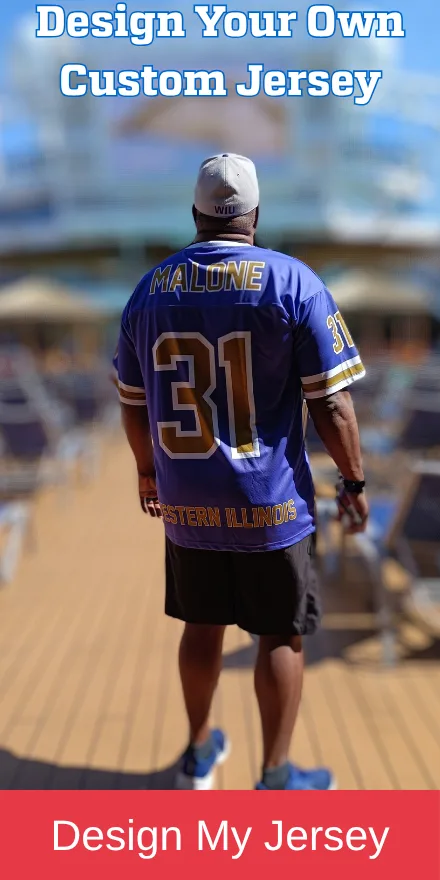
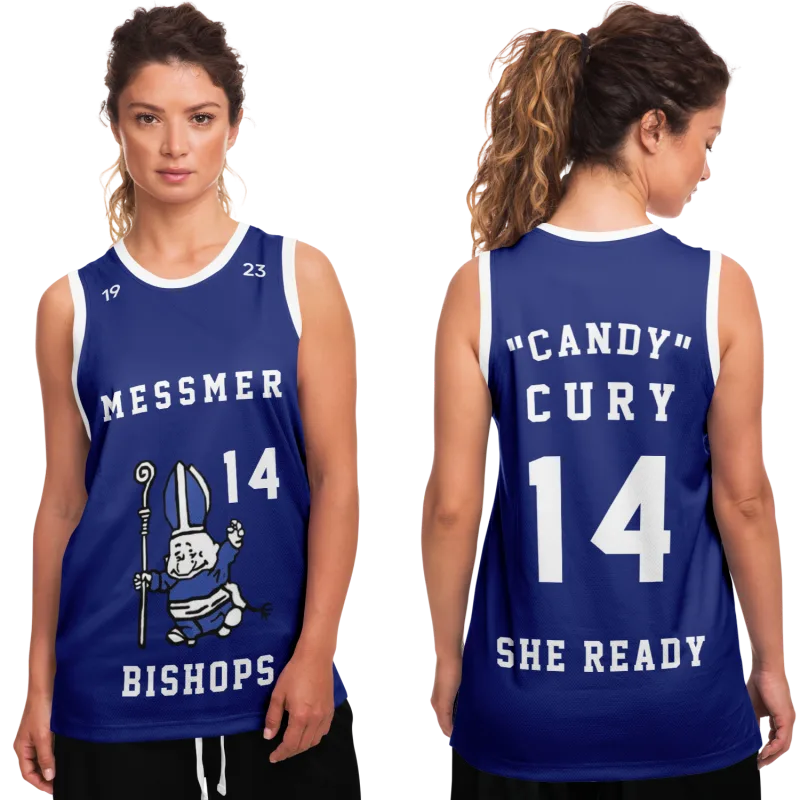
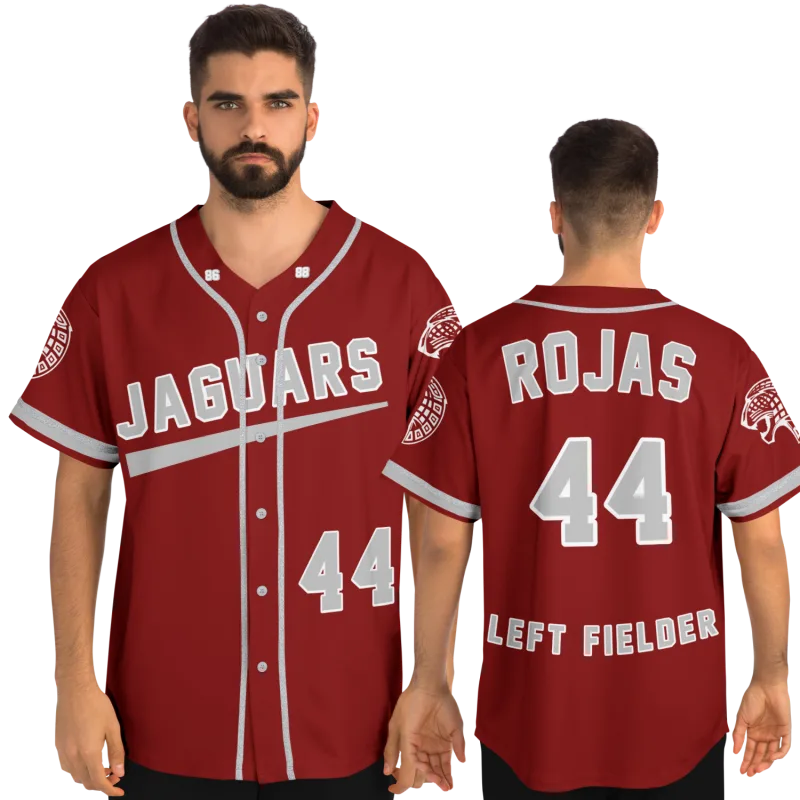
A custom jersey built to player specifications — with your name, your number, your team colors, your sport's actual construction standards — is not a lesser version of licensed retail. It is a more accurate version of a player's jersey than anything available in licensed retail, because licensed retail cannot put your name on the back.
Marcus T., 34, played four years of collegiate basketball and spent a decade telling himself the window for a jersey of his own had closed with his playing career. When he finally had a custom jersey made with his actual college number and his name across the shoulders, he described it the way a lot of former athletes do: not as buying something new, but as recovering something real. The fabric specs and the stitching quality mattered less than the fact that, for the first time since he graduated, there was a jersey in existence that represented what he actually did.
That is the emotional category the fan apparel industry is not equipped to address. Custom jerseys for former athletes are not a substitute for anything. They are the real thing, made real by the fact that the person wearing it actually earned the right to wear it.
The Construction Question — Because It Does Matter
None of the identity distinction above means construction quality is irrelevant. Former athletes who played know what a real game jersey feels like. They've worn the thing. A cheaply made sublimated print on thin polyester isn't going to feel like what they remember, and the disconnect matters.
When evaluating a custom jersey for a former player, the construction details worth examining are:
- Fabric weight and performance spec — a true player jersey uses moisture-wicking performance fabric, not the lighter fan-cut material. The feel on the body should match game-day memory.
- Numbering and lettering method — tackle twill (sewn appliqué lettering) is the standard for most authentic-tier jerseys. Heat transfer is common in fan jerseys. If the goal is something that feels like what you wore, the method matters.
- Cut — player jerseys have a different silhouette than fan jerseys. Fan cuts are designed for comfort and civilian wear; player cuts are designed for movement under pads or in competition. For a commemorative jersey, either can be appropriate, but they produce a different experience.
- Sport-specific construction — a football jersey is constructed differently from a basketball jersey, a hockey jersey, a baseball jersey. A custom jersey built for your sport, to your sport's actual construction standards, is the baseline requirement.
These details are what separate a custom jersey that honors a playing career from a novelty item. The identity distinction is the most important factor. The construction quality is what makes the object worthy of that identity.
What Former Athletes Should Actually Be Looking For
The game jersey vs fan jersey comparison, reframed for the former athlete market, becomes a different set of questions entirely:
-
Does the jersey display your identity, not someone else's? Your name. Your number. Your team's colors. If the answer is no on any of these, it's fan apparel regardless of how it's marketed.
-
Is it built to the construction standard of your sport? Not fan-cut, not novelty print. Sport-specific fabric, sport-specific cut, sport-specific numbering method.
-
Does the design reflect what you actually wore? A custom jersey for a former player should match — as closely as possible — the visual identity of the teams and uniforms that defined the career being commemorated. Generic "sports jersey" aesthetics miss the point.
-
Is it built to last? This is not a game-day consumable. It's a commemorative object representing years of effort. The construction should reflect that permanence.
The same instinct that drives a former athlete to design a custom jersey also drives the effort to digitize and preserve old sports photos and newspaper clippings before they yellow and fade in a shoebox. Both are acts of preservation — making sure the evidence of what you did outlasts the years that have passed since you did it.
The real player jersey vs supporter jersey question, for former athletes, resolves to this: the real player jersey is the one with your name on it, built to the standard of the sport you played. Everything else is fan apparel — which is a fine thing, but it's someone else's story.
What It Costs — and How to Make It Last
Let's be straight about the money, because the fan jersey vs player jersey comparison almost never is.
A licensed "authentic" jersey runs roughly $120 to $160 or more — and that's for someone else's name and someone else's number. The fan version sits below it, around $90 to $110. A custom jersey built to your sport's actual construction standard lands in a comparable range to that licensed authentic. The difference is what the price is actually buying. Two of those three tiers pay for a player you never were. The custom one pays for a jersey with your name and your number across the back — the only one of the three that is actually about you. Not a consolation prize. A direct replacement for the one thing licensed retail can never sell.
Then treat it like what it is. This is not a game-day jersey you toss in the wash and forget. It is a commemorative object, and it deserves more care than that:
- Wash it cold and inside out. Heat and agitation are what break down lettering over time.
- Air dry it — skip the dryer. High heat is the fastest way to make a number crack or peel.
- Skip fabric softener. It coats performance fabric and dulls the finish.
- Spot-clean when you can. A gentle wash beats a rough cycle every time.
Three minutes of care is a small price for a jersey that outlasts the years it represents. And the only jersey worth that kind of care is the one that is actually yours.
Your jersey is still out there waiting.
Design yours in minutes and see your name and number the way you remember it.
Frequently Asked Questions
What is the actual difference between a fan jersey and a player's jersey?
The core fan jersey vs player jersey difference is about identity, not just construction. Fan jerseys display a professional athlete's name and number — they represent someone else's accomplishment and are worn as a sign of support or tribute. A player's jersey displays the wearer's own name and number, representing their own athletic career. In retail, "authentic" and "fan" are the main tiers of apparel, both of which still carry someone else's identity. A custom jersey is the only product category that puts the former athlete's own identity on the garment.
Is an on-field-spec jersey the same as what players actually wear on the field?
In professional league retail, an on-field-spec jersey is built to the same production specifications as on-field jerseys — same fabric, same cut, same numbering method. However, "authentic" in retail still refers to a licensed player's name and number, not the buyer's. For former athletes, the authentic-vs-fan-jersey distinction is largely beside the point: neither product displays their own identity. A custom jersey built to sport-specific construction standards, with the former player's own name and number, is a more accurate player jersey than either retail tier for someone who actually competed.
Can I get a custom jersey that matches what I actually wore when I played?
Yes. Custom jersey builders specializing in the former athlete market can match team colors, uniform styles, numbering fonts, and sport-specific construction details. The process typically involves selecting your sport, your team's color scheme, your number, and your name — and producing a jersey that matches the visual and physical experience of what you wore. The key factors to verify are fabric spec (performance-weight, not fan-cut lightweight material), numbering method (tackle twill for most sports), and sport-specific cut. A well-built custom jersey for a former player is not a novelty item — it's a permanent commemorative object built to the standard the career deserved.
Why do most search results about this topic only talk about professional league retail?
The mainstream jersey comparison market is built around licensed professional sports products, where the consumer relationship is always fan-to-player. The entire retail infrastructure — licensing, name-and-number availability, retail channels — assumes the buyer wants to represent a professional athlete. Former athletes represent a different market entirely: people who played the sport themselves and want a jersey that represents their own career. This category is served by custom jersey builders, not licensed retail, which is why the standard search results don't address it. The jersey for someone who actually played is a custom product, not a licensed one.
See also: personalized sports gifts vs generic options | the difference between a sports fan and someone who actually played | athletic identity after high school | jersey sizing numbers like 44, 48, and 52 explained