


You've been thinking about them lately. Maybe it was a song, or a Friday night drive past the old field, or a random photo that surfaced in your camera roll — three rows of teenagers in game jerseys, squinting into the sun. And you thought: I wonder where they all ended up.
That thought is the beginning of something worth following. Finding old high school teammates isn't the awkward errand it used to be, but it's not as simple as a single search either — especially when you're starting from a twenty-year-old memory and a team photo where half the names are already gone. This guide is about the whole process: reconstructing the roster, tracking people down without a people-search tutorial that makes you feel like a private investigator, and actually reaching out in a way that doesn't require three drafts and a lot of second-guessing.
Start Where the Memory Lives: Rebuilding the Roster Before You Search
The first obstacle to reconnecting with high school teammates isn't finding people — it's remembering who to find. If you graduated more than a decade ago, your mental roster has probably compressed. You remember the starting lineup and a few strong personalities. The rest blur together into a general sense of there were twelve of us or we had a big senior class.
Before you open a single browser tab, sit down with what you actually have.
The sources that reliably surface forgotten names:
- Your yearbook — not just the team photo, but the index in the back. Every name that appears in a sports caption is listed there. If you don't have your yearbook, check your local public library. Many libraries hold physical copies of area high school yearbooks going back decades, and some have begun digitizing them.
- Program booklets — if your sport sold programs at games, those rosters are complete and accurate. Check a box in your parents' attic. Check eBay, where old high school program booklets surface with surprising regularity.
- Game photos — team photos and action shots usually have caption credits. A local newspaper's digital archive (most have them now, often free with a library card) will surface names attached to photos you've never seen.
- Your old school's athletic department — call or email and ask if they maintain historical records. Many do. The athletic director or a longtime coach may remember the roster and be glad someone asked.
Write the names down in one place as you find them. You're not searching yet — you're building the list first. A complete roster, even an approximate one, changes the shape of everything that follows.
The Gap Years Problem
Here's something that trips people up: the roster you're trying to rebuild almost certainly includes people from different class years. High school rosters mix sophomores, juniors, and seniors. If you graduated in 2002, some of your teammates graduated in 2003 or 2004. That means separate yearbooks, separate class pages, and different search trajectories. Make a note next to each name of what year you think they graduated — even an approximate year narrows the search considerably.
How to Actually Find People: The Realistic Toolkit
Once you have a working roster, the search itself is more straightforward than most people expect. The challenge isn't that people are hidden — it's that they're scattered across different platforms, some under married names, some under usernames that bear no relationship to their actual identity.

Here's the sequence that works, in order of reliability:
-
LinkedIn first. For anyone who went into a professional field, LinkedIn is the most current and most name-accurate platform available. Search by first name, last name, and the high school name (or the town). LinkedIn's algorithm handles maiden-to-married name changes better than most platforms because people often list previous surnames. If you find someone, you can see if you have mutual connections — a mutual former teammate is the best possible warm introduction.
-
Facebook second. Less reliable than it was five years ago, but still valuable for reconnecting with high school teammates who stayed in the region or who use Facebook as their primary social platform. Search the name plus the high school name. Look for public photos that show any geographic or team-related clues.
-
The school's alumni association or Facebook group. Almost every high school has an unofficial alumni group on Facebook now. Post a photo from the season you're trying to reconstruct and ask if anyone recognizes the faces. These groups have a remarkable hit rate. People who have no social media presence elsewhere often still belong to a local high school alumni group.
-
Your existing teammates as connectors. If you've already found two or three people, let them do some of the work. One well-placed message — "Do you know what happened to [name]?" — can unlock a chain of information that would take you weeks to find through search alone.
-
State athletic association records. Less commonly known: many state high school athletic associations maintain historical records of championship teams, all-state selections, and tournament results. If your team made a postseason run, those records may list names you'd forgotten.
In our experience, the combination of LinkedIn and the alumni Facebook group surfaces about 70 percent of a roster within a few days of focused searching. The remaining 30 percent — people who have moved, changed names, or simply stepped back from any public-facing online presence — take longer and sometimes require that chain-of-teammates approach.
Marisol V., 38, played varsity soccer at a mid-size school in central Texas and spent two months trying to reconstruct her 2003 team before someone in the alumni Facebook group posted a photo from the regional semifinal. Fourteen teammates were tagged or identified in the comments within 48 hours. She ordered custom jerseys for a reunion game eight months later — every name and number matching the originals — and said the photo of all of them back in uniform was the moment the whole effort paid off.
The First Message: Scripts for Reaching Out Without It Being Weird
This is the part people sit on for months. You've found someone. Their LinkedIn profile is right there. You have a memory of sharing a bus ride or a championship or a genuinely terrible losing streak together. And you have no idea what to say.
The hesitation is understandable but mostly unfounded. People who played on the same team together almost universally receive these messages well. The shared context of a team is one of the strongest social bonds available — it's time-compressed, high-stakes, and highly specific in a way that most adult relationships simply aren't. A message from a former teammate lands differently than a message from a former classmate, even if you barely knew each other.
The principles behind a message that works:
Be specific. The fastest way to seem genuine is to reference something specific — a game, a person, a season detail. "I was the outside hitter in 2001" works better than "we played volleyball together." Specificity signals that you're actually remembering something, not casting a wide net.
Be honest about how you found them. "I found you on LinkedIn after I went down a rabbit hole trying to reconstruct the old roster" is completely normal. Unexplained contact from someone you haven't spoken to in fifteen years feels stranger than contact with a simple explanation.
Keep the ask small. You're not proposing a reunion or asking for a commitment. You're making contact. The goal of the first message is only to get a response.
Scripts you can use directly:
For LinkedIn:
"Hi [Name] — I played [position/role] on the [year] [team name] at [school]. I've been thinking about that season lately and trying to track down a few people from the roster. Hope things are going well for you — would love to catch up briefly if you're open to it."
For Facebook:
"[Name] — not sure if you remember me, I was [specific detail about your role on the team] in [year]. I ran across a photo from [specific game or season] recently and it sent me looking for people. Would be great to hear what you've been up to."
If you're not sure they'll remember you:
"I'm not sure I made a lasting impression — I was the second-string [position] who mostly stood near [other teammate's name] during warmups — but we played [sport] together at [school] in [year range]. Found your profile while trying to put the old roster back together. Hope things have been good."
That last one is worth holding onto. It acknowledges the uncertainty without apologizing for making contact, and the self-deprecating specificity ("second-string who stood near so-and-so") tends to unlock recognition faster than a confident claim.
A Note on Married Names and Name Changes
If you're searching for someone who has changed their name since high school, finding them often requires going through mutual connections rather than direct search. When you reach out to people you've already found, ask explicitly: "Do you know what [name] goes by now?" People who've changed names are often easier to find through the network than through search — someone in the chain almost always knows.
The Starter Who Wasn't: A Thing Worth Understanding Before You Reach Out
Here's something that complicates the nostalgia more than people expect: your memory of your teammates is not the same as their memory of themselves.
You remember the starting point guard because she was extraordinary to watch, because her presence in the lineup changed the shape of every game, because you can still see specific plays she made in specific moments. She may remember herself as someone who spent most of junior year fighting for a starting spot, who almost quit the team after a bad stretch in February, who was quietly terrified throughout the season you remember as her defining one.
This happens constantly in team sports. The people you perceived as central to a team's story often hold a more complicated internal version of that story. The player who seemed effortlessly dominant was grinding in ways that weren't visible. The one who seemed to have it all figured out was cycling through doubt. The one who quit the team halfway through the season — and who may have faded from your memory — may carry that experience as one of the more significant chapters of their adolescence.
None of this means you shouldn't reach out. It means: don't lead with your version of what they were. Lead with curiosity about who they are now. The fastest way to reconnect well is to ask questions rather than deliver the tribute you've been composing in your head. "What have you been up to since" opens more doors than "I always thought you were the best player on the team," which, despite being genuine, can land strangely on someone whose internal experience of that period was different from the one you witnessed.
This is also why finding old high school teammates works better as a process of mutual reconstruction than a solo project. When you reach out to three or four people at once and let the conversation develop, everyone starts contributing their version of events — and the picture that emerges is richer and stranger and more accurate than any single memory.
From Contact to Something Real: Building Toward a Reunion
Most reconnecting efforts plateau at the message exchange stage unless someone takes a deliberate step forward. If your goal is more than a brief exchange of updates, you'll need to create a moment that gives everyone a reason to show up in the same place.
The most reliable formats, in order of complexity:
A group text or chat. Start with the people you've found, add them to a group thread, and let the social dynamics do the rest. People who weren't previously in contact will find each other through the thread. It's low-commitment, immediate, and tends to generate its own momentum.
A casual local gathering. A bar, a restaurant, or someone's backyard. No formal structure, no RSVP system. Just a date and a location and a message that says "anyone who can make it, we'd love to see you." The informality removes the pressure that a "reunion" framing can create.
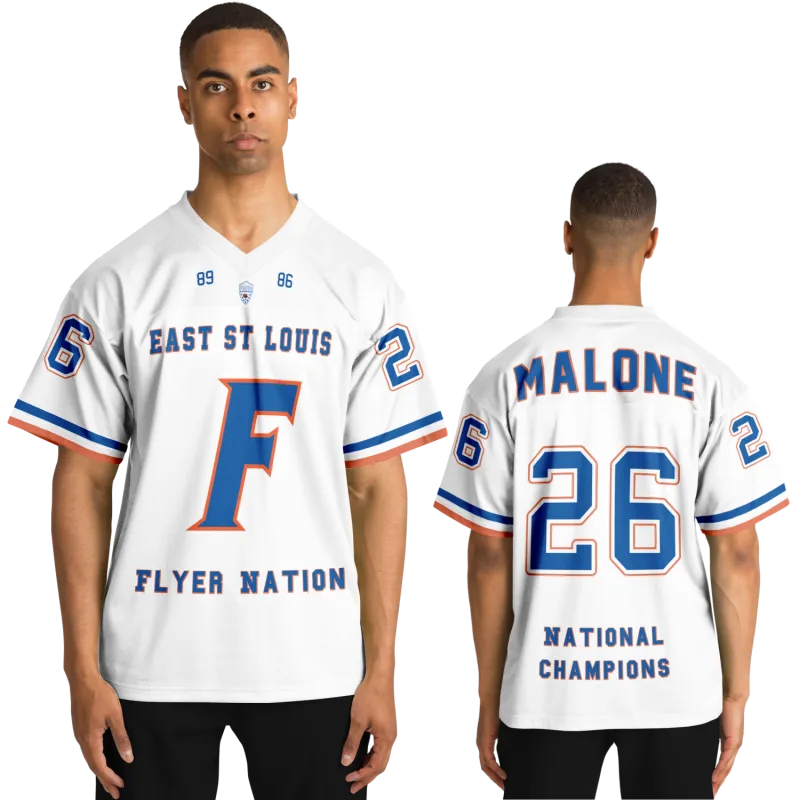
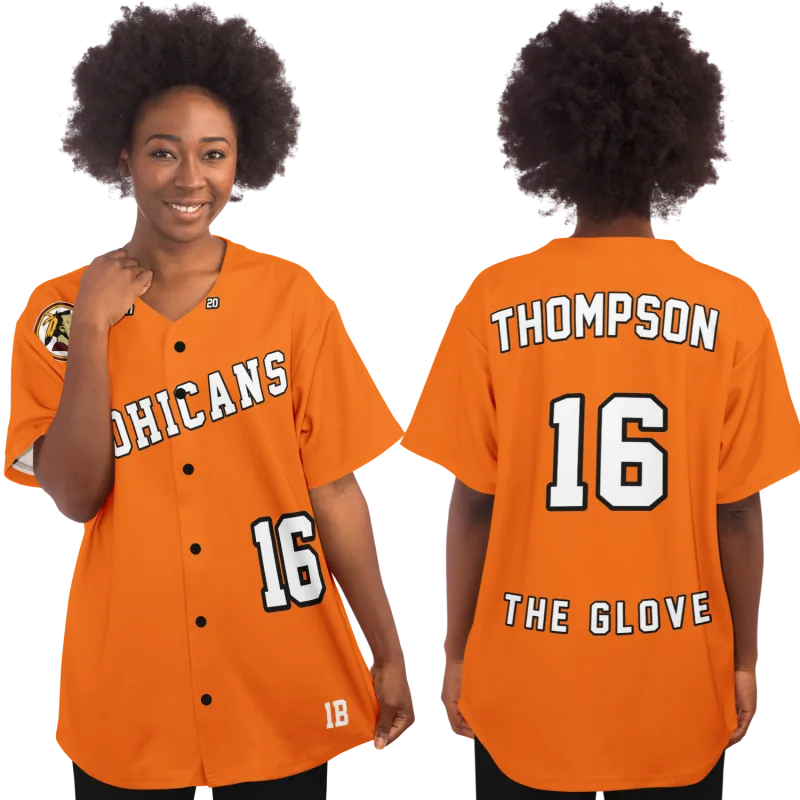
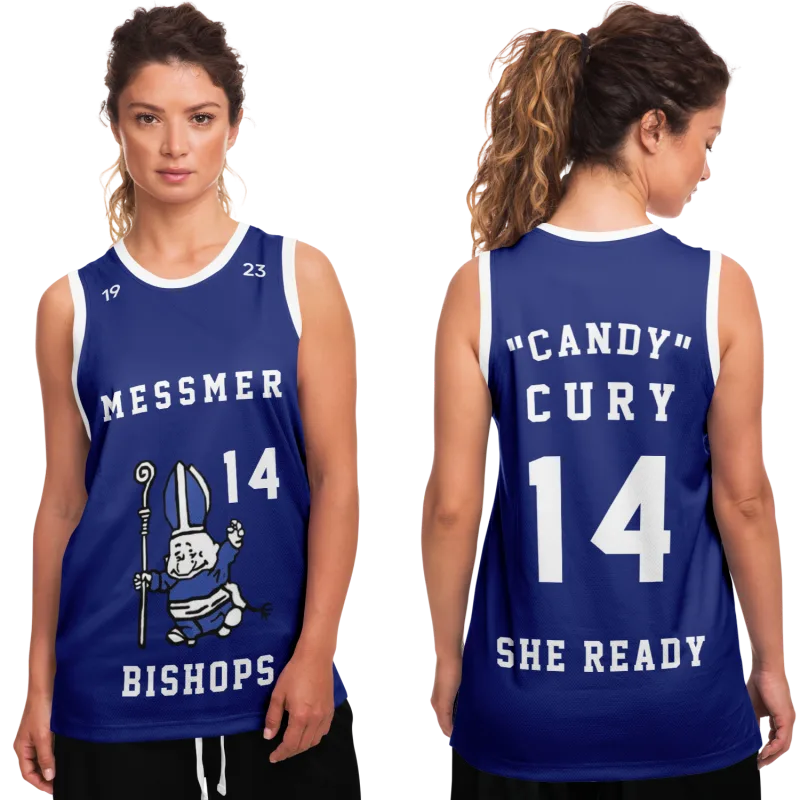
A reunion game or scrimmage. Harder to organize but more memorable. Requires a venue (many high school coaches will open a gym or field for alumni groups if asked), a rough headcount, and a willingness to let it be more about being together than competing well. Matching jerseys — custom-made to match the original colors and numbers — have a way of making these events feel real in a way that a bar gathering doesn't.
The question of finding old high school teammates has a good answer. The question of what to do once you've found them is up to you.
Your jersey is still out there waiting.
Design yours in minutes and see your name and number exactly the way you remember it.
Frequently Asked Questions
How do I find old high school teammates if I don't remember everyone's last name?
Start with the names you do remember and use them as connectors. Search for the names you know on LinkedIn or Facebook, reach out, and ask if they remember the people whose last names you've forgotten. Alumni Facebook groups for your high school are particularly useful for this — post a team photo and ask if anyone can identify the faces. The school's yearbook index lists everyone who appeared in any sports caption, which can help you recover surnames attached to first names you already know.
Is it weird to reach out to a teammate I wasn't close with?
It's less weird than it feels. Shared team membership is a specific social context — even teammates who weren't friends carry a mutual history that most strangers don't share. Keep the message short, be specific about the shared context, and keep the initial ask small (just a hello, not a full reunion pitch). Most people receive these messages well, especially if they come with a genuine, specific memory rather than a vague "we used to play together."
What's the best way to organize a high school team reunion?
The most reliable approach is to start informally. Create a group chat with the people you've found, set a casual in-person date with no formal structure, and let the group's own social energy carry it. If you want something more substantial — a reunion game, a dinner, matching jerseys — introduce those ideas after the initial contact has been made and you have a sense of who's interested and available. Trying to organize a formal event before you've reestablished contact usually stalls before it starts.
How do I search for teammates who have changed their names?
Go through mutual connections rather than direct search. Reach out to teammates you've already found and ask explicitly if they know the person's current name. People who've changed their names are often reachable through someone in the network even when direct search doesn't work. LinkedIn sometimes surfaces name changes because users list previous surnames in their profiles — try searching the first name plus the school name or town to see if anything surfaces.
See also: how to find and reconnect with former high school teammates | why high school sports still matter so much to adults | how to find your old high school game film and highlight footage