

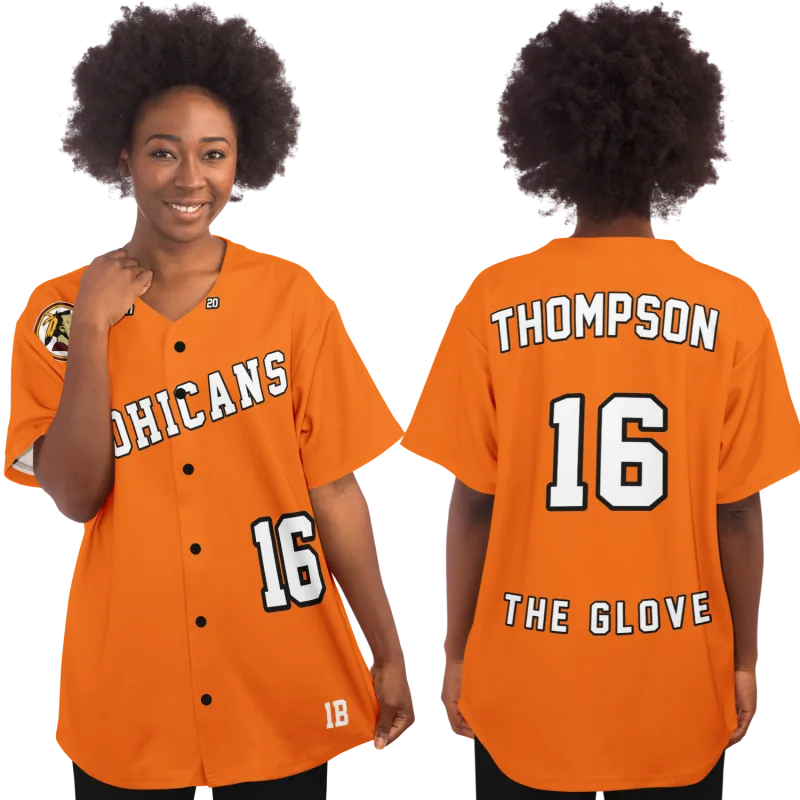
There's a headline that stops you mid-scroll.
Not because of the school. Not because of the record. Not because you know anyone on the roster or ever set foot in Lockland, Ohio. It stops you because of what it represents — and because somewhere in the back of your chest, you already know the feeling it's describing.
According to Sports Illustrated High School Sports, Lockland will not field a varsity football team this coming fall. The 2026 season is cancelled. The program — the pads, the practices, the Friday nights, the whole thing — goes quiet for at least a year.
For anyone who ever put on a helmet and ran out of a locker room under those lights, that sentence doesn't read like sports news.
It reads like a door closing — like the stadium lights going out on your own playing days.
When a Program Goes Silent, Something Permanent Happens
High school sports programs come and go. Rosters shrink. Coaches leave. Budgets get cut. These are facts that athletic directors and school boards navigate every year, and most of the time the wider world doesn't notice.
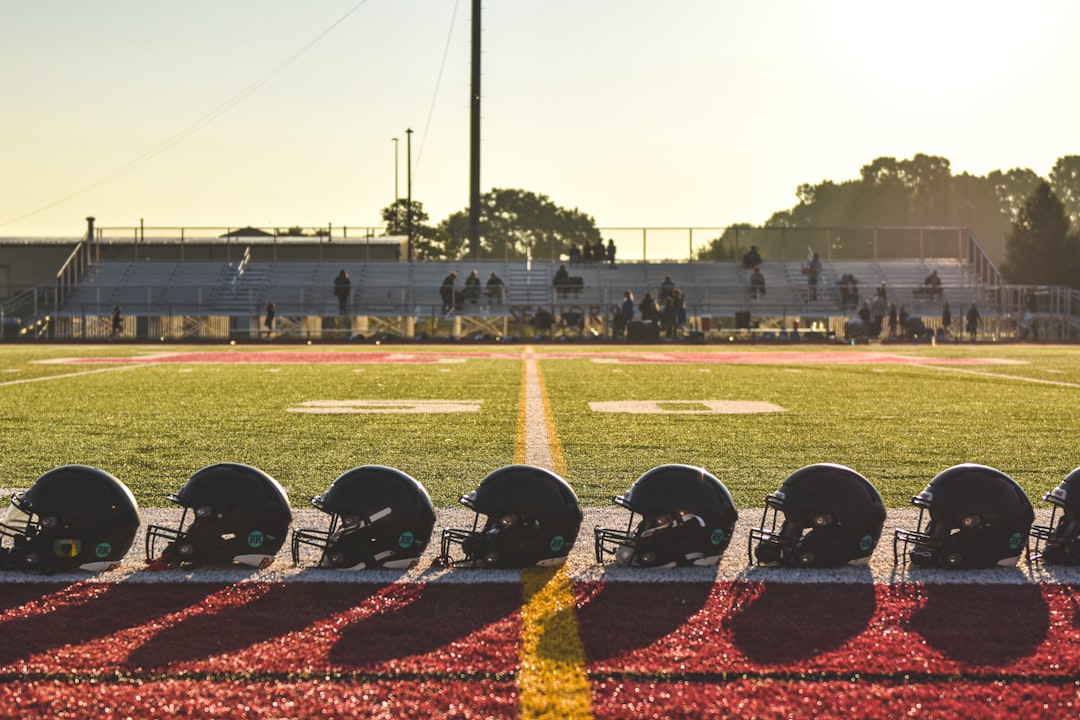
But there's a specific weight to a football program cancellation that's different from other program disruptions. Football in small-town and mid-size Ohio isn't just a sport — it's a civic rhythm. Friday night games are the social heartbeat of communities that might not have much else drawing people together in autumn. The concession stand smell, the marching band between quarters, the parents who drove forty-five minutes to watch seventeen-year-olds run slant routes under terrible stadium lighting — that's not just a game. That's the town showing up for itself.
When that stops, even for a season, something shifts that doesn't fully shift back.
The current Lockland players — the ones who were expecting to line up this fall — are living the sharpest version of this. Their senior season, or their first varsity start, or the year they finally cracked the starting lineup after two seasons on JV. That specific version of the story simply won't happen now. There's no make-up date. No alternate timeline. That window closes, and it closes permanently.

Every former player who hears about this knows something true: you only get so many Friday nights. And when one gets taken from you, it doesn't come back.
What Every Former Player Remembers That No One Else Quite Understands
Here's the thing about playing high school football — or any varsity sport, for that matter — that's almost impossible to explain to someone who hasn't done it.
It's not the games. Or it's not only the games.
It's the texture of the whole thing. The specific weight of your shoulder pads after a practice in August heat. The locker room on a game day, two hours before kickoff, when everyone is too quiet because everyone is too inside their own head. The way the whole school felt different on a Friday — like the building itself was holding its breath until 7 PM.
Remember when the week of a big game felt like a different kind of week? Classes moved differently. The hallways had a different energy. You walked through the school knowing that at least a portion of the student body was thinking about the same thing you were thinking about — and that you were one of the people who got to actually go do it.
That feeling isn't something you can recreate on demand. You can watch a thousand games as an adult. You can coach. You can volunteer. You can stand on the sideline with your kid's team on a Saturday morning and feel genuine joy. But that specific, unrepeatable feeling of being the one who plays — of having your name on a roster, your number on a jersey, your spot in the lineup — that belongs to a window that closes when high school ends.
For the Lockland players who won't have a 2026 season: that window just got narrower. And every former player reading this understands, bone-deep, what that costs — what it means for a senior to lose their final season.
The Jersey Doesn't Lie
There's a reason former players hold onto their jerseys — the same nostalgia every former football player knows.
Not because they're useful. A high school football jersey is not useful. It doesn't keep you warm in a practical sense. It doesn't fit the same way it did when you were seventeen. It lives in a drawer or a bin or, if you're the kind of person who keeps things the way they deserve to be kept, on a hanger in a closet where you pass it every now and then.
You keep it because it's a document.
Marcus T., 34, played safety for a small Ohio program in the early 2010s — a program that also went through a near-cancellation when enrollment dropped and the JV squad couldn't field a full roster. He kept his jersey from his senior season, the year the program almost didn't survive, specifically because of what it represented. "That jersey meant we showed up," he said. "Even when everything around the program was uncertain, we showed up. That's what it stands for to me."
That's what high school jerseys are: evidence that you showed up. That your name was on a roster. That on a specific set of Friday nights in a specific set of years, you were the one on the field.
The players who won't get a 2026 season at Lockland won't get that documentation for this year. The seniors who won't get a final season won't have that specific fall to hold onto. That's not a small thing. It's the kind of thing that, decades later, you still feel in a specific quiet way when you hear a headline like this one.
Small Programs, Big Stories — Why This Matters Beyond One School
Lockland is not a powerhouse. This cancellation won't make national sports headlines for more than a cycle. There are no Division I prospects affected, no nationally ranked programs disrupted, no ESPN story arc.
But that framing misses what high school football actually is in most of the country.
The vast majority of high school football is played by programs like Lockland — small rosters, modest facilities, coaches who are also science teachers or assistant principals, kids who will never play another down of organized football after their senior season. These are programs where making the team is not a given, where a 30-man roster means everyone plays, where the starting linebacker also has a part-time job on weekends.
These programs are where most of the story of American football actually lives. Not in the Friday Night Lights mythology of Texas 5A football. Not in the programs that produce NFL first-rounders. In the Locklands — the programs that give a specific set of kids a specific experience that shapes them in ways they won't fully understand until they're thirty.
When programs like this go dark, it's worth noticing. Not because one cancelled season is a catastrophe — programs recover, seasons get reinstated, rosters rebuild. But because each of those lost seasons is a collection of irreplaceable individual stories that simply don't get written.
The kid who would have made his first varsity start this fall. The senior who would have led his team in tackles in his final game. The underclassman who would have played in his first varsity game under the lights and felt that specific electricity for the first time.
Those stories don't get told now. That's what the headline is really about.
"I Still Have the Jersey" — And Why That Matters Now
There's a specific kind of former athlete who finds themselves doing something unexpected in their thirties or forties.
They're cleaning out a closet or moving apartments or going through boxes at their parents' house, and they come across the jersey. The one from the high school team. And they stop.
They stop because it's not just fabric. It's a whole set of Friday nights. It's the name on the back (their name — actually on a jersey, actually stitched in, actually real). It's the number that was theirs for those specific years. It's the colors of a program that existed in a specific place at a specific time and that they were part of.
For former Lockland players — and for former players everywhere who are reading about this — that jersey represents something no adult life circumstance can fully recreate. The career goes up and down. The relationships shift. The city changes. But the jersey is from the time before all of that complexity, when the whole world was as simple as whether you executed your assignment and whether the team won.
There's a reason "I still have the jersey" is something former players say with a specific kind of pride. The jersey is the proof. It says: I was here. I was on this team. I wore this number.
What the Former Player Community Carries
Every high school program that has ever existed has an alumni community — whether formal or informal, whether they have a reunion or just a Facebook group where old teammates occasionally comment on each other's photos.
These communities carry something. They carry the shared memory of what the team was, what the season felt like, what the locker room was like on game days. They carry the specific nicknames and the specific plays and the specific games that went to overtime.
When a program cancels a season, it ripples back through that community. Former players from ten, twenty, thirty years ago hear about it and feel something — because the program is continuous. The Lockland program that won't field a team this fall is connected, through decades of players and coaches and Friday nights, to every team that ever wore those colors.
In our experience, the former athlete community responds to moments like this with a specific kind of solidarity. Not quite grief. Something more like recognition. This is what it would have felt like if our season had been taken. A quiet, retrospective understanding of what those current players are going through.
And with that recognition often comes something else: the impulse to hold onto what they have. The jersey in the closet. The photo from picture day. The memory of running out of the tunnel for the first time.
Those things matter. They mattered when you were seventeen and they matter now.
Your Jersey Is Still Out There Waiting
If this headline brought something back — if reading about a cancelled season made you think about your own season, your own Friday nights, your own number — that feeling is telling you something worth listening to.
Design yours in minutes and see your name and number just the way you remember it.
Frequently Asked Questions
Why did Lockland cancel its 2026 football season?
According to Sports Illustrated's report, Lockland will not field a varsity football team in the fall of 2026. The specific reasons behind program-level cancellations at small schools typically involve roster size, participation numbers, or logistical constraints — though the specific details for Lockland were not fully elaborated in the initial report. Program cancellations at small Ohio schools are not uncommon when enrollment drops or when a school cannot field a safe and competitive roster.
How common is it for high school football programs to cancel a season?
More common than most fans realize. Across the country, dozens of small high school football programs either cancel seasons or cancel games each year due to insufficient roster numbers, funding shortfalls, or facility issues. The National Federation of State High School Associations has tracked a multi-year trend of declining participation in tackle football at the high school level, particularly at smaller schools. Programs in rural or lower-enrollment districts are disproportionately affected.
Can a cancelled program come back the following season?
Yes — and many do. A single cancelled season does not mean the end of a program permanently. Schools have reinstated football programs after one-year or even multi-year hiatuses, often through concerted community effort, coaching changes, or participation drives that rebuild roster numbers. The harder challenge is the lost continuity: the senior class that doesn't get a final season, the incoming freshmen who don't get to be part of the program during a formative year. Those specific individual stories can't be recovered, even when the program itself returns.
What does a high school program cancellation mean for players who were expecting to play?
For current players — especially seniors — a cancelled season means the permanent loss of their final year of varsity football. There is no make-up season. Underclassmen may have future seasons available, but the specific year, the specific team, and the specific experience are gone. Transfer options exist in some cases, but transferring to another school to play football is not a realistic option for every student in every circumstance. The loss is real and specific to each affected player.
Why do former players feel connected to news like this even when they didn't play for that school?
Because high school football — and high school sports broadly — represents a specific, unrepeatable experience that every former player shares regardless of which program they played for. The experience of being on a roster, wearing a number, playing under the lights on a Friday night, being part of a team during those specific years — that experience creates a community of shared memory. When a program cancels a season, former players everywhere recognize what's being lost because they know, from their own experience, what those Friday nights meant. The school is different. The feeling is the same. Design your own — custom football jerseys.
See also: what it means to lose your athletic identity before you're ready | the grief that comes with losing your last season | why senior night hits differently when there's nothing left to play for | what high school sports teach you that nothing else can