


It's 11:40 p.m. The party is loud in the next room, somebody is passing out noisemakers, and you've wandered to the kitchen counter with your phone, thumbing back through old photos until one stops you: you, in the uniform, mid-celebration, a teammate's arm hooked around your neck. You can't remember who took it. You remember exactly what the air smelled like.
That's new years eve nostalgia, and if you ever competed, it hits you differently than it hits everyone else in the house.
Other people look back at the year. You look back at the season. The one that ended your career, or the one that closed years ago and still hasn't entirely let go of you. This article is for the person standing at that counter, because there's a better way to spend that feeling than scrolling until it hurts.
Why New Year's Eve Hits Former Athletes Harder
Most people treat December 31 as a calendar event. Athletes treat it as a season ending, and the body knows the difference.
For years, your life ran on seasons: preseason, regular season, playoffs, offseason. Every stretch had a start, a finish, and a number that told you how it went. A win-loss record. A batting average. A split time. When the year turns over, that old wiring fires: this is where we take stock.
The trouble is that for most former athletes, nobody is keeping score anymore.
The scoreboard went dark, but the instinct didn't
Competitive people are built to measure. When you stop competing, the instinct doesn't switch off. It just loses its object. So on New Year's Eve, when everyone around you is invited to evaluate their year, you're left running an audit with no stats to audit.
That's why the feeling can be heavier than simple fondness. It's grief mixed with pride, and it often hides a quiet question: did it mean what I thought it meant?

In our experience talking with people who come looking for their old jerseys, that question sits underneath almost every bout of nostalgia. It's rarely about the game. It's about whether the person they were out there still counts.
It does. Let's get to how you prove that to yourself.
What You're Actually Missing (It's Not the Game)
Ask a former athlete what they miss most and they'll usually say "the competition." Keep asking, and the answer changes.
They miss the Tuesday-night bus rides. The smell of the locker room after a wet practice. The shorthand with a teammate who could read your mind from forty feet away. The way a Friday meant something because the whole week pointed at it.
Here's what nobody tells you: the game itself is rarely the thing. The thing is belonging with a purpose, and the uniform was the visible proof of it.
The jersey was never just fabric
Remember the first time you pulled that jersey over your head. Someone handed you a number, and suddenly you were part of something with a name on the front and yours on the back. You didn't earn the feeling by performing. You got it the moment you put the jersey on, then spent a season earning the right to keep it.
That's why the jersey sits at the center of so much athlete nostalgia. It's the one object that holds all of it at once: the team, the number, the era, the version of you.
If yours is gone, lost in a move, collected at season's end, outgrown, or never handed over in the first place, you've probably felt that absence more sharply than you'd admit at a dinner table.
A Look Back at the Season That Was
Before you can do anything useful with the feeling, let the look back happen properly. Most people either dodge it or drown in it. There's a middle path.
Try this on New Year's Eve, before midnight if you can manage it:
- Pick one season, not your whole career. A whole career is too big to hold. One season is a story with edges. Choose the one that surfaces first. That's usually the right one.
- Write down three specific moments. Not "we had a great year." A single play. A single bus ride. A single sentence a coach said. Specifics are what bring it back to life.
- Name one person you haven't talked to in a while. You don't have to reach out tonight. Just write the name down.
That's it. Three minutes, a pen, a napkin if that's all you've got. The goal isn't productivity. The goal is to turn a vague ache into something with edges you can hold.
Why specifics beat sentiment
Sentiment is fog. "I miss those days" can sit in your chest for fifteen years without going anywhere. A specific memory, like the way the gym floor squeaked during warmups at your old school, gives the feeling somewhere to land.
When people tell us about their playing days, the ones who light up are never describing trophies. They're describing a smell, a sound, a Tuesday. If you want to honor the career that defined you, start there.
Marcus T., 41, and the Number He Couldn't Stop Thinking About
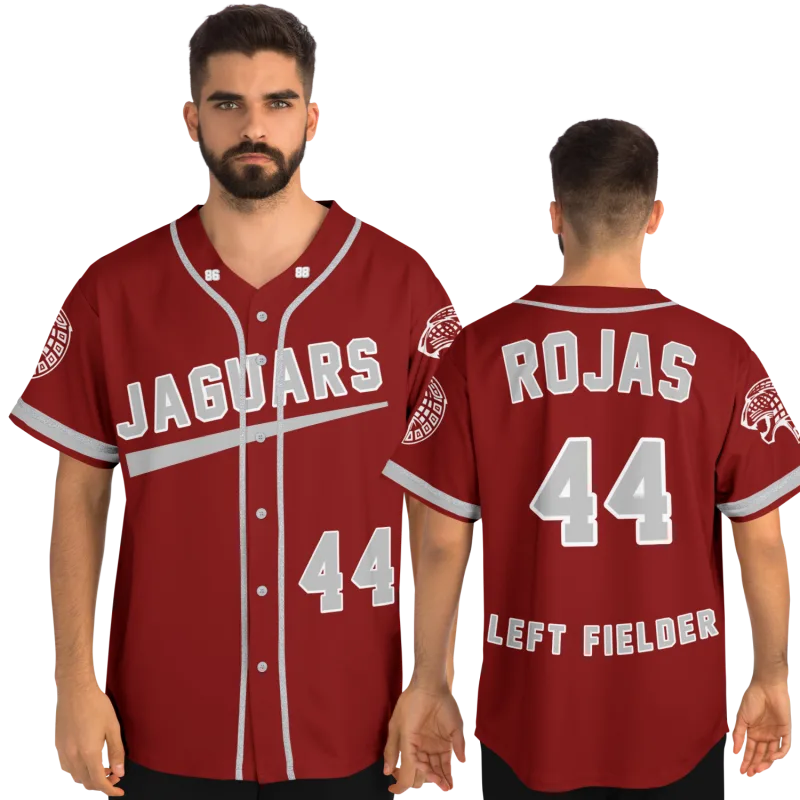
Marcus T. played linebacker at a small Ohio high school and wore number 54 for three seasons. Last December 31, at his in-laws' house, a cousin's kid asked what number he used to wear. Marcus answered without thinking, then went quiet. "I realized I had nothing with 54 on it. Not a photo that showed it clearly. Nothing." He spent the next week hunting for a way to hold that number again, and ended up designing a jersey with his last name across the back in the same shade of maroon his team wore. "It's hanging in my garage now," he told us. "My son asked if he could wear it to a game. I said yes. First time in twenty years it felt like the number meant something."
Marcus wasn't looking for a costume. He was looking for proof.
Why Your Career Still Counts
There's a story athletes tell themselves once the playing stops: it was just high school, just college, just rec league. It doesn't count.
It counts.
The person who showed up at 6 a.m. for conditioning, played through a bruised rib, and learned how to lose without falling apart is the same person who now shows up for a job, a family, a hard conversation. Your career didn't end. It got folded into who you are.
Research supports this instinct in at least one useful way. Work on "athletic identity," summarized in the NCAA's own sport science and mental health resources, indicates that former athletes who keep a positive connection to that identity tend to adjust better after competition ends than those who cut it off completely. You can read the NCAA's overview of student-athlete mental health at ncaa.org. The takeaway is simple: honoring your athletic past isn't living in the past. It's staying whole.
The identity trap, and how to avoid it
There is a flip side. Some people cling to the old identity so tightly that it crowds out the present. They talk only about the glory days, and the people around them quietly stop listening.
The line between healthy and stuck is thin but recognizable. Healthy nostalgia says that shaped me, and I'm grateful. Stuck nostalgia says that was the best I'll ever be. New Year's Eve is a good night to check which one is running.
If it's the first, keep going. If it's the second, the answer isn't to forget the season. It's to give it a proper place on the shelf so it stops standing in the doorway.
Three Ways to Honor Your Career Tonight
You don't need a ceremony. You need a small, real gesture. Here are some that work.
Pull the old photos, then put one on display
Scrolling is passive. Choosing is active. Pick one photo from your playing days, print it, and put it somewhere you'll see it. A drugstore print is fine. The act of choosing tells your brain this mattered, and I'm keeping it in view.
Call or text one teammate
Remember the name you wrote down earlier? Use it. The message doesn't need to be clever. "Hey, it's New Year's Eve and I was thinking about the '09 season. Hope you're doing well." More often than not, the reply comes within the hour and the conversation runs long.
Hold the thing again
This is the one people skip, and it lands hardest. There's a particular calm that comes from holding the object itself: the jersey, the number, the name. A photo shows you what it looked like. A jersey lets you feel what it was.
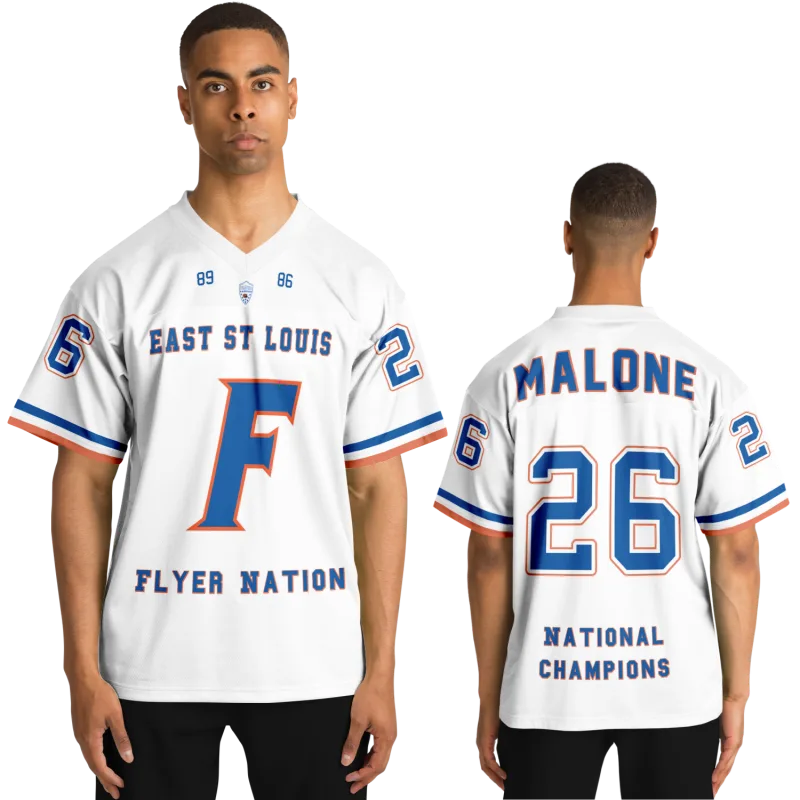
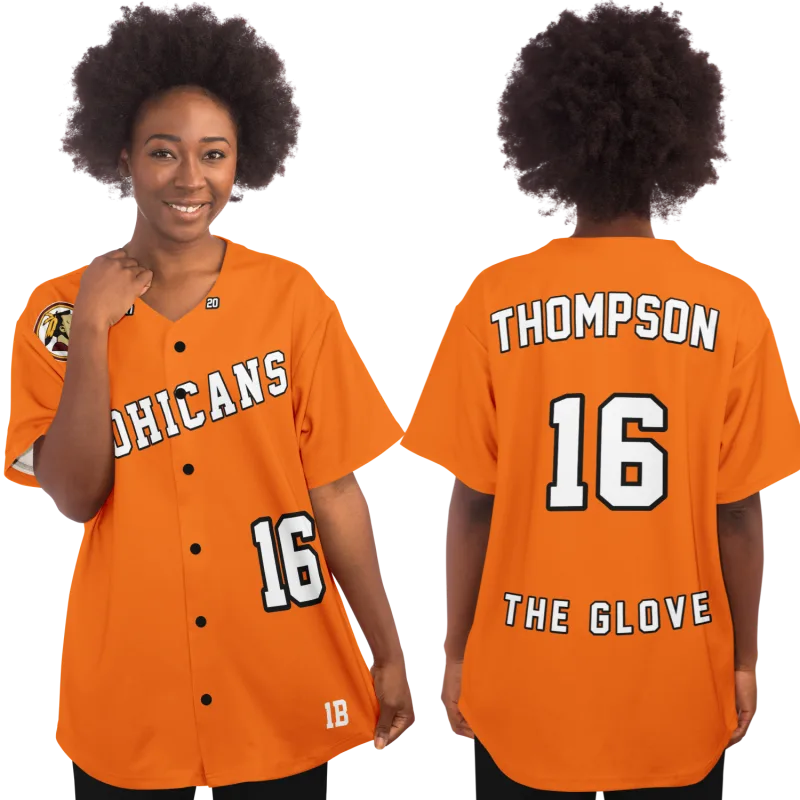
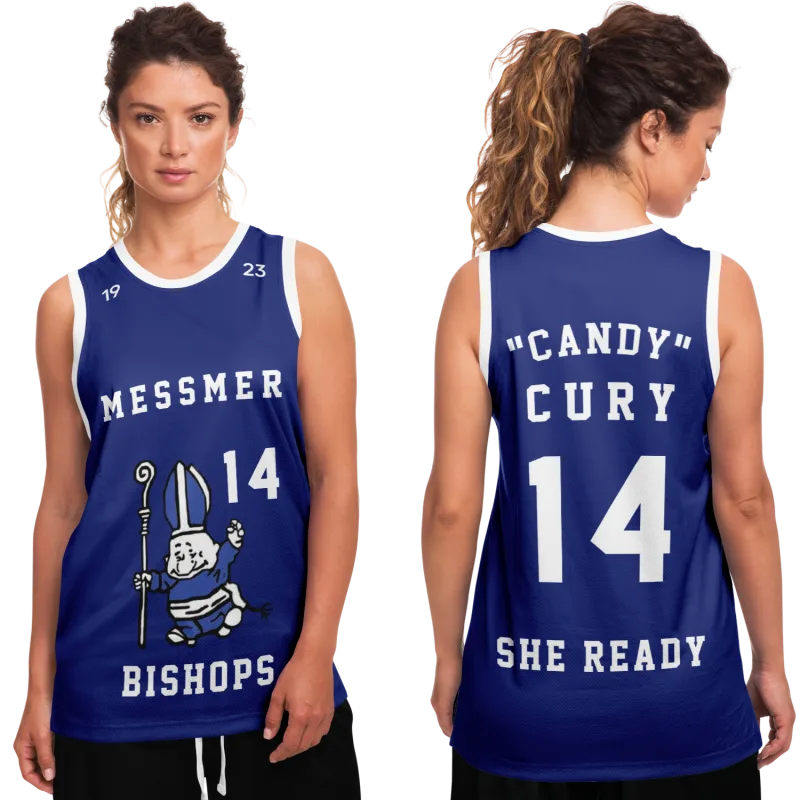
If yours is gone, that's not the end of the story. Plenty of former athletes in exactly your position rebuild theirs: a tribute to the original, in the colors they remember, with their number and their name on the back. It isn't a costume or a stranger's gear. It's yours, rebuilt from memory.
For the Ones Who Never Got the Jersey
Not everyone who competed got to keep the uniform. Some programs collected them at season's end. Some teams folded. Some people walked away from a sport before the last game and never got closure.
If that's you, tonight can still be a start. You don't need permission from the school, the league, or the old coach to put a number and a name together and say this is what I played for.
Dana R., 34, and the Softball Season That Ended Too Soon
Dana R. pitched for her junior college softball team in Texas until a shoulder injury ended her season, and her career, in the spring of her sophomore year. She never got a senior night. She never got the last jersey. "I just kind of... stopped," she said. Years later, scrolling at midnight on New Year's Eve, she realized she'd never closed the chapter. She built a custom jersey inspired by her old team colors, with her number, 12, and her last name stitched across the shoulders. "It wasn't about wearing it anywhere," she said. "It was about finally having a proper ending."
Not every ending needs a crowd. Some just need to exist.
What to Carry Into the New Year
When midnight comes and the noise rises, here's the thought worth holding: the season that was isn't gone. It's the foundation of everyone you've become since.
Think about what your playing days taught you. How to be coached when you didn't want to be. How to show up on a bad day. How to share credit and take blame. How to function inside something bigger than yourself. None of that expired when the final whistle blew. It's in how you parent, lead, argue, forgive, and try again.
Setting one intention that connects past to present
Instead of a resolution you'll abandon by February, try one intention that borrows from your athlete self. Something like:
- "I'll treat this year like a season: with a start, a plan, and a scoreboard I actually check."
- "I'll show up for the people around me the way I used to show up for teammates."
Notice what these do. They don't ask you to become someone new. They ask you to bring the old you forward. That's the real use of nostalgia: not escape, but fuel.
A Simple Plan for Midnight
If you want a concrete way to close out the year, here it is in three steps.
- Before midnight: Write down your three specific moments from the season you chose. Keep the paper.
- At midnight: Send one message to one teammate or coach. Don't overthink it.
- After midnight: Decide how you want to hold your career in the coming year, whether that's a framed photo, a rebuilt jersey, or a standing coffee with an old teammate. Pick one. Do it within the first week of January while the feeling is still warm.
That's the whole plan. It takes fifteen minutes and costs almost nothing. What it gives you is a way to let the feeling do something instead of just sitting there.
Your jersey is still out there waiting.
Design yours in minutes and see your name and number exactly the way you remember it.
Frequently Asked Questions
Why do I feel so nostalgic about sports on New Year's Eve?
New Year's Eve is a built-in moment of evaluation, and athletes are trained to evaluate in seasons, not calendar years. When the year turns, your mind reaches for the scoreboard it used to have. If you spent years measured by wins, stats, and records, the absence of that structure can make December 31 feel strangely hollow, even if life is going well. It's a normal response to leaving a world that gave you clear markers of progress.
Is it unhealthy to miss my playing days this much?
Not at all. Missing your playing days usually means the experience gave you something real: belonging, purpose, identity, and shared effort. The question isn't whether you miss it, but whether the missing keeps you from engaging with your current life. Healthy nostalgia coexists with a full present. If it starts to crowd out the present, talking to a counselor who understands athletic transitions can help.
How can I reconnect with old teammates after years apart?
Keep the first message small and specific. Mention a shared memory, such as a game, a road trip, or an inside joke, rather than a vague "we should catch up." Specific references give the other person an easy way to reply. Holidays like New Year's Eve are a natural opening because nobody finds a nostalgic message strange that night. Once the conversation restarts, suggest a call or a coffee within the following few weeks so the momentum doesn't fade.
What if I never got to keep my jersey?
You're far from alone. Many programs collect uniforms at the end of the season, teams fold, and gear gets lost over the years. You can rebuild a jersey from memory using colors inspired by your old team, your number, and your name. It won't be the original, but it can carry what the original meant, and for most people that's what they were actually missing.
Is it okay to wear my old number or jersey as an adult?
Absolutely. Plenty of former athletes wear their jersey to watch parties, charity games, reunions, and family events. It's a way of staying connected to a meaningful part of your life without pretending to still compete. Wearing it isn't about the past; it's about carrying the best of it forward.
How do I stop nostalgia from turning into sadness?
Give the feeling a task. Write down specific memories, contact someone from that era, or hold a physical reminder of it. Sadness tends to deepen when nostalgia stays vague and passive. Active remembering, where you do something with the memory, tends to turn the ache into gratitude. If the sadness persists beyond the holiday or interferes with daily life, it's worth speaking with a mental health professional.
What's a meaningful way to honor my athletic career?
Choose one lasting gesture rather than several small ones. Frame a favorite photo, reconnect with a teammate, rebuild a lost jersey, or coach a youth team. The best tributes are the ones you'll encounter regularly, so the career stays part of your daily life rather than a once-a-year memory.
See also: grieving the end of your athletic career | athletic identity after high school | why your senior season memories are so vivid | why high school sports gifts mean more than you think | how to find your old high school game film