



There's a moment, right around the time you first lace up your cleats on the concrete outside the locker room, when you realize this is different. Not different like a new school year. Different like something that actually matters. If you've ever tried to explain how to describe the first day of high school baseball practice to someone who wasn't there, you already know the problem: the words fall flat. "We ran. We threw. We took grounders." None of that captures it. None of it comes close.
This article does.
What follows is a masterclass in the specific sensory language of that day: the smells, sounds, textures, tastes, and sights that make the first practice of a high school baseball season unlike anything else in a young athlete's life. Whether you're a player who lived it, a writer trying to recreate it, a parent wanting to understand what your kid walked out of that afternoon carrying in their chest, or a coach who wants to honor it. These are the words.
The First Smell: New Leather and Cut Grass
Before you see anything important, you smell it.
The inside of a new batting glove has a smell that is specific and impossible to fake: a dense, warm, slightly chemical richness that sits at the back of the throat. It's not quite sweet and not quite sharp. It's the smell of something that hasn't been broken in yet, something that still has potential sealed inside the leather. Serious players will tell you they keep their glove close the night before the first practice, working in the oil, bending the fingers, and part of what they're doing (even if they'd never say this out loud) is holding onto that smell a little longer before the season takes it away.
The grass smell hits you differently.
Spring grass on a baseball infield has been sitting under frost or packed clay or nothing at all for months. The grounds crew has rolled it, watered it, maybe painted the baseline chalk already. When you step onto it for the first time in cleats, there's a clean, cold-earth smell that rises up — not the dry summer smell of an August field, but something greener and colder. Almost medicinal. It smells like the beginning of something — and the smell of the field is the one thing your memory holds onto long after the season ends.

And beneath all of it, if you're paying attention: the faint mineral bite of fresh chalk. The first base line. The batter's box. The pitcher's rubber. Someone laid those lines this morning, and if you get there early enough (before forty cleats have blurred them into memory) they're still crisp and white and exact. The smell of chalk on spring dirt is the smell of everything still being possible.
The Sound of a First Practice: Pops, Chatter, and Silence
The first sound most players remember from the first practice is the pop.
Not their own first throw. Someone else's: someone across the field whose arm is already warm, whose fastball is already cutting, whose catcher is already giving it back with that flat two-handed smack. That sound travels. On a still spring afternoon with no crowd and no scoreboard and no pressure yet, the pop of a baseball hitting leather is the clearest sound on the field — the one sound that, together with the crack of the bat, you'll still be able to hear years from now.
Then the chatter starts.
There's a specific kind of nervous chatter that only happens on the first practice of a new season with a team that isn't fully comfortable with itself yet. It's half actual baseball communication ("I got it," "yours," "heads up") and half something else entirely. Kids filling silence. Demonstrating that they belong here. A sophomore trying to sound casual next to a junior who's been on this field before. Someone laughing too hard at something that wasn't that funny. A first baseman calling over to no one in particular, just to hear his own voice settle into the outfield air and come back to him as proof that he's really here.
Listen closely enough and you can hear the hierarchy forming in real time.
There's also the silence. The gap between when the coaches walk out of the dugout and when anyone speaks. Twenty or thirty players in a loose semicircle, cleats in the grass, hats pulled low, nobody quite sure whether to make eye contact with the coach or look somewhere safer. That silence has a texture. It's not comfortable and it's not hostile. It's the held breath of a team that doesn't know what it is yet.
A coach's voice cutting through that silence, the first sentence of the first team meeting of the season, lands differently than anything those players will hear for the rest of the year.
The Feel of the First Practice: Cleats, Blisters, and Muscle Memory
The feel of the first day starts in your feet.
Cleats that haven't been worn since October have stiffened. The break-in process starts over. On concrete, they're just loud: that familiar clatter of metal or molded rubber on pavement that announces to everyone in the parking lot that baseball players are arriving. On the grass, they grip differently than you remember, slightly more than turf, slightly more than dirt. Your ankle rolls slightly as you plant on an uneven patch, and your body remembers something your conscious mind had almost forgotten: this is a sport that happens on an uneven surface, and your body has to recalibrate.
Your throwing arm is the next thing you feel.
Even if you've been playing catch in the driveway since February, the first official throw of the season carries a particular kind of weight. Not heavier than the throw itself — heavier in intention. You're being watched. Maybe not by a coach who's writing anything down, but by teammates who are already forming opinions. That first throw travels maybe sixty feet. It either has carry or it doesn't. The rotation either looks right or it doesn't. And your shoulder will tell you, about three seconds after release, whether it was ready or whether it was lying to you.
The first batch of grounders is where muscle memory either shows up or it doesn't.
There's no good way to describe what it feels like when a hard grounder takes a bad hop off hard clay and catches you in the heel of the glove instead of the pocket, except to say that everyone on the field knows exactly what happened without looking. The sound is different. The throw that follows is a little off. And the player moves on immediately, already resetting his feet, already pretending it was nothing, because that's what you do on the first practice: you absorb the failure and keep moving, because this team is still deciding what kind of player you are.
And yet, years later, that first step into the batter's box is the feeling that stays — the one your body remembers even when the rest of the day has gone fuzzy.
The Taste and Time of It: Sunflower Seeds, Water Breaks, and the Clock
Nobody talks about how the first practice tastes.
Sunflower seeds are the official flavor of high school baseball. Not because anyone decided this, but because every dugout in every program in every town has a teammate who shows up on Day One with a bag in his back pocket and splits them with whoever's nearby. The salt hits the inside of your cheek. You split the shell with your teeth without thinking about it (a skill that took an entire middle school career to develop) and you spend the next thirty seconds working the seed free before spitting the shell somewhere that isn't your own shoe.
The water break is its own specific experience. A squeeze bottle that's been in the equipment bag since last fall. Ice water from a cooler that someone's mom dropped off before practice. The specific metallic taste of a water fountain near the outfield fence that everyone uses because no one wants to walk all the way to the fountain inside. The first workout with a new team involves a hundred small negotiations like this — who gets the best spot in the shade, who goes first at the water, who gets the loaner batting helmet because they forgot theirs.
Marcus T., 17, a shortstop from central Ohio, remembers the first practice of his sophomore year as the one where everything clicked — not because he played well, but because of a water break. "I was standing next to a junior I'd never talked to, and we were both out of breath, and he just handed me his water bottle without saying anything. After that I felt like I was on the team."
That's the taste of the first practice: the slow accumulation of small moments that don't mean anything individually and mean everything together.
The Light and the Look of It: Late Afternoon, Long Shadows, and What the Field Tells You
The first practice of a high school baseball season almost always happens in that specific quality of late afternoon light that photographers call golden hour and baseball players just call "before it gets cold again."
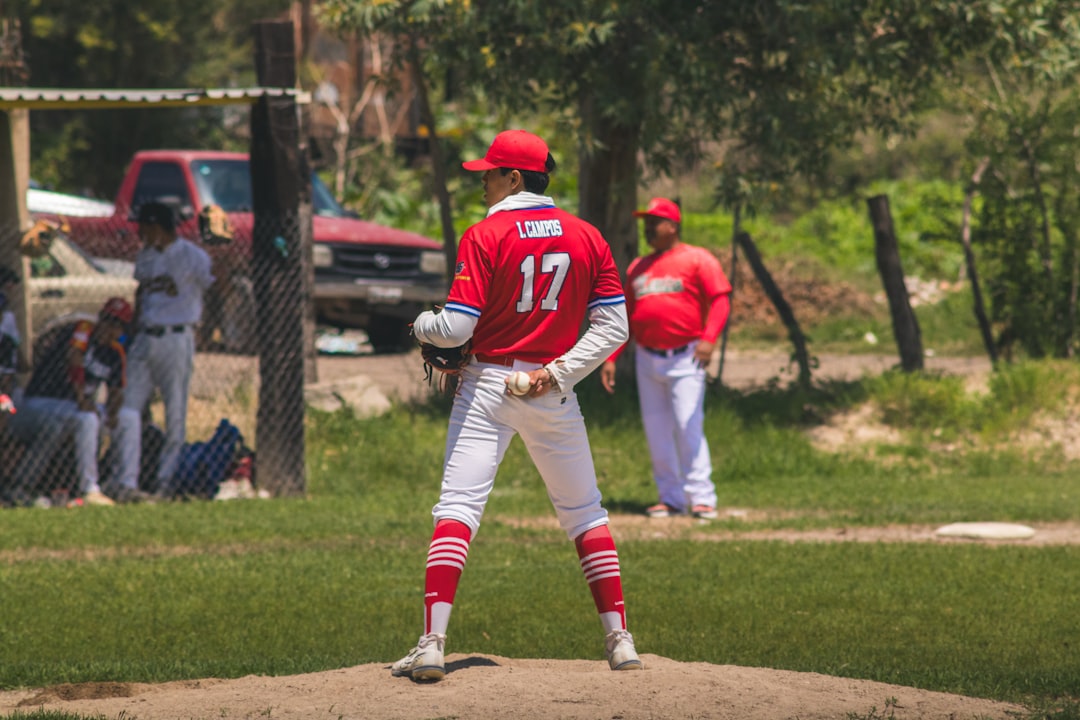
The sun is still high enough to warm your forearms when you face west, low enough to throw shadows across the infield dirt that make it look longer than it is. The bases are bright white against the dirt — someone put out fresh bags, and they'll stay that way for exactly this practice before the season's use starts to gray them. The pitcher's mound looks different from the outfield than it does from sixty feet six inches. From center field, it looks small. A low rise in the infield. From the batter's box, it looks like the most important piece of real estate in the world.
What the field tells you, on the first day, is what kind of program you're in.
A field with sharp chalk lines, a dragged infield, clean bases, and a level mound tells you someone cared enough to prepare it. That information transfers directly to the players. A field that's been neglected — loose base paths, overgrown foul territory, a mound that's been rained out and dried and never re-packed — tells a different story. Players read the field before they read the coach. The senses of baseball practice begin the moment you pull into the parking lot and see whether this program takes itself seriously.
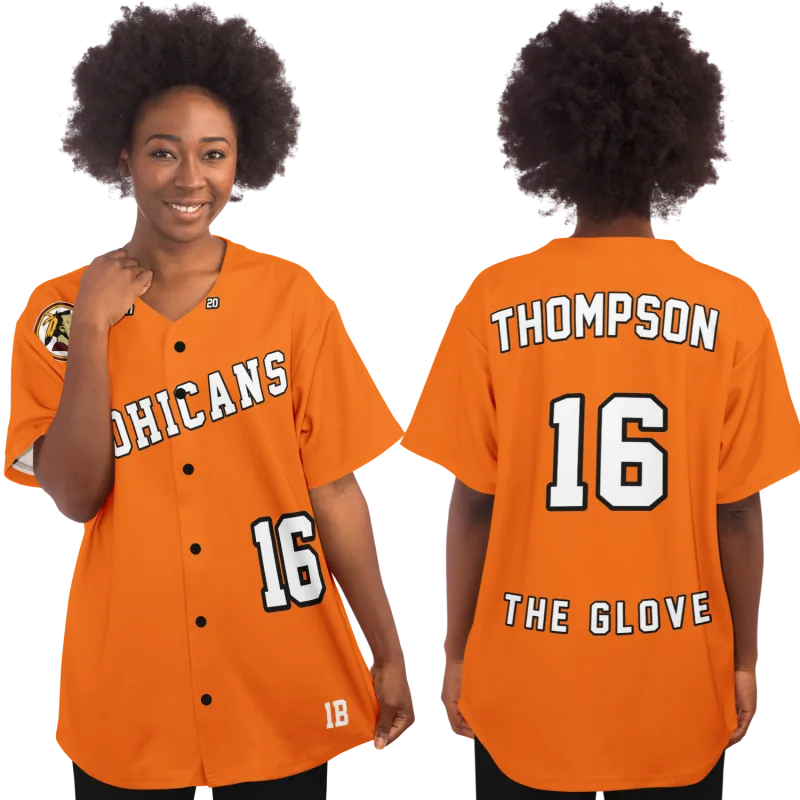
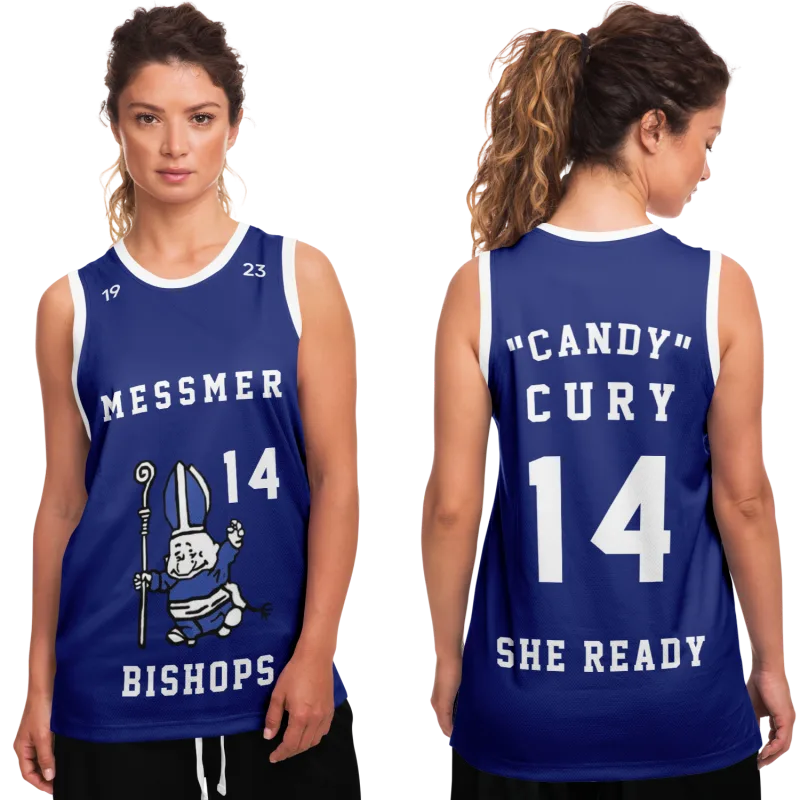
The locker room is its own visual experience. Somewhere between the smell of mildew and old rubber and someone's cologne, there's a jersey hanging in a locker — maybe your jersey, or the jersey of whoever had your number last year — and you look at it for a second longer than you need to. That number. Your name above it, or the name of someone who graduated. The uniform is the formal declaration that this is real, that you made the team, that this particular chapter of your life is beginning right now.
Your jersey is still out there waiting.
Design yours in minutes and see your name and number exactly the way you remember it.
Frequently Asked Questions
What does the first day of high school baseball practice actually feel like?
It feels like controlled nervous energy — a mix of excitement, physical discomfort from re-warming an off-season arm, and the social pressure of proving yourself to a new team. Most players describe the first practice as simultaneously too fast (drills move quickly, there's a lot to absorb) and too slow (every moment feels magnified by the awareness that impressions are being made). The dominant physical sensations are the grip of fresh cleats on spring grass, the sting of the first hard throw, and the warmth of the first real workout after months away from the game.
What are the most powerful sensory details to describe a baseball practice?
The details that land hardest in writing about baseball practice are the ones specific to the sport: the pop of a pitch hitting a catcher's mitt, the smell of new glove leather and chalk-marked dirt, the salt of sunflower seeds, the visual contrast of white bases against infield clay, and the sound of cleats on concrete before the team reaches the grass. According to experienced baseball writers and coaches, the most emotionally resonant details are not the big moments — they're the micro-textures that only someone who's lived them would think to name. Design your own — custom baseball jerseys.
How should a writer or player approach describing their first high school practice?
Start with the senses in order of immediacy: what did you smell first, hear first, feel in your hands and feet. Then work toward the social details — the nervous chatter, the water breaks, the first time you made someone laugh or made an error in front of teammates. The craft of sensory sports writing depends on specificity: not "the field smelled like spring" but "the mineral bite of fresh chalk over cold clay." Avoid abstractions. Every generalization about what practice feels like should be traded for the one specific detail that carries the whole feeling inside it.
What's the difference between describing a first practice and describing any other practice?
The first practice carries weight that subsequent practices don't. It's the day when everything is still unknown — team chemistry, the coach's standards, a player's own physical condition after the off-season, the social hierarchy. Subsequent practices happen inside an established context. The first practice IS the context being established. Describing it well means capturing not just what happened, but what was at stake beneath everything that happened — which is why the nervous chatter, the held-breath silences, and the small moments of connection carry so much weight when they're written down.
What do coaches notice on the first day of high school baseball practice?
Experienced coaches consistently report that Day One tells them more about a player's attitude than their ability. They watch for who arrives early, who communicates on the field, how players handle the first mistake (whether they reset quickly or carry it into the next play), and who they're already gravitating toward socially. The physical evaluation — arm strength, footwork, bat speed — is secondary to the behavioral one. From a descriptive standpoint, this means the most interesting action on the first practice isn't in the drills. It's in the gaps between them.
See also: what high school sports really teach you | why those early memories stay with you so clearly | the identity that forms the moment you put on a uniform | why those high school sports moments still matter so much to adults