

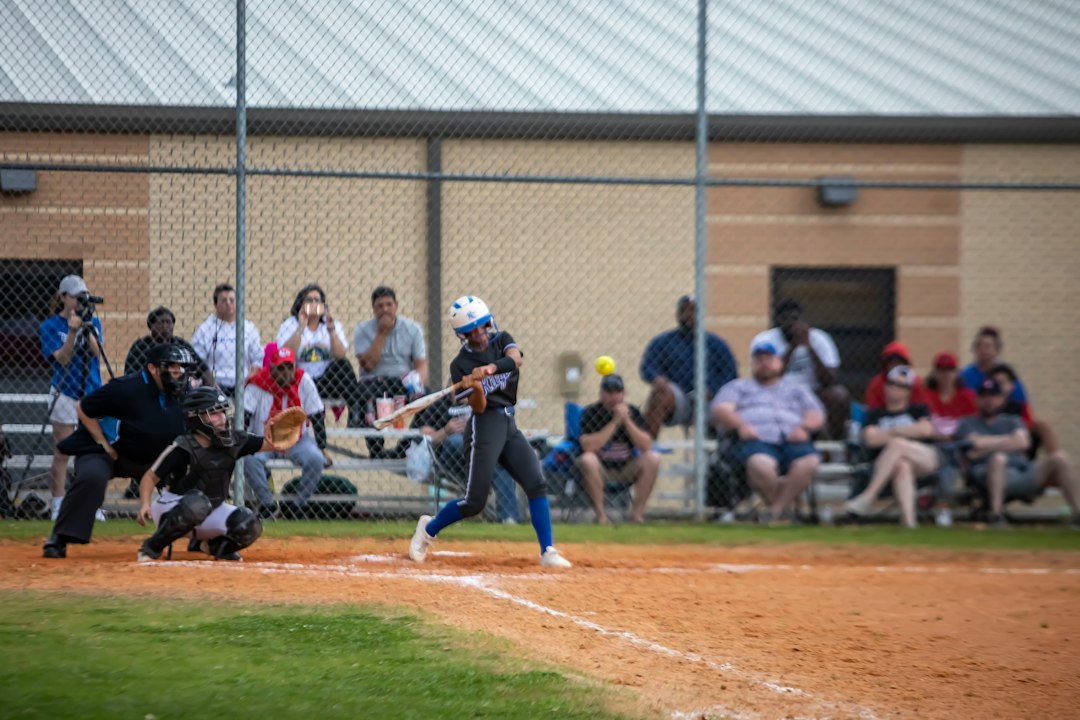
The season ended years ago. For some of you, it ended a decade back. For others, longer than that. But the sound didn't go with it — that sharp, metallic crack that belongs to exactly one place on earth. Not a major league stadium with forty thousand people and a broadcast crew. Not a college diamond with scout cameras behind home plate. A high school field. Dew still on the grass at first pitch. A chain-link backstop. Aluminum bleachers that rattle when the wind picks up. Maybe thirty, forty people in the stands, half of them parents. That sound. The sound of the bat, sports memory, and the specific way those two things bind into something your brain carries long after your cleats are in a closet somewhere.
If you've tried describing it to someone who wasn't there, you already know the conversation ends the same way: it's just different. And then you move on because there's no clean way to explain it.
This is the explanation.
The Crack Isn't the Same Sound — And Your Brain Registered the Difference
Start here, with the physics, because the physics matter more than most people realize.
The sound a high school metal bat makes when it meets a baseball is not the same acoustic event as a wood bat connecting in a professional stadium. This isn't about perception or nostalgia coloring the memory. The sounds are objectively, measurably distinct.
A wooden bat produces a lower-frequency impact — that full, dense thwack that radio broadcasters have been describing as "the sound of the game" for a century. A metal bat, and specifically the aluminum and BBCOR alloy barrels used in high school play, produces a sharper, higher-frequency crack with a metallic sustain on the tail end. The duration of ball-to-barrel contact differs. The vibration transfer through the handle differs. And the acoustic environment of a high school diamond — open outfield gaps, no stadium walls to bounce sound back, a small crowd that doesn't absorb frequencies the way a full stadium does — means the crack travels differently, decays differently, lands differently in the ear.

Your brain didn't simply hear a bat hit a ball. It encoded a specific acoustic fingerprint.
And it encoded that fingerprint during a stretch of your life when your brain was operating in a way it will never quite operate again.
Why the High School Years Stay Louder
Neuroscientists have a name for the pattern — the reminiscence bump — the well-documented finding that autobiographical memories formed between roughly ages 10 and 25 are retained more vividly and accessed more easily than memories formed at any other point in a typical lifespan. Two factors drive it, and they work together.
The first is novelty. During adolescence and early adulthood, a disproportionate number of experiences are happening for the first time. First game-winning hit. First time earning the starting spot. First time a coach said something in the dugout that you're still thinking about twenty years later. The brain assigns elevated memory priority to novel, emotionally charged experiences — and high school athletics are unusually dense with exactly that combination.
The second factor is identity formation. Adolescence is the period when the self is being actively built — tested, revised, sometimes torn down and rebuilt. The experiences that happen during identity construction don't simply become memories in the ordinary sense. They become constitutive. They become part of the story you carry about who you are, where you come from, what you're made of. The sensory details present during those moments get encoded as part of the package.
The crack of the bat during your high school season was present at some of the most identity-shaping moments of your adolescent life. Your brain didn't file it away as background noise. It stored it as signal — a sensory marker fused to moments that genuinely mattered.
What Baseball Auditory Memory Actually Describes
When people talk about baseball auditory memory in a general sense, they tend to mean the pleasant atmospheric sounds of the game — the pop of a catcher's mitt, the ambient chatter from the dugout, an umpire's call echoing across an empty field, the organ music at a ballpark on a summer evening. Those sounds carry real emotional weight and they earn it.
But the specific memory we're examining here is more precise than atmosphere. Researchers who study sensory-emotional binding use the term trigger sound to describe an audio cue that, when encountered, activates not just a feeling but an entire episodic memory cluster — visual detail, physical sensation, smell, emotional context, the specific proprioceptive memory of what your body was doing in that moment.
This is why you don't simply remember the crack of the bat. You re-enter it. Your brain isn't playing back a recording. It's unlocking an entire encoded experience — the grip pressure in your hands, the angle of light on the infield, what the count was, who was pitching, what was at stake, who was watching from the bleachers.
The sound is the key. The memory is the room.
High school baseball concentrates this effect because the sounds of a baseball game at that level are so particular, so close, so unmistakably yours. The bleachers ring at a specific pitch when someone stomps. The PA system — if your field had one — carried a specific static quality. The infield chatter was close enough to parse word by word. The dugout had a smell that existed nowhere else: sunflower seeds, pine tar, synthetic turf, whatever brand of batting gloves your program handed out. All of it encoded together. The crack of the bat is the loudest note inside a sensory chord your brain spent four years memorizing.
Marcus T., 34, still hears it on cold April mornings.
Marcus played second base for three years at a mid-size high school in central Ohio. He works in supply chain management now and coaches his son's Little League team on weekends. He told us that in early spring, he'll be driving to work and catch the temperature — that specific 48-degree quality of an April morning that's cold enough to see your breath but warm enough to know winter is finally over — and before any visual memory surfaces, he hears it. The crack off the first batter during warmup swings. The way it carried across an open field in cold air. "I don't see it coming," he said. "It's just there. And then I'm seventeen again for about four seconds before the light changes and I'm back in traffic."
He's not an outlier. The pattern holds across sport after sport and decade after decade. He's the norm.
Why the High School Version Is the One That Lasts
Here is the part that most articles about the sounds of a baseball game walk past entirely: the professional experience, for most people who grew up playing, produces appreciation. You sit in the stands at a major league park and you are a witness. The sounds are beautiful and you remember the atmosphere fondly.
High school baseball made you a participant.
That distinction does more neurological work than it might appear to. Memory research consistently shows that experiences in which we are active agents — competing, deciding, failing, succeeding, caring deeply about the outcome — are encoded with greater emotional intensity and more precise sensory specificity than experiences in which we are passive observers. The game you watched from Section 114, Row J is a good memory. The game you played in is a you memory. It lives in a different part of the brain and it is retrieved by different triggers.
The crack of a metal bat when you were the one stepping into the box — or waiting in the on-deck circle, or tracking a hit from your position in the field — was attached to something your entire nervous system had skin in. Adrenaline was already present. Attention was already maximally focused. Those are the precise neurological conditions under which sensory memories form at their most durable.
A major league broadcast can recreate the ambient soundscape of baseball. It cannot recreate the specific acoustic texture of your field, your team, your season, on your body at the age when you were still figuring out who you were.
That's the reason why the high school version hits differently. Every single time.
The Sounds That Encode Most Deeply
Not every sound from four years of high school baseball lands with equal weight in long-term memory. In our experience talking to former players across multiple sports and age brackets, the sounds people describe most vividly cluster into a consistent pattern — and the pattern tells you something important about how the encoding actually works.
Sounds attached to personal stakes:
- The crack of a hit you made — or the crack of the one you didn't
- The pop of the catcher's mitt on a called third strike, in either direction
- The crowd noise spike that told you something significant had just happened before your conscious mind caught up
Sounds that built shared identity:
- The specific dugout chants your team and only your team used
- Your coach's voice, from any distance, saying your name
- The walk-up music your program settled on for that particular season
Sounds that marked beginnings and endings:
- The umpire's call to open the first game of the season
- The final out — not what happened after, but what it actually sounded like in that specific moment
The thread running through all of it is meaning-at-the-moment-of-encoding. Your brain was not cataloguing sounds the way a microphone does. It was cataloguing what those sounds meant in real time. The crack that unlocks a full episodic memory is the crack that was present when something was genuinely at stake, when you were paying attention with your entire body, when the outcome mattered enough that your nervous system was completely switched on.
What to Do With a Memory This Durable
There's an honest question underneath everything in this article, and it's worth naming: what do you actually do with this? The season is over in every literal sense. You're not seventeen. But the auditory memory doesn't have an expiration date, and the emotional access it provides isn't simply nostalgia for its own sake — it's something that functions.
Research on nostalgia accumulated over the last fifteen years has substantially rehabilitated it from "sentimental self-indulgence" to "functional psychological resource." Accessing positive nostalgic memories consistently increases present-day feelings of social connectedness, personal meaning, and forward optimism. The crack of the bat surfacing on a Tuesday morning commute isn't making you sad because it's gone. It's doing something useful: reminding you that you were part of something real, that you were genuinely present for something that mattered.
Two things tend to happen with people who lean into this rather than deflecting it:
- Active reconstruction — finding the sounds again intentionally. High school games in April where you're in the bleachers now. A Little League diamond on a Saturday morning. Some former players keep a metal bat accessible specifically because taking a few swings and hearing that specific ring unlocks something nothing else in their adult life quite touches.
- Intentional return — letting the memory complete itself when it surfaces instead of pushing past it. When the crack arrives uninvited — on a cold morning, hearing a neighbor's kid in the backyard, catching a spring broadcast — following it back to the full memory it's attached to and spending a few deliberate seconds actually there.
Neither requires anything complicated. Both require treating the memory as the genuine resource it is, rather than a distraction from whatever was next on the agenda.
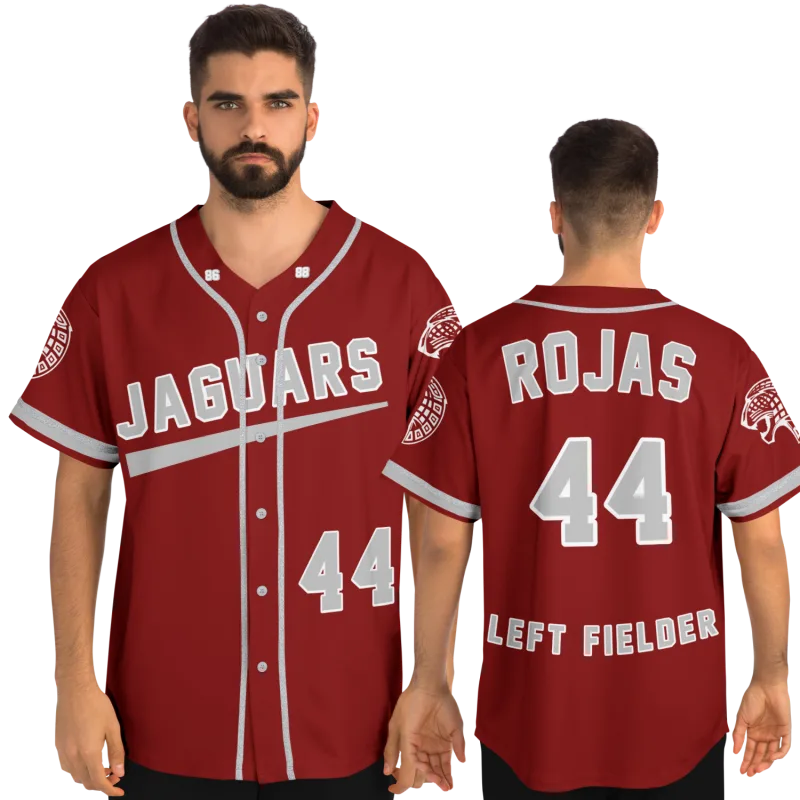
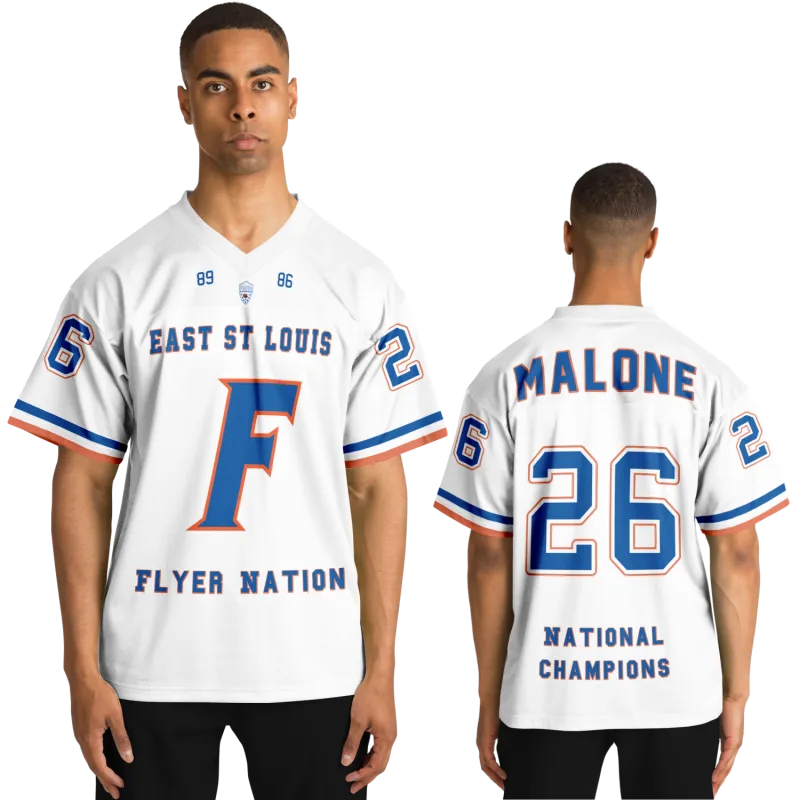
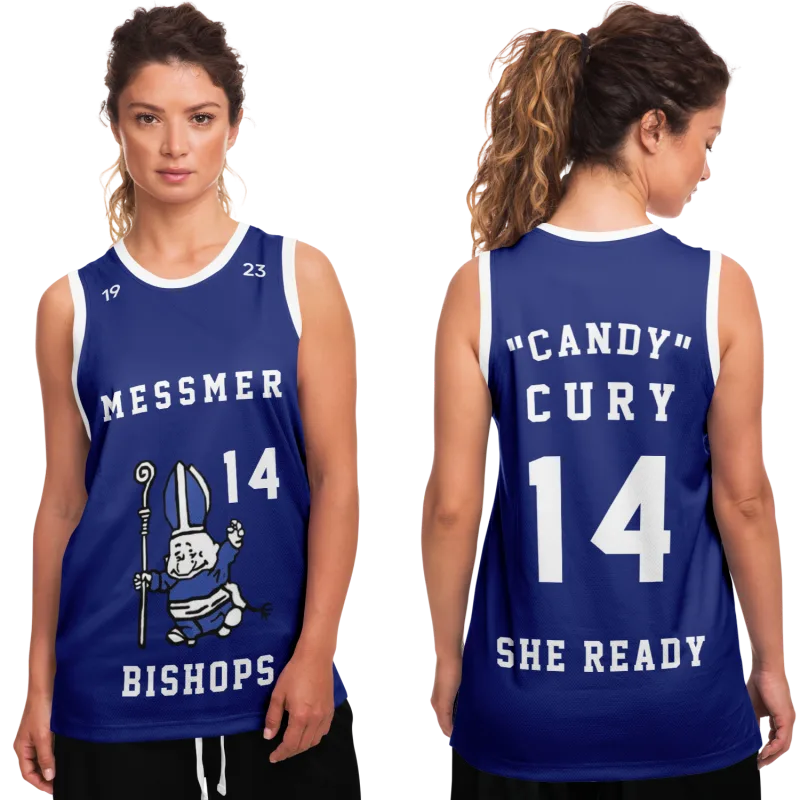
Your jersey is still out there waiting.
Design yours in minutes and see your name and number exactly the way you remember them — a tribute to the seasons that shaped you.
Frequently Asked Questions
Why do I still hear the crack of the bat so clearly even though I haven't played in years?
The sound was encoded during a period of unusually high neurological and emotional significance — adolescence, during active identity formation, in situations where personal stakes were real and your nervous system was fully engaged. Sounds present during high-arousal, emotionally meaningful events are stored with exceptional vividness and long-term durability in autobiographical memory. The crack of the bat wasn't ambient noise during your high school career. It was the sensory foreground of some of the most formative experiences of your life. That kind of encoding doesn't degrade the way ordinary memories do.
Is the sound of a metal bat actually different from a wood bat, or does it just feel that way in memory?
It is genuinely, acoustically different — not a trick of memory or perception. Metal and composite bats produce a higher-frequency impact sound with a distinctive metallic sustain that wood bats don't generate. The duration of ball-to-barrel contact differs between the two materials. The vibration transfer through the handle is different. And the open-air acoustic environment of a high school diamond — no stadium walls, smaller crowd, different ambient noise floor — means the sound decays differently than it does in a professional venue. Your brain encoded a specific acoustic fingerprint. The distinction you remember is real.
Do other high school sports create the same kind of auditory nostalgia trigger?
Yes, though the specific sounds vary. The squeak of sneakers on a gymnasium floor during a close fourth quarter. The particular thud of a football on a cold Friday night under lights. The starter's pistol at the beginning of a track meet. The pattern is consistent across sports: sounds that were present during high-stakes, identity-forming moments in late adolescence encode with unusual durability and serve as retrieval cues for full episodic memory clusters long afterward. Baseball and softball may be especially rich sources of this effect because the game contains natural pauses where auditory detail is foregrounded — the crack of the bat is isolated in relative quiet between pitches, which makes it more acoustically salient and more precisely encoded than sounds embedded in continuous ambient noise.