



You've sat in a meeting where someone described a tight deadline as a "crisis." You smiled — not because you were dismissive, but because you've been in an actual crisis. Fourth quarter. Two points down. Crowd noise so loud you couldn't hear the play call. And you executed anyway.
Using sports mindset in your career isn't a motivational poster concept. It's a legitimate cognitive and behavioral advantage: one that most former athletes either undersell on a résumé or fail to translate into language that corporate environments understand and reward. This guide exists to close that gap. Not with generalities, but with five specific, direct translations from what you did on the field, court, or pool deck to what you can do in a boardroom, a Slack thread, or a performance review.
One thing worth being clear about up front: the instincts that carry over from the field to the office are more specific than most people think, and knowing which ones actually transfer changes how you tell your own story.
If you played, at any level, you already have the wiring. What follows is the instruction manual for using it.
1. You Already Know How to Perform Under Pressure — Now Name It
Every athlete has a pressure-performance history. The question is whether you've ever articulated it in a way that a hiring manager or team leader can recognize and value.
Here's the distinction that matters: most professionals experience pressure. Athletes have trained in it. That is a fundamentally different relationship with stress, and it produces a fundamentally different behavioral response when things get hard at work.
What This Looked Like in Sport
Think about the last high-stakes moment you competed in. Your heart rate was elevated. There was a consequence attached to the outcome: a championship, a starting spot, a personal record. You had prepared for it. And when the moment arrived, your preparation kicked in and you performed anyway, maybe not perfectly, but you performed.


That's not luck. That's a trained stress response. Research from the American Psychological Association distinguishes between "eustress" (the performance-enhancing arousal athletes learn to channel) and the debilitating distress that derails people who haven't been trained to compete under pressure.
How to Apply It at Work
The workplace equivalent of a high-pressure moment looks different (a critical client presentation, a layoff announcement, a product launch going sideways) but the cognitive mechanics are identical. Your training gave you three specific tools that most of your non-athlete colleagues don't have:
- Routine anchoring: the pre-competition routine that quieted your nervous system works the same way before a high-stakes meeting. Develop a pre-presentation ritual: same breathing pattern, same physical setup, same mental cue.
- Process focus over outcome fixation: in sport, coaches drill this constantly. Focus on what you can control: your preparation, your execution, the next play. In the office, when a project is derailing, the athlete brain asks "what's the next correct action?" rather than spiraling on the outcome.
The actionable workplace scenario: The next time a deadline compresses or a stakeholder escalates, write down three things within your direct control in the next two hours. Execute those three things before you respond emotionally to anything. This is exactly what your coaches taught you — and it works in every professional environment that has ever existed.
2. Losing Taught You More Than Winning Did — Use That
Nobody talks about this enough in the career guide for former athletes conversation: your losses are your most transferable asset.
Winning confirms what's already working. Losing, when processed correctly, reveals the gap between where you are and where you need to be, and demands a response. The athletes who built the most durable careers, at any level, were the ones who treated a bad loss as a diagnostic tool rather than a verdict.
The Athletic Frame for Failure
The athletes who struggle most in professional environments after their playing days aren't the ones who didn't win enough. They're the ones whose athletic identity was built entirely on winning — who never developed a productive relationship with failure because they were talented enough to avoid it most of the time.
The athletes who thrive professionally are the ones who lost hard and came back. Because they already know what that process feels like from the inside.
What Resilience Actually Looks Like in Practice
Jenna M., 34, played Division I volleyball and spent two seasons as a backup setter before earning her starting spot as a junior. She credits that backup period, not her starting seasons, with the professional resilience she's relied on as a product manager navigating two startup failures. "Sitting the bench taught me how to stay locked in and keep improving when the outcome wasn't in my control," she says. "That's basically a job description for early-stage product work."
The transferable skill from sport to work here isn't "I can handle failure." It's more specific than that:
- You know how to debrief a loss without personalizing it beyond what's useful. Athletes who've had good coaches know how to watch film, identify what went wrong at the process level, and correct it, without letting the loss become an identity.
- You know that recovery has a timeline. A bad quarter isn't the end. A missed promotion isn't the end. You've been in positions where the situation looked irretrievable at halftime and you came back. You carry that proof with you.
- You know how to show up the next day. This sounds obvious until you've watched someone without athletic experience spiral for weeks after a professional setback. Athletes show up the next day. That's been drilled in since the first preseason.
The actionable workplace scenario: After any significant professional setback (a failed pitch, a missed metric, a project cancellation) run a structured debrief before you move on. What was in your control? What wasn't? What one thing would you do differently? Write it down, then close the file. That's how your coaches processed a loss, and it works exactly as well in a post-mortem meeting as it does after a game.
3. Being Coachable Is a Superpower That Most Adults Have Lost
Here's something the benefit of being a former athlete at work doesn't get enough credit for: you've been taught to receive feedback as information rather than as an attack.
Most adults, especially adults who are good at their jobs and have built professional confidence, develop a defensive relationship with criticism. It threatens their self-image. It triggers justification reflexes. It rarely produces direct, rapid behavior change.
Athletes are different. Or at least, athletes who survived competitive environments are different. They learned, through repetition, that feedback from a coach is data to be used, not a verdict to be argued.
The Coachability Advantage
This doesn't mean athletes are passive or lack conviction. The most coachable athletes are also the most confident ones, because they've learned to separate their self-worth from any single performance or criticism. Feedback doesn't threaten them. It informs them. They can hear "your footwork in the third set was breaking down" without hearing "you are a failure."
That separation, between performance feedback and identity threat, is one of the rarest and most valuable cognitive skills in any professional environment. Managers notice it immediately. Leaders develop it intentionally in the people they want to promote.
Four Ways Coachability Shows Up at Work
- You ask for feedback proactively: not waiting for a performance review, but soliciting it mid-project when there's still time to adjust.
- You don't argue in real time: athletes learn early that challenging the coach in the moment costs you playing time. You listen, process, and if necessary, engage in a constructive conversation later. That discipline is worth its weight in professional relationships.
- You implement before you evaluate: coachable athletes try the adjustment before deciding whether it works. Non-coachable professionals spend the adjustment period internally critiquing the feedback rather than implementing it.
- You credit the feedback when it works: "I adjusted based on what [manager] said and here's what changed." This is a career-accelerating behavior that former athletes do naturally because they've spent years crediting coaches for adjustments that produced results.
The actionable workplace scenario: At the end of your next project, before you submit the final deliverable, send your manager or a trusted colleague this exact message: "Before I finalize this, is there one thing you'd change?" Then implement the feedback without negotiation. Do this three times and watch how the relationship shifts.
4. Team Dynamics Are Your Native Language — Translate Them
Individual performers exist in every sport. But even in individual sports (swimming, wrestling, tennis) athletes train in environments of shared accountability, where the culture of the program shapes individual performance. Team dynamics are something athletes live inside from an early age.
The professional world talks about teamwork constantly and practices it inconsistently. Former athletes often experience a jarring gap: the intense, accountable team culture they knew in sport rarely exists in its pure form at work. But the athletes who thrive professionally don't mourn that gap — they close it, wherever they land. That closing act is what translating team culture to the workplace looks like in practice, and it's a skill you can build deliberately.
What You Learned About Teams That Your Colleagues May Not Know
You know what it's like to have a role that isn't the starring role, and to execute it with full commitment anyway. You know that a team's chemistry is fragile and that one person's attitude can shift the entire group's performance. You know the difference between a teammate who makes everyone better and one who only performs when the spotlight is on them.
These are not abstract concepts for you. You've lived them.
Translating Team Instincts to Professional Environments
The transferable skills from sport to work in the team dynamics category are some of the most immediately applicable:
Accountability language. Athletes speak directly about performance: to each other, in film sessions, after losses. Most professional environments avoid this directness in the name of politeness, and suffer for it. Former athletes can introduce accountability language in ways that feel natural rather than aggressive: "What would we need to change to get a different result next time?" instead of "here's what went wrong."
Role acceptance as a competitive strategy. In sport, you learned that accepting and owning your role, even if it wasn't the most glamorous one, made the team better and ultimately advanced your own position faster than campaigning for a different role. That lesson applies with identical force in professional settings. The colleague who owns their lane completely and makes everyone around them better gets noticed. The one who spends energy angling for someone else's role gets labeled as a distraction.
Reading the locker room. Athletes develop acute social awareness: they know who's struggling, who needs encouragement, who needs a challenge, who needs to be left alone before a competition. This emotional intelligence, developed through years of team environments, is a direct professional asset in managing relationships, navigating conflict, and building the informal influence that precedes formal leadership.
The actionable workplace scenario: In your next team meeting, consciously assign yourself a role: not "contributor" in the abstract, but a specific function: the one who asks the clarifying question no one else will ask, the one who makes sure quieter voices get heard, the one who calls the group back to the core problem when the discussion drifts. Play that role deliberately. Athletes don't show up to practice without knowing their assignment.
5. Long-Term Preparation Is Your Default — Most Professionals Don't Have It
Athletes live in seasons. There's an offseason, a preseason, a season, and a postseason, and each phase has a specific purpose in the preparation arc. You have spent years thinking in longer time horizons than most of your professional peers.
This is not a soft advantage. It is a structural cognitive difference in how you approach goals, timelines, and investment in future performance.
The Long-Game Mentality in Sport
Think about how an athlete prepares for a major competition months out. The training plan is periodized: specific phases building specific physical and technical capacities in the correct sequence. There is delayed gratification built into every week: the work you do today will not produce results today. It will produce results in month four. You train accordingly.
This is the mindset that elite coaches build. And it is almost entirely absent from most professional environments, where quarterly pressure and immediate deliverables dominate the planning horizon.
What This Means in Your Career
The former athlete who carries a long-game mentality into their career does a specific set of things differently:
They invest in skill development that won't pay off for twelve to eighteen months, because they understand training cycles. They build professional relationships before they need them, because they've learned that you build your support network in the offseason, not during the championship run. They take entry-level roles in new domains without panic, because they've experienced the preseason, the phase where you're doing foundational work that doesn't look impressive yet but is non-negotiable for peak performance later.
That long-game instinct didn't start with your first job — it traces back to a high school work ethic that became your life's blueprint long before anyone put it on a job description.
The actionable workplace scenario: Map your career in a four-phase structure borrowed from sport: Where are you right now: offseason, preseason, in-season, or postseason? Offseason means you're between major roles or initiatives and building capacity. Preseason means you're in a new role, learning the fundamentals, accepting that output will lag investment for a while. In-season means you're executing at full capacity. Postseason means you're consolidating, reflecting, and planning the next cycle.
Once you know your phase, you know what the work of the next three months actually is. That clarity is something most professionals never develop, because they were never taught to think in seasons.
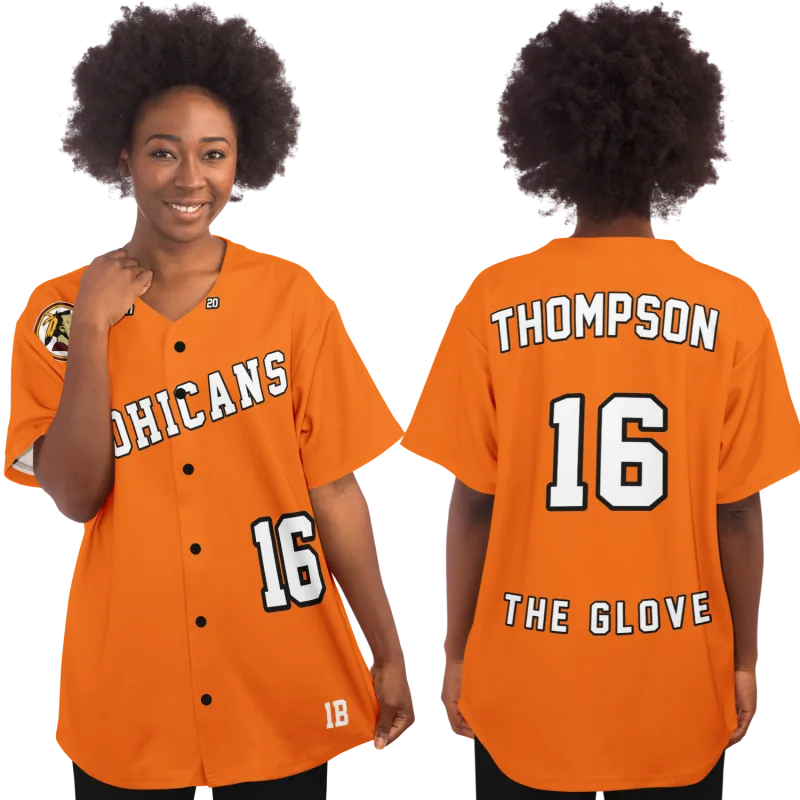
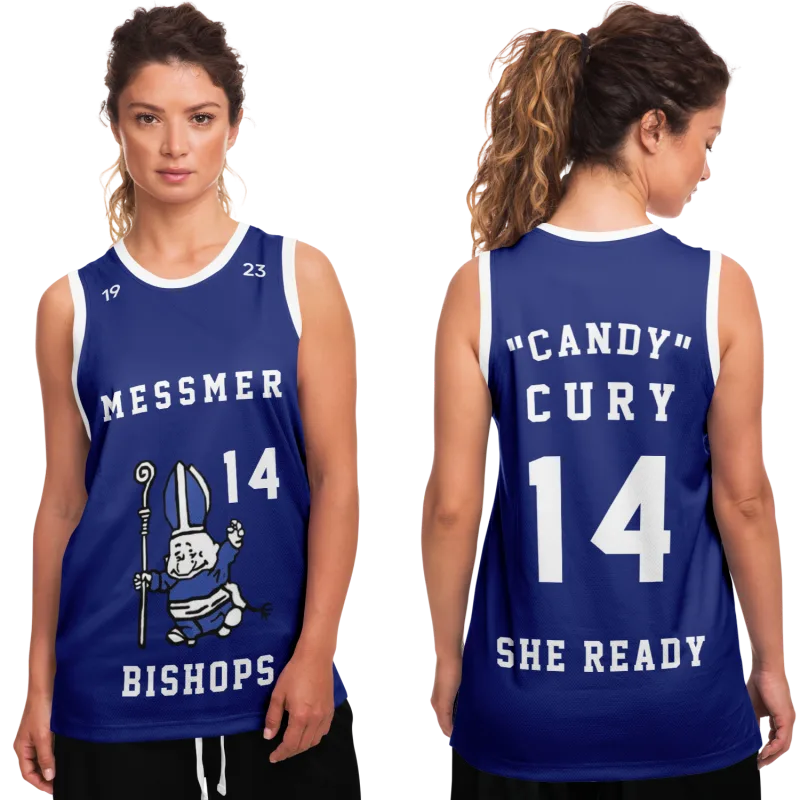
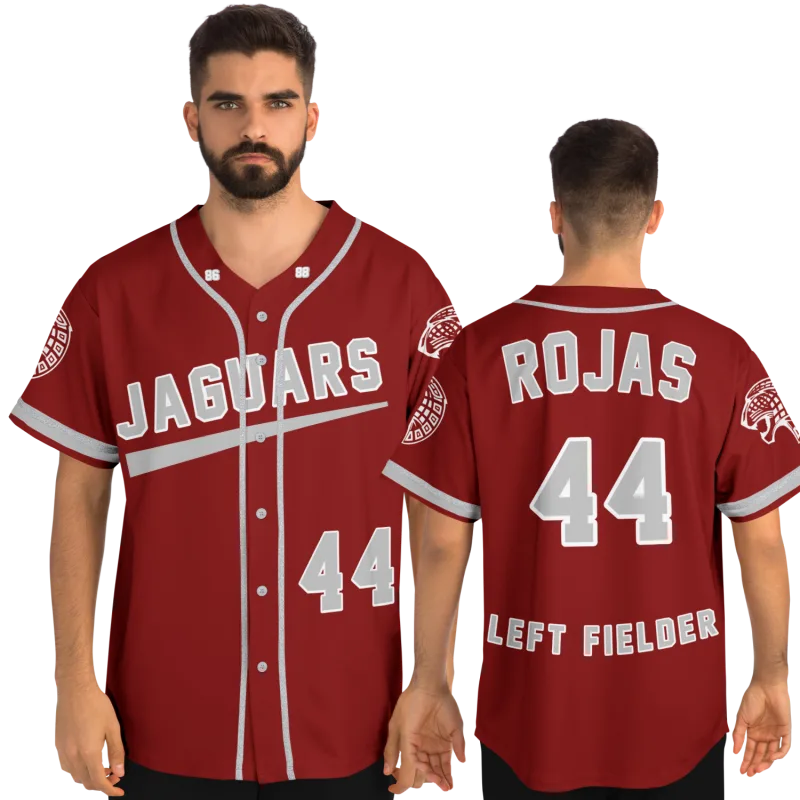
Your jersey is still out there waiting.
Design yours in minutes and see your name and number exactly the way you remember it — or browse the gallery to see what other former athletes have already made.
Frequently Asked Questions
How do I explain athletic experience in a job interview if I've been out of sport for years?
Frame it by outcome, not timeline. You're not describing what sport you played or how long ago — you're describing a specific cognitive or behavioral skill you developed through sport and demonstrating how it has produced measurable results in your professional life. "My years of competing under pressure built a stress-response pattern that I've applied directly to high-stakes client situations — here's a specific example" is immediately credible regardless of when you last competed.
What if my sport was individual rather than team-based — does the team dynamic advantage still apply?
Yes, with a slightly different frame. Individual sport athletes develop intense self-accountability, process discipline, and the ability to manage performance in isolation — qualities that are equally valuable professionally and arguably rarer than team collaboration skills. Individual athletes who swam, ran, wrestled, or competed in racket sports often have the most developed internal coaching voices, because they had to internalize the coaching function more completely than team sport athletes. That internal discipline is a direct career asset.
How do I avoid sounding like I'm living in my athletic past when I talk about sport-to-career transferable skills?
The key is to lead with the professional outcome, not the athletic context. Instead of "when I played basketball, I learned teamwork," say "I've operated in high-accountability team environments where individual performance directly affected collective outcomes — and I've found that the habits I built in those environments are the ones that produce the fastest results in professional settings." The sport is the origin story. The professional skill is the headline. Lead with the headline, let the origin story support it.
Is the sports mindset advantage more relevant at certain career stages than others?
It tends to be most visible at two specific inflection points: early career, when resilience and coachability differentiate candidates who are otherwise similar on paper; and senior leadership, when the long-game mentality, team culture instincts, and pressure-performance skills become the defining variables between good managers and great ones. In the middle stages, the advantage is still real — it just requires more intentional translation into the specific language and performance metrics of your industry.
See also: what high school sports actually teach you | athletic identity doesn't disappear after high school | reconnecting with your competitive drive through training