
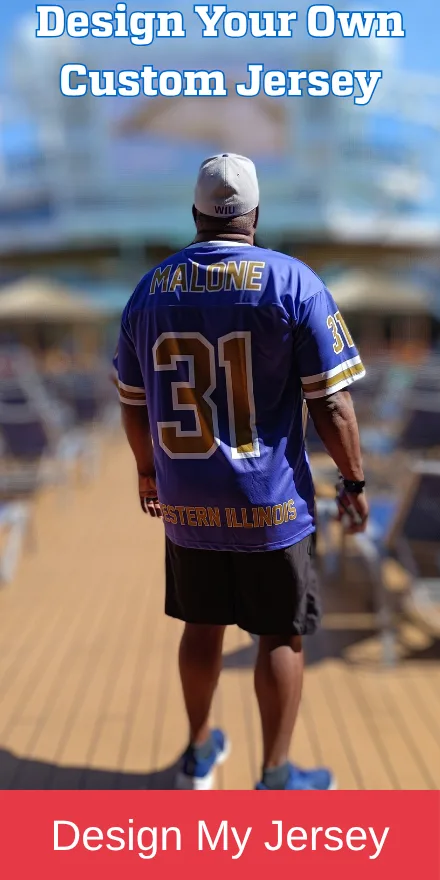
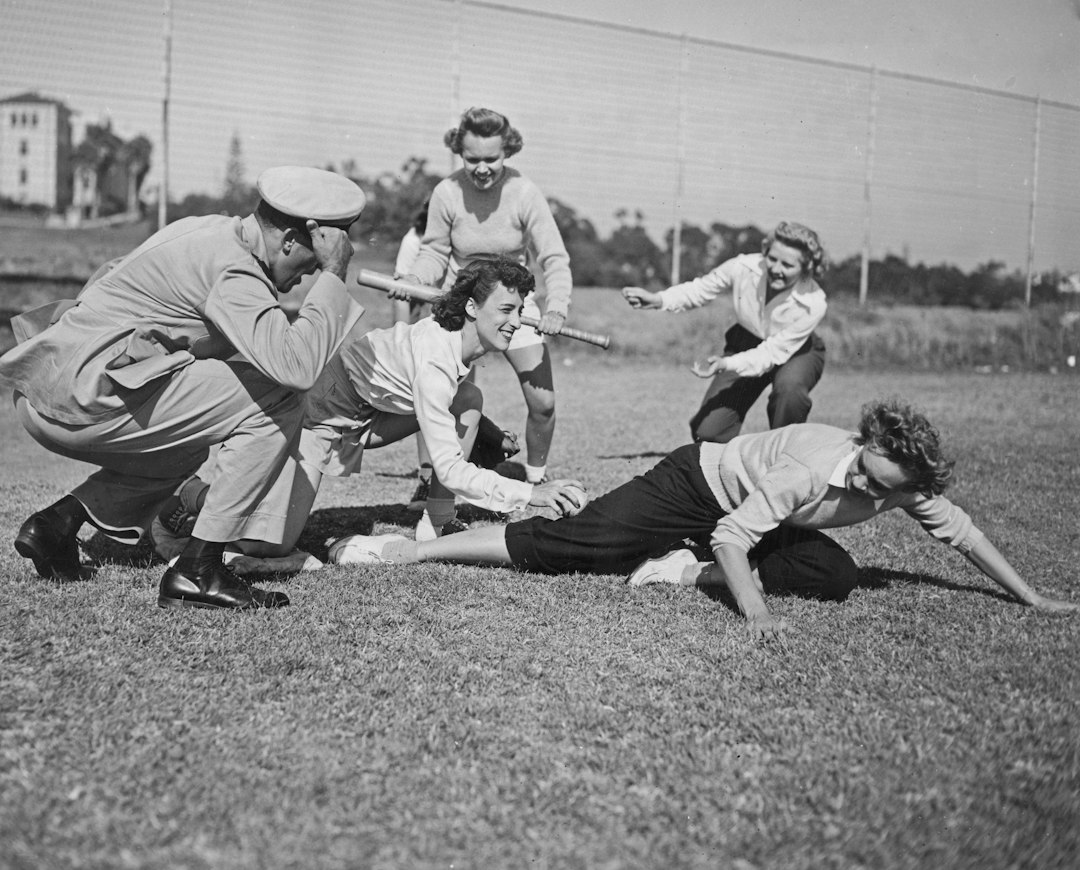
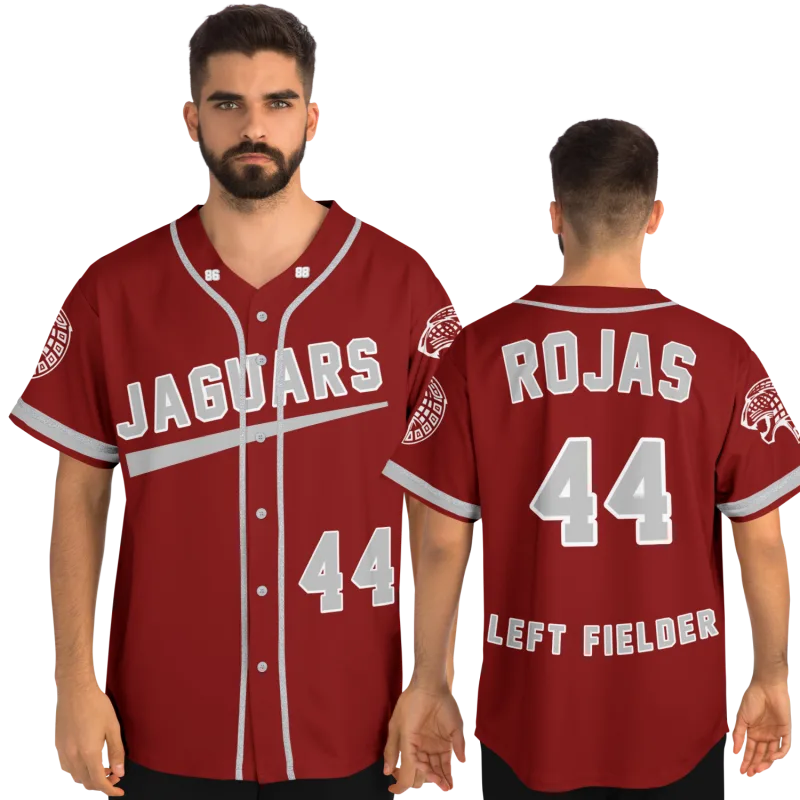
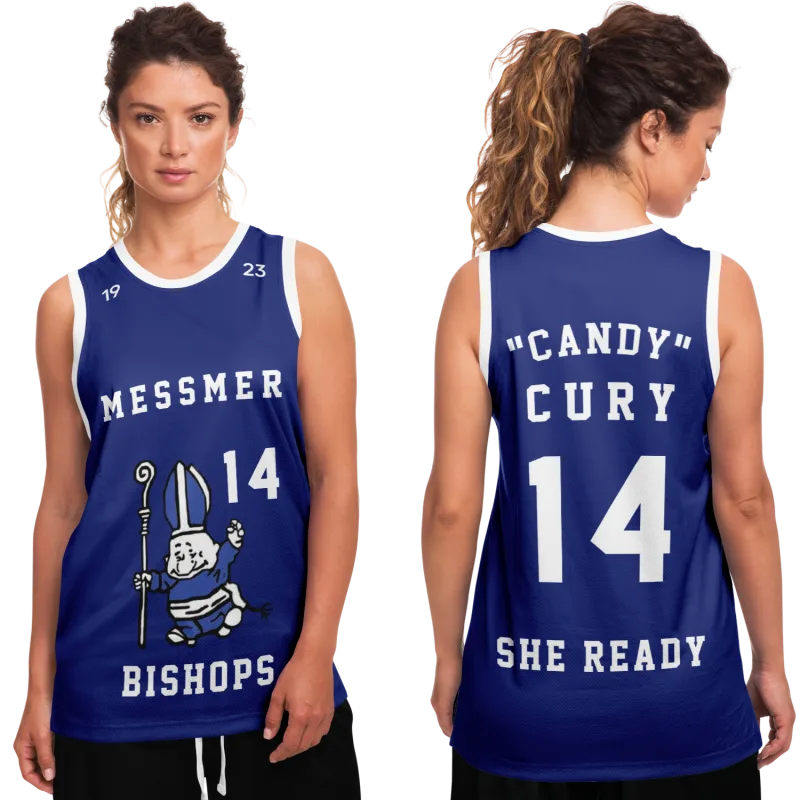
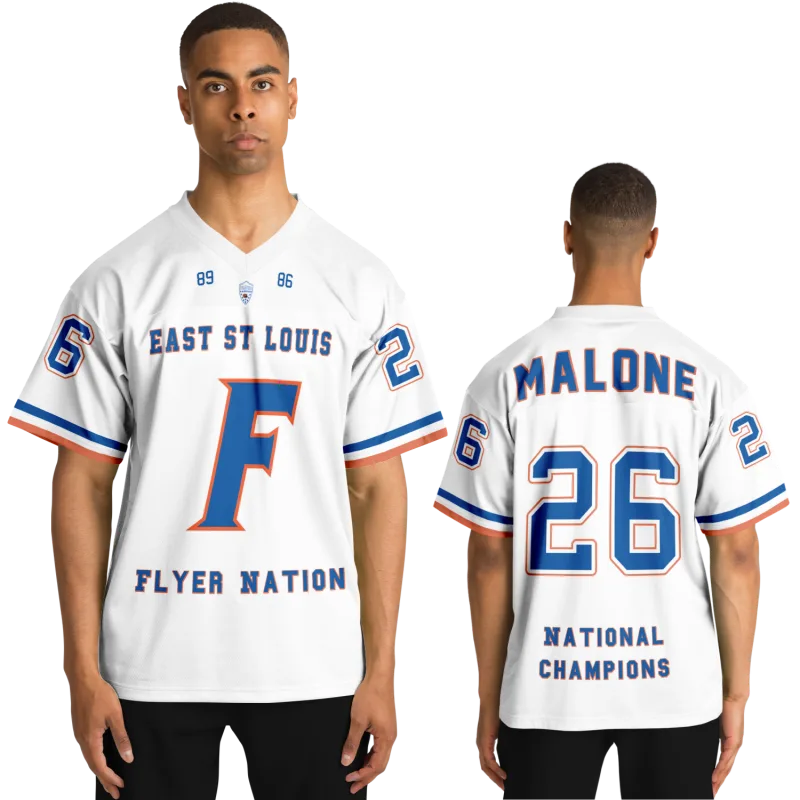
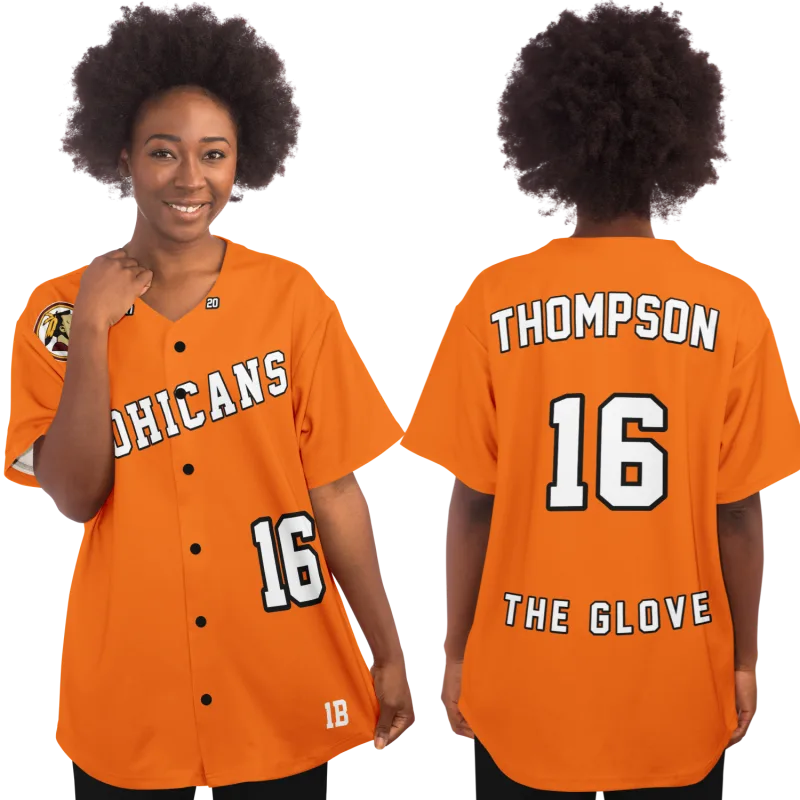
You can still see it. The way the sleeve ended just above the elbow. The slightly wrong shade of maroon the school ordered every other year. The number on your back in a font nobody picks anymore. If you're searching for fastpitch softball uniforms, you probably aren't shopping for a team. You're trying to get one specific uniform back, and that is a different job from the one most uniform sites are built for.
That's why the first page of results feels off. It's wall-to-wall bulk ordering for current programs: minimums of twelve, team-store logins, "request a quote" forms. None of it speaks to the woman in her thirties or forties who played four years of high school fastpitch, kept the glove, lost the jersey, and now wants to recreate it. This guide is written for her.
We'll cover what made a fastpitch uniform different from a slowpitch one, why your memory of your own kit is probably slightly wrong (and how to fix that), what's changed in uniform design since you last wore one, and how to brief a one-off recreation order so the result matches what's in your head.
What Made a Fastpitch Uniform Different From Slowpitch
The fastpitch vs slowpitch uniform difference is mostly invisible to someone who never played both, which is exactly why a lot of recreation orders go wrong. A generic "softball jersey" search will hand you a slowpitch rec-league shirt. It's not what you wore.
The cut and fabric
Slowpitch is a social sport, and its uniforms reflect that. The typical slowpitch jersey is a relaxed-fit, short-sleeve or sleeveless tee, often a loose polyester mesh, built to be comfortable across a wide range of body types and ages. Fastpitch is a performance sport. Your uniform was cut closer to the body so it wouldn't catch on a pitcher's follow-through, snag on a slide, or flap in the wind when you came out of the box swinging.
In our experience, this is the single biggest tell. When a former player holds up a photo of herself in uniform and a slowpitch jersey side by side, the silhouette is what she notices first: a trimmer torso, a more structured shoulder, and a hem that sat at the hip rather than hanging past it.
The pants and the full set
A fastpitch uniform was a set, not a shirt. Most high school programs issued a jersey and matching pants, with belt, socks, and sometimes a visor or hat in coordinated colors. Slowpitch leagues frequently skip the matching pants entirely; players show up in shorts or whatever's practical. If you're recreating a fastpitch look, the pants and sock stripe are half the identity.
Sleeve length and layering
Fastpitch players often wore a sleeved jersey, sometimes a three-quarter or long-sleeve piece in cold-weather spring ball, with sliders or compression under it. Slowpitch jerseys are overwhelmingly short-sleeve or sleeveless. If your uniform had a contrast-colored sleeve, a raglan seam, or piping down the sleeve, that detail is part of what makes a recreation feel right.
Quick reference: the differences at a glance
| Detail | Typical fastpitch | Typical slowpitch |
|---|---|---|
| Fit | Fitted, athletic cut | Relaxed, roomier |
| Sleeves | Short, three-quarter, or long; often contrast trim | Short or sleeveless |
| Bottoms | Matching pants (often with side stripe) | Often shorts or mixed |
| Look | Program identity, team colors, school lettering | Sponsor names, club logos |
| Number placement | Back, often front chest, sometimes sleeve | Back, sometimes front |
Your Uniform Had an Era (and a Program)
Here's what almost nobody tells you: high school fastpitch uniform identity is bound up with the year you played, not just the school you played for. A program that wore navy and white in 1998 might have switched to navy and gold by 2004. If you try to recreate "your uniform" from memory alone, you may be blending two or three seasons into one imaginary jersey.
What changed across the decades
Roughly speaking, the visual language of fastpitch uniforms shifted in recognizable waves:
- Late 1980s–1990s: Heavier polyester or cotton-poly blends, bold block lettering, sometimes a button-front jersey, wider piping, and contrasting sleeves in a second school color.
- Early 2000s: The mesh-and-moisture-wicking era begins. Sublimated details start to appear, sleeves get more fitted, and script lettering (cursive team names across the chest) becomes common.
- 2010s onward: Full sublimation takes over. Patterns, gradients, and tonal graphics that can't be done with sewn-on twill become standard, and the cut gets noticeably more athletic.
Each of those eras has a different feel when you put it on, and a good recreation respects the one you actually played in.
Pull the evidence before you design anything
Before you open a single design tool, collect proof. The best sources, in order of usefulness:
- Team photos and yearbooks. Your high school yearbook has a team page for your exact season. Zoom in on the sleeve, the collar, and the number placement.
- Old game or tournament photos. Candid shots show the real wear: how the lettering sat, how the pants stripe ran.
- The athletic department or booster club. Some programs keep archived order forms or have a former coach with the original design sheet.
- Other teammates. Group chats are underrated here. Someone always kept her jersey, and one photo of the back of it settles an argument.
Naming what you can't remember
You will probably get stuck on two things: the exact color and the exact font. Don't fake it. Describe the color relative to something real ("the red on the school's gym wall, not fire-engine red") and describe the lettering by shape: block, collegiate, script, tall and narrow. A designer can work with that description far better than with a confident wrong guess.
What's Changed in Softball Uniform Design Since You Played
A quick tour of the current landscape helps, because the options you'll see online are not the options your coach ordered from. Several big names make softball apparel, and it's worth knowing who's who even if you never buy from any of them.
The major apparel names, honestly described
Nike softball uniforms and Nike softball jerseys are the most recognizable in the college and travel-ball world, and Nike's team-ordering tool (the Nike softball uniform builder) lets coaches configure jerseys and pants from templates, but it's built around team orders, typically with minimums, rather than a single person recreating a vintage look. Under Armour softball uniforms and Adidas softball uniforms occupy similar territory: strong performance fabrics, team-store infrastructure, and design templates aimed at current programs.
Champro softball jerseys and Champro softball uniforms are a popular choice for school and rec programs, and Rawlings softball jerseys have a long heritage in the sport; both are common in team catalogs. All of these are legitimate manufacturers worth knowing about, and none of them is us. We're an informational site, not a uniform maker, and we don't sell or represent any of these brands. The point is context: most of the catalogs you'll find are built for coaches ordering for rosters, not for one adult reconstructing one jersey.
What that means for your recreation
The practical gap is this. Template-driven team ordering works beautifully when you want a current-looking uniform in your school colors. It works poorly when you want a faithful copy of a 2003 jersey with that particular chest script and that particular sleeve stripe. For a recreation, you want a custom approach where you control the cut, the trim, the lettering, and the number placement rather than choosing from a preset grid.
Mid-Article Story: A Recreation That Almost Went Wrong
Jenna T., 38, played shortstop for her Ohio high school's fastpitch team from 2001 to 2004. When she decided to recreate her senior-year jersey for her daughter's first tee-ball season (so they could match), she ordered from a template she found online. It arrived in a relaxed slowpitch cut, short-sleeved, with block lettering that was close but wrong. "It looked like a rec-league shirt," she told us. "My jersey had the cap-sleeve, the script across the chest, and a number that was almost too big for the back. I could see all of it in my head and couldn't get anyone to build it." She reordered after sending a yearbook photo and a one-paragraph description of the sleeve and lettering. The second one, she said, was the first thing that felt like hers.
The lesson isn't that templates are bad. It's that a template can't capture what you never told it.
How to Brief a One-Off Recreation Order
This is the part that separates a recreation that feels right from one that sits in a drawer. You are the client, and the quality of the result depends on how well you brief it.
Step 1: Write down the non-negotiables
Before you look at a single option, decide which three details define your uniform. For most players it's some combination of the color, the lettering style, and the number. Everything else can flex. Write those three things down in a sentence you can send to a designer.
Step 2: Describe the cut in plain terms
State whether it was short-sleeve, cap-sleeve, three-quarter, or long-sleeve; fitted or loose; button-front or pullover; V-neck, crew, or collar. If you remember the pants, describe the stripe: single or double, color, width. Plain language beats jargon here.
Step 3: Send reference images and a one-line "feel" note
Attach the yearbook crop and any game photos. Then add one line about the feeling you want: "faithful to 2002, not modernized" or "my 2003 jersey but with a more breathable fabric." That tells the designer whether you want a museum piece or an update.
Those three steps will get you further than any tool. A few extra points worth deciding up front:
- Fabric: Do you want it period-accurate (heavier, more matte) or modern (lightweight, moisture-wicking)? Many players choose a modern fabric with the old design, which is a perfectly good call.
- Name or no name: Fastpitch uniforms in many programs carried only a number; adding a name on the back is a personalization, not a recreation. Decide which you want.
- One or two: If a teammate wants a matching set, say so early. It can change how an order is built.
A note on sizing after the years
Be honest with yourself about sizing. A jersey you wore at seventeen was sized for a body that played three hours of practice a day. Measure what fits you now, and when in doubt, check the maker's size chart against a shirt you already own and like.
Where to Order Custom Softball Jerseys (Including Canada)
If you're outside the U.S., the search gets narrower. Plenty of readers ask about custom softball jerseys Canada and softball jerseys Canada because shipping, duties, and exchange rates make a U.S.-only ordering page a non-starter. A few practical rules apply wherever you live:
- Look for a maker that accepts single-piece or very small orders, since most team-store systems are built around minimums.
- Confirm in writing that you can supply your own reference images and notes.
- Ask about turnaround and shipping to your country before you pay, not after.
- Ask what proof or mockup you'll see before production begins.
The exact vendor is less important than whether they'll treat your reference photo as the spec. If a seller can only offer preset templates, it's the wrong fit for a faithful recreation, however nice the templates look.
Putting It Together: A Simple Checklist
When you're ready to order, run through this once:
- You have your yearbook page and at least one game photo.
- You've written your three non-negotiables.
- You've described the cut, sleeves, and pants in plain language.
- You know whether you want period-accurate or modernized fabric.
- You've checked your current size, not your old one.
If you can check all five, you're ready to brief a designer, and you'll get a recreation that matches what you actually played in rather than a close cousin of it.
Your Jersey Is Still Out There Waiting.
Design yours in minutes and see your name and number exactly the way you remember it.
Frequently Asked Questions
What's the real difference between a fastpitch and slowpitch uniform?
Fit and context. Fastpitch uniforms are typically cut closer to the body, often come as a matched jersey-and-pants set, and carry the school or program identity in colors, lettering, and trim. Slowpitch uniforms are usually looser, more casual, and often sponsor-driven. If you played fastpitch, searching for a generic "softball jersey" will mostly surface slowpitch cuts, so specify the fitted cut and sleeve style you remember.
Can I recreate my high school fastpitch uniform if I don't remember the exact details?
Yes, and most players can't. Start with your yearbook team photo and any game or tournament pictures, then ask teammates or a former coach for the original order or design. Where memory fails, describe the color by comparison to something familiar and the lettering by shape (block, collegiate, script). A good designer can work from a clear description and a reference photo.
Are Nike, Under Armour, or Adidas the right place to order a recreation?
They make excellent current-season team uniforms, and tools like the Nike softball uniform builder are useful for coaches outfitting a roster. But those systems are built around team orders and preset templates, which makes them a poor match for a faithful one-off recreation of an older design. For a single custom piece, look for a maker that accepts small orders and works from your reference images.
Do I need a full set, or can I order just the jersey?
Just the jersey is fine, and it's what most former players choose. If the pants, sock stripe, or hat were a big part of your look, you can recreate those too, but a jersey alone usually captures most of the identity. Decide based on whether you'll wear it as a keepsake, for a reunion game, or to coordinate with a teammate.
How long should I expect a custom order to take?
It depends on the maker and the complexity, so ask for a specific production and shipping estimate before you pay. Recreations with sublimated graphics or detailed trim generally take longer than a simple screen-printed jersey. If you need it for a reunion or a specific date, tell the seller upfront so you can confirm the timeline is realistic.
See also: custom softball jerseys | personalized sports gifts versus generic ones | how to size a jersey correctly | custom sports shadow box | adult recreational leagues for former athletes