

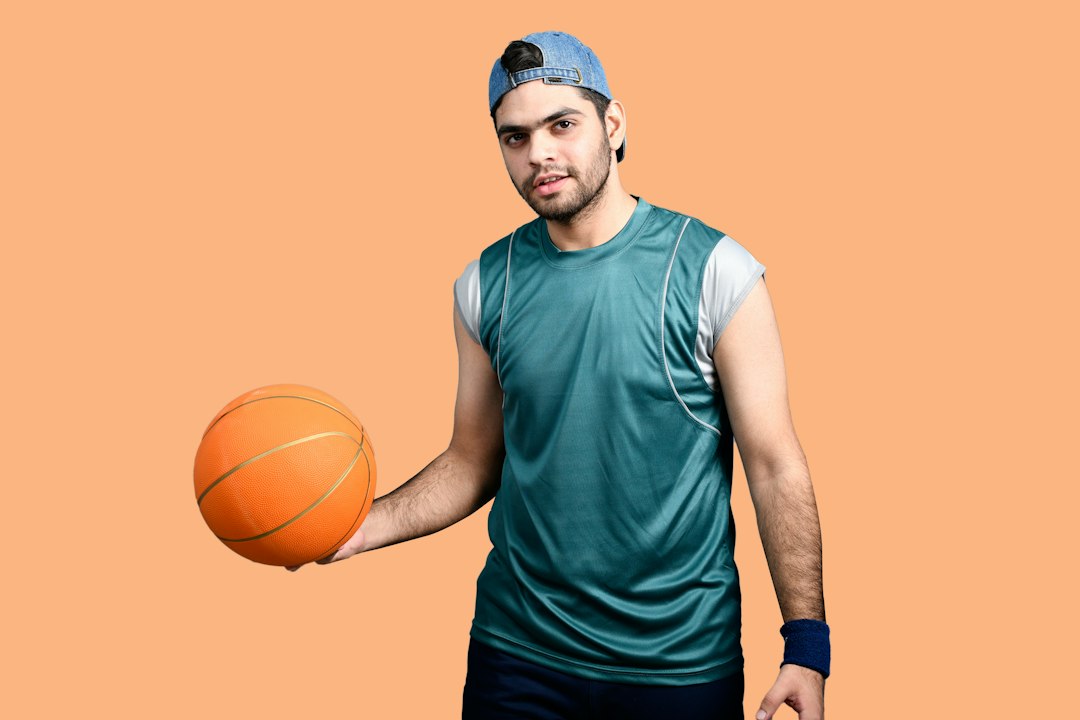




Some memories don't announce themselves. You're moving boxes in the garage, or standing at the edge of a pickup game you're too old to join, and something surfaces without permission — you in your number, your name across the back, your school colors sharp under gymnasium lights. The thought that follows doesn't ask for your approval: I want that again.
That pull is exactly what the market for affordable custom basketball jerseys has built itself around for adult buyers. The old barriers are gone. You don't need a team affiliation, a league registration, or a twelve-unit minimum. One jersey — your name, your number, your colors — gets made and shipped to you. The access is there now in a way it wasn't a decade ago.
What hasn't caught up yet is the guidance. The ordering process was designed for team managers, not for former players who know what a game jersey is supposed to feel, drape, and breathe like. You've worn the real thing. That knowledge is an advantage in the research phase and a source of genuine frustration when an order comes back wrong. This guide is built to close that gap — adult sizing, mesh construction, school-color accuracy, and every decision point that separates a jersey you're proud to wear from one that lives in a drawer.
The Gap Between Playing-Days Fit and What Most Custom Sites Default To
Every former athlete carries the memory of how a game jersey moved. Not structured like a dress shirt. Not loose like a practice tee. Somewhere specific in between — room through the chest and shoulders for a full rotation, length that stayed tucked through a defensive slide, armholes high enough that going up for a layup didn't pull the whole thing free.
That cut was engineered for athletic movement. The problem is that most custom jersey builders calibrate their sizing from general apparel charts, not from basketball-specific construction templates. Their numbers correspond to casual-fit garments. A basketball jersey is built on different proportions, and the standard size chart often doesn't signal that distinction clearly.


Adult bodies complicate this further. The chest and shoulders may be broader than they were during playing days. The waist sits differently. The length that worked at twenty-two doesn't automatically translate now. Getting sizing right isn't an ego exercise — it's geometry. The numbers on the chart need to mean something specific before you can trust them.
What Basketball Sizing Actually Measures
Three measurements govern fit on a basketball jersey in ways that casual apparel doesn't prepare you for:
- Chest circumference — taken at the widest point with arms relaxed at your sides. This is the number that drives the overall silhouette and matters most.
- Body length — shoulder seam to bottom hem. Basketball jerseys are cut intentionally longer than casual shirts. If the builder's chart doesn't list this measurement separately, ask before ordering.
- Armhole depth — the distance from the shoulder seam to the bottom of the arm opening. Too deep and the jersey restricts your range of motion. Too shallow and it reads visually off on an adult frame.
Our team recommends printing the size chart from any builder you're seriously considering and taking your own measurements before selecting a size — not estimating based on what you wore when you played. Measure now, match against the chart now. If your measurements land between two sizes, go up. A jersey with intentional room looks right. A jersey pulling across the chest does not.
Mesh Fabric: What Makes a Jersey Feel Like the Real Thing
If you played, you already know this fabric before you can name it. Lightweight but structured. Breathable against the skin without collapsing. Hold it up to light and it's translucent — wear it and it holds its shape through a full game. That material is double-knit polyester mesh, and it's the construction standard that separates a basketball jersey that feels authentic from one that looks like athletic apparel shaped into the right silhouette.
Double-knit mesh wicks moisture effectively, maintains its structure through repeated washing, and produces the specific weight and drape that heavier polyester knits or cotton blends don't achieve. When evaluating custom jersey options, these are the fabric specifications worth confirming before placing an order:
- Double-knit polyester mesh — the construction standard for jerseys that feel and perform like game-day garments
- 100% polyester — the correct base material; cotton blends absorb and hold moisture, and lose shape faster under use
- Dye-sublimated graphics — the production process where ink is permanently bonded into the fabric fibers under heat and pressure, rather than applied as a surface coating
That last specification matters more than it might seem. Dye-sublimated numbers and lettering don't sit raised on the fabric surface. They don't crack under regular wear or lift away from the fabric after washing. Heat-transfer alternatives photograph well and show their age quickly under actual use. For a jersey that carries personal weight, dye-sublimation is worth specifying — or keeping your search open until you find a builder that offers it.
The fabric specification is the single detail most former players overlook when comparing options at similar price points. Two jerseys can be priced identically — one in double-knit mesh with dye-sublimated graphics, one in heavier knit with heat-transfer lettering — and the difference is apparent the moment you handle them side by side. In our experience, this is where the real ordering decision happens, not at the price comparison stage.
School Colors and Color Matching: Getting the Right Shade, Not Just the Right Name
This is the part of the process where former players encounter a wall that casual buyers never hit. You don't want blue and gold in a general sense. You want your blue and gold — the specific shade your program wore, which reads differently from every other program's version of the same color family.
Color accuracy in custom jersey production is specified using Pantone Matching System (PMS) codes or, in digital workflows, hex codes. These are the shared language of professional print and fabric production. Pantone's color matching system is the industry standard for ensuring that what appears on a monitor translates accurately to what comes off a production line and onto finished fabric.
The practical path to your school's exact colors runs through three options:
- Search "[Your School] colors PMS code" — most college and university athletics departments publish their official color standards. If yours does, those numbers are what you submit to the builder.
- If the PMS code isn't publicly listed, contact the athletics department directly. Many will provide it to individuals requesting it for personal use without hesitation.
- If neither option produces a result, locate a high-resolution photograph of your actual game jersey and submit it as a reference image. A builder with a real color-matching workflow can work from a physical reference with reasonable accuracy.
One thing worth knowing before you commit to a mockup: screen colors and dyed fabric are never a perfect match. What reads as bright royal blue on your monitor may render slightly differently in dye-sublimation on polyester mesh — the fabric absorbs color in ways a screen doesn't account for. Requesting a digital proof or physical swatch before production begins is the right move for any order where color accuracy is the whole point.
A Story Worth Telling
Marcus T., 41, ordered his first custom jersey after his son started playing recreational ball and asked what number his dad had worn. Marcus spent two days comparing builders before committing — specifically checking mesh fabric specs and asking each one directly about PMS color matching for his school's navy and red. The jersey arrived right: his number, his name bar, his colors. His son wore it to practice the following week. Marcus said it was the first time he'd seen his own name on a basketball jersey since his senior season, and he hadn't expected it to land the way it did.
The details matter because the jersey isn't really about fabric. The fabric is just how the details survive the trip to your door.
Affordable Custom Basketball Jerseys: What the Price Range Actually Gets You
Individual adult orders for quality custom basketball jerseys — double-knit polyester mesh, dye-sublimated graphics, full name and number customization — typically land in the $45–$85 range. That window covers the base fabric and production standard that makes the jersey feel legitimate. What shifts across that range is usually production timeline, typography options, and design complexity, not the underlying fabric construction.
Below that range, compromises appear in predictable places: heavier non-mesh fabric, heat-transfer numbering, color matching done by rough digital approximation rather than PMS specification. The jersey looks acceptable on arrival and ages poorly under use.
Above that range, you're typically paying for rush production timelines, premium font libraries, or added graphic complexity. The base mesh and dye-sublimation standard doesn't necessarily improve with the price.
Two things that don't reliably correlate with price at any point in that range: customer service responsiveness and the revision policy. Those vary by builder regardless of what they charge. Reading recent reviews that address production accuracy specifically — not just delivery speed or packaging presentation — is worth the time before committing to any order.
One pattern worth naming directly: former players who chose the least expensive available option and received a jersey with wrong colors or disproportionate lettering consistently report more frustration than those who spent the middle of the range and got the details right. The emotional stakes on this particular order differ from ordering a generic athletic shirt. A result that falls short isn't just an inconvenience — it's a disappointment that lands differently when what's at stake is something you actually remember.
What to Check Before You Click Order
The ordering flow looks simple from the outside. Name, number, colors, checkout. Former players know better. Here's what to verify before committing:
Fabric and construction: - Double-knit polyester mesh confirmed in the product specifications - Dye-sublimated graphics specified, not heat-transfer or screen-printed
Sizing: - Chest, body length, and armhole measurements taken and matched against the builder's specific basketball size chart - Sized up if measurements fall between two options
Color accuracy: - PMS or hex code submitted, or reference image provided - Digital proof or swatch requested before production begins
Customization specifics: - Name bar font and placement confirmed — typographic options vary significantly between builders - Number placement verified (front only, back only, or both) - Number size confirmed for adult proportions — youth and adult jerseys use different standard dimensions, and the wrong template is immediately visible on an adult frame
Production and delivery: - Standard vs. rush timeline reviewed against any specific occasion driving the order - Revision and return policy understood before payment is submitted
That final item deserves more attention than most buyers give it. A jersey with incorrect colors, a misspelled name, or wrongly sized numbering isn't exchangeable at a general retailer — it was produced for you. A reputable custom builder maintains a defined revision policy for errors on their end. Know what that policy covers before the order is placed, not after it arrives.
The Most Common Mistakes Former Players Make on the First Order
These patterns appear consistently enough to name directly:
Ordering based on playing-days size. Your measurements have changed. The chart hasn't. Measure now.
Skipping the digital proof. Most builders generate a mockup before production begins. Approving it without careful review — font, number size, placement, color rendering — is where most correctable problems become permanent ones.
Choosing color by name rather than code. "Navy blue" means something different to every builder in the category. A PMS code eliminates that ambiguity at the source and removes the most common cause of color disappointment.
Not confirming adult templates are in use. Builders that primarily serve youth recreation leagues may default to youth sizing templates unless adult is explicitly specified. Number size, name-bar proportions, and armhole depth are all calibrated differently between youth and adult construction. Confirm before the order goes in.
Underestimating production time. Custom jerseys are made to order. Standard production runs 7–14 business days before shipping begins. If a reunion, occasion, or specific date is motivating the order, build that timeline into your decision from the start — not as an afterthought once you've already committed.
Your jersey is still out there waiting.
Design yours in minutes and see your name and number exactly the way you remember it.
Frequently Asked Questions
What is a custom jersey?
A custom jersey is made specifically for one person — your name, your number, your chosen colors — rather than produced to represent an existing team or professional player. It's built on a basketball jersey template with your personal specifications applied through the production process. A custom jersey differs from a licensed jersey, which carries official team or league authorization and reproduces trademarked designs. With a custom jersey, you specify your own details within the template — full creative control over name, number, and color, without licensing restrictions or affiliation requirements.
How do I find the right adult size if I haven't worn a basketball jersey in years?
Measure your chest circumference at the widest point with arms relaxed at your sides, and your torso length from the top of the shoulder seam to the hip. Match those measurements directly against the size chart from your specific builder — not a generic apparel size guide, because basketball jersey templates are proportioned differently from casual clothing. If your measurements fall between two sizes, order the larger one. A jersey with room reads as intentional. A jersey that's pulling across the chest reads as a sizing error.
Can I get my school's colors on a custom jersey without any official affiliation?
Yes. Colors are not trademark-protectable on their own. What you cannot include is your school's official logo, licensed wordmark, or any other trademarked design element — those require formal authorization. A jersey in your school's specific color combination, carrying your own name and number, is personal customization. To get the colors accurate, search for your school's official PMS codes (most athletics departments publish these publicly), or provide a high-resolution reference photo of your actual game jersey to the builder as a color reference.
What does dye-sublimation mean, and does it matter for a single jersey order?
Dye-sublimation is a production method where ink is converted to gas under heat and pressure and permanently bonded into the polyester fibers of the fabric — rather than applied as a coating sitting on top of the surface. For a basketball jersey, this means numbers and lettering have no raised texture, don't crack under regular wear, and don't separate from the fabric after washing. For a jersey that carries personal meaning — or one you plan to wear more than a handful of times — dye-sublimation is worth specifying. Heat-transfer alternatives look clean at delivery and deteriorate noticeably faster under real use.
What if I want a jersey inspired by my old school's style but without using any official marks?
That's precisely what custom jersey builders are designed for. You can create a jersey in the style of your school's color palette and general aesthetic — the color combination, the number treatment, the overall feel — without incorporating any trademarked logo or licensed design element. Think of it as a tribute to your playing days: your colors, your name, your number, your memory. It's a personal piece built on your own customization, not a licensed uniform, and the process gives you full control to make it feel right without crossing into restricted territory.
See also: jersey size chart for numeric sizing | how your body has changed since your playing days | getting back into the game through adult recreational leagues | personalized sports gifts that actually make a former athlete feel seen