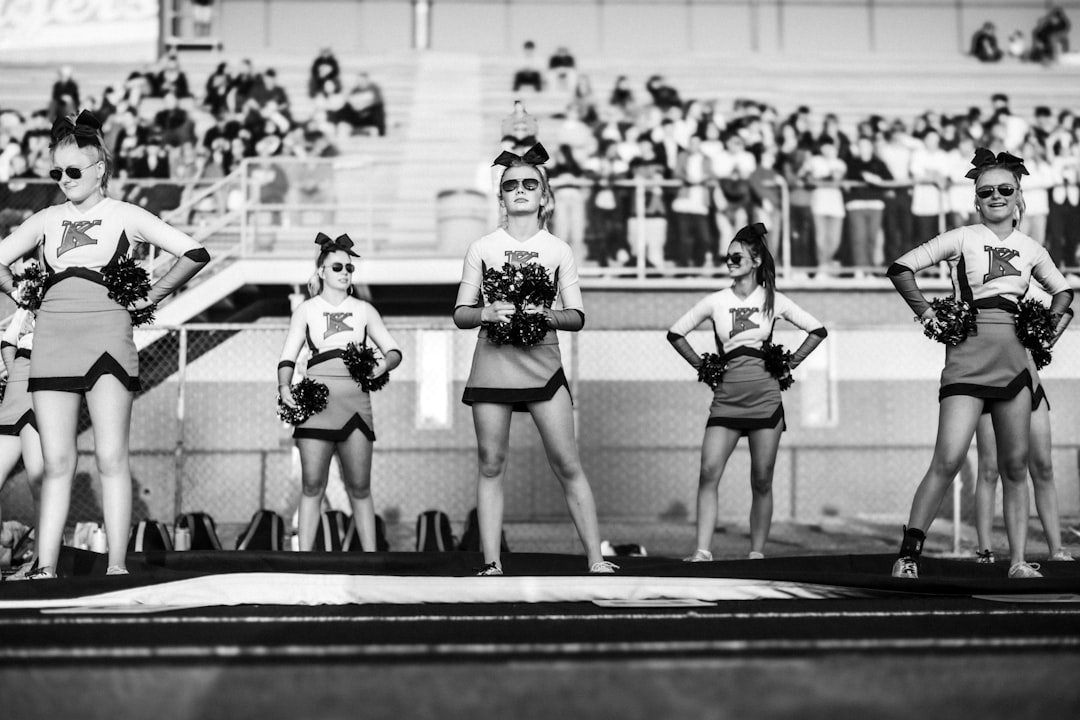
If you competed in cheerleading — if you trained through early morning practices, hit routines under pressure, and walked onto a competition floor knowing every flaw would be scored — then you already know the answer to the question nobody should still be asking. Cheerleading is a sport. You were a cheerleading as a sport athlete. The credential is real, the training was real, and the physical and mental cost of competing was absolutely real. What hasn't always felt real is the permission to say so out loud without bracing for someone else's skepticism.
That ends here.
This isn't a defense piece. Cheerleading doesn't need a defense. What it needs — what every former competitor deserves — is a clear, unapologetic statement of what they already lived: that what they did was athletic, competitive, technically demanding, and worthy of the same respect given to any other sport. No hedge. No qualifier. No "well, it depends on what you mean by sport."
You competed. You were an athlete. Own it.
The Definition Problem (That Was Never Actually a Problem)
The debate about whether cheerleading qualifies as a sport is, at its core, a definition problem — and the definitions have always supported the athletes.
Sport: a physical activity requiring skill, governed by rules, involving competition, and producing measurable outcomes. By any serious application of that definition, competitive cheerleading qualifies completely.
What competitive cheer actually requires:
- Exceptional strength-to-bodyweight ratios — bases hold, press, and catch flyers at heights and angles that demand genuine athletic development
- Explosive power and coordination — tumbling skills require the same foundational mechanics as gymnastics, with the added complexity of synchronized execution in a team environment
- Spatial awareness and timing precision — stunting errors at competition height carry real injury risk, and the margin for timing error in a two-and-a-half-minute routine is measured in tenths of seconds
- Mental performance under pressure — there are no substitutions, no timeouts, and no second chances once the music starts
The ACSM, through multiple assessments of competitive cheerleading's physical demands, has documented the cardiovascular, musculoskeletal, and coordination requirements that place competitive cheer firmly in the range of recognized athletic activity. This was never a close call. The only reason it felt like one is that the people making the loudest noise about it weren't the ones who had done the training.
The people who had done the training always knew.
What the Training Actually Looked Like
Every former athlete remembers the specific texture of their sport's hardest moments. The ones that aren't visible on a highlight reel. The ones that nobody outside the gym or the locker room ever sees.
For cheer athletes, those moments are everywhere.
It's conditioning drills before the stunts start, when your legs are already done and the coach hasn't called water yet. It's drilling the same sequence sixty-three times in a single practice because the timing is off by a fraction of a beat in one spot, and that fraction will cost points on the floor. It's the particular kind of exhaustion that comes from holding tension in your entire body — not moving through range, but holding still and controlled while someone else moves above you, trusting your strength completely.
It's learning to fall correctly, which sounds simple until you've hit the mat wrong once. It's building the kind of trust with your teammates that can only come from putting your physical safety in their hands repeatedly, and earning theirs in return — what those who never played will never understand about being part of a team.
Competitive cheer conditioning included plyometric work, core stability training, flexibility programming, and aerobic endurance — often before school, often six days a week during peak season. The physical preparation was indistinguishable in structure from any other competitive sport's training program. What was distinguishable was the expectation that you'd also perform it choreographed, synchronized, and scored.
That's harder. Not the same as other sports. Harder in specific ways that the people who dismissed it had no framework to evaluate, because they'd never attempted anything like it.
The Apology Habit — Where It Came From and Why It Stops Now
Here's the part that deserves the most direct attention.
A significant number of former cheer athletes developed a verbal habit: the preemptive downgrade. "I used to cheer — well, I mean, I competed, it wasn't really a sport thing, it was more of an activity..." The sentence starts with athletic identity and erodes itself in real time, before anyone else even has the chance to challenge it.
That habit didn't come from nowhere. It was trained into athletes by the sustained experience of having their athletic identity questioned by people with no relevant knowledge. Coaches, teachers, peers, family members who associated cheerleading with sideline performance rather than competitive athletics would offer a skeptical look or an offhand comment, and the athlete — usually young, usually in a context where they didn't have the vocabulary or the authority to push back — learned to pre-shrink their identity to avoid the friction.
Over time, the external skepticism got internalized. The preemptive downgrade became automatic.
Jenna M., 29, competed on an all-star cheer team from age nine through her senior year of high school and earned a spot on her college squad's competition team. She describes the moment she stopped apologizing: "Someone asked what sports I played growing up and I started to say 'I did cheer, but—' and I just stopped mid-sentence. I thought, I trained fourteen hours a week and competed nationally. Why am I about to qualify that?" She didn't finish the qualifier. She hasn't since.
That mid-sentence stop is available to every former cheer athlete right now. How to talk about your athletic past without qualifying it starts with exactly that moment — the one where you refuse to apologize for what you already earned.
Athletic Identity Belongs to the People Who Earned It
There is a version of the sport conversation that gets tangled in governance, eligibility rules, and institutional recognition — and those conversations have their place. But they are separate from the personal question of whether a former competitor has earned the right to identify as an athlete.
That question is not decided by governing bodies. It is decided by what the person actually did.
And what competitive cheer athletes actually did:
- Trained under qualified coaches in structured, periodized programs
- Developed specific physical skills over years of deliberate practice
- Competed in governed, scored events with defined rules and measurable outcomes
- Managed performance pressure, injury, team dynamics, and the particular mental load of competing as part of a synchronized unit where one person's off-day affects everyone's score
That is an athlete's biography. It doesn't require institutional certification. The experience is the credential.
The broader athletic community has started to recognize what competitive cheer athletes already knew. The sport's inclusion in discussions around Olympic recognition — alongside sports that were once similarly dismissed — reflects a slow institutional catching-up to a physical reality that was never actually in question for anyone who had done it.
The people who competed knew. They've always known.
What Former Cheer Athletes Carry Into the Rest of Their Lives
Here's something worth naming directly: the skills developed in competitive cheerleading don't disappear when the season ends. They migrate.
The mental composure required to perform a two-and-a-half-minute routine under competition conditions — no pauses, no corrections, no safety net — is directly transferable to any high-stakes performance environment. Job interviews, presentations, client pitches, emergency situations. The person who learned to execute under pressure in front of judges carries that capacity everywhere.
The trust-building that happens in a stunt group — the specific, earned, reciprocal trust that comes from physical interdependence — is a leadership skill. The ability to hold someone else's safety as a direct function of your own consistency and reliability is not a soft skill. It is a foundational professional competency.
The capacity to take a performance apart piece by piece, identify the failure point, rebuild from that point, and execute correctly under time pressure is exactly what high-performing teams do in every industry. Cheer athletes learned this at sixteen. The moments that made you an athlete never really leave you — they become the way you approach every challenge for the rest of your life.
None of those outcomes came from an "activity." They came from sport. From athletic training. From competition that demanded their best.
Your Jersey Is Still Out There Waiting
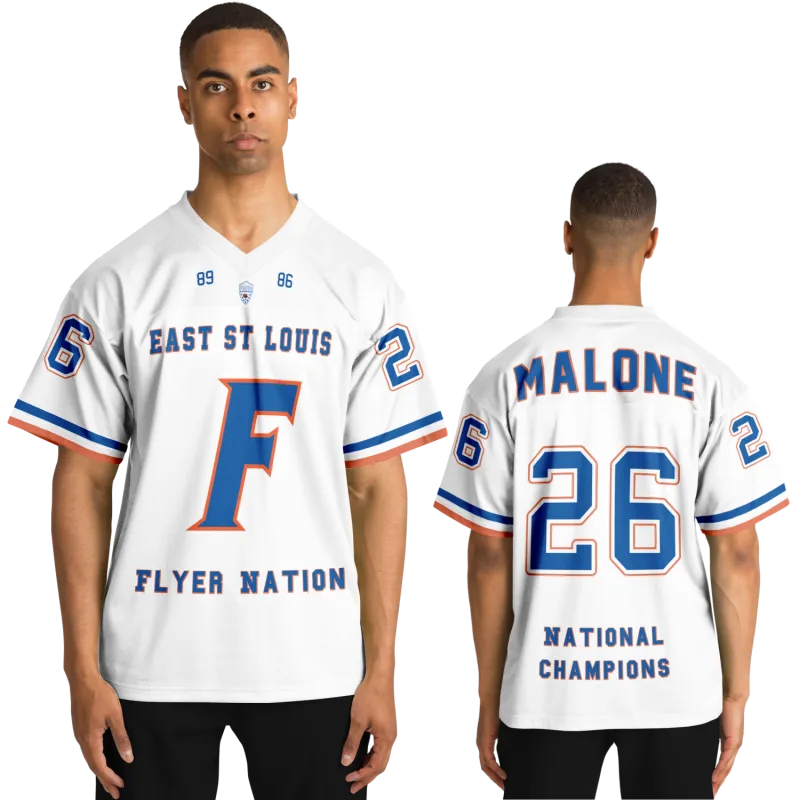
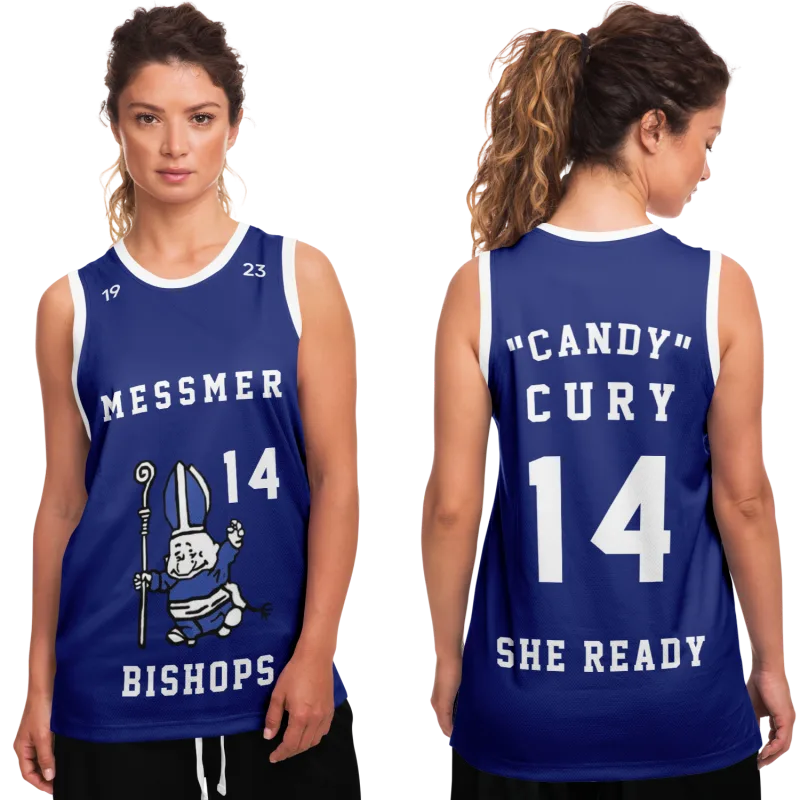
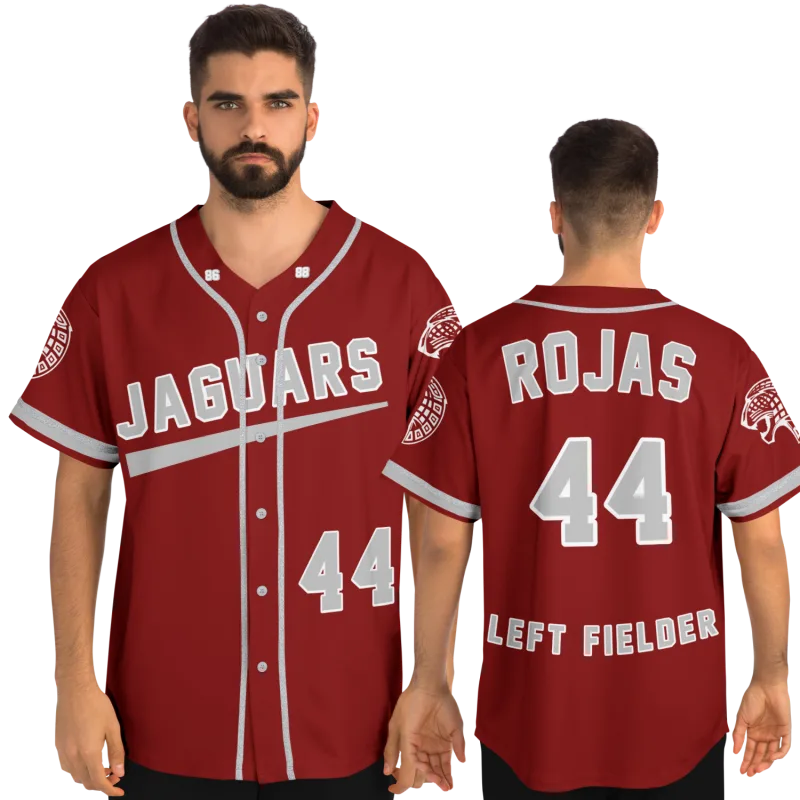
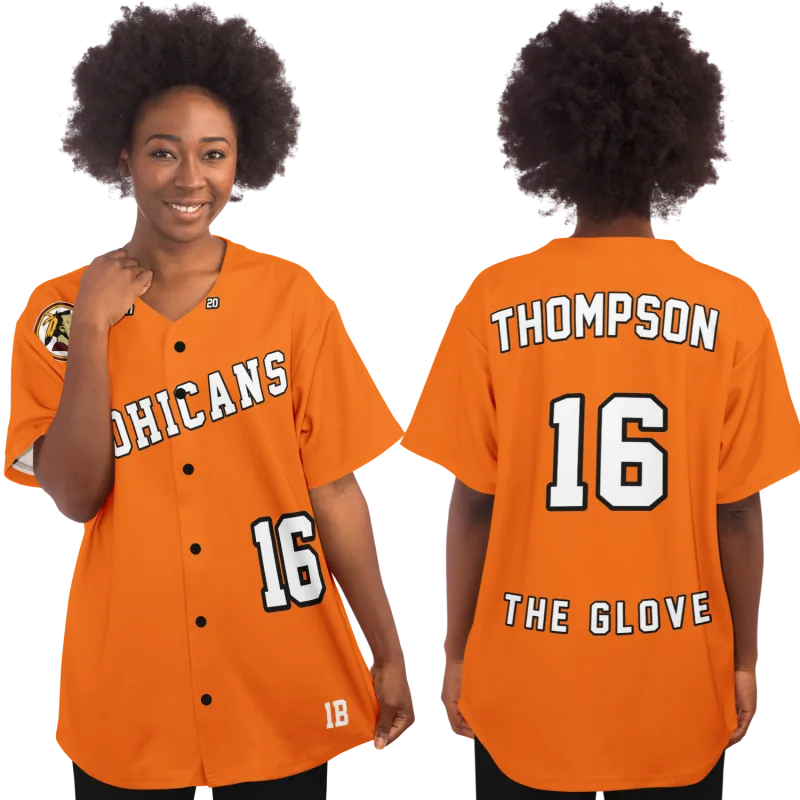
You earned a name on a uniform. You earned a number. You earned the right to wear both as a competitor who showed up, trained, and performed at the level the sport required.
Design yours in minutes and see your name and number exactly the way you remember it.
Frequently Asked Questions
Is competitive cheerleading officially recognized as a sport?
Recognition varies by institution and governing body. The NCAA has provisionally recognized competitive cheer, and numerous state high school athletic associations have granted it varsity sport status. More importantly for individual identity, official recognition does not determine whether someone who competed was an athlete — the training, competition structure, and physical demands do. Former competitors who trained and competed in governed events have a legitimate athletic identity regardless of the current status of any particular governing body's classification.
What's the difference between sideline cheerleading and competitive cheerleading?
Sideline cheerleading is primarily a support and performance role — leading crowd engagement during another sport's event. Competitive cheerleading is a standalone sport in which teams are scored by judges on technical difficulty, execution, synchronization, and performance quality. The two share vocabulary and some skills, but their competitive structures, training demands, and performance contexts are distinct. The "cheerleading is not a sport" argument is often based on sideline cheerleading; it doesn't apply to the competitive format.
Why do so many former cheer athletes downplay their athletic background?
The habit typically develops from repeated exposure to skepticism from people who associated cheerleading with sideline performance rather than competitive athletics. Young athletes in environments where their sport was consistently undervalued sometimes internalize that skepticism and preemptively minimize their identity before others can challenge it. Recognizing this as an external-pressure response rather than an accurate self-assessment is the first step to dropping the qualifier and claiming the identity that was genuinely earned.
How do I respond when someone questions whether cheerleading is a real sport?
The most effective response is factual and calm: state what you actually trained and competed in. "I competed in all-star cheer — six days a week, structured conditioning, governed competition, judged on difficulty and execution." Most people who ask the question have never considered the competitive format, and specificity changes the conversation more effectively than defensiveness. You don't owe anyone a defense. But if you choose to engage, the facts are entirely on your side.
See also: what it really means to say 'I played' | athletic identity that gets stripped away the moment you stop competing | the grief that comes with the end of a high school athletic career | why high school sports still matter to the adults who played them | the difference between someone who watched from the stands and someone who actually competed