



A year end reflection athlete moment usually arrives in the last week of December, when the house goes quiet and the game is on in the background. The kids are asleep or on their phones. You catch yourself watching the way a coach watches, tracking who's out of position and who's about to get beaten on the next play. Your body remembers things your mind has tried to file away.
Another year gone. Another year since you hung up the cleats. And somewhere between the leftover pie and the highlight reels, the same quiet thought shows up that shows up every December: I used to be somebody out there.
If you landed here because you're having that thought right now, you're in good company. Every year at this time, former players of every sport, from Friday-night linemen to college point guards to rec-league pitchers, do the same thing. They take stock. Not of the calendar year, exactly, but of the distance between who they were in uniform and who they are now.
This isn't a how-to. It's a letter from one group of sports people to another, with a few honest things worth saying before the year turns over.
The Strange Grief Nobody Warns You About
Here's what retiring from competitive sport actually looks like: there's no ceremony. Maybe there was a final game, a senior night, a handshake line. But the real ending is slower and stranger. It's the first fall Saturday you don't have somewhere to be at 6:30am. It's the first time you realize you can't remember the last time someone yelled your name with that specific tone: part command, part belief.
Athletes lose a structure, a body, a team, and an identity all at the same moment, and then everyone expects them to say "I'm fine, I had a good run."
Research backs up what you already feel. A well-documented body of work on athletic identity, including material from the NCAA Sport Science Institute, shows that athletes who strongly tie their self-worth to their sport often struggle most with the transition out. That's not weakness. It's the predictable result of spending 10, 15, 20 years being defined by one thing, then having it taken away on a schedule you didn't choose.
The Silence After the Whistle
The thing people rarely mention is the noise. A locker room is loud. A bus ride home is loud. A huddle is loud. Then one year, it's all just quiet.


You notice the quiet most in December, when the year is closing and you finally have time to hear it.
Why Year-End Hits Different
December is a natural audit season. We count what we did, what we made, what we're proud of. For a former athlete, that audit has a built-in problem: the most measurable, most celebrated chapter of your life is behind you. There's no stat line for this year. No standings. No film to review.
That doesn't mean there's nothing to count. It means you have to learn to count differently.
What the Player You Were Actually Left You
Here's the part that gets lost when nostalgia curdles into sadness: the player is not gone. The uniform is gone. The schedule is gone. The Saturday-night lights are gone. But the player, the person who showed up at 5am for conditioning, who played through the sprained ankle, who learned to trust the teammate next to them, is still in there, doing quiet work.
Think about what that player built:
- A tolerance for discomfort. You can sit in a hard meeting, a hard conversation, a hard month, because you once ran sprints until your vision narrowed.
- A sense of belonging to something larger. You know what it feels like when eleven people move as one thing.
- A relationship with effort. You know the difference between trying and really trying, and you can feel it when you're coasting.
- An ear for honest feedback. Coaches don't sugarcoat. You learned to hear the truth and use it.
The Transfer Nobody Teaches
Nobody hands you a card at graduation or retirement that says "here is how your sport translates." So most former athletes never consciously make the connection. They just feel, vaguely, that they're running below their old capacity, without realizing the engine is the same. It's just been pointed at nothing in particular.
Year-end is a good moment to point it somewhere.
The Story: Denise R., 41, Former Collegiate Volleyball Setter
Denise played setter at a Division II program in the Midwest, four years, more than 2,100 career assists, a number she can still recite without looking it up. After graduation she moved for work, then kids, then more work. For about a decade, she says, she barely thought about volleyball.
Then one December, her daughter found a team photo in a box. "She asked me, 'Mom, who's number 7?' And I said, 'That's me.' And she looked at me like I'd told her I used to be a superhero."
Denise spent that evening on the floor of the spare room, sorting through the box: the program from her senior night, a faded ticket stub, a hand-signed card from her old coach. "I realized I'd been treating that whole chapter like it was somebody else's life. It wasn't. It was mine, and I'd stopped telling it."
She didn't go back to playing. She didn't need to. What changed was that she started claiming it again, out loud, to her kids and her friends. That, she says, was the real comeback.
Seven Ways to Honor the Player You Were Before the Year Ends
You don't need a grand gesture. In our experience, the former athletes who feel most settled with their past are the ones who make small, deliberate acts of acknowledgment, not the ones who try to relive the glory days or the ones who pretend they never happened.
Here's a list that tends to work, ordered roughly from easiest to most involved.
- Say your number out loud. Say it to someone who doesn't know it. Notice how it feels.
- Text one former teammate. Not "we should catch up." Something specific: "I was thinking about that fourth-quarter drive against our rivals today."
- Pull out one artifact and put it somewhere visible. A medal, a photo, a game ball. One thing, displayed, not boxed.
- Write down your three best memories from your playing days. Not the biggest wins. The best moments. They're often different.
- Visit the field, court, or rink. Even if it's just parked outside for ten minutes with the engine off.
- Reconnect with a coach who mattered. A two-line message can mean more than you'd guess to someone who spent years investing in you.
- Wear it again. More on that below.
Why Wearing the Number Works
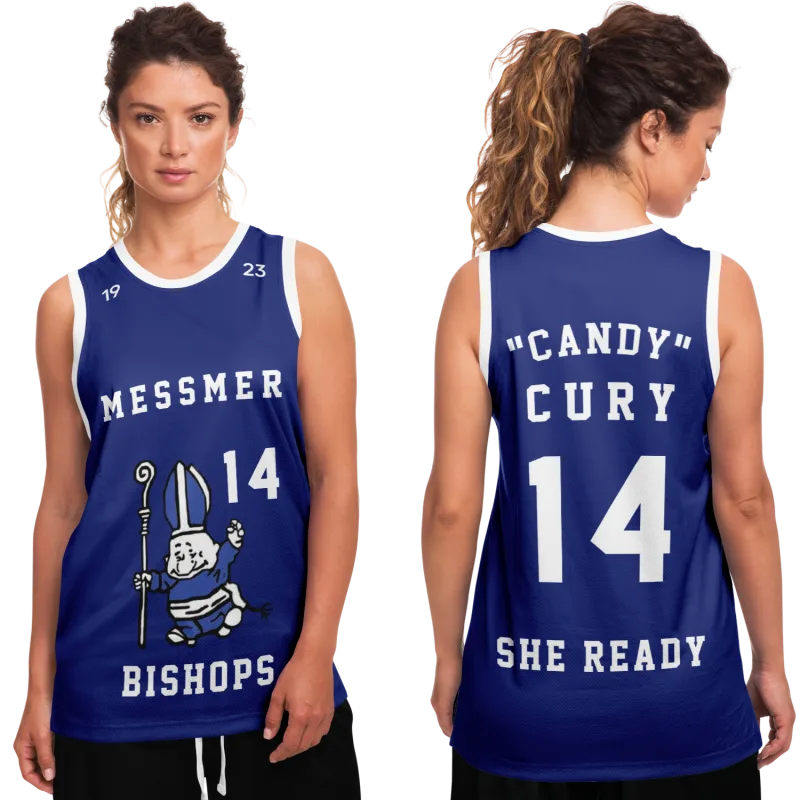
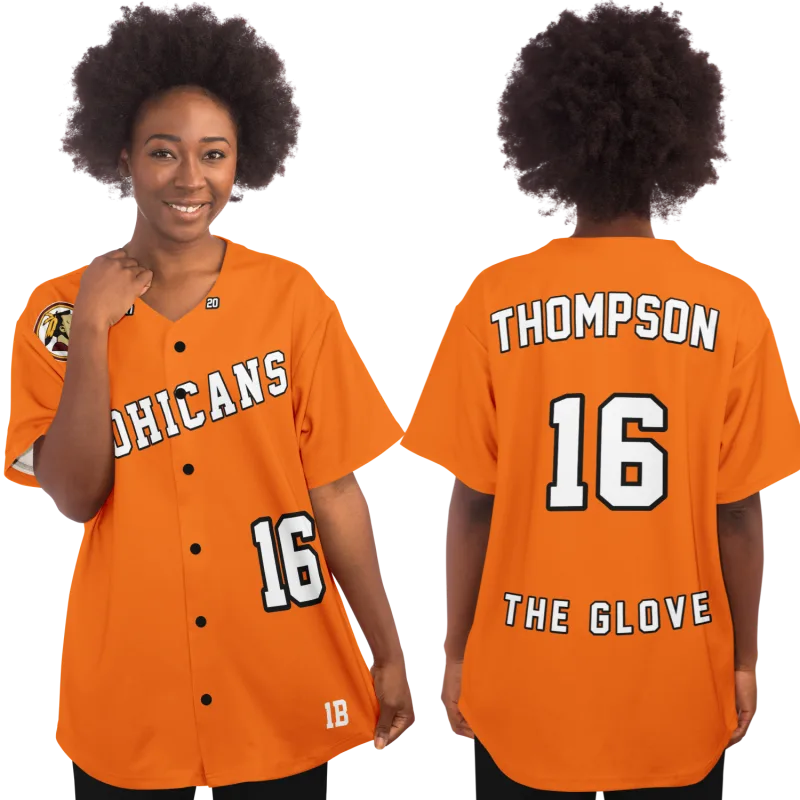
Of all seven, the last one tends to land hardest, and it's the one people postpone the longest. There's something about putting on a jersey with your name and number on it that collapses the distance between then and now. It's not a costume. It's not pretending. It's the visible, physical version of a statement you've been keeping quiet: I was part of something, and I still am.
Plenty of former players keep the original game jersey in a closet or a frame. That's a good instinct, and the original deserves its place. But originals get worn thin, outgrown, or locked behind glass. A custom jersey made to match your old number and colors gives you something you can actually wear, to a watch party, to a reunion, to the gym on a Saturday morning, without risking the one-of-one artifact.
Other jerseys exist, of course. Fashion-label sports apparel is popular off the field, but it isn't built around your name, your number, or your playing days. That's the gap a personalized jersey fills.
What a Year-End Reflection Should Actually Include
If you want to turn that quiet December feeling into something useful, rather than letting it wash over you and fade by January 3rd, treat it like a short, honest conversation with the player you were. Not a performance review.
Three Questions Worth Sitting With
What did that player want? Not the trophy or the stat. The underlying thing. Respect? Belonging? To be pushed? To be trusted with the ball when it mattered?
Where in my current life is that want still unmet? This question usually stings a little, and it's the most useful one. Many former athletes find that what they miss isn't the sport. It's the feeling the sport delivered, and that feeling can sometimes be found elsewhere: coaching a youth team, joining a rec league, mentoring, running with a group, taking on a hard project alongside other people.
What would that player say to me right now? Be honest. They'd probably say something short and unsentimental. "Get up. Go again." Whatever it is, it's usually right.
A Note on When the Feeling Gets Heavier
For some people, the post-career transition isn't wistful, it's genuinely hard. If December brings more than nostalgia, if it brings persistent low mood, loss of interest in things, or a sense that you've lost your footing entirely, that's worth talking to a professional about. Many sports psychologists and counselors specialize in exactly this transition, and reaching out is the same instinct that made you a good teammate: you recognize when someone needs backup, and sometimes that someone is you.
Turning Reflection Into a Ritual
One reflection is a moment. Three years of reflections is a tradition. Former athletes who build a small annual ritual around the end of the year tend to describe a steady, anchoring effect: the past stops feeling like something slipping away and starts feeling like something carried.
A ritual doesn't need to be elaborate. A few that work:
- The annual group text. Pick a date near the new year and send the same message to the same group of teammates every time: a favorite photo, a memory, a "who's got the best story from that road trip?"
- The game-day call. On the anniversary of a game that mattered, make one phone call.
- The jersey Saturday. Once a year, wear the jersey, watch a game, tell one story to someone younger.
- The one-line journal. Each December, write a single sentence about what your playing years still teach you, and keep them in the same notebook.
Passing It Forward
This is what Joseph Campbell would call the return: the hero comes home with something to give. Your playing days produced stories, lessons, and standards. A niece, a nephew, a neighbor kid, a younger teammate, a son or daughter, someone is watching how you carry that history. The way you talk about your career, with pride but without bitterness, teaches more than any pep talk.
You don't have to be the star of the story. Denise wasn't a household name. She was a setter at a mid-size program. But her daughter now tells her friends, "My mom was number 7." That's legacy, and it didn't require a trophy case.
The Player You Were Is Still in There
Every year around this time, you'll feel it again. The pull. The memory. The brief flash of the old rhythm in your chest when a crowd noise swells on TV. You don't have to fight it, and you don't have to wallow in it. You can acknowledge it, honor it, and carry it into the next year as part of who you are, not as a monument to who you were.
The cleats are hung up. The number is retired from your daily life. But the player, the one who showed up, who gave a damn, who knew what it meant to belong to something, is not a ghost. That player is the foundation you're standing on.
So before the year turns over, say the number. Make the call. Pull the photo out of the box.
And maybe put the name back on your back.
Your jersey is still out there waiting.
Design yours in minutes and see your name and number exactly the way you remember it.
Frequently Asked Questions
Why do I feel so nostalgic about my playing days at the end of the year?
Year-end is a natural reflection point for almost everyone, and for former athletes it carries extra weight. The calendar prompts you to take stock of what you've done and who you are, and for people whose identity was heavily shaped by competitive sport, that question almost always circles back to the playing years. It's normal, common, and generally a healthy sign that your athletic chapter mattered to you.
Is it normal to miss being an athlete years after I stopped playing?
Yes. Many former athletes report that the missing doesn't fade on a neat timeline; it tends to flare around anniversaries, seasons, and big games. What you're often missing isn't only the competition itself but the structure, the teammates, the clear goals, and the identity that came with it. Finding new outlets for those things, such as coaching, rec leagues, mentoring, or group fitness, helps many people feel more grounded.
How can I honor my athletic past without living in it?
The most reliable approach is small, deliberate acknowledgment rather than constant reliving: displaying one meaningful artifact, staying in touch with a few teammates, telling your story to younger people, and occasionally wearing your number. The goal is to carry your history as part of your identity, not to measure your present life against it.
What's a good way to reconnect with old teammates at the end of the year?
Skip the vague "we should catch up" message and send something specific: a memory, a photo, a line from a game you both remember. Specific messages get replies because they give the other person something easy and fun to respond to. Setting a recurring annual date, like a group text every December 28th, turns a one-time reach-out into a tradition.
Can I get a custom jersey with my old name and number if I'm not playing anymore?
Yes. A custom jersey lets you recreate your name, number, and team colors as a wearable keepsake, separate from your original game jersey, which you may want to keep preserved. Many former athletes wear theirs to watch parties, reunions, and game days as a way of staying connected to their playing days.
When does nostalgia become something I should talk to a professional about?
If the feeling goes beyond wistfulness into persistent low mood, loss of interest in daily life, withdrawal from people, or a sense that you've lost your identity entirely, it's worth speaking with a counselor or sports psychologist. Many professionals specialize in athletic transition, and seeking support is a strength, not a sign that something is wrong with you.
See also: why quitting felt like losing yourself | the grief of mourning the end of your athletic career | why your senior season memories are so vivid | how to start training again after years away from your sport