

Athletic identity fluctuations are something almost every former competitor experiences — and almost nobody has a name for until they go looking.
You know the pattern. Some mornings you wake up and the athlete is right there, close to the surface, ready. You move with a little more intention. You clock your pace without meaning to. You watch a highlight and feel it in your chest, not just your eyes. Other mornings the same highlight plays on your phone and it feels like footage from a stranger's life — interesting, distant, belonging to someone younger and less tired than you currently are.
This is not confusion. It is not nostalgia misfiring. The psychological literature on identity after sports has a specific framework for what you're going through, and understanding even the outline of it changes the way you carry this particular part of yourself forward.
What the Research Actually Says (Translated From Academic to Human)
Sports psychologists have spent decades documenting what happens to a person's self-concept when their athletic career ends — whether that ending arrived through injury, age, a roster decision, or the slow accumulated weight of adult life making competition impractical. The core framework is called athletic identity: the degree to which a person defines themselves through their role as an athlete.
The higher that identity — the more central sport was to how you understood yourself during the years you competed — the more disorienting the transition out of active competition tends to be. Two documented phenomena sit at the center of the fluctuation you're experiencing:
Athletic identity foreclosure describes what happens when an athlete builds their entire self-concept around sport, without developing parallel identities alongside it — no professional self, no creative self, no relational self that exists independently of the team. When competition ends, the structure doesn't transition. It collapses. The person is left reaching for something that used to be load-bearing and finding air.

Identity transition is the longer, messier process of integrating the former athletic self into a more composite identity — one that holds the athlete alongside everything else you've become. This is not a single event. It takes years, sometimes longer, and it is not linear. It's an ongoing negotiation between who you were at your peak and who you are in the life you've built since. The fluctuation between feeling like an athlete and feeling like a former one is that negotiation happening in real time.
The fluctuation isn't dysfunction. It's the work.
Why the Fluctuations Feel So Unpredictable
You're the same person on Tuesday that you were on Saturday. Same history. Same muscle memory. Same set of locker-room moments stored somewhere in the back of your nervous system. So why does the athlete feel available on one day and completely absent on another?
Identity doesn't function like a fixed file you carry everywhere at the same volume. It functions more like a context-dependent system — certain selves get activated by certain inputs, and without those inputs, those selves go quiet. Here's what's actually driving the shifts:
Environmental cues reinstate the athletic self
Walk into a gym with rubber flooring and the specific smell of exertion. Stand near a court where someone is running drills. Pick up a ball that fits your hand the way the ones from practice did. Something in your body responds before your conscious mind has processed anything. This is not poetic license — the brain encodes identity and motor memory together with sensory context. The smell, the sound, the physical weight of the object: these are reinstatement cues, and they pull the athletic identity from storage into the present tense without asking permission.
On a Tuesday morning with no cues — desk, coffee, inbox — there's nothing to reinstate. The athlete isn't gone. The activation signal is absent.
Physical state determines which self is accessible
Athletes are trained, fundamentally, to inhabit their bodies. The body-in-motion state is where the athletic identity was built and repeatedly reinforced. When you're rested and moving well, the athlete is much closer to the surface. When the body is depleted, sedentary, or just grinding through a difficult week, that version of you goes quiet — not because it left, but because the physical state that carries it isn't present.
This is why a hard workout can feel, briefly, like recovering something. The identity didn't return. The state that holds it did.
Social context determines which identity gets reflected back
In our experience, the people who connect most directly with this topic are living in two simultaneous worlds: the world where they are a colleague, a parent, a partner — and the internal world where they are still someone who competed at a level that shaped everything about how they think, move, and read situations.
With former teammates, the athletic identity surges. In a conference room with people who've never seen you play, it recedes. The social mirror shifts, and a different self appears in it. Neither reflection is false. Both are showing you something real.
The Athlete Identity Crisis Nobody Names
There is a version of the athlete identity crisis that doesn't look dramatic. It doesn't look like anything, from the outside. It's not the injury that ended the career or the final game you knew was the last one. It's quieter and arrives later, sometimes years after you've built a life that by every reasonable measure is working.
It arrives when a former teammate posts a throwback photo and something in you responds with an emotion that doesn't have a clean label. Not quite grief. Not quite regret. More like the sudden awareness of a door you didn't know you'd closed — and the brief, disorienting question of whether you were finished walking through it when it shut.
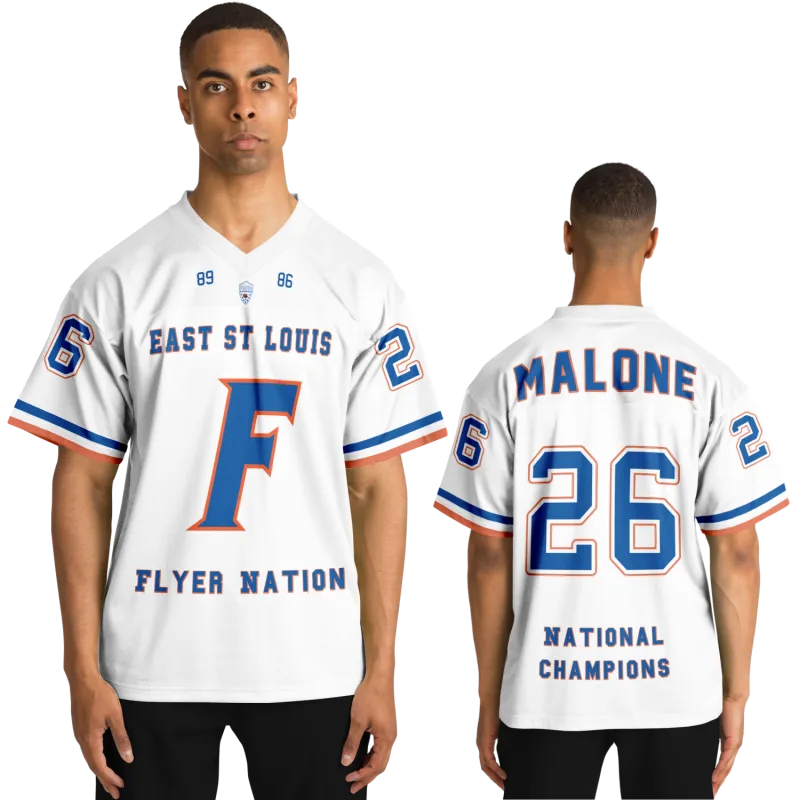
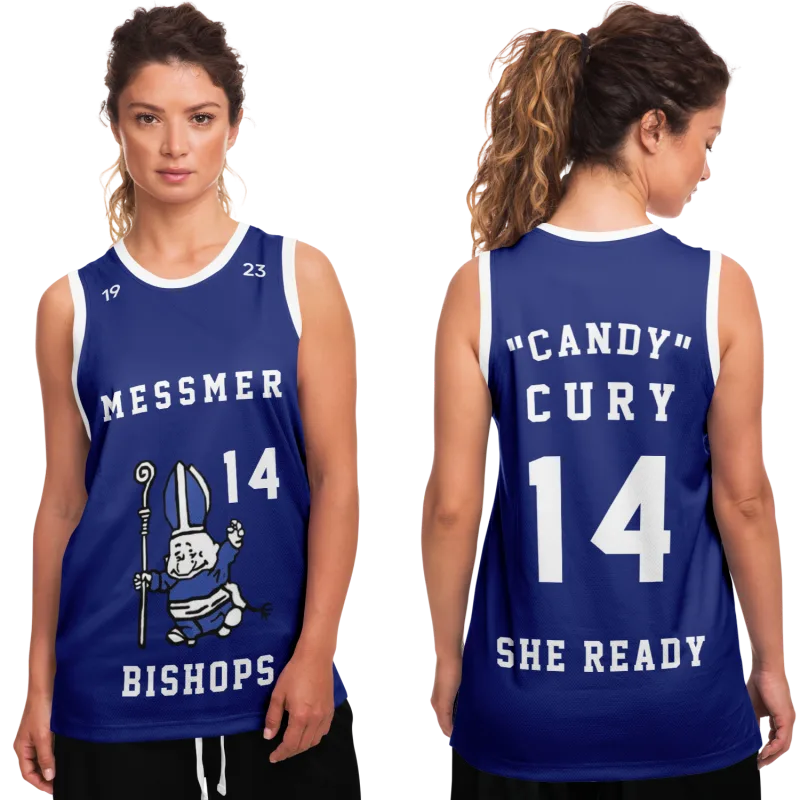
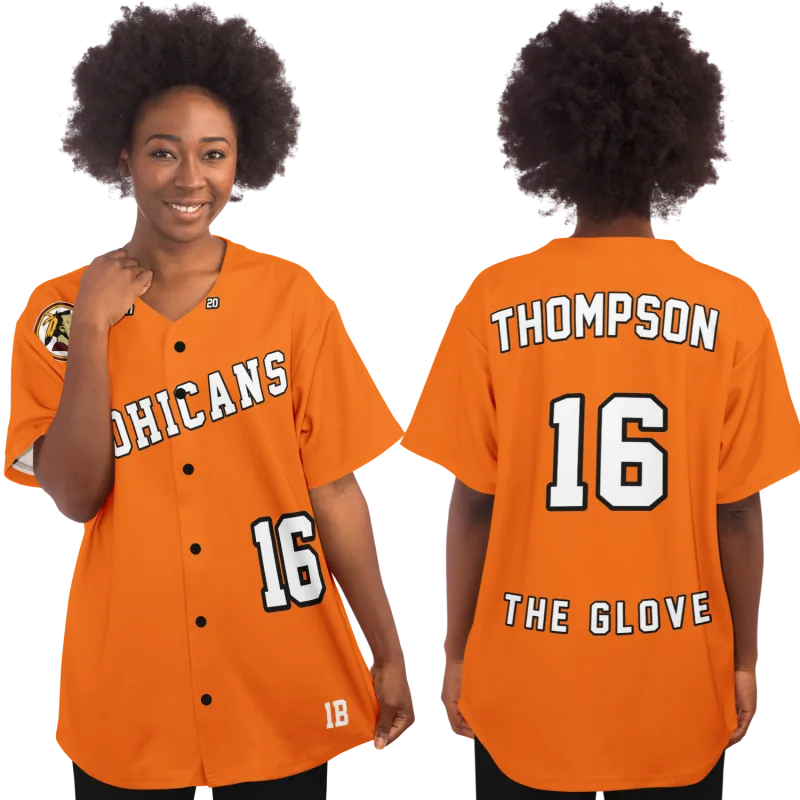
Maria K., 38, played collegiate softball for four years at a Division II program in the Midwest. She coaches her daughter's rec league now and describes a specific ritual: after every practice, she sits in the car for about five minutes before driving home. Not because she's sad. Because she needs a moment to re-integrate. The version of her that shows up to coach — the one who reads pitch mechanics automatically, who gets genuinely competitive about a ten-year-old's footwork, who still corrects a swing before she's consciously decided to — that version needs a minute to make room for the rest of her life. She ordered a custom jersey with her old number from iPlayedFor. She doesn't wear it to practice. She wears it on days when she just wants to feel like herself without having to explain to anyone what that means.
That's not being stuck. That's knowing which object holds a particular self, and reaching for it deliberately.
The Athlete-to-Adult Transition Is Not a Straight Line
The conventional narrative about the athlete-to-adult transition treats it like a sequence: you compete, you stop competing, you grieve, you adjust, you move on. Each phase replacing the last. Identity resolved.
That's not how it works.
Research published in the Journal of Sport and Exercise Psychology has documented that former elite athletes frequently experience recurring identity salience — moments when the athletic self becomes suddenly and unexpectedly central again — even decades after their last competitive appearance. The triggers are environmental, relational, and physical. They are not predictable by calendar. They are also not signs of incomplete adjustment.
The athlete-to-adult transition is not a path you walk once and finish. It's a relationship between two versions of yourself that you renegotiate across an entire life. Some seasons the athlete is quieter. Some seasons — when the body is moving well, when an old context reactivates, when someone hands you the ball — the athlete is right there at full volume.
Both seasons are part of the same continuous identity. Neither one is the interruption.
What identity expansion actually looks like
The sports psychology literature describes the healthy outcome of athletic identity transition not as the athlete-self fading but as the self expanding to hold more. Psychologists call this identity expansion — the former athlete develops professional, relational, and creative identities that coexist with the athletic one, so no single identity has to carry the entire structure of the self.
The former athlete who has done this work is recognizable not because they've stopped feeling like an athlete, but because they can move between selves without either one feeling like a lie:
- The tired Tuesday version isn't evidence of loss — it's just Tuesday.
- The Saturday version that laces up and finds the competitive edge isn't borrowed time — it's a real part of the same person showing up in the conditions that bring it forward.
- Neither state cancels the other. Both are available.
The fluctuation stops feeling like instability. It starts feeling like range.
What Feeling Like an Athlete Still Is Actually Telling You
On the days when the athlete shows up — when the pickup game activates something you forgot was still there, when the instincts fire faster than your conscious mind keeps up, when your body moves with a fluency that doesn't match how the week felt — that's not a ghost. That's not the past hijacking the present.
That's evidence of what you built.
Feeling like an athlete still, at 35 or 42 or 51, is not denial of what changed. It is recognition of what didn't. The discipline that made early practice bearable. The ability to read a room the way you read a defense. The comfort under pressure that other people in your life sometimes remark on without knowing where it came from. The understanding, built into your body over years, that your best performance requires preparation rather than inspiration.
These are not things that happened to you during your playing days. They are things you became. The jersey fits differently. The body reports back more insistently than it did at 19. The day after the game lands harder. None of that touches the identity underneath.
The athletic self doesn't need you to still be competing to be real. It needs you to stop treating its quieter days as evidence of its absence.
Your jersey is still out there waiting.
Design yours in minutes and see your name and number exactly the way you remember it.
Frequently Asked Questions
Is it normal to feel like an athlete some days and completely disconnected from that identity on others?
Yes — and the sports psychology literature supports it. What you're experiencing is a documented feature of athletic identity, not a failure of adjustment. Identity is context-dependent: it gets activated by environmental cues, physical state, and social context, and when those inputs aren't present, the identity goes quiet rather than disappearing. The fluctuation is evidence that the athletic identity was genuinely significant, not that something is wrong with how you've transitioned out of active competition.
What's the difference between athletic identity foreclosure and a healthy athletic identity in adulthood?
Athletic identity foreclosure describes a self-concept built entirely around sport, with no parallel identities developed alongside it. When competition ends, the structure has nowhere to go — it collapses rather than transitions. A healthy athletic identity in adulthood coexists with other identities: professional, relational, creative, civic. The former athlete who can feel completely like an athlete on Saturday and completely like a professional on Tuesday — without either state feeling fraudulent — is closer to integration than the person who only feels like themselves when competing.
Why do certain smells, sounds, or places make me feel like I'm suddenly back in it?
These are reinstatement cues. The brain encodes memory and identity together with the sensory context in which they were formed. The smell of a gym, the specific sound of sneakers on a court, the weight of a ball in your hand — these were all present during the years your athletic identity was being actively built. Encountering them later reactivates the same neural patterns, pulling the associated identity state into the present. It feels sudden because it bypasses conscious processing. It's the system working exactly as it was built to work.
Does wanting to wear a jersey with my old number mean I haven't moved on?
No. Physical objects that carry identity meaning serve a real psychological function — they're anchors for a self that doesn't require performance or audience to be real. Wearing a jersey with your name and number on it is a way of maintaining continuity with a significant part of your identity on your own terms, without needing to explain it to anyone or perform it for a crowd. The meaningful distinction isn't about the object. It's about whether the connection lets you be fully present in the rest of your life — and for most former athletes, it does exactly that.
See also: athletic identity after high school | the gap between your athletic memory and your current body | grief nobody talks about when your playing days end