

There is a specific weight that settles in the week before a senior athlete's last game. It isn't grief, exactly. It isn't celebration either. It's both things pressed together: the pride of everything that was built and the quiet understanding that the version of themselves that built it is about to step back.
You've watched it happen. In a locker room, on a sideline, in a dugout. The senior who stays a little longer after the final practice, running one more sprint nobody asked them to run. The one who lingers at the equipment room door as if memorizing the smell of the place. They're not being dramatic. They're doing what athletes do, refusing to let something matter without honoring it on the way out.
If you're searching for the right gift for a senior athlete, you already understand this. You're not looking for a participation trophy or a gift card. You're looking for something that says: I saw you. All of it. Not just the wins.
That instinct is the right one. Follow it.
The Last Game Is Different From Every Other Game
Most athletic milestones are about what's next. A championship points toward a future. A personal record is a number to beat. A first start is the beginning of something.
The last game is different. It points backward. It says: this is what the whole thing has amounted to. Every early morning, every recovery day, every game played through pain or fatigue or doubt. It all accumulates and arrives at this one final moment on the field, the court, the track, the pool.
Senior athletes often describe the experience as surreal. The game itself feels both exactly like every other game and completely unlike any of them. They're executing the same movements they've executed thousands of times, but their body knows this is the last time. There's a clarity to it that most other athletes (the ones still in the middle of their careers) haven't felt yet.
The people around them feel it too. Parents who have driven to hundreds of practices over years. Teammates who have run alongside them through conditioning drills in August heat. Coaches who have watched them grow from awkward freshmen into leaders. Everyone in that stadium or gymnasium or natatorium on a senior's last day carries something they might not know how to name. If you're the coach or parent trying to find the right way to honor it, our end-of-season gift guide for coaches and parents is written for exactly this moment.
What a good gift does (the kind that actually lands) is name it for them.
What Senior Athletes Actually Remember
Every former athlete remembers the people who showed up at the end.
Not just at the final game (though that matters) but in the days around it. The teammate who knocked on their locker and said something real. The parent who wrote something down instead of just saying it out loud, because they knew it would disappear into the noise of the moment. The coach who pulled them aside at the last practice and told them something specific: not general praise but a particular observation, something that proved they had been seen.
The gifts that last are the ones built around this principle: specificity is love.
A gift that could have been given to any athlete, at any stage, in any sport, communicates something unintentional. It says: I wanted to do something. A gift that could only have been given to this particular athlete, at this particular moment, for this particular sport and career, says something else entirely: I was paying attention. The whole time.
The most meaningful gifts share one quality. They answer a question the athlete has been carrying and may not have voiced: Did it matter? Was it worth it? Did anyone notice what I put into this?
The right gift answers all three.
The Four Categories of Gifts That Actually Mean Something
Not every gift for a senior athlete needs to be expensive. Several of the most memorable ones cost almost nothing. What they cost is attention: the kind that took years to accumulate.
Something Worn
Athletes are tactile people. Their relationship with their sport is physical. They experience it through their body, through repetition, through the specific feeling of movement executed correctly. A wearable gift connects directly to that sensory identity.
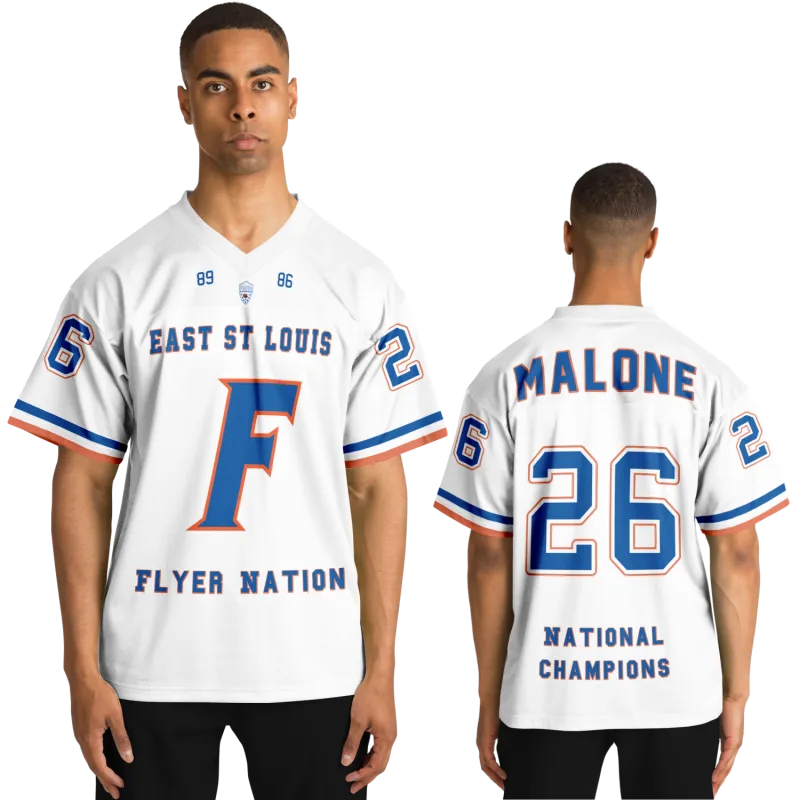
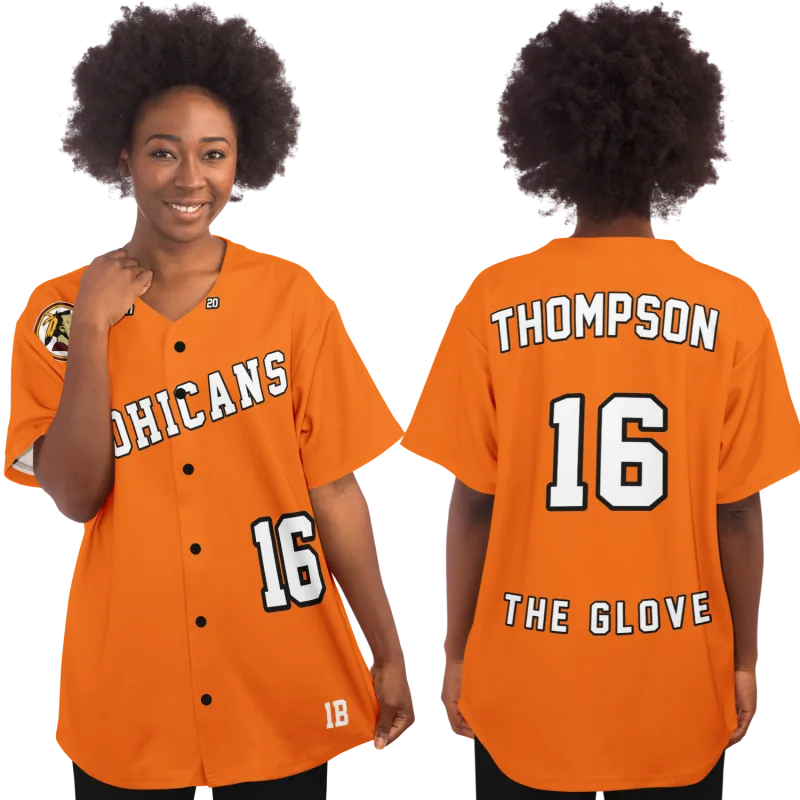
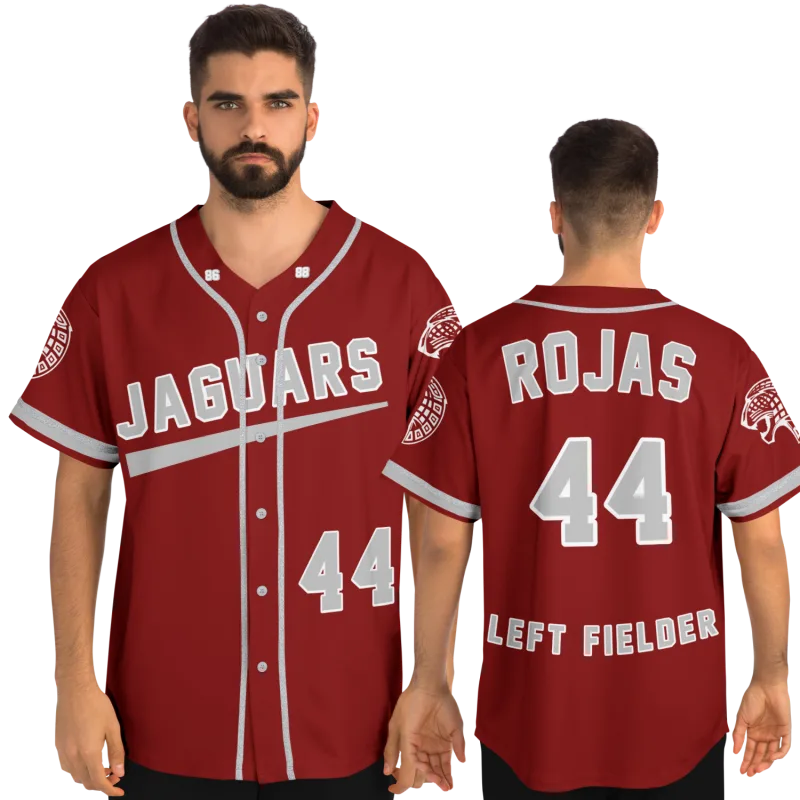
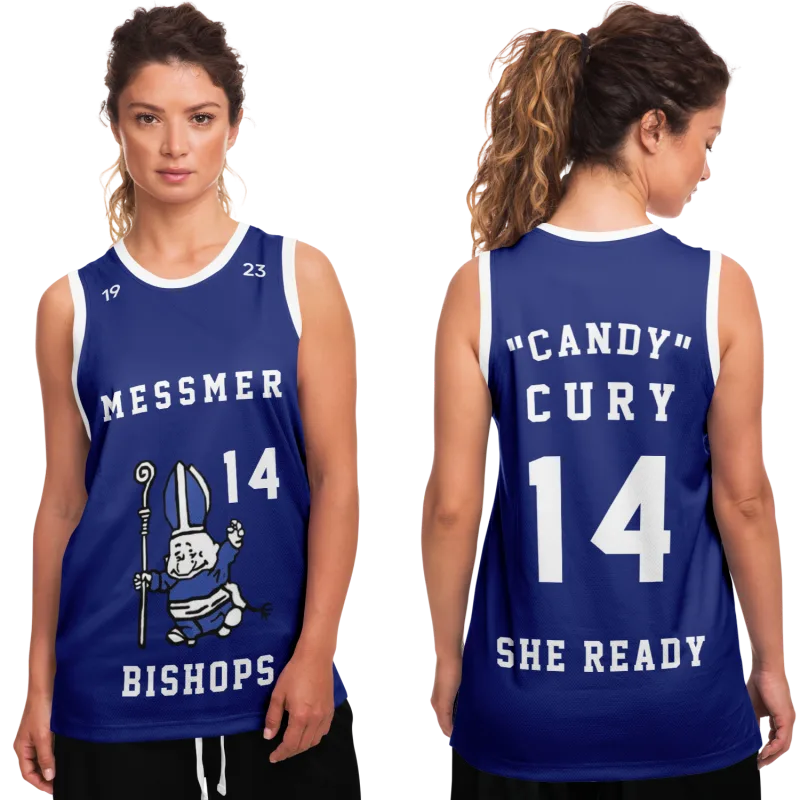
A custom jersey is the clearest expression of this. Not a generic team jersey, but one bearing their name and number: the specific combination that belonged to them and nobody else on that roster. The number they chose, or were given, and wore long enough that it started to feel like a piece of their identity. When the season ends, that number gets reassigned. The jersey makes it permanent.
For a sport like basketball, football, soccer, volleyball, or lacrosse (any sport where a jersey is central to the uniform), a custom jersey that the athlete can actually keep is among the most lasting things you can give. They will wear it. They will hold it up and feel something that's hard to describe but easy to recognize if you've ever worn a uniform yourself.
This is different from a team photo or a trophy. It is an object that belongs specifically to them, that carries their name, that represents the exact role they played on that team. It doesn't go in a drawer. It goes somewhere they can see it.
Something Written
The spoken word at emotional moments is unreliable. People mean to say important things and don't, because the moment comes and goes faster than they expected. Or they say something but the noise and movement of a postgame environment swallow it before it can land.
Written words are different. They persist. They can be read again on a harder day, years later, when the athlete is no longer a senior but a former athlete trying to remember who they were.
A letter is one of the highest-leverage gifts available to anyone close to a senior athlete. Not a card with a pre-printed sentiment: a letter written specifically for this person, containing specific observations, specific memories, specific acknowledgments of specific moments. The game where they played hurt and nobody knew. The season where they almost quit and didn't. The leadership they showed that doesn't appear in any box score.
If you played, you know: nobody forgets the handwritten letter. The trophy might get lost in a move. The plaque might come down from the wall. The letter gets kept.
A written gift can also take other forms: a journal for the transition ahead (because the adjustment from active competitor to former athlete is real and often underacknowledged), a scrapbook assembled by teammates, or a collection of written messages from everyone who was part of the journey.
Something Captured
Memory is imperfect, and athletes know this better than most. The game they remember as their best performance may not have been captured well. The moment that defined a season might exist only in the recollection of the people who were there.
A photograph (a real, printed photograph, not a digital file) of a meaningful moment from the career is a gift with decades of relevance. Not a team photo taken at media day but an action shot that shows the athlete doing the thing they were built to do. The one where you can see the effort in their body, or the joy in their face, or the focus that tells you they were completely present in that moment.
If you have access to game footage, a highlight compilation (even a modest one, even assembled simply) gives the athlete something to share with people who weren't there. Their future partner. Their children, eventually. The version of themselves thirty years from now who wants to show someone what it looked like.
Frame the photograph. Put it in something that communicates that this is worth displaying, not filing.
Something That Acknowledges What's Next
The transition out of competitive athletics is one of the more quietly difficult passages in a young person's life. The structure disappears. The identity that was tied to the sport — which, for most serious athletes, is substantial — needs to find a new shape. The community of teammates and coaches that provided belonging reorganizes. Processing that ending — the last practice, the last game, the last bus ride home — is worth its own attention, and we've written about the senior's final walk in depth.
A gift that acknowledges this transition — not with anxiety but with confidence — is rare and valuable. It might be a book about athletes who navigated this passage thoughtfully. It might be a conversation about how athletic identity doesn't disappear, it evolves. It might be something practical: a gym membership, a running watch, a way of saying you're still this person, just in a new chapter.
The message underneath all of this: the athlete isn't losing an identity. They're adding a layer to it. The competitor doesn't stop existing when the eligibility does. It just changes form.
A Story That Illustrates the Difference
Maya R., 18, played four years of varsity volleyball at a mid-sized high school in the Midwest. She wasn't the team's leading scorer — she was the libero, the defensive specialist, the one who dove for balls that other players had already given up on. Her name rarely appeared in headlines. Her teammates knew exactly what she contributed.
In the week before her final match, her teammates pooled together and ordered her a custom jersey with her name and number on the back — the number she had worn since sophomore year, the one she had become known by in the gym. They presented it to her in the locker room after the last practice, before anyone had changed out of their gear. She didn't say anything for a long moment. Then she said, "I didn't think anyone was keeping track."
That sentence is the one worth sitting with. She didn't think anyone was keeping track.
The gift that tells an athlete someone was keeping track is the gift that lasts.
How to Personalize Any Gift for Maximum Impact
The difference between a meaningful gift and a forgettable one is almost always specificity. Here is how to apply it regardless of what you choose:
-
Name something particular. Reference a specific game, a specific moment, a specific quality you observed over time. "I remember the game against Jefferson when you came off the bench and changed the whole second half" is infinitely more powerful than "you were a great player."
-
Acknowledge the invisible work. Athletes know that most of what they do is unseen — the early mornings, the film study, the rehab from injuries, the mental work of competition. Naming that invisible labor tells them you understood the whole picture.
-
Speak to who they are, not just what they did. The best gifts honor the character the sport developed, not just the performance record. Coachability. Resilience. Leadership that happened quietly, without a title.
-
Don't rush the delivery. A meaningful gift presented in a rushed moment loses half its power. Create the conditions for it to land — a quiet room, a small gathering of the people who matter most, enough time for the emotion to breathe.
Your jersey is still out there waiting.
Design yours in minutes and see your name and number exactly the way you remember it.
Frequently Asked Questions
What is the most meaningful gift for a senior athlete?
The most meaningful gifts are specific rather than generic. Custom items bearing the athlete's name and number, handwritten letters containing particular observations about their career, or photographs from significant moments tend to land harder than anything purchased from a generic gift list. The common thread is that the gift communicates: I was paying attention to you specifically. Athletes at the end of their careers are often quietly asking whether what they built mattered to anyone beyond themselves. The best gift answers that question clearly.
When should I give a senior athlete their gift — before or after the last game?
Both moments have merit, and the answer depends on the nature of the gift. A wearable item like a custom jersey, or a keepsake photograph, can be given before the final game without diminishing the day — in some cases, it adds to the gravity of the occasion. A handwritten letter or a collection of messages from teammates tends to land better in the quieter days after the final game, when the noise has settled and the athlete has space to actually receive what you've written. If you're presenting something in a group setting, before or immediately after the final game while everyone is together is often the right moment — but give them time to be alone with it later.
Is a custom jersey an appropriate gift even if the athlete's team already has jerseys?
Yes — and this distinction matters. A custom jersey from a site like iPlayedFor is not a replacement for a team uniform. It's a keepsake: a custom jersey bearing the athlete's name and number that belongs entirely to them, that they can keep, wear, and hold onto after the season ends. Team jerseys are typically returned. A personal custom jersey is permanent. For athletes in sports where a jersey is central to the uniform — basketball, football, soccer, volleyball, lacrosse, hockey — a custom jersey built around their specific number and name is often the most meaningful physical object they receive at the end of their career.
What do you say to a senior athlete on their last day?
Say something specific. Not "you were great" or "congratulations" — say the particular thing you observed that you want them to carry forward. Name a moment. Describe a quality. Tell them something about who they were in that locker room or on that court that they may not have known you noticed. Athletes at the end of their careers are not looking for praise — they've received that. They're looking for proof that the people around them understood the full picture. That's what you can give them, with words if nothing else.
See also: personalized gifts that make a former athlete feel truly seen | why senior night still hits so hard | the grief that comes with the end of a high school athletic career | create a custom sports shadow box to honor the career | why high school sports gifts carry so much emotional weight