
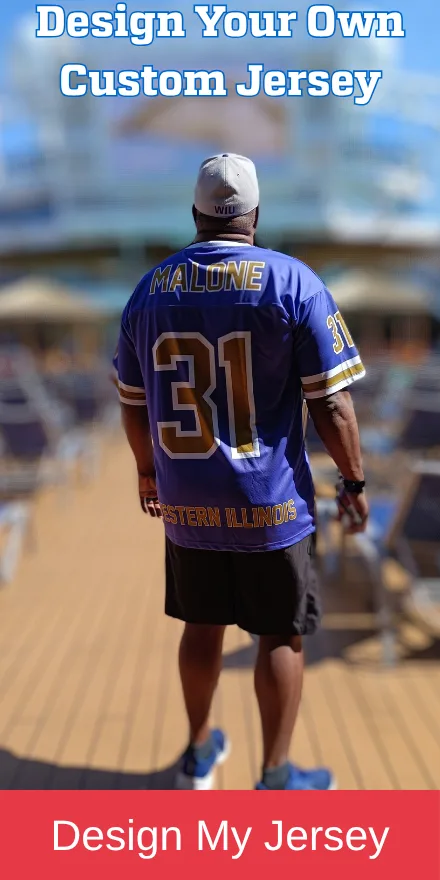
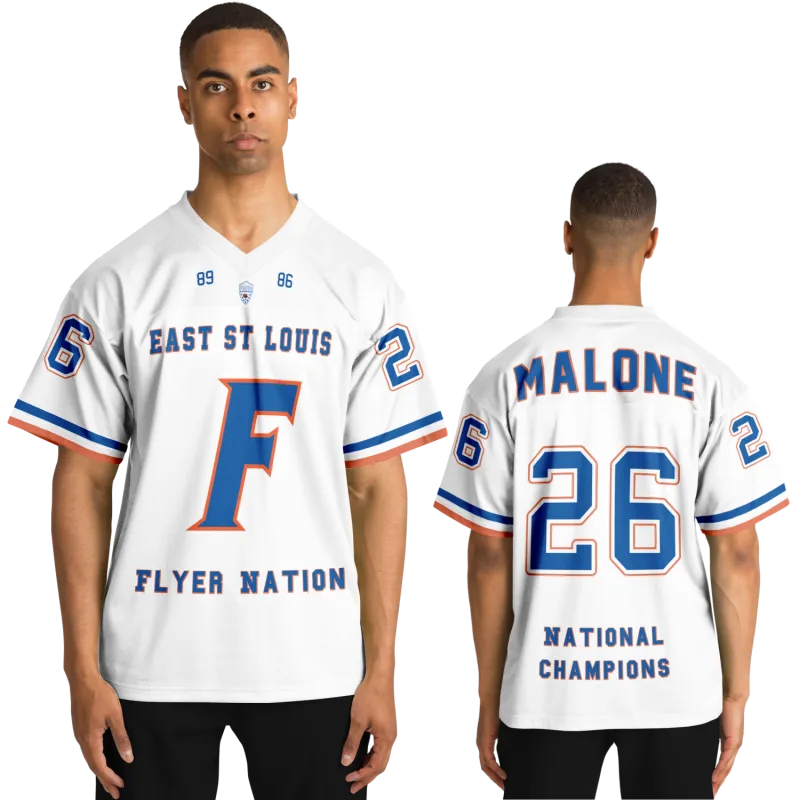
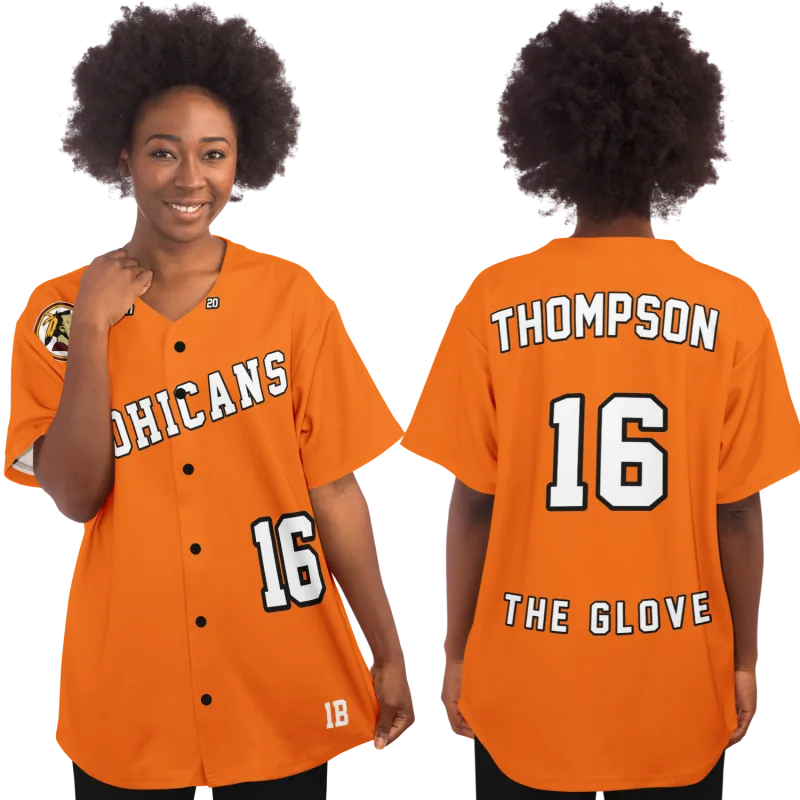
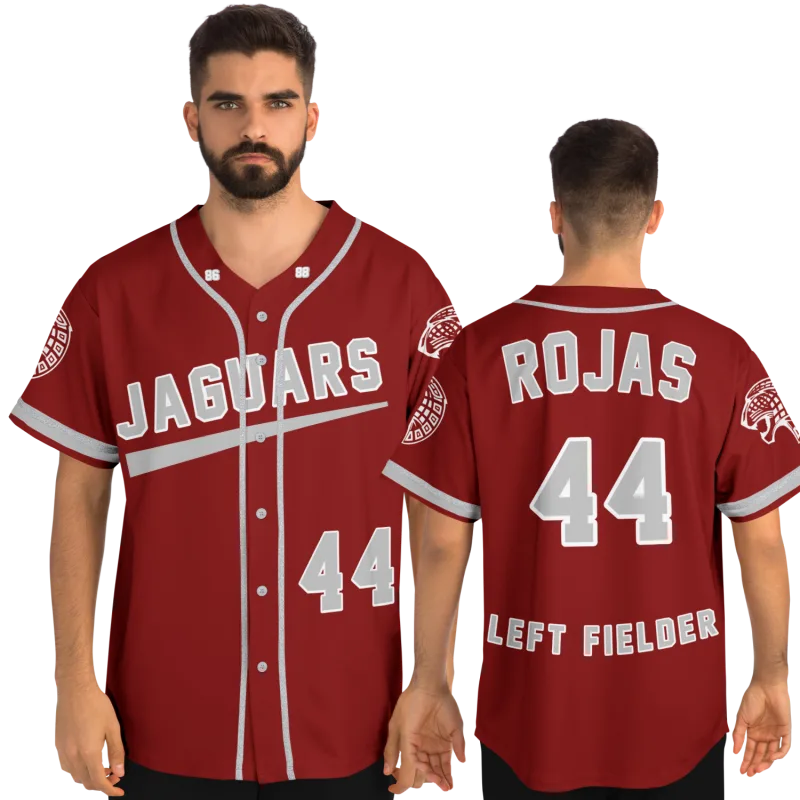
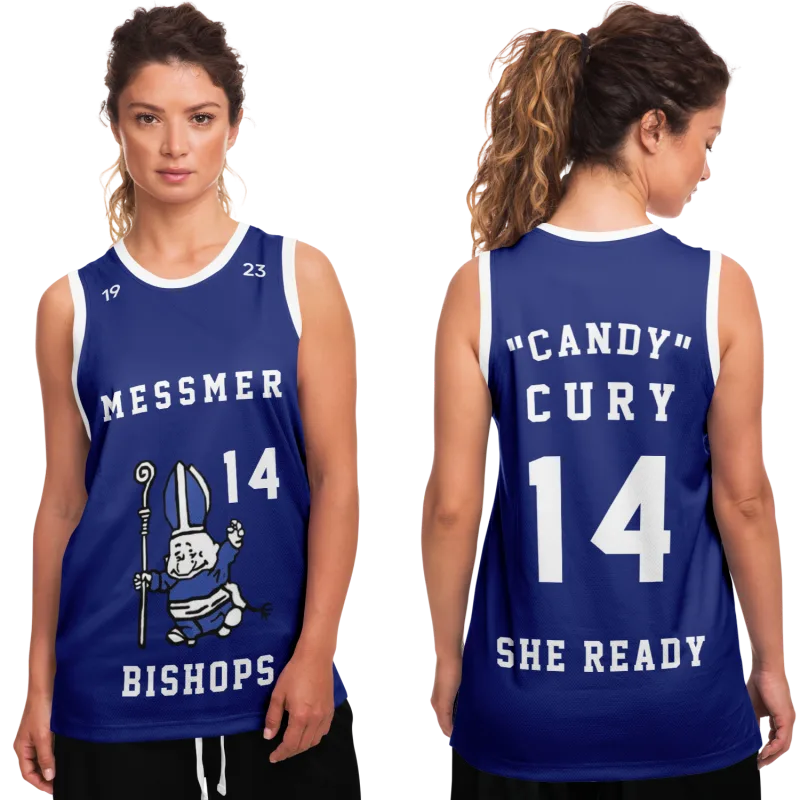
It's sitting in a box somewhere. Maybe the closet shelf. Maybe your parents' garage, in a bin that hasn't moved since you moved out.
A jersey with your name on the back. A program from the championship game. A photo where everyone's grinning under stadium lights and you're seventeen and it doesn't occur to you yet that this is one of the nights you'll remember for the rest of your life.
If you've been asking yourself what to do with old sports memorabilia from high school (or if you haven't asked the question yet but you felt something the moment homecoming season rolled around), this is the article that actually helps you figure it out. Not the generic "frame it or donate it" advice. The real options, what each one takes, and how to decide which one fits your situation.
The Memorabilia Is Still There Because It Meant Something
This is the thing worth saying out loud before we get to tactics: the reason that jersey is still in the box (even though you've moved, even though years have passed) is that you couldn't make yourself get rid of it.
That's not clutter. That's a signal.
You kept it because it represented something real. The team. The season. The version of you who worked for something and earned it. High school sports are, for a lot of people, the first time they experience genuine commitment and its rewards. The first time the scoreboard reflects something you actually built.
The problem isn't that you kept it. The problem is that it's in a box.
Most memorabilia ends up there not because it's unimportant but because no one ever made a clear decision about it. And the options felt either too permanent ("I'll frame it") or too painful ("I should just donate it"). So it went into a bin, and the bin went into a closet, and homecoming comes around every fall and you think about it for a moment and then the moment passes.
This year, let's make the decision.
Four Real Options — What Each One Actually Looks Like
1. Display It (And Actually Do It)
The most common advice. Also the least followed, because "display it" is not specific enough to act on.
Here's what display actually looks like when it works:
The shadow box approach is the most popular for good reason. A deep-frame shadow box lets you layer items (a jersey folded or rolled, a game program, a photo, a medal or ribbon) into a single framed piece that belongs on a wall rather than in a bin. Craft chains like Hobby Lobby or Michael's carry shadow boxes in sizes that fit most jerseys, and the framing process takes about an hour with basic supplies. The result looks intentional, not dusty.
The dedicated shelf works better for collections: multiple seasons, multiple sports, or when you have more three-dimensional items like trophies or game balls. A floating shelf in a home office or den keeps the items visible without requiring you to commit to a single curated arrangement.
The garage or game room display is underrated. If you have a space that skews casual (a workshop, a finished basement, a sports-watching room), a mounted jersey or a framed team photo fits there the way it would never quite fit in a living room. The context is right.
The key with any display option: decide on one specific item to anchor the display. Not everything. One thing. The jersey, or the photo, or the medal. That anchor makes the rest of the arrangement easier and prevents the display from feeling like a storage decision instead of a design one.
2. Donate or Pass It Forward
Some memorabilia genuinely belongs in someone else's hands. Specifically:
- Equipment that's still functional and safe (bags, cleats in good condition, training gear)
- Programs, newspapers, and regional coverage from games that local historical societies or school archives might actually want
- Items that belong to a team rather than an individual (a shared trophy, a team photo print) that the school itself might want for a display case
What doesn't belong in a donation bin: your jersey with your name and number on it. That one is yours. The personalization is the point. No one else can wear it the same way you did.
A quick word on "is any of this worth money?": because it comes up more than any other question when someone finally opens the box.
For the vast majority of high school memorabilia, the honest answer is no — and that's not a disappointing answer, it's the normal one. A jersey with your name on it, a trophy from a regional game, a program from a season that mattered to you and maybe forty other people: these have almost no resale market, because their value lives in your story rather than in a price tag. That's precisely why you kept them.
But a small minority of items do carry genuine collector value. Signed yearbooks, rare or early programs, anything tied to a player who went on to play professionally, and verified game-used gear are the categories where real money occasionally enters the picture. If you suspect you might be holding one of those, do a quick check (search recent sold listings for comparable items) before you donate it. Five minutes of research is all it takes to know whether you're handing off a keepsake or something a collector would actually pay for.
And if the answer comes back "keepsake"? That's still worth keeping — or passing along to someone who'd value the story.
Before donating anything, reach out to your former school's athletic department. Some programs actively collect alumni memorabilia for display in their facilities, and there is something genuinely satisfying about a photo from your championship season ending up in the hallway where current athletes walk past it every day.
3. Digitize and Preserve
Physical memorabilia degrades. Newsprint yellows. Fabric fades. Photos from the early 2000s are already showing it.
A digitization project doesn't have to be complicated:
- Photograph or scan each item at the highest resolution your equipment supports: a modern phone camera works for most items; a flatbed scanner is worth using for photos and printed programs.
- Organize the files into a single dated folder (season year, sport, school) and back it up in at least two locations: a cloud service and an external drive.
- Share what's shareable. A restored scan of the championship game program sent to your old teammates in a group chat has a way of producing responses you didn't expect.
Digitizing doesn't replace displaying — it preserves what you have while you figure out what to do with the physical items.
4. Recommission It
This is the option most people don't consider because it doesn't sound like a thing you can do.
It is.
If the jersey you wore is too worn to display, too faded to frame, or simply lost, you can have it recreated. Your name. Your number. Your school colors. The way you remember it, made into something you can actually wear, display, or give as a gift to someone who remembers that team.
This is what iPlayedFor exists for. More on that in a moment.
What to Do When the Memorabilia Belongs to a Whole Season
Not every item is individual. Some of what ends up in that box is collective: a team photo, a signed ball, a trophy that technically lived in your childhood bedroom but feels like it belonged to everyone on that roster.
There's a version of this that plays out every season. Picture a player who still has the team photo from his junior season, the year the team made a deep run and came up just short. Everyone in that picture is spread out across a few states now. He was going to get rid of it, but he kept thinking about who was in it.
So he scanned the photo, tracked down a few of his former teammates on social media, and sent everyone a digital copy before homecoming weekend. Two of them had never seen a clean version of that photo. One of them had it printed and framed.
The point isn't the photo. The point is that the decision to do something with it created something — a conversation, a connection, a piece of shared memory that was better preserved than it was in a bin.
Collective memorabilia often needs to be shared before it can be decided on. If something in that box belongs to a whole team, loop the team in.
The Jersey Problem (And the Thing Most People Don't Know You Can Do)
Here is the specific situation that comes up more than any other:
The jersey is the item people most want to keep. It is also the item most likely to be in the worst condition.
High school jerseys, especially from the late 1990s through the 2010s, were worn hard. Practice, games, post-game celebration, years in a bin. The fabric pills. Numbers crack and peel. Names fade.
And because most high school jerseys were made for the school's use (not as personal keepsakes), they were rarely built to last decades as display items.
This creates a real problem: the item you most want to preserve is the one least likely to survive it.
The solution that more alumni are using is to have the jersey recreated in keepsake quality. Same name. Same number. Same colors. Made the way it should have been made the first time — to last.
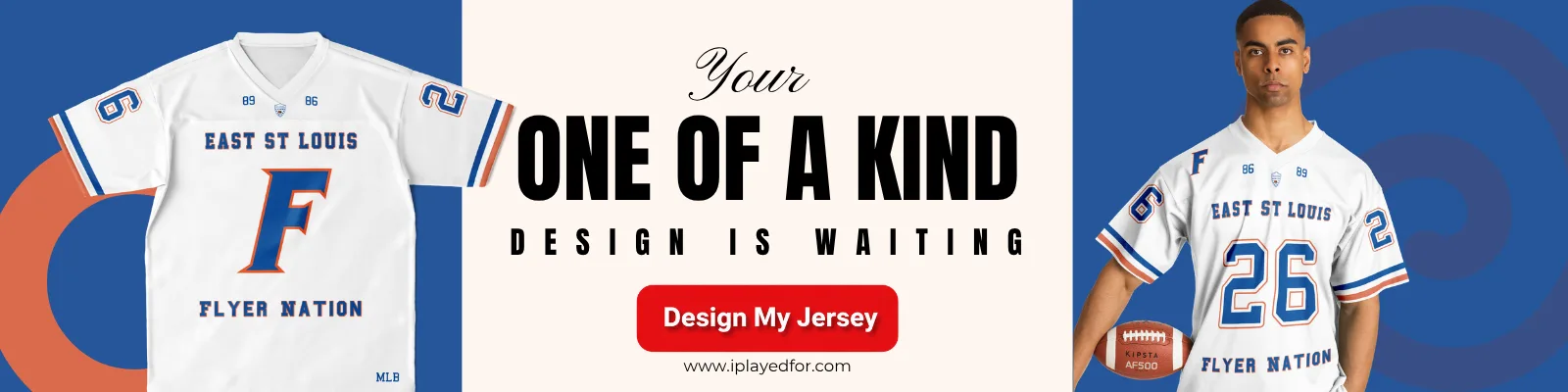
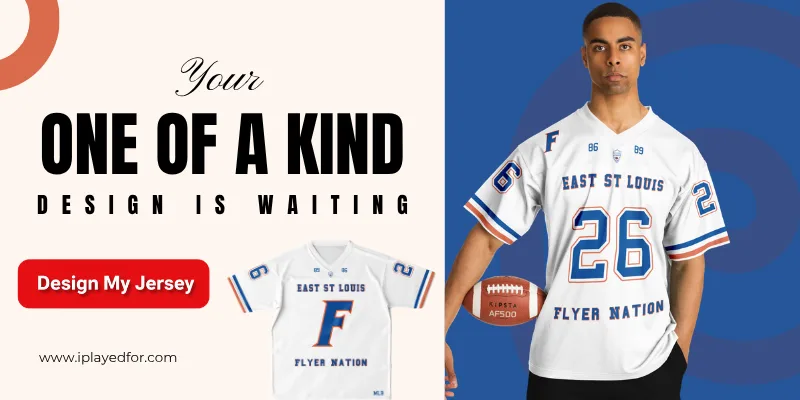
At iPlayedFor, this is what we do. You tell us your sport, your school colors, your name, your number, and we produce a custom jersey built for display or wear — not just for the game. It's the item you remember, made the way it should be kept.
This option resonates most with people at homecoming time, when the combination of nostalgia and the physical reality of a faded jersey in a box makes the gap between memory and artifact feel especially sharp.
Timing: Why Homecoming Is the Right Moment to Make This Decision
The box doesn't open itself. Something opens it.
For most people, it's homecoming. The school posts something on Facebook. An old teammate texts. You drive past the field on a Friday night and there are lights on and you slow down a little without meaning to.
Homecoming is the annual reminder that this chapter of your life happened and mattered. It's also the moment when that box in the closet feels less like clutter and more like unfinished business.
The psychological research on nostalgia (including work published by the American Psychological Association) consistently shows that nostalgic memories produce measurable increases in positive affect and social connectedness. The pull you feel toward that box isn't indulgent. It's your mind reminding you of something that contributed to who you are.
The practical upshot: homecoming season is the right time to make a decision because the motivation is highest and the social context makes it natural. Reach out to old teammates. Post a throwback. Order the custom jersey. Do the thing while the feeling is active, not after it fades back into the closet.
A Simple Decision Framework
If you're still not sure what to do with specific items, here's how to sort them:
If it has your name or number on it: Keep it. Display it or recreate it. It is specific to you and cannot be replaced.
If it's in good physical condition and someone else could use it: Donate it to the school, a youth program, or a teammate who wants it.
If it's a shared memory (team photo, signed program): Digitize it and share it before deciding on the physical item.
If it's degraded beyond display condition: Consider whether a recreated version would serve you better than the original. The memory is worth more than the specific object.
Your jersey is still out there waiting.
Design yours in minutes and see your name and number the way you remember it.
Frequently Asked Questions
What is the best way to preserve an old high school sports jersey?
The best preservation method depends on the jersey's current condition. If the fabric is intact, store it folded (not on a hanger, which stretches the shoulders) in an acid-free box or container away from direct light and humidity. For long-term display, a UV-protective shadow box frame is the standard recommendation — it limits light exposure while keeping the item visible. If the jersey has significant fading, cracking numbers, or fabric degradation, a custom recreation may serve you better as a keepsake than the original.
Is it worth donating old high school sports memorabilia?
It depends entirely on what the item is. Generic equipment (bags, training gear, functional items) is worth donating to youth programs or school athletic departments that can put it to use. Personalized items (jerseys with your name and number, individual awards) are specific to you and have no secondary use value. Team photos and programs may have genuine archival value to your former school's athletic department or local historical society — it's worth a quick email to ask before discarding them.
Can I get my old high school jersey recreated?
Yes. Custom jersey services like iPlayedFor allow you to specify your sport, school colors, name, number, and preferred style to produce a keepsake-quality jersey that matches what you wore. This is particularly useful when the original jersey is lost, too degraded to display, or when you want a version made to last rather than a worn practice jersey. The process typically takes minutes to design online and produces an item built for display or wear rather than game use.
What should I do with high school sports trophies I no longer want to keep?
Trophies are among the most emotionally complex items to decide about. If you genuinely no longer want the physical object, many schools and youth programs accept trophy donations for repurposing (the hardware is often reused). Some alumni choose to photograph trophies before letting them go — the image preserves the memory without the storage requirement. If the trophy represents something significant (a team championship, an individual award that required real effort), it's worth asking whether you're making this decision because you genuinely don't want it, or because you haven't found the right place to put it yet.
How do I find old teammates to share digitized memorabilia with?
School alumni Facebook groups are the most reliable starting point — most high schools have unofficial alumni groups organized by graduation year that are still active. LinkedIn is useful for locating people who have moved away from the area. If you're approaching homecoming, the school itself sometimes facilitates alumni contact through reunion planning. A simple "I found this and thought you'd want a copy" message with a digitized photo has a high response rate — people respond to nostalgia when someone else initiates it.
See also: what to do with your old varsity letter jacket | create a custom sports shadow box | why high school sports still matter so much to adults | your athletic identity didn't disappear when you graduated