
Every athlete knows the feeling — you're in the tunnel before a game, shoulder to shoulder with your team, and something in the air is different. Not nervous-different. Heavier than that. Someone is missing from the lineup. Or someone is present who, by every measure of what they went through, probably shouldn't have been able to make it back.
Breast cancer awareness sports culture didn't originate in a boardroom or a league marketing meeting. It started the way the best athletic traditions always do — in a specific moment, in a specific place, when a group of people decided that showing up for each other was not optional. Someone said we are going to wear her color and everyone else said yes, obviously, when do we start?
This is for the coach who called every Saturday film session from a hospital waiting room. For the teammate who showed up to 6 a.m. conditioning with a bandana instead of a ponytail and didn't explain why and didn't need to. For the booster club parent, the assistant trainer, the athletic director who kept the whole operation running while quietly fighting the hardest opponent of their life off the field.
October belongs to them. Here is how sports communities actually make that real.
What Breast Cancer Awareness Month Actually Means in a Sports Context
Pink entered professional sports sidelines in a sustained, visible way starting in 2009, when the NFL began its annual October campaign. The American Cancer Society's Making Strides initiative has since partnered with athletic organizations from youth leagues to Division I programs. Pink ribbons show up on helmets, on warm-up jackets, on the athletic tape a pitcher wraps around her wrists before the first inning of an October home game.
The broadcast tends to capture the visual. What it rarely captures is the reason those visuals hit so differently inside sports communities than they do anywhere else.

The math is part of it. Roughly 1 in 8 women in the United States will receive an invasive breast cancer diagnosis at some point in their lifetime. In an athletic community — a team, a program, a recreational league — that statistic stops being abstract almost immediately. It becomes the name on the weight room wall. The woman who coached your travel team when you were twelve. The mother who never missed a Saturday morning tournament, standing in the cold at the fence, in a hat that wasn't a hat anymore.
Sports teams are communities built on proximity. You spend more unguarded time with coaches and teammates than with most people in your life. That closeness is what makes breast cancer awareness month land differently in athletic spaces — it is not awareness of a disease in the general population. It is awareness of a specific person, in a specific role, who mattered to a specific group of people who are still showing up to practice every day.
Wearing pink, at its most honest, is how a team says: we know who we're wearing this for, and everyone in these stands knows too.
The People This Month Is Really About
The risk in any awareness campaign is that it becomes a category instead of a community. Pink October in sports can drift toward the abstract — a league directive, a color palette, a merchandise rollout. The correction is always the same: name the people.
The Coaches Who Never Let On
Coaching demands a specific kind of internal discipline — the ability to carry your own fear and fatigue without letting it alter the energy you bring to the people depending on you. Coaches who have fought breast cancer during an active season often describe the same instinct: I didn't want it to change anything for the team. So they didn't announce it. They ran practice. They made the calls. They managed the game plan on Tuesday and sat in an infusion chair on Wednesday and were back on the sideline by Thursday because the roster needed them there.
In our experience covering athletic communities, the stories that stay with you are always some version of this one. The players who found out months after the fact — sometimes years later — and felt the weight of not having known settle over them all at once. Not as grief exactly, but as a reordering of what they thought toughness looked like.
Those coaches are not looking for recognition. But Breast Cancer Awareness Month is the moment a program has permission to look at the wall, at the roster, at the whiteboard with her handwriting still on it — and say we know what that cost, and we are not going to let it go unnamed.
The Teammates Who Showed Up Differently
A teammate fighting breast cancer mid-season changes the texture of a locker room without anyone putting it into words. Practice schedules shift slightly. Someone new drives the carpool. Texts go out before results come back. A locker stays exactly the way she left it.
These teammates — the ones who absorbed the change and kept going — carry a specific kind of loyalty that athletic culture produces and nowhere else quite matches. They didn't organize a fundraiser. They just showed up, in the specific, practical, daily way that teams show up for each other. October is the month to name that too.
The Parents at the Fence
Youth and recreational sports in October are full of parents who are fighting breast cancer quietly, on the margins of their children's seasons. They manage treatment schedules around tournament weekends. They stand in the cold at the sideline because their kid is starting for the first time and they are not going to miss this, not for anything.
Their kids know. The coaches notice. The other parents in the folding chairs notice. At the local level — at the Saturday morning travel soccer tournament, at the middle school volleyball game — breast cancer awareness sports culture is the recognition that someone in those bleachers is fighting something that makes every other competition look manageable. Honoring that, out loud, in front of the crowd, is one of the more genuinely decent things a sports community can do.
How Athletic Communities Turn Awareness Into Tribute
The ribbon is an entry point. What comes after it is where the actual honoring happens. Athletic communities have developed specific, real ways to convert the awareness month calendar into something that reaches the people it's meant for.
The Pink Game Tradition
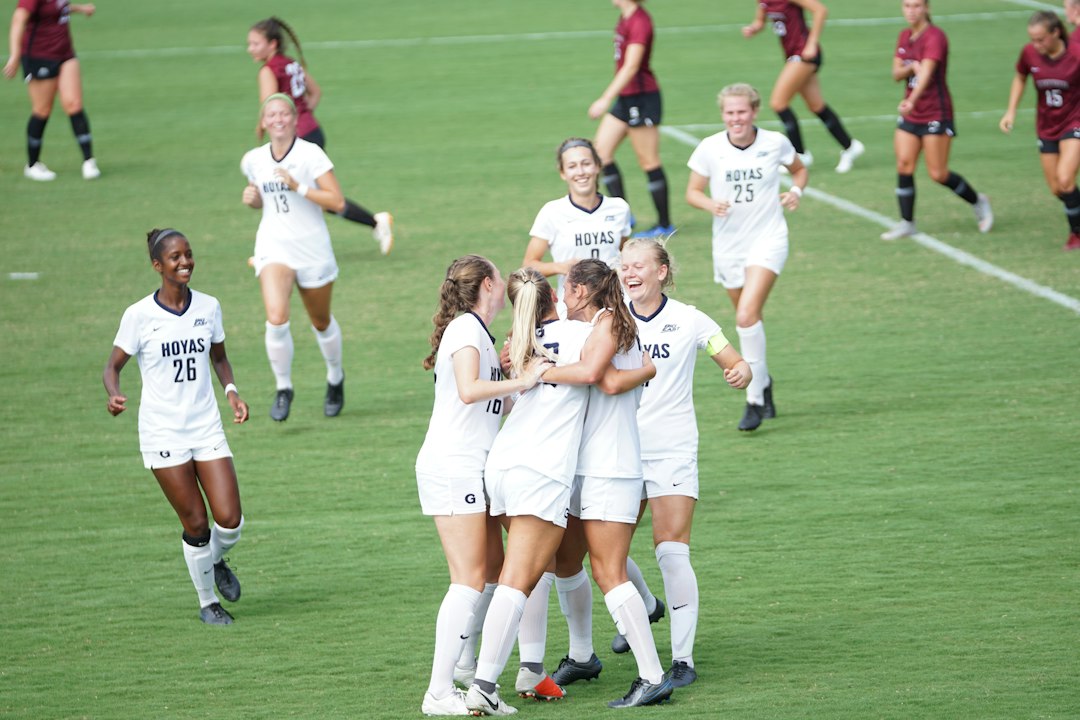
A growing number of high school and collegiate programs set aside at least one October home game as a dedicated pink game — where ticket proceeds, concession donations, or a portion of merchandise sales go directly to a local breast cancer organization or patient support fund. The team wears pink-accented gear or a custom tribute uniform inspired by their standard colors. Survivors connected to the program are introduced before the game, by name, with their specific relationship to the team stated out loud.
Marcus T., 44, played offensive line for his Division III college team in the early 2000s. When his daughter's high school volleyball team launched a pink game tradition three years ago, he went to the athletic director and helped build a halftime ceremony that named every breast cancer survivor with a direct connection to the school community. "We had eleven names," he said. "I didn't know half of them until that day. That's the whole point."
The pink game tradition works because it anchors a national campaign in local, specific reality. Names on a gymnasium scoreboard carry weight that a national ribbon campaign cannot.
The Tribute Jersey
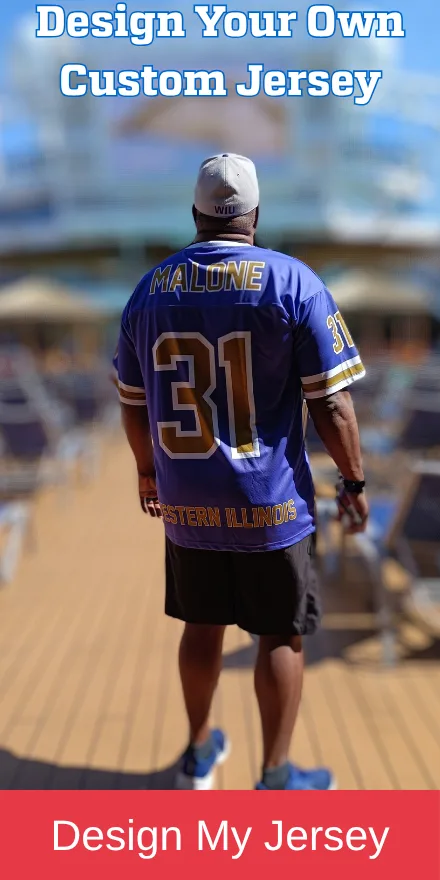
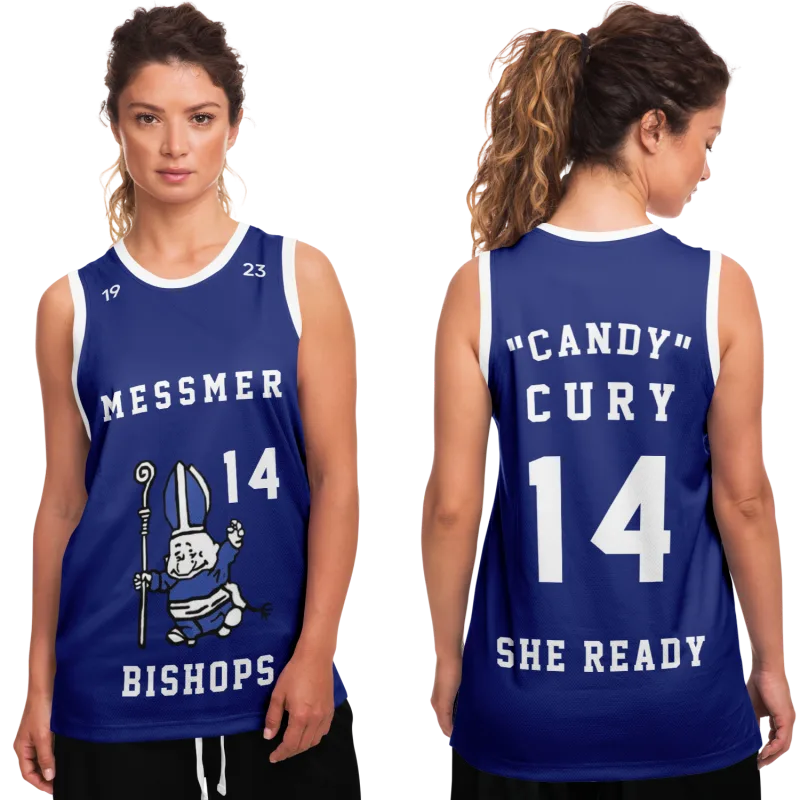
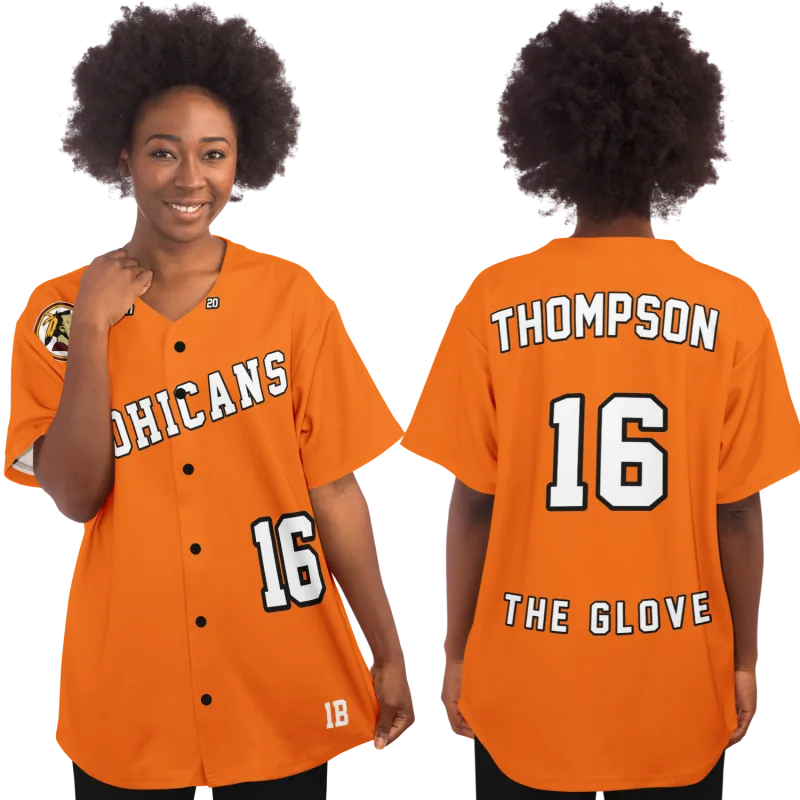
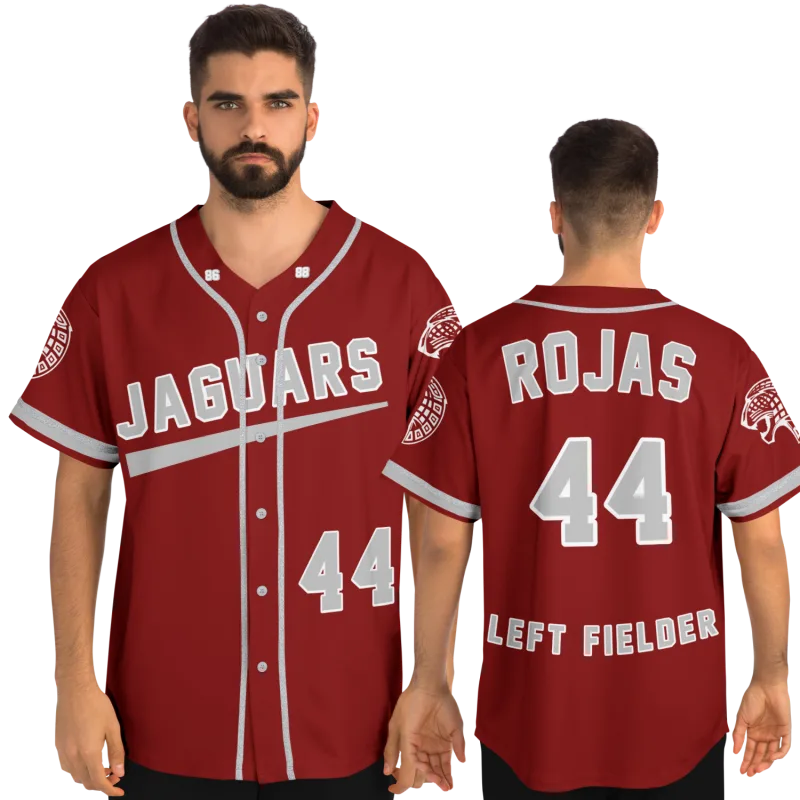
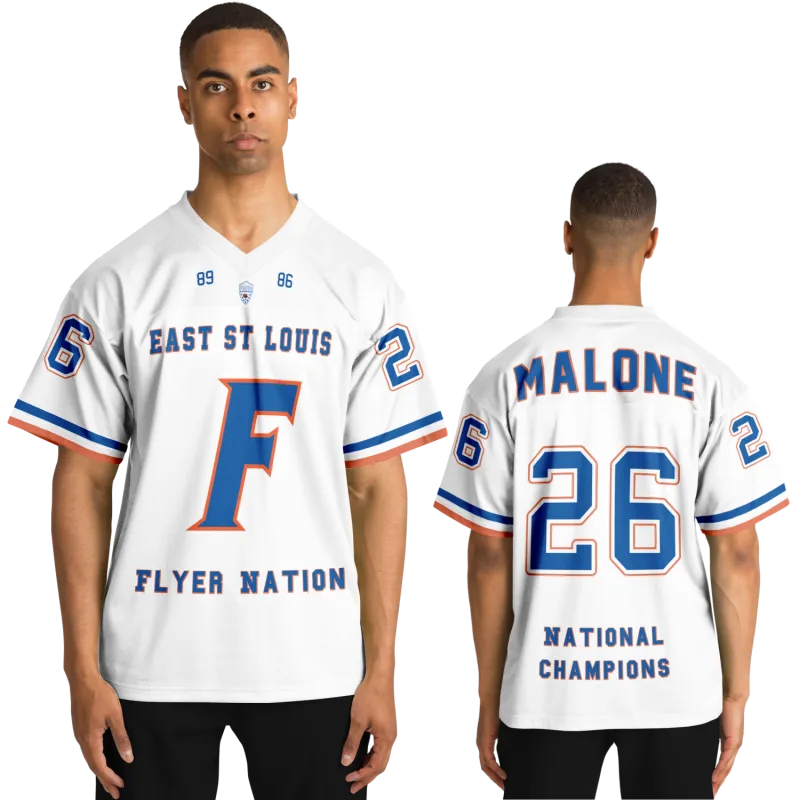
Custom pink jerseys — whether full alternates or pink-detailed versions of existing uniforms — have become one of the most visible breast cancer awareness sports traditions from youth recreational leagues to adult softball to club basketball. Worn in tribute, they function as a team statement: we are playing in your color today, and we know whose color it is.
What separates a tribute jersey from a generic awareness gesture is the detail that makes it personal. A coach's initials stitched into the collar. A survivor's number retired for one game. A short phrase on the sleeve that only the people on that sideline fully understand. These additions take a uniform inspired by the idea of solidarity and turn it into something that belongs to a specific story.
A jersey designed in the spirit of honoring someone — one that carries her number, her name, her team's colors rendered in pink — is not merchandise. It is testimony in fabric.
The Pregame Ceremony That Holds
Rebecca M., 38, was three years into her remission when the soccer club she had coached for eleven years held a pregame ceremony at their fall tournament. They brought her onto the field before the opening game. Every player on every team in the tournament wore a pink ribbon pinned to the left shoulder — the heart side, a parent explained quietly, because that's the side you lead with.
What she remembers most is that they introduced her by her name. Not as "Coach" and not as "survivor." Her name, and then a sentence about what she had built in that program, and then the sideline erupting in something that wasn't quite applause — something larger and less organized than that.
That is what a pregame ceremony can be when it is built around a specific human being rather than a calendar event.
What Sports Culture Gets Right About Honoring Someone
Athletic communities have a vocabulary for tribute that exists outside of formal ceremony and institutional language. It lives in repetition. In proximity. In the daily rituals of practice and competition that accumulate into shared memory over seasons.
When that vocabulary gets pointed toward breast cancer awareness, it produces something that a national campaign cannot manufacture: genuine witness. The teammates who ran conditioning alongside her know exactly what it cost to keep showing up. The coach who watched her fight for a roster spot the same year she was fighting for her health has a particular, specific knowledge of her toughness that a ribbon cannot contain or a poster campaign communicate.
This is what October in sports can be at its most honest — not a campaign, but a community bearing witness to one of its own. The specific details of how that witness is expressed matter less than the commitment to make it personal. A handwritten note in a jersey pocket. A locker decorated the night before the pink game. A halftime announcement that uses three names and says exactly what those people mean to this program.
The more specific the tribute, the more it means to the person it is for. That is not a marketing principle. It is just true.
Making the Tribute Outlast October
The limitation of awareness months is built into the name. The calendar moves. The pink comes down in November. The regular uniforms go back in the bag.
The programs that handle this best find ways to carry October's intention forward into the rest of the year. A few approaches that actually hold:
- Name something permanent. A wall, a record board, a section of the trophy case. Something with her name attached that is still there when the new freshmen arrive in August.
- Make the pink game a fixed annual tradition. One game on the October schedule that survivors, families, and community members plan around — not a one-time gesture but a standing appointment.
- Connect to something local with real impact. Partnering with a regional breast cancer patient assistance organization means the awareness moment produces material support, not just symbolic gesture.
- Tell the story to the next generation. Players who join this program three years from now should hear it. The mechanism for that is intentional tradition — the annual moment that carries the story forward to people who weren't there when it started.
None of these require a large budget or an institutional mandate. They require someone deciding that consistency is how you show a person they are not forgotten. In athletic culture, that decision is already built into the operating system.
Your jersey is still out there waiting.
If your team is planning a pink game this October — or if you want to honor a coach, a teammate, or someone in your bleachers who fought the hardest game of their lives off the field — a custom tribute jersey is one of the most visible and lasting ways to make that honor specific.
Design yours in minutes and see your name and number exactly the way you remember it.
Frequently Asked Questions
How do sports teams typically organize a breast cancer awareness pink game?
Most programs begin by choosing a single October home game and working backward from that date. The essential decisions are: who is being honored specifically — and naming those individuals before finalizing any other detail — what the team will wear, where proceeds will go, and how survivors or current fighters will be recognized during the event. Starting with the names, rather than the logistics, consistently produces ceremonies that feel like genuine community moments rather than institutional programming.
Can youth leagues and recreational sports teams participate in breast cancer awareness sports traditions?
Yes — and the local level is often where these tributes carry the most weight. A parent in the bleachers, a recreational league coach, a teenager on a club roster — the proximity that makes athletic tribute meaningful exists at every competitive level, not just varsity or professional programs. Custom tribute jerseys designed in the spirit of awareness, pink game traditions, and pregame recognitions are all accessible at any organizational scale and budget.
What makes a breast cancer awareness tribute in sports feel genuine rather than performative?
Specificity is the difference. A tribute that uses pink and a ribbon and moves on is awareness as decoration. A tribute that names the person, states their connection to the program, and creates a public moment of recognition for that specific individual becomes something the community carries. The more particular the tribute — her number retired for one game, her initials on the collar, her name spoken into a microphone in front of the people she coached — the more it lands for the person it is intended for and the more it means to everyone who witnesses it.
Do teams need a full custom jersey to make a visible tribute, or are smaller additions enough?
Both approaches carry real weight when the intention behind them is clear. A full custom jersey designed in a tribute style makes the statement most visibly across the field or court. But a pink ribbon patch on an existing uniform, a name or date embroidered on a sleeve, pink accessories added to a standard uniform, or a small detail that only the team fully understands can carry the same meaning in a different form. The key in either case is that the addition is deliberate and explained — so that everyone in the stands understands exactly who the team is honoring and why.
See also: what high school sports teach you that nothing else could | the bond between teammates that never really goes away | why high school sports relationships carry so much weight long after the final whistle | the grief that comes when someone from your team faces something no playbook prepares you for