

There is a smell you have not thought about in years.
Maybe decades. And then one afternoon (a high school gymnasium, a community rec center, a parking lot near a field that smells like cut grass and rubber), it comes back. Not gradually. All at once. Fully formed. You are not remembering it. You are in it.
That is athlete nostalgia memories doing precisely what they were designed to do.
This is not sentimentality. It is one of the most sophisticated memory systems human neuroscience has identified — and athletes, more than almost any other population, have it loaded with material that simply never fades.
If you played, you know what we mean. And if you know what we mean, this is for you.
What the Locker Room Smell Actually Is (And Why It Hits Like a Time Machine)
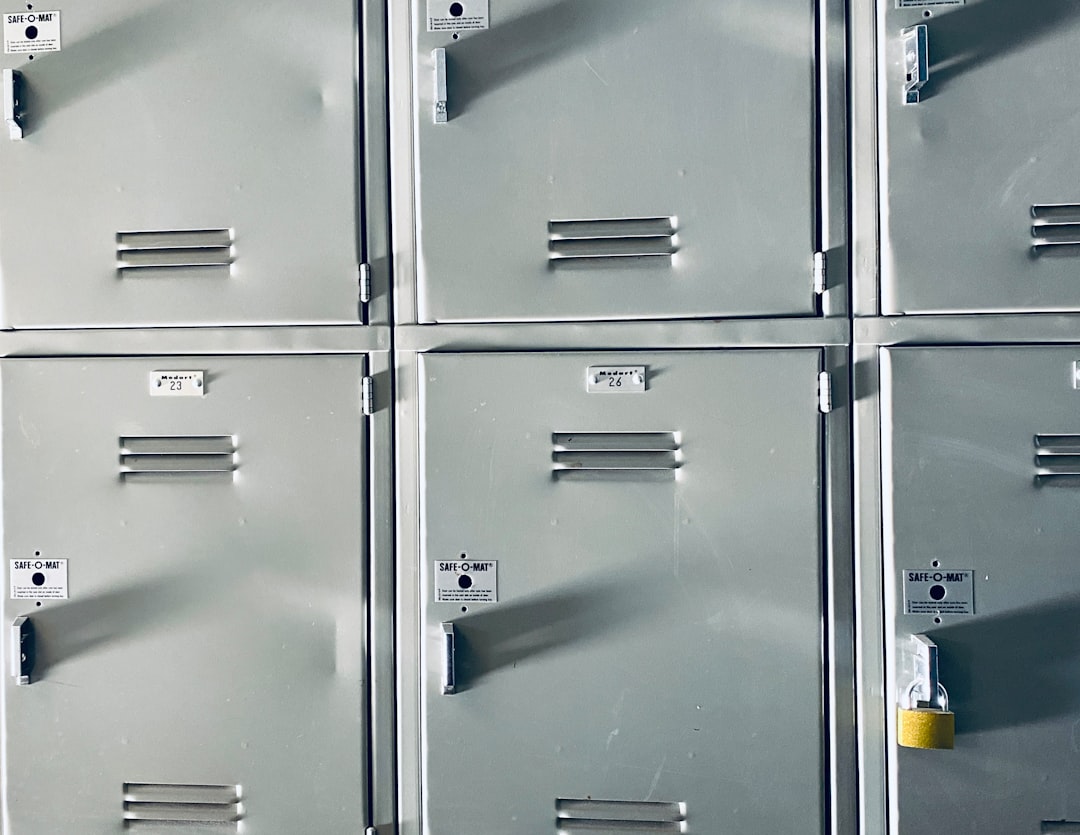
Every former athlete has a version of it. The specifics change by sport, by era, by region. But the core components are almost universal: the particular mix of athletic tape adhesive, dried sweat absorbed into fabric that has never been fully clean, rubber flooring that has absorbed years of cleats and sneakers, the faint metallic edge of old lockers, the industrial detergent that never quite wins against all of it.
That smell is a layered olfactory signature: a composite that your brain catalogued in full detail during some of the highest-stakes emotional moments of your life.
And that is precisely why you cannot forget it.
Here is the strange part, though. No one is nostalgic for the smell itself. By any honest account, that smell was bad. Sweat, stale uniforms, the sharp note of athletic tape over something faintly sour, the metallic edge of the lockers, occasionally worse — vomit, dried blood, gear that had been wet for weeks. The locker room was never meant to smell good. And yet, when the smell returns, the feeling is not disgust. It is longing. You miss a smell you once would have described as objectively awful, because somewhere along the way it stopped being a smell and became a place — shorthand for being in there with your people, shoulder to shoulder, before something that mattered, part of a team that was about to go do something together. Your brain did not file the odor. It filed everything the odor was attached to.

The neuroscience here is worth understanding. The olfactory system — the brain's smell-processing network — connects directly to the amygdala and hippocampus, the two structures most responsible for emotional memory formation. Unlike every other sensory system, smell bypasses the thalamus entirely. It does not get filtered or moderated before it reaches the emotional core of your brain. It arrives there first, raw and unprocessed.
When you were in that locker room before a game, your amygdala was running at full capacity. Your nervous system was elevated. Your attention was focused, your emotions were acute, your sense of consequence was heightened. Everything that arrived in that state — the smell, the sounds, the physical sensations — got encoded with unusual depth and emotional weight.
Research from the Monell Chemical Senses Center has shown that odor-evoked memories consistently carry higher emotional intensity than memories triggered by any other sense. Former athletes are living proof. The smell does not just bring back the memory. It brings back the feeling — the pre-game electricity, the specific blend of fear and readiness, the clarity that only comes when something genuinely matters.
Because that connection is so reliable, it can also be built on purpose. Before a rivalry game, University of Minnesota football coach P.J. Fleck gave his players Axe Body Spray and told them they were going to create such an atmosphere in that locker room after they won that they would never, ever forget the smell. A player later confirmed it worked. The point is not the body spray. It is that scent memory is not something that only happens to you: you can deliberately tie it to a moment, and once the bond is made, it holds for the rest of your life.
Your brain did not store that smell by accident. It stored it because that moment mattered. And your brain is very good at knowing what matters.
The Sensory Inventory Every Former Athlete Carries
The smell is only the beginning. Pull on that thread and the rest follows.
Every former athlete who sits still long enough can reconstruct the full sensory environment of their playing days with remarkable precision. Not as a faded snapshot but as something close to reliving.
The sounds that never leave:
The particular acoustics of your home gym — the way a crowd sounds in an enclosed space versus an open field. The sound of a ball hitting a hardwood floor, a leather mitt, a bat, a helmet. The coach's voice during a timeout when everything went quiet and the only thing that existed was that circle. The stadium PA system crackling before a lineup announcement. The metal clang of a locker door.
Athletes who played in the same facility for years can often close their eyes and reconstruct the precise sound profile of that space. The reverb of a specific gym. The way the wind moved through a particular stadium. The sound of cleats on concrete in a tunnel.
The physical sensations stored in muscle memory:
The weight distribution of gear you have not worn in a decade. Former hockey players describe the specific feeling of skate blades engaging with ice, not intellectually but somatically, in the legs and ankles. Former quarterbacks describe the precise grip pressure and release of a well-thrown spiral. Former swimmers describe the cold shock of a competition pool at warm-ups, different from any other cold.
These are not recalled memories. They are stored physical knowledge. Your body remembers what your sport felt like, because it spent years building that information.
The pre-game ritual that became automatic:
Every serious athlete develops one. It starts as something intentional — a specific sequence for putting on gear, a warm-up routine, a mental preparation practice — and over time it becomes automatic. The ritual is not just behavioral. It is neurological. The sequence itself becomes a trigger: begin the ritual, and your nervous system knows where it is going.
Former athletes often report that stumbling into part of the ritual (putting on a pair of compression socks in a specific order, doing a particular stretch, hearing a specific song) activates something that has been dormant for years. The body recognizes the cue and begins the preparation sequence, even when there is nothing left to prepare for.
That is conditioning of the most durable kind.
The Game That Defined the Library
Every former athlete has one. The game, or the moment within a game, that sits at the center of the entire archive.
It is sometimes the championship win, but more often it is something more specific and personal: the first time something clicked, the moment when years of practice produced a result that felt inevitable, the final home game with teammates who will scatter forever after that night.
Marcus T., 34, a former high school soccer goalkeeper, kept his team jersey in a box for eleven years after graduation. He did not take it out to look at it. He did not need to. But the year his oldest daughter started playing club soccer, he found himself in a gym that smelled like athletic tape and cold rubber — and the entire architecture of his senior season came back in a single moment. He ordered a custom jersey that week. Not because he needed one. Because some part of him needed to hold the thing that represented that time in something tangible again.
That is how athlete nostalgia memories work at their most acute. They do not just recall the past. They create a pull toward it — a desire to reconnect with the version of yourself that existed inside that experience.
The jersey in the box was not a trophy. It was a portal.
But it is rarely just one game. The defining moments that stay with you form a constellation, a map of who you were becoming, laid down in the language of your sport.
Why Former Athletes Process Identity Differently
If you played seriously, some part of your identity was built inside the sport. Not around it — inside it. The sport was the environment in which you learned what you were capable of, what you owed your teammates, what it felt like to fail publicly and come back, what it meant to be part of something larger than your own performance.
That is worth carrying forward. Understanding how your sport shaped who you became is one of the most important pieces of adult identity work, because until you understand what the sport gave you, you cannot fully know what you still carry.
Psychological research on athletic identity (the degree to which a person's self-concept is built around their role as an athlete) consistently shows that former athletes experience a specific kind of identity renegotiation when their playing days end. The transition is real, and it is often underestimated. Not because athletes are fragile, but because the identity formed inside sport is unusually robust and integrated.
None of it was peripheral to the self: the locker room, the pre-game ritual, the sensory library, the specific bonds of a team. For many athletes, that was where the self was most fully realized.
This is why athlete nostalgia memories carry a different emotional charge than most other forms of nostalgia. They are not just fond memories of good times. They are memories of becoming. Of being, for a period, precisely who you were supposed to be in precisely the right environment.
No version of adult life fully recreates that. The closest thing is finding the people who lived it with you — or finding the objects that carry the evidence that it happened at all.
What former athletes look for across sports and eras:
- The feeling of a team that functioned as a single organism, where individual ego dissolved into collective purpose
- The specific kind of tiredness after a competition that felt like completion rather than depletion
- The clarity of a goal that was entirely concrete: win this game, execute this play, beat this time
- The irreplaceable trust of teammates who saw every version of you (at your best, at your worst, under pressure) and showed up anyway
These are not things you find on a shelf. But they are things you carry — and things you can, at least in small ways, return to.
Part of that return is learning how to do something that turns out to be surprisingly difficult: talking about your athletic past without it sounding like you never left.
The Reunion Dynamic: Why Former Teammates Pick Up Right Where They Left Off
Every former athlete who has reconnected with old teammates after years or decades apart knows this phenomenon: within minutes, sometimes seconds, the dynamic is just what it was.
The hierarchy, the inside references, the specific language of the team — it does not need to be reconstructed. It was never fully stored away. It was held in suspension, waiting for the right cue.
This is one of the most striking features of sports-forged relationships. The bond was built under conditions that civilian friendships rarely recreate: shared physical stress, shared consequence, shared daily proximity over months and years, repeated experience of each other in high-stakes moments.
The neuroscience of bonding under stress is well-documented. Shared adversity accelerates and deepens trust formation. The teammates you ran wind sprints with at 6 AM, who saw you vomit from exhaustion and did not blink, who played through injuries because the team needed them — those relationships are encoded at a depth that ordinary social bonds do not reach.
When you see those people again, your brain does not have to find the connection. It never actually lost it.
Two things that always happen at former-athlete reunions:
- The specific nickname someone was given at 16 is used immediately, without hesitation, as if no time has passed
- Someone inevitably says "remember the [specific game / specific practice / specific road trip]" and everyone in the room is there instantly, fully, as if the memory is shared property rather than individual recall
Because it is. Team memory is not just parallel individual memory. It is genuinely collective — encoded together, stored together, triggered together.
The Object That Carries the Evidence
There is a reason former athletes keep jerseys.
Not because the fabric has value. Not because the number or the name on the back needs to be displayed. But because physical objects carry sensory information in a way that photographs and video cannot. You can hold a jersey. You can feel the weight of it. You can recognize the specific texture of the material, the way the numbers are stitched, the particular fit that meant you were suited up and ready.
An object that was present during the experience becomes, over time, a reliable trigger for the full memory. Not just the visual — the whole sensory architecture that surrounds it.
For many former athletes, the original jersey is long gone. Lost to moves, lost to time, given away without full awareness of what was being given away. The recognition of that loss is its own particular feeling — not quite regret, but something close to it. The awareness that a specific artifact of a specific chapter of your life no longer exists in physical form.
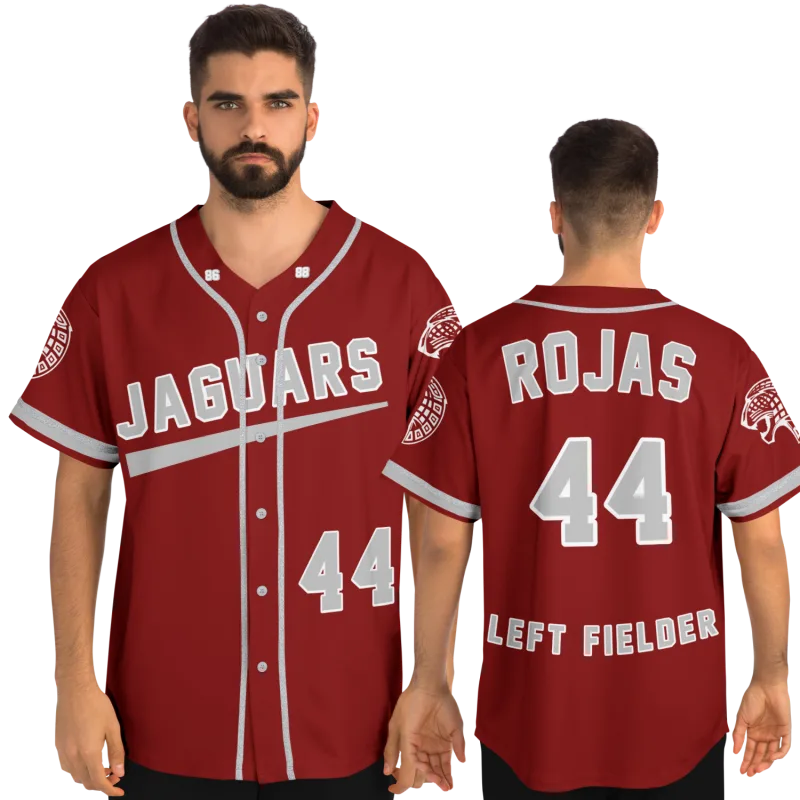
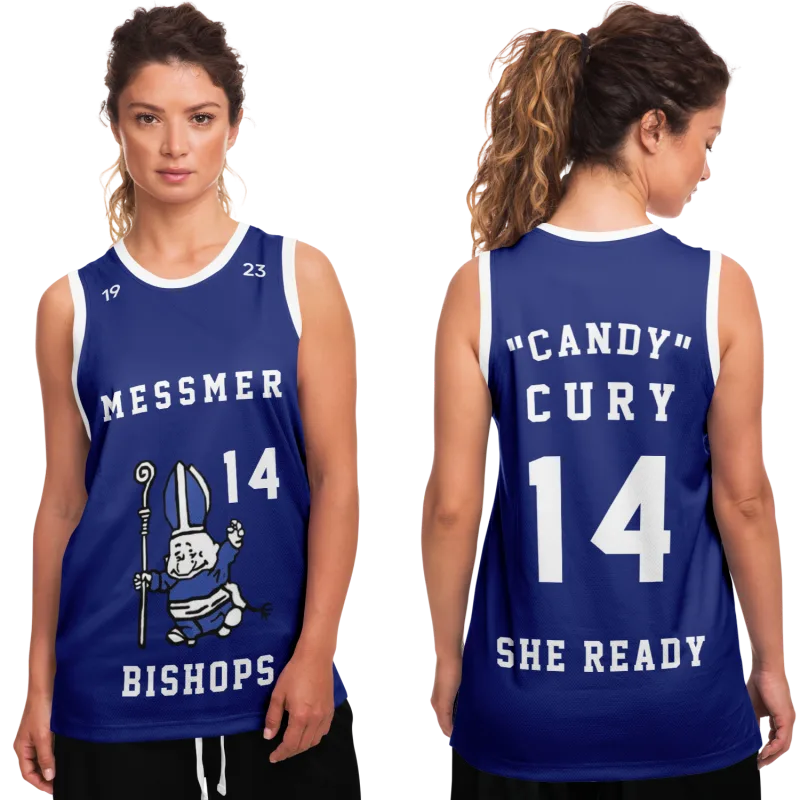
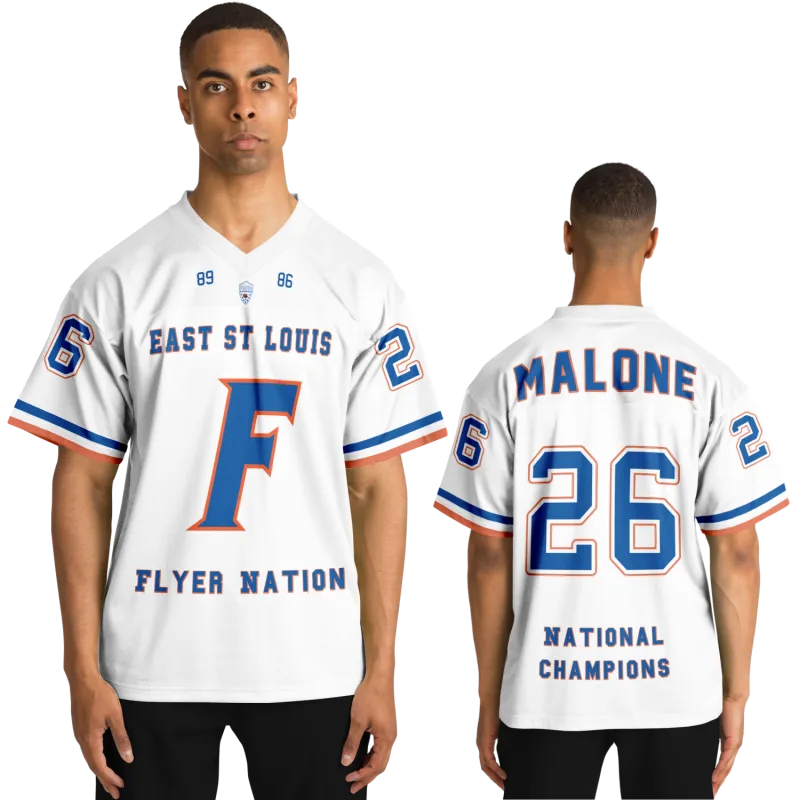
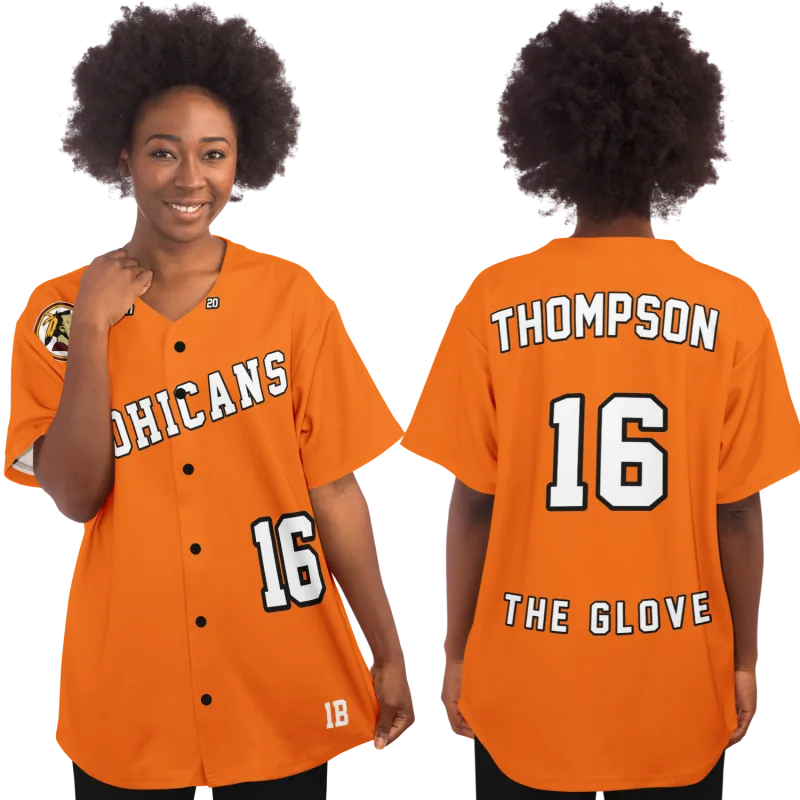
Which is why the custom jersey exists not as imitation but as reconstruction. A custom jersey with your name and your number is not a pretense that the playing days are still happening. It is a material acknowledgment that they happened — that you were there, that you played, that the number meant something, that the name above it was yours in a context that still matters.
Your jersey is still out there waiting.
Design yours in minutes and see your name and number the way you remember it.
Frequently Asked Questions
Why do smells from sports bring back such vivid memories compared to other senses?
Smell is the only sense that bypasses the thalamus — the brain's sensory relay station — and connects directly to the amygdala and hippocampus, which govern emotional memory. Because athletes experience intense emotional states during competition and practice, the smells present in those moments get encoded with unusually high emotional weight. The result is that a specific smell can reconstruct an entire emotional context — not just a mental image but the full feeling of being in that moment — decades after the fact.
Is it normal to feel a strong emotional reaction when seeing an old team photo or jersey?
Entirely normal, and for a specific reason. Objects and images associated with high-intensity emotional experiences function as retrieval cues for the memories encoded during those experiences. For former athletes, team photos, jerseys, and equipment are not neutral objects — they are loaded with encoded emotional content. Encountering them activates the neural network built around those experiences, which is why the response can feel immediate and physical rather than gradual and intellectual.
Why do former athletes often say their playing days were the best years of their lives?
The playing years provided several conditions that are difficult to recreate in adult life: a clearly defined goal with concrete feedback (win or lose, faster or slower), deep belonging within a specific group, regular experience of peak physical performance, and a daily structure that gave life a particular kind of clarity and purpose. The combination of these factors creates memories that are encoded with unusual richness and emotional density. When adult life becomes more ambiguous and fragmented, those years stand out in memory not just as enjoyable but as vivid — which the brain often interprets as meaningful. In many cases, that interpretation is accurate.
Do all former athletes experience nostalgia for their sport the same way?
Not identically, but the underlying mechanisms are consistent. The intensity of the nostalgia tends to correlate with the degree of athletic identity formation — how central the sport was to the person's self-concept during their playing years — and with the quality of the social bonds formed within the team. Athletes who played in close-knit team environments through formative years typically report the most vivid and emotionally loaded nostalgia. Individual sport athletes often experience it differently, with more focus on the internal states of peak performance than on team dynamics, but the sensory vividness of the memories is equally strong.
What does it mean when a former athlete dreams about still playing?
It is one of the most commonly reported dream themes among former athletes and reflects the depth at which the athletic identity was integrated into the self-concept. The dreaming brain rehearses and revisits material that is emotionally significant and neurologically well-worn. For athletes who spent years training the same movements, competing in the same environments, and organizing their identity around their sport, those neural pathways remain active long after the playing days end. Dreams of still competing are not signs of unresolved grief — they are evidence of how thoroughly the sport was built into the architecture of the self.
See also: the psychology of athletic nostalgia | why your senior season memories are so vivid | why you still dream about high school games | the bus ride home after a loss