



Something shifts before you can put a name to it.
It comes around the same time every year — the light changes, the temperature drops a few degrees too many, someone mentions an opening night matchup — and without warning you are somewhere else entirely. You are at the rink. You are 15, or 23, or 32, skates already laced, ice freshly flooded, the air carrying exactly the smell it is supposed to carry. Hockey season memories do not ease their way in. They arrive complete, with sound and cold and sensation attached, the way only the most deeply stored experiences do.
Every fall, the NHL drops the puck on a new season, and something stirs in everyone who has ever actually played this game. Not watched it from a couch. Played it. The new schedule is not just a calendar event — it is a signal that opens something in you that the offseason quietly closed. A room you forgot you had. A version of yourself that the ice still recognizes, even when you haven't been on it in years.
This is what it looks like inside that room.
The Smell Gets There First
Walk into any hockey rink in October and your nervous system arrives before you do.
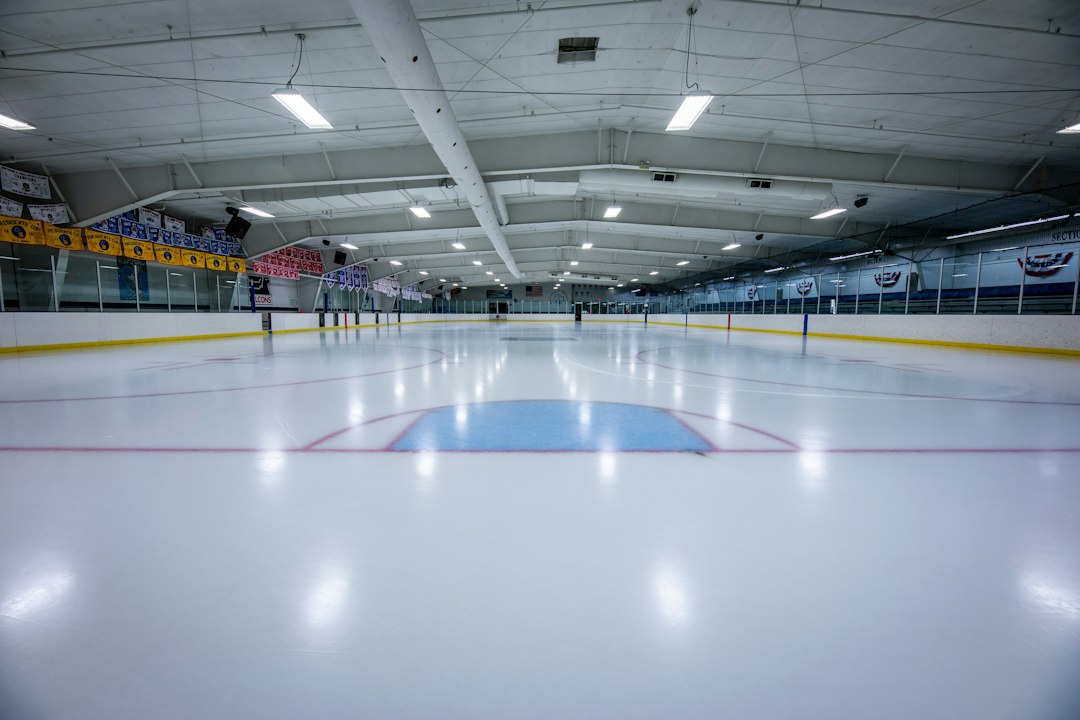
Every rink carries the same air — refrigerant, shaved ice, rubber matting, and cold that has been accumulating for decades without ever fully leaving. It is a smell so specific that it bypasses conscious thought entirely. One breath and you are back at 6 AM practice, bag on your shoulder, legs still heavy from Thursday, helmet sitting on the bench while the Zamboni finishes its last pass.
In our experience, scent is the fastest route back to any hockey memory. Faster than footage. Faster than a photograph. It is the detail former players reach for most reliably when they describe returning to a rink as an adult — for a kid's game, a rec league tryout, an open skate on a Tuesday night when nothing else was going on.

Most sports do not have this. Grass smells like grass. A gymnasium smells like a gymnasium. But the hockey rink smells like the hockey rink — a singular environment so precise in its sensory signature that it imprints on the limbic system the first time you step through those doors and does not let go. Ever.
When the new season begins and the broadcast cameras sweep across freshly cut ice under arena lighting, that particular quality of surface and cold registers even through a screen. The brain catalogs it. The body responds.
And just like that, it's all right there again.
The Rink Was Where You Figured Out Who You Were
The game itself is only part of the story.
What makes hockey season memories so stubbornly durable is not the goals or the wins — it is what the rink meant in the larger arc of your life. For most players, the rink was among the first places that demanded something real. Not effort in the abstract. Real physical accountability, in front of teammates who would absolutely notice if you weren't giving it. You could not fake skating. You could not drift through a defensive zone read and hope nobody saw. The ice was honest in a way that most environments are not, and your teammates were honest in the way that only people who are cold and tired together can be.
That combination — high physical stakes, genuine social consequence, a sensory environment unlike anything else — is precisely what makes the memories encode so cleanly. Research on episodic memory consistently shows that emotionally charged, physically intense experiences are retained with far greater specificity than routine ones. Hockey players, almost by definition, experienced that combination hundreds of times across multiple seasons. The memories do not fade the way ordinary experiences do. They consolidate. They stay sharp.
Marcus D., 38, played defense for a Midwestern club team through his mid-twenties and still pulls up old game footage every October when the NHL schedule drops. He described it this way: "I'll be watching a face-off and I can feel my blade on the dot. It's not exactly nostalgia — it's more like muscle memory that never had anywhere else to go." That gap — between what the body still knows how to do and the schedule that no longer asks it to — is widest at the start of every new season.
What the Season Opener Actually Does to a Former Player
There is a specific kind of attention that only activates in October, and it is not passive.
It is the forward-leaning, pattern-reading attention of someone who has actually been on the ice — tracking defensive zone coverage without trying to, reading a line change before the announcer calls it, noticing the winger who is two steps ahead of his assignment on every shift. That layer of perception is not something you build as a fan. It is something you built as a player, and it comes back fully operational every fall whether you have been on skates recently or not.
The season opener activates it more completely than any other game on the calendar. Part of this is novelty — new rosters, new storylines, an ice surface that still holds all of its promises. Part of it is temporal — the calendar has returned to the exact point where the memory loop began. The combination produces something that later games in the season rarely match.
What the opener actually delivers to a former player:
- The recognition that the patterns you learned are still there, still reading correctly, still useful
- The specific emotional texture of what it felt like to be at the beginning of something — any season, any year, at any level
- A clean reminder that the game continues, that new players are having the experiences you had, that the ice does not remember or mourn but simply keeps going
That last part is bittersweet in the best possible way. The game does not need you to continue. It just keeps laying down ice. And every October, that turns out to be exactly what you needed to see.
The Memories That Return With the Most Precision
Not all hockey memories carry the same weight when the season comes around. The highlight moments — the goals, the saves, the championship games — tend to arrive as images. Clean, retrievable, sometimes a little compressed by time.
The ones that arrive with full sensory detail are almost always smaller.
The locker room before a game that mattered. The particular silence of it. The tape job you redid twice because the first two felt wrong. The coach who walked in, looked around, said nothing, and left — because everything that needed to be said had already been said at practice.
The feeling of new ice under your blades on the first shift. Faster than you expected. Louder. The brief recalibration as your legs found the right pressure and your edges started to trust the surface.
The sound a puck makes when it hits the post. Not the crowd noise around it. The post itself — that specific hollow ring, part metal and part heartbreak, that anyone who has played the game hears differently than anyone who has only watched it.
The drive home after a loss you almost won. A car full of players who are still inside the game, still running the sequence that went wrong, still finding the moment where the outcome could have split the other way. Nobody talking. Nobody needing to.
These are the memories that the new season retrieves. They do not require you to have won anything. They require only that you were there — present on the ice in the way the game demands, which is to say completely.
Every Season Was Its Own Complete World
This is something that takes a few years away from the game to fully understand.
Each season was not a chapter in a longer story. It was a world. It had its own cast — the linemates you learned to read without looking, the defenseman you would have trusted with your life by February, the fourth-line center nobody else noticed who somehow showed up in every game that mattered. It had its own arc, its own defining moments, its own particular losses and improbable wins that only make full sense to the people who were inside that specific season.
The world of your Bantam year is closed now. So is the world of your junior season, your college team, your first year of adult rec hockey after a decade away. Each one closed when it ended, and none of them are accessible in the way they were when you were living them.
But they are not gone. That is the thing the new season keeps demonstrating.
For the players on the ice this fall, the current season is the whole world right now. Every shift is consequential. Every game is its own complete thing. Watching them with the knowledge of what that feels like — knowing it from the inside, from having stood in that exact position — is a gift the game gives back to everyone who ever played it.
Our seasons happened. They were real. They left marks that still respond to cold air and arena lighting and the particular sound of a puck dropping at center ice. That is not a small thing. That is the game paying back everything you put into it, with interest, every October for the rest of your life.
How to Do Something With the Memory Instead of Just Carrying It
The season opener is a good moment to act on what the memories are telling you, rather than letting them simply wash through.
For some players, that means finding a rec league — the adult version of the game, played on the same ice, with considerably more appreciation for every shift and considerably more awareness of the lower back. For others it means getting back to a rink in any capacity: coaching, volunteering with a youth program, dropping in for an open skate to find out what the legs still remember.
But there is also something more immediate. Something that takes a few minutes and leaves you with something physical.
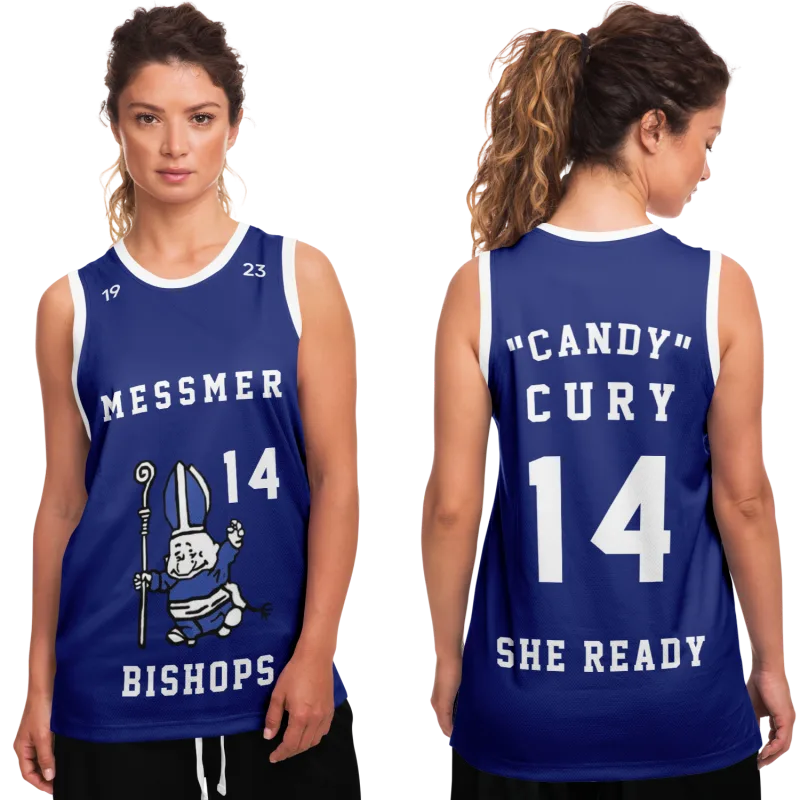
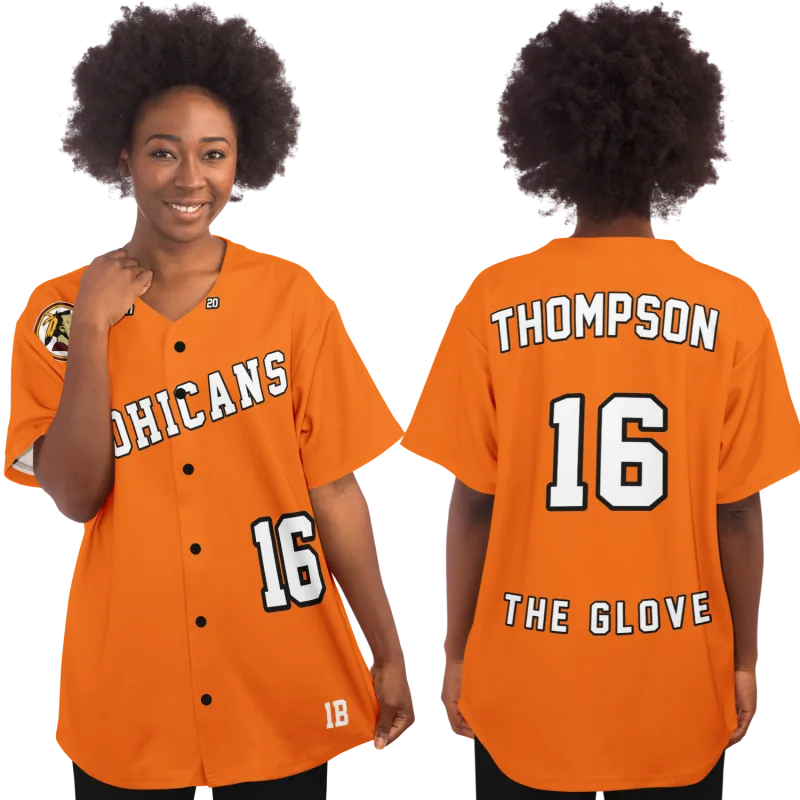
The number you wore. The name above it. The colors of the team that defined one of those complete, closed, irreplaceable seasons. Those details exist somewhere specific in your memory — and they deserve to exist somewhere you can actually see them.
A jersey inspired by the teams and seasons that shaped you is not memorabilia in the passive sense. It is a record. Your name. Your number. Your chapter of the game, rendered in a form that does not fade when the season ends.
Your jersey is still out there waiting.
Design yours in minutes and see your name and number exactly the way you remember it.
Frequently Asked Questions
Why do hockey season memories feel more vivid than memories from other sports?
The hockey rink is one of the most sensorially distinctive athletic environments that exists — the cold, the specific smell, the sound of blades on ice, and the echo of a puck against the boards combine to create an unusually rich encoding environment for memory. Add to that the high physical intensity of the game itself and the tight social bonds of the locker room, and you have nearly all of the conditions that episodic memory research identifies as producing durable, high-detail retention. Players who experienced this combination across multiple seasons tend to carry those memories with a specificity that surprises them years later.
Does the start of the NHL season hit differently for people who played versus people who only watched?
The experience is genuinely different. Former players tend to watch with an additional perceptual layer — pattern recognition built through years of being on the ice — that activates most strongly at the season opener, when everything is fresh and the game has not yet settled into its midseason rhythms. Many former players describe the first game of the year as producing a specific quality of memory and attention that later games in the season do not quite match. It is the combination of the calendar returning to the right point and the ice looking the way it looked at the beginning of every season they played.
What's the most direct way to reconnect with hockey if you haven't played in years?
Adult recreational leagues are the most complete return — the same game, the same ice, the same locker room dynamic, adjusted for age and the fact that everyone in the room has a job to get to Monday morning. Open ice sessions at local arenas offer a lower-commitment version that still delivers the full sensory environment. For players whose on-ice days are genuinely behind them, coaching youth hockey or simply attending games at local rinks puts you back inside the atmosphere in a way that watching from home does not. Any of these options will confirm that the body remembers more than you gave it credit for.
Why does October specifically trigger hockey memories so reliably?
Memory retrieval is heavily dependent on context — the brain uses environmental and temporal cues to locate stored experiences. October provides a reliable cluster of those cues every year: the temperature drops, the NHL season begins, arenas come back online, and the cultural conversation shifts back to hockey. For players who grew up competing in fall seasons, the cue cluster is especially precise. But even players who competed year-round report that October carries a distinctive pull, likely because the start of the NHL season functions as an annual calendar anchor that the brain has been using since childhood.
How do you preserve hockey season memories before the details start to soften?
The most durable preservation tends to be specific and physical. Scoresheets, photographs, and game programs capture moments, but the jersey — the number, the name, the colors of a specific team in a specific season — carries the identity of an entire chapter in a way that individual artifacts do not. Many former players find that creating a tribute jersey inspired by the team and season that meant most to them is the single most direct way to honor the memory in a form that lasts. Beyond physical objects, writing down the specific details while they are still sharp — the names of teammates, the arena, the games that defined the year — produces a record that photographs alone cannot fully hold.
See also: why high school sports still matter to adults | why your senior season memories are so vivid | the grief that comes when your playing days end | what playing under the lights actually felt like