


There's a reason you still remember the fantasy football team name your old teammates gave you — and it's got nothing to do with fantasy football team names.
It has everything to do with what they saw in you.
Maybe it was your freshman year nickname, finally promoted to league title. Maybe it was that one game, that one play, that one moment where you became a character instead of just a player — and the name followed you out of the locker room and into every group chat, every tailgate, every draft night for the next decade. You could have picked something clever. Something topical. Something you saw on a Reddit thread at 11pm the night before the draft.
You didn't. Because they already named you. And somewhere in the back of your chest, you knew that name was the truest thing anyone had ever said about how you played.
That's the thing about athletic nicknames. They're not marketing. They're not branding. They're testimony.
The Nickname Is a Scouting Report
In every sport, at every level, the nickname precedes the choice. You don't give yourself a nickname that sticks. The ones that last are assigned (sometimes officially, sometimes in the middle of a film session when someone says something under their breath that makes the whole room lose it), and they survive because they're accurate.
Your coaches evaluated you on tape. Your teammates evaluated you in practice, under pressure, in the moments between whistles when no one was paying attention to their posture. And then they summarized you. In a word, a phrase, a reference so specific that you had to have been there to fully understand it.
That's what a real nickname is. It's not what you wished you were on the field. It's what you actually were.
When a teammate lands that name on you, really lands it, there's a half-second where you want to push back. And then you think about whether it's wrong. And it isn't. And that's why it lasts.
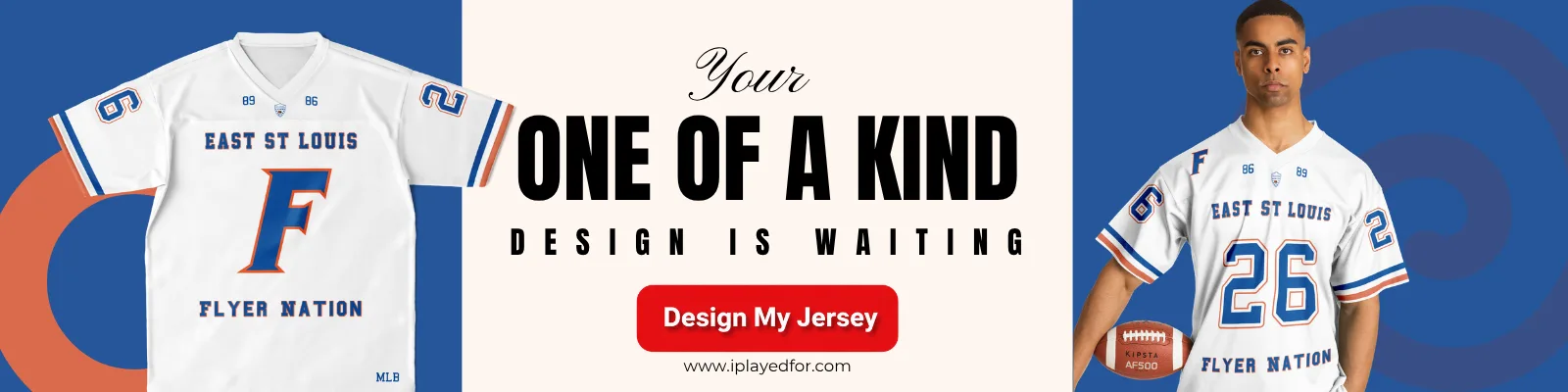
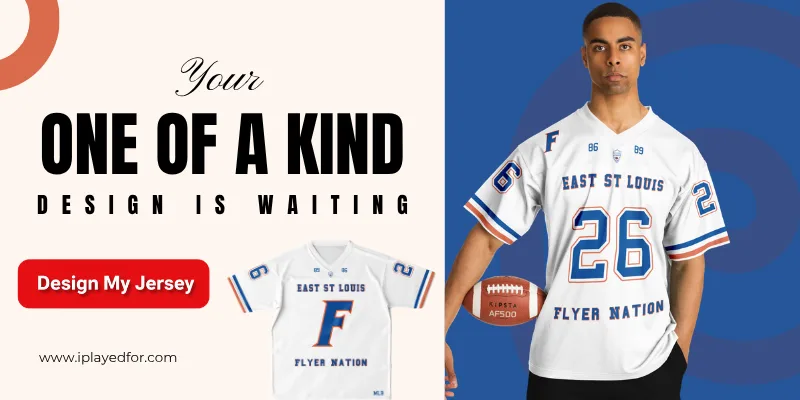
The fantasy football team name becomes the vessel for that name. Suddenly you're not just "Marcus from accounting." You're The Hammer, or Hands McGee, or 6AM (because that's when you were always already there), or whatever specific piece of observation your teammates compressed into a label that's been following you for years. You put it on the team name because it's still yours. Because you earned it. Because no algorithm generates what your offensive line decided about you in the second week of two-a-days.
Every Former Athlete Remembers the Moment It Happened
If you played, you know the exact second your nickname was born.
It's rarely a formal ceremony. It's rarely even a compliment, at least not on the surface. It might have been the worst practice of your life, or the funniest, or the one where something went so specifically wrong that it became legend. The nickname isn't a trophy. It's a timestamp. It marks a moment when your teammates understood something about you well enough to summarize it permanently.
Maria V., 34, played club soccer through college and spent three seasons as the player her teammates called "The Architect" — not for her skill, but for the way she rebuilt the formation from scratch after every defensive breakdown, quietly redistributing the shape while everyone else was still reacting. She uses that name as her fantasy football team name every single season. Not because she plays fantasy seriously. Because every time she sees it at the top of the standings, she remembers what her teammates saw when they were watching her think.
That memory is doing a specific kind of work. It's not nostalgia in the passive sense — the warm vague blur of "the good old days." It's identity confirmation. It's a check-in with the version of yourself that performed under pressure, that was known by people who watched you closely, that left a specific impression on the people who mattered.
Your old teammates weren't handing out participation trophies when they named you. They were observing, evaluating, and then encoding what they saw. The fact that the name still fits, that you'd still answer to it, that it still describes something true about how you move through the world, is not a coincidence. Character doesn't change at the final whistle.
Why That Name Travels Farther Than the Sport
Here is what former athletes understand that non-athletes often don't, and it's at the core of the difference between being a sports fan and being someone who played: the traits your teammates named you for didn't develop on the field. They were already in you. The sport just created the conditions to surface them reliably.
The teammate who earned "Ice" in overtime didn't find calm under pressure in that single moment. That calm had always been wired into them — and sport gave them a high-stakes arena to demonstrate it repeatedly until everyone around them could see it too. The name just formalized what was already observable.
That's why the name travels. You're still "Ice" in the fourth quarter of a client presentation. You're still "First In" when you show up to the meeting nobody scheduled. You're still "The Architect" when everyone else is reacting and you're quietly rebuilding the structure. The sport ended. The trait didn't. And there's a physical ledger too — the specific, granular things your body still remembers long after the last whistle, from the way you set your feet to what a huddle feels like from the inside.
This is the part that gets lost when people talk about what athletes "take away" from competing. It's not just discipline, or competitiveness, or team-first mentality — though all of that is real. It's the specific, granular, particular things that your specific teammates noticed about your specific way of playing. Those are the things your nickname captured. And those are the things that kept traveling with you long after your eligibility expired.
The Draft Night Ritual That's Actually About Something Else
There's a reason fantasy leagues become the primary reunion technology for a lot of former athletes and former teammates. On the surface, it's about football — and sure, your football IQ gives you an edge over casual players. But what it's actually about is the ongoing relationship between people who once competed together and now need a shared arena to stay connected.
The team name is the handshake. Before a single waiver wire transaction is made, the name declares who you are to the people in the room who already know you. It's either a callback — you know exactly what this refers to — or it's a fresh claim about who you've become. The veterans in the league will fact-check it immediately.
That accountability is the point. Your teammates will not let you get away with claiming an identity you haven't earned. They saw you when you were too tired to perform, when the strategy fell apart, when the weather was wrong and the crowd was hostile and the other team had your number. They know what you actually are. And that shared knowledge — that inability to manage your image with people who've practiced with you — creates a specific kind of trust that most adult relationships don't reproduce.
The league name is the distillation of that relationship into a single artifact. It says: I am still the person you knew. And you are still the people who knew me. There's more going on in that fantasy draft room than a serpentine pick order. Half the league's origin story is some version of tracking down the old roster: the group text that started with one guy asking where everybody ended up and never really stopped.
The Names That Age Best (And Why)
Not all nicknames survive the journey from playing days to league names equally.
The ones that age best are the ones rooted in character rather than circumstance. A nickname based on a funny moment (the one weird play, the single catastrophic miscommunication) fades because the moment fades. The nickname based on a recurring truth doesn't fade, because the truth keeps recurring.
Four categories of nicknames that tend to last:
- Behavioral constants: the name that describes how you always showed up, not a single incident. "First In." "The Grinder." "Sunday." These age well because the behavior that earned them tends to persist.
- Competitive temperament: names that describe how you operated under pressure. "Ice." "The Closer." "Stone." The pressure changes contexts, but the temperament doesn't.
- Positional wisdom: names that describe how you read situations, not just how you physically performed. "The Chess Player." "The Professor." "Scout." These are particularly durable because pattern recognition is a life skill.
- The single-word summary: the name that required a whole season of observation to earn but fits on one syllable. These are the rarest and the most enduring. Your teammates spent time to compress you down to that. It doesn't stop being accurate.
Two categories that tend to fade: names based on a physical attribute that changes with age, and names based on a single incident that everyone eventually misremembers differently. These are fun at the time. They don't become permanent identity.
The question worth sitting with: which category is your name in?
When a League Names a Trophy After One of Its Own
There's a tradition in long-running leagues — fantasy and otherwise — that takes this whole idea one step further. When a founding member leaves for good, or a retired legend finally hangs it up, the league doesn't just let the nickname go. It names something after it. A division becomes the [Nickname] Division. A last-place trophy gets called the [Nickname] Cup. A season slot — the week everyone circled — carries the name of the guy who used to own it.
What's happening there is the same thing this entire post is about, just written into the league's permanent record. The membership expired. The nickname didn't. And a group of adults who knew him when he was playing decided, on purpose, that the name was worth keeping in the building.
That's the difference between a nickname that was a phase and a nickname that was testimony. A phase gets dropped when the phase ends. Testimony gets inscribed — painted on a trophy, printed on a banner, typed at the top of the standings in a league he hasn't logged into in three years.
You see the same instinct in high school programs, where a field, an award, or a running joke keeps an old nickname attached because the people who were there refuse to let the record lapse. It's how a group says: the name was accurate, and accuracy doesn't have a term limit.
So if your fantasy league has a division, a trophy, or a long-running joke named after someone who left, that isn't just sentimentality. It's a verdict. Somebody in that room looked at what the nickname captured and decided it had outlived the person's presence there — which is about the highest compliment a nickname can earn. The name stopped needing the player. The player's name kept working without him.
That's the same reason your own old nickname still fits you now, years after the last snap. The name was never about the uniform. It was about who was wearing it. And that person is still here.
What It Means to Still Answer to It
There's a specific version of pride that former athletes carry about the names they earned. This one isn't loud; it surfaces when someone in the draft chat types the team name and someone else responds with a reference — a specific callback to the specific moment, the specific season, the specific version of you that generated the name in the first place.
That moment is small. It passes in seconds. But it confirms something that adult life doesn't always confirm loudly: that you were known, specifically and accurately, by people who were paying close attention. And that what they saw in you was worth remembering.
Most former athletes will tell you that being known that precisely — not generally praised, but specifically observed and named — is one of the things they miss most about competing. The locker room is a high-resolution environment. Everyone is paying close attention to everyone else because performance depends on it. That quality of attention produces the kind of knowing that generates a nickname that lasts twenty years. Part of it is the sound of it: hearing your name called out loud across a field or a gym does something to a person that no job title or @-mention ever quite reproduces.
To still answer to that name is to confirm that the self your teammates observed is still operative. That the thing they named hasn't been retired along with the jersey.
That's not a small thing to confirm about yourself. That's the whole point of the ritual.
Your Jersey Is Still Out There Waiting
Your nickname is more than a fantasy team name. It's the shorthand for who you were when you were competing at full capacity — and who you still are.
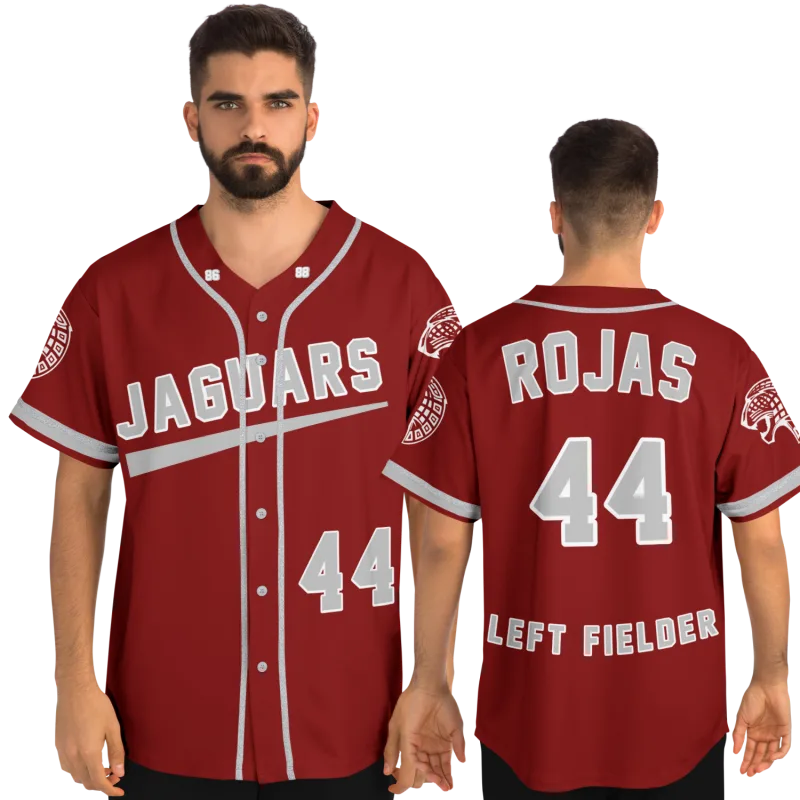
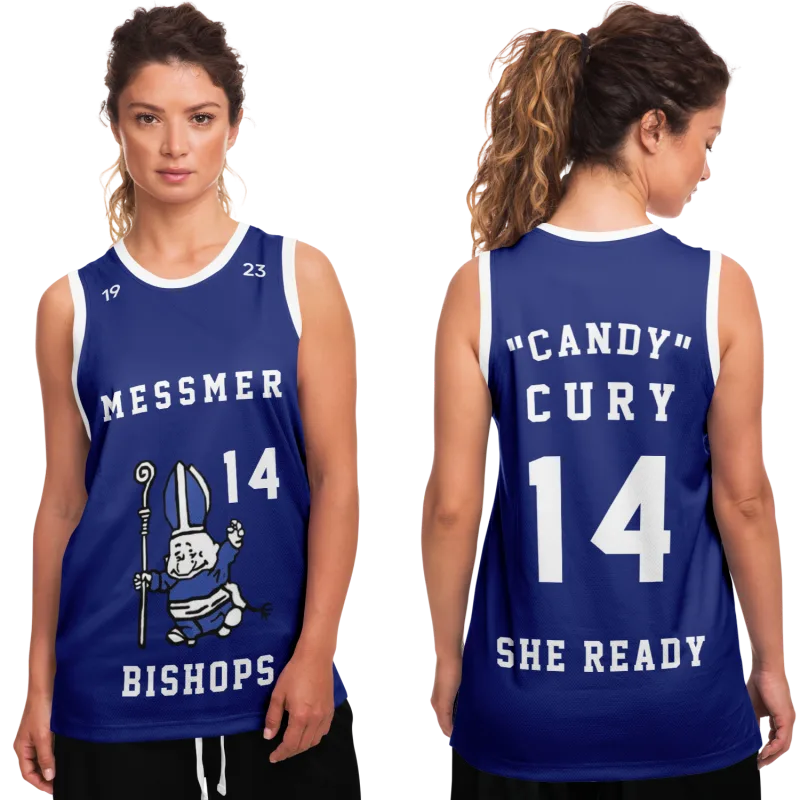
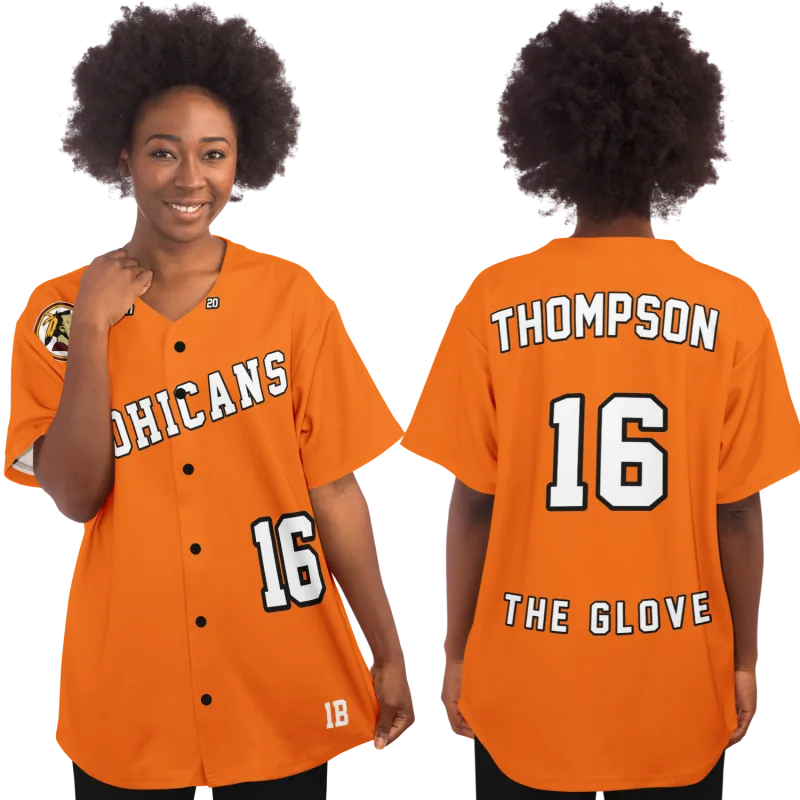
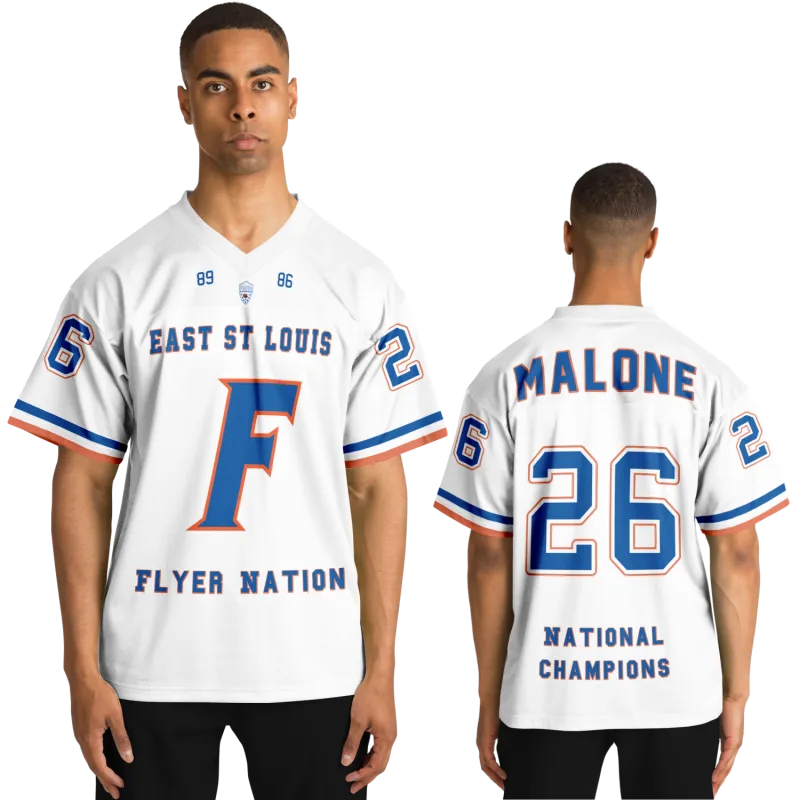
Design yours in minutes and see your name and number exactly the way you remember it.
Frequently Asked Questions
Why do fantasy football team names matter to former athletes differently than casual fans?
For former athletes, a fantasy football team name isn't a creative exercise — it's identity shorthand. It signals to the other people in the league (often former teammates or fellow athletes) precisely who you are and how you want to be remembered. The name carries the weight of shared athletic history. For a casual fan, it's about being clever or topical. For a former athlete, it's often about being accurate — about claiming or reclaiming the name that people who really knew them assigned.
How does a nickname assigned by teammates become a lasting part of someone's identity?
Teammates observe you in high-stakes, unguarded conditions — practices, film sessions, overtime situations — where it's very hard to perform an identity you don't actually have. A nickname that survives those conditions survives because it's true. It captures a behavioral constant, a competitive temperament, or a specific way of operating under pressure. Because those traits don't expire when the sport does, the name doesn't either. It keeps fitting because the person keeps being that person in different arenas.
What makes a fantasy team name feel earned versus just a clever pick?
A clever pick makes the room laugh once. An earned name makes the people who were there go quiet for a second before they laugh — because they remember specifically how it was earned. The difference is shared reference. A clever team name is for the whole internet. An earned nickname is for the twelve people in your draft league who know exactly what it means and exactly why it still applies. One is a performance. The other is a confirmation.
Should you use your old nickname or let the fantasy team name be something new?
Both choices say something. Using the old nickname is a statement that you're still that person — that the defining athletic identity holds. Choosing something new is a claim about who you've become. The most interesting league dynamics happen when someone who was known by one name shows up with a completely different one — because it forces the question of whether the old name still fits or whether something actually changed. Your teammates will have a verdict ready before the first pick.
See also: why personalized details hit differently than generic ones | the way your teammates still define part of who you are | reconnecting with the people who knew you as a player | why those shared memories from your playing days feel so permanent