


You can still smell it.
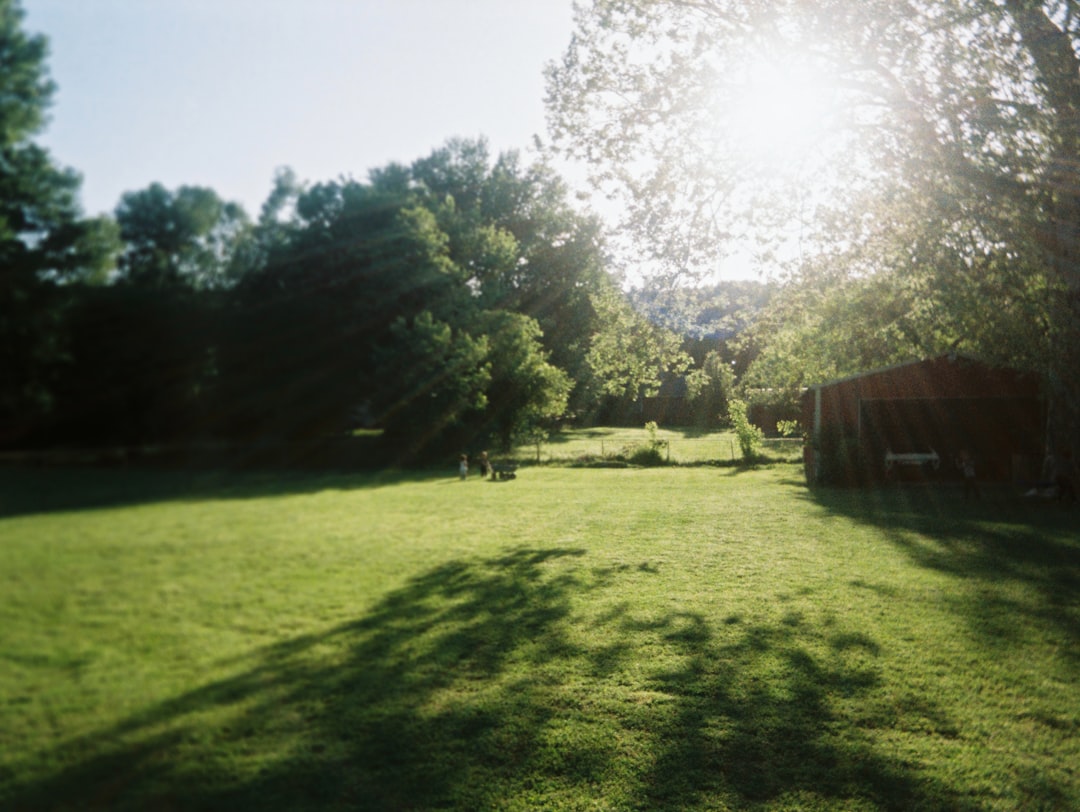
Cut grass, red clay, the faint chemical sweetness of a freshly chalked baseline. Sunscreen on your forearms. The particular heat of a metal bleacher seat at 2 in the afternoon when no cloud has passed over in an hour. If you played high school baseball — summer league, state playoffs, end-of-season tournaments — you don't need to close your eyes to get back there. The summer high school baseball memories are already there, just below the surface, waiting on the right trigger. The sound of a ball popping into a leather glove from across a parking lot. The smell of a concession stand hot dog. A certain quality of late-July light, that thick golden angle that turns the infield dirt amber.
This isn't an article about stats, scouting, or how to improve your swing. This is for the former player. The one who still drives by a high school field on a summer evening and feels something shift in their chest. The one who knows, in a way that's almost embarrassing to admit, that those long summer days at the ballpark shaped something fundamental — a way of being in the world that no other experience quite matched.
Welcome back to the field.
The Particular Light of a Summer Time Baseball Game
There's a specific kind of afternoon that belongs entirely to summer baseball, and it has nothing to do with the score. It happens somewhere around the fifth inning on a hot summer day at the baseball game when the light shifts from white to gold. The shadows from the dugout fence stretch long across the warning track. The infield shimmers just slightly. Nobody mentions it — you're focused on the lineup, on the signs from the third-base coach, on the guy on second who keeps taking a big lead — but your body notices. Some part of you is cataloguing it without your permission.

In our experience, former players fall into two distinct groups when they talk about those summers. The first group remembers the games — the at-bats, the big plays, the wins and losses. The second group remembers the atmosphere — and they do so with a kind of sensory precision that's almost photographic. Not what they saw, but how things felt against the skin. The particular way a batting helmet fit, a little too tight. The ritual of adjusting your cap between every pitch. The texture of the dugout bench when you sat on it for the third hour.
Both memories are real. But it's the second group who tends to get a little quiet when summer rolls around.
That quietness is worth paying attention to.
What the Light Actually Does to a Baseball Field
There's a reason afternoon summer games look the way they do in memory: the physics are working in your favor. In late afternoon, when the sun drops to around 30 degrees above the horizon, the light travels through more of Earth's atmosphere before reaching the field. Short wavelengths scatter. Long wavelengths — reds, oranges, deep golds — dominate. The result is that a baseball diamond in July at 4 p.m. is literally bathed in warmer light than at any other time of day. The grass reads greener. The infield dirt looks richer. The white of a uniform practically glows against it.
Your brain stored those images in a different register than ordinary afternoon light because they were different. That memory isn't nostalgia softening what you saw. It's an accurate record of something genuinely beautiful that you were lucky enough to stand inside — and your eyes knew it even when your brain didn't pause to notice.
The Sounds That Don't Fade
Ask a former player what they miss most about summer ball and they'll often land on something auditory before anything else. The pop of a fastball finding the catcher's mitt — not the soft thud of a changeup, but the sharp, authoritative crack that says that one had something on it. The ping of an aluminum bat, which occupies its own frequency in memory from any other sound in the sport. The chatter from the dugout, which followed patterns so specific they were practically liturgical. Hey batter batter. Let's go, let's go, let's go. He can't hit, he can't hit.
There was also the ambient sound of a summer time baseball game that almost nobody thinks to mention: the crowd. Not the roar of a stadium, but the low particular hum of a high school crowd on a summer afternoon. Parents in camp chairs along the first-base line. A younger sibling running laps behind the backstop. A radio someone had carried in playing just loud enough to hear between pitches. The occasional car engine drifting over from the road beyond the outfield fence.
That sound — small, warm, unhurried — turns out to be deeply wired into the memory of what those summers meant. It said: people showed up for this. People showed up for you.
The Sound That Comes Before the Play
One of the most underrated sounds in summer baseball is the one that arrives before anything happens: the outfielder's footstep in wet grass during early-morning warmups. The clink of batting helmets shifting in the equipment bin. The specific rhythm of a pitcher finding their windup, over and over, in the bullpen while the infielders take grounders across the diamond.
These sounds were the scaffolding of the day. They said: this is real, this is happening, you are here. Years later, they surface first — before the big moments, before the memorable plays — because they were the sounds of the ordinary machinery of something you loved.
The Smell of Summer Grass and Ball Fields: A Specific Kind of Time Travel
This is the one. The smell of summer grass and ball fields is the fastest route back to those summers because olfaction bypasses the interpretive brain entirely. The smell reaches the limbic system — the part that handles emotion and memory — before any conscious processing occurs. There's no choosing whether to respond to it. You simply are back there, standing in shallow left center during warmups while someone in the dugout yells something you can't quite make out.
The specific smell of a high school baseball field in summer is a layered thing. It starts with the grass — not just cut grass, but grass that has been in full sun for six hours and holds a particular green sweetness that hovers just at the edge of what you can describe. Underneath it, the infield dirt, which carries its own scent depending on composition: some fields run red clay, some run something grayer and dustier, and your nose knows the difference even when your brain doesn't consciously register it. Then leather — gloves, batting gloves, the catcher's equipment baking in the afternoon heat. Sunscreen. Somebody's pine tar rag left near the on-deck circle. Concession stand oil if the field had one.
The whole composition together is unrepeatable. There is no candle version of it, no air freshener approximation, no substitute of any kind. You get it from standing near a baseball field in July, and not from anywhere else.
Marcus T., 38, played shortstop for a summer league team in central Texas for three seasons. He still identifies the exact smell of a county complex field they used to travel to — red clay, old lumber from a storage shed behind left field, a faint trace of motor oil. "I drove past a lumberyard two years ago and pulled over," he says. "Stood there for a full minute. I was back on that field so completely I almost forgot what decade it was."
That's not unusual. That's exactly how this works.
The End-of-Season Baseball Trip: When Everything Was in the Balance
If there was a single week in the summer baseball calendar that crystallized everything about what those years meant, it was the end-of-season baseball trip: the push toward the state tournament, the bus ride to a town nobody had been to, the motel with the malfunctioning ice machine, the pregame meal at a chain restaurant where everyone ordered the same three things off the same two pages of the menu.
There was a specific gravity to those trips that didn't exist during the regular season. Everyone knew the season was finite. Everyone felt — without quite saying it — that this version of the team, these exact people in this exact configuration, had a limited number of innings left together. Seniors already understood it clearly. Underclassmen absorbed it by proximity. Coaches knew it better than anyone and mostly kept that knowledge to themselves.
The bus rides were their own category of experience. Long stretches of highway, sunburned arms resting on open windows, someone's Bluetooth speaker cycling through a playlist that was already three months stale. Card games running in the back rows. Guys stretched across two seats, hats over their faces. Someone always looking out the window at the landscape passing by with an expression that was hard to name.
What was that expression? It was the face of someone understanding, in real time, that they were inside something they would one day miss. Not after it ended — during it. That kind of awareness is rare, and summer baseball produced it reliably, even in teenagers who weren't otherwise prone to reflection.
What Made Those Road Games Different
Home games had their own particular feel — the comfort of a familiar mound, the knowledge of the gap in right-center where the ball would run. But road games during tournament season carried something else: the mild disorientation of a new field, a different mound height, outfield grass that played differently than anything you'd trained on all summer. You warmed up under unfamiliar lights or in unfamiliar afternoon heat. The home crowd watched you with that particular stillness that visiting teams always feel somewhere in the back of their awareness.
There was an intimacy to the away dugout, too. Smaller, sometimes, than what you were used to. Everyone sat closer together. The chatter tightened. Being collectively out of your element brought the team into sharper focus — each other was the one constant in an unfamiliar setting, and on some level, everyone felt that at the same time.
What Happens to a Summer You Can't Forget
The memories of summertime baseball don't thin out with distance. If anything, they accumulate weight. The images grow more specific over time, not less — the exact color of the sky during a particular at-bat, the exact emotional texture of a moment in a game that mattered more than most. The neurological reason is clear enough: emotionally significant memories are consolidated differently than neutral ones. High arousal, high stakes, and high sensory engagement all signal to the brain that this experience belongs in long-term storage, in high resolution.
But the reason it matters isn't neurological. It's more straightforward than that.
You were fully present during those summers in a way that adult life rarely demands or allows. The field required it — the game doesn't let you be somewhere else while you're inside it. Every pitch asked for attention. Every at-bat was a small, self-contained world that closed the moment it ended. The season itself had a shape: a beginning in the spring warmth, an accelerating middle through the heat of June and July, and an ending that everyone could feel approaching even before it arrived. That shape — bounded, complete, finished — is part of what makes the memory feel so clear compared to the more formless texture of ordinary time.
You were there. All the way there. And some part of you has never entirely left.
According to research on emotionally enhanced memory, emotional arousal at the time of an experience is one of the strongest predictors of long-term retention and vividness of recall — which explains why a summer that ended fifteen years ago can feel closer than last Tuesday.
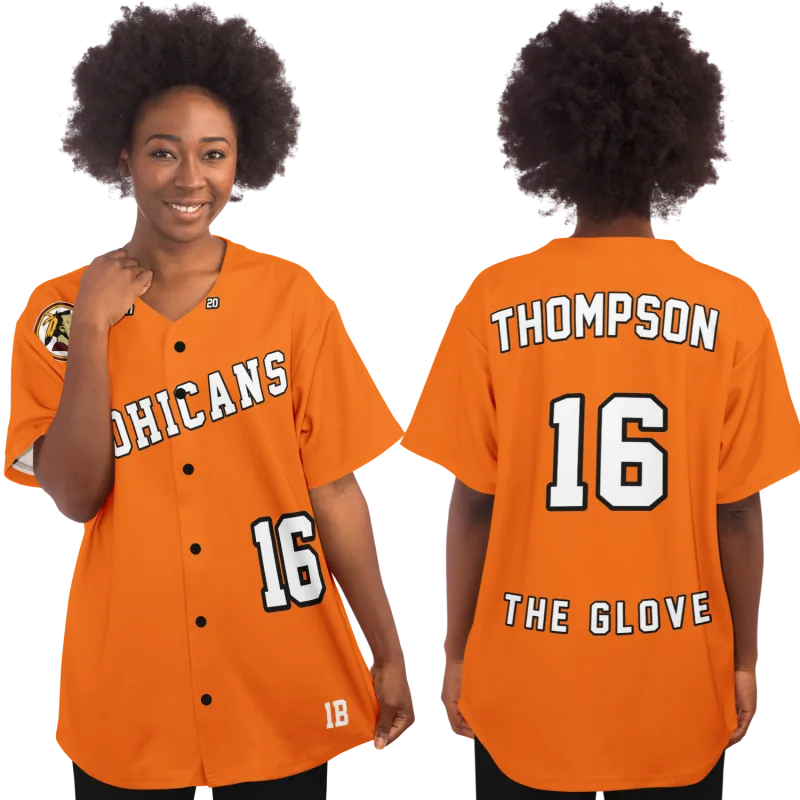
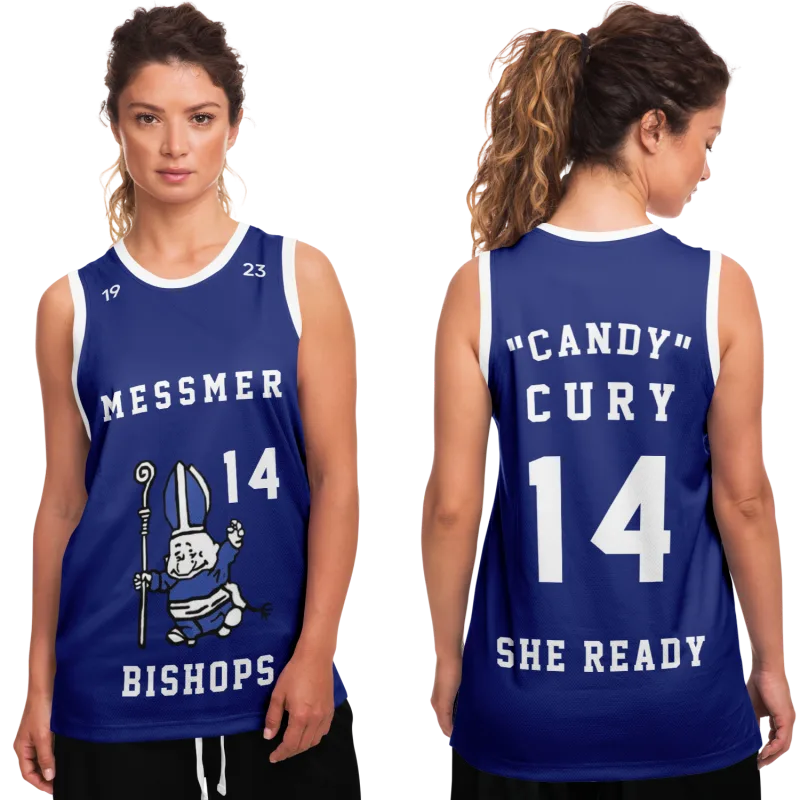
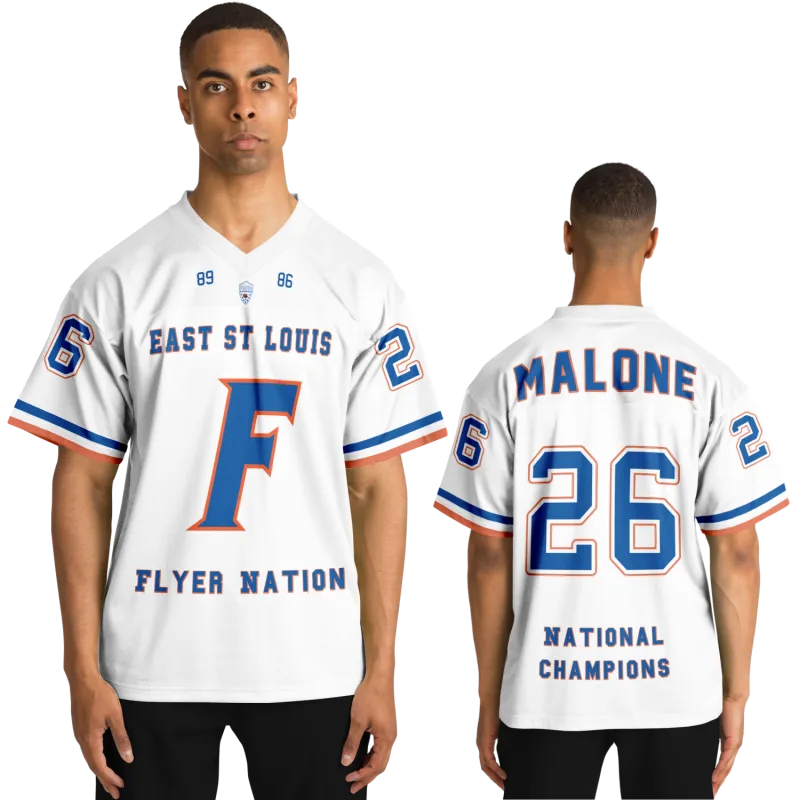
Your jersey is still out there waiting.
Design yours in minutes and see your name and number exactly the way you remember it.
Frequently Asked Questions
Why do summer baseball memories feel so vivid compared to other experiences from the same period?
Summer baseball combined several conditions that neurologists associate with strong memory formation: high sensory engagement, emotional stakes, physical exertion in heat, and a clear temporal structure with a defined beginning and end. When all of these factors are present at once, the brain consolidates the experience more deeply than it does neutral or low-stimulation events. The result is that summer baseball memories often feel more accessible and more detailed than experiences from the same years that lacked those conditions — even experiences that seemed significant at the time.
Is there a reliable way to reconnect with summer baseball memories as an adult?
The most direct route is sensory. The smell of a baseball field — specifically the layered combination of cut grass, infield dirt, and leather — is among the most efficient olfactory triggers for episodic memory because scent bypasses the cortical processing that other senses require. Attending a high school or summer league game in July, sitting in the bleachers during late afternoon, puts you inside the sensory environment of those original experiences more completely than photographs or highlight footage can. Many former players also find that handling equipment from that era — a glove, a batting helmet, a wooden fungo bat — produces an immediate and specific emotional recall that nothing visual quite matches.
Why does the end of a baseball season feel different from the end of other sports seasons?
Baseball seasons at the high school and summer league level have an unusually complete arc that maps closely onto the structure of a finished chapter. The sport also creates long stretches of waiting and focused attention between periods of action, which means players accumulate more ambient, atmospheric experience during a season than they might in higher-tempo sports. The end of that season — particularly a tournament exit — arrives with a completeness that feels both abrupt and inevitable at the same time. Former players consistently describe the final bus ride home from a losing tournament game as one of the most emotionally precise memories from their playing years: not because of the loss itself, but because of the collective, unspoken acknowledgment shared in that bus that something specific and unrepeatable had just come to a close.
Do former players from different generations share the same sensory memories of summer ball?
The specific details differ — aluminum versus wood, particular warm-up music, the presence or absence of dugout electronics — but the core sensory vocabulary of summer baseball holds remarkably consistent across generations. The smell of the field, the weight of late-afternoon heat, the geometry of the diamond, the particular quality of attention the game demands: former players from the 1970s and former players from the 2010s describe these in nearly identical terms. The game creates a sensory environment that hasn't changed in its essentials, which is part of why summer baseball memories remain so legible to other former players regardless of when, exactly, they played.
See also: why high school sports still matter to adults | the science behind why your senior season memories feel so vivid | why you still dream about those high school games | the grief that comes when the last season ends | what senior night felt like standing on that field one last time