
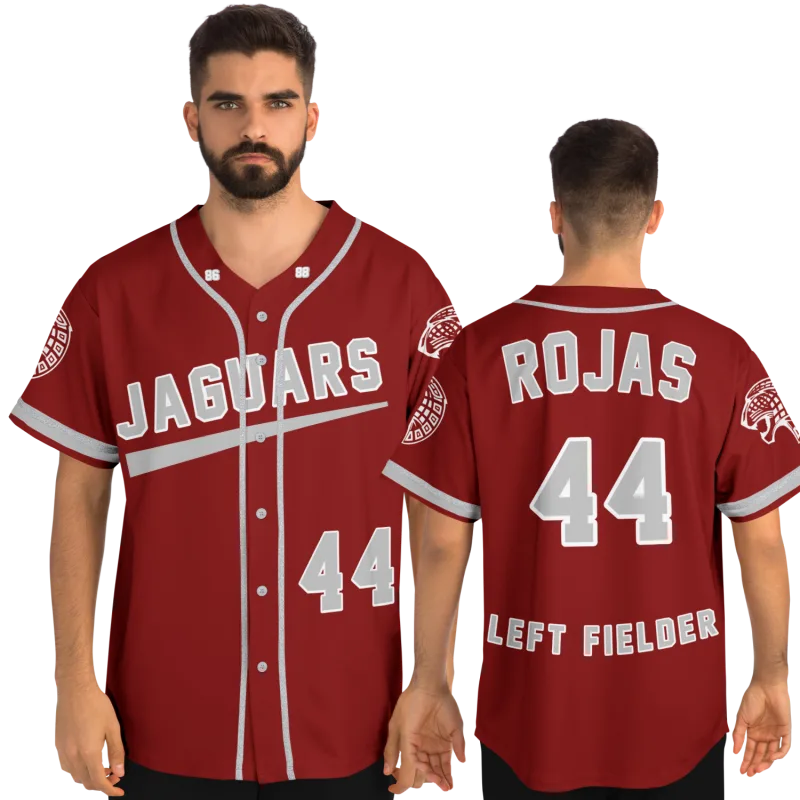
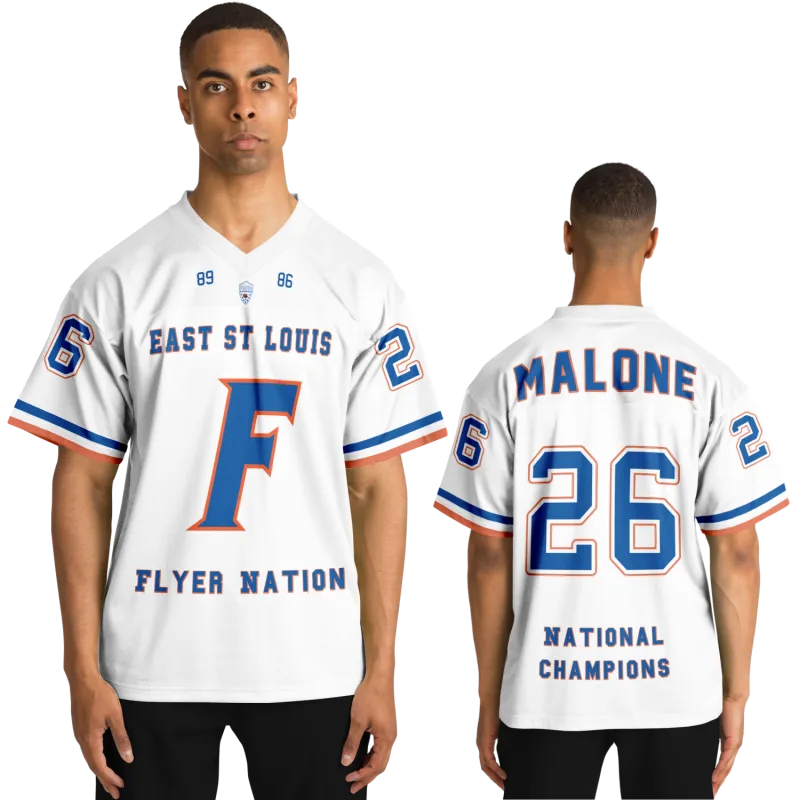
It's in a box somewhere. You know the one — pushed to the back of a closet shelf or sitting in a plastic bin in the garage. Inside: a folded jersey with a number you still know by heart, a medal on a fraying ribbon, a wristband from the state tournament, a game program with your name in the starting lineup. Maybe a photograph you haven't looked at in years.
You didn't frame it. You didn't throw it away. It just... waited.
A shadow box for high school sports memorabilia is the answer to that waiting — a display that treats those artifacts the way they actually deserve to be treated, not as clutter, but as the physical record of something real you did when it mattered most. This guide is not a generic craft tutorial. It's a specific, step-by-step framework built for former athletes who have real items with real weight — and want to display them in a way that honors what those items actually represent.
What Most Shadow Box Tutorials Get Wrong for Athletes
Pull up any standard shadow box guide and you'll find instructions built for scrapbookers. They assume you're working with flat paper items, uniform sizes, and the kind of patience that involves cutting mats and applying adhesive dots with tweezers.
That's not your situation.
A former high school athlete's collection is irregular, dimensional, and emotionally loaded in ways that a craft tutorial cannot anticipate. Your varsity letter is thick felt. Your medal has a hanging loop. Your championship wristband has more sentimental value than its $0.50 replacement cost would suggest. Your jersey patch is faded in exactly the right places. A generic tutorial will tell you to "arrange items aesthetically." This guide will tell you specifically how to handle the actual items you're working with.
The other thing most tutorials miss: curation. The hardest part of building a high school sports shadow box isn't the assembly — it's deciding what belongs inside. Athletes tend toward one of two failure modes: they try to include everything and end up with a crowded, visually incoherent box, or they overthink the selection and never start at all. The framework below solves both problems before you pick up a single tool.
Before You Build: The Athlete's Curation Framework
The single most important step happens before you open a shadow box kit. Get every candidate item out of the box, the bin, the drawer, and the envelope, and put them on a flat surface in front of you. All of it. Don't pre-edit.
Now apply this filter in sequence:
Filter 1: Does this item anchor the story? Every great sports shadow box has one or two anchor items — the things that immediately communicate who you were and what you did. For most athletes, the anchor is a jersey number, a varsity letter, or a championship medal. Everything else in the box exists in relationship to the anchor. Identify yours first. If you have two strong anchors competing for the same visual space, they won't coexist well — choose one as the primary and find a subordinate role for the second, or build two separate boxes.
Filter 2: Does this item add a layer the anchor doesn't tell? Good supporting items add a layer of specificity the anchor can't communicate on its own. A game ticket from the rivalry game tells the viewer when. A photograph of the team at the state tournament tells them who. A newspaper clipping with your name in the box score tells them what happened. A wristband or a batting glove tells them what it felt like to play. Items that simply repeat the anchor's information — a second medal from the same season, a second photograph of the same moment — can usually be cut.
Filter 3: Does it fit, physically? Shadow boxes have fixed depths — typically 1.5 inches to 2.5 inches for standard retail frames. Dimensional items like thick trophies, full-size plaques, or bulky equipment don't fit without modifications most DIYers aren't equipped to make. In our experience, the most common mistake athletes make is selecting items they love but can't physically accommodate, then improvising solutions that compromise the final look. Measure before you commit.
After running every candidate item through these three filters, you should have a curated set of 6 to 12 items. That's the working range for a standard 16x20 shadow box. Fewer than six and the display looks sparse; more than twelve and it starts to look like the junk drawer you were trying to escape.
What You'll Need Before You Start
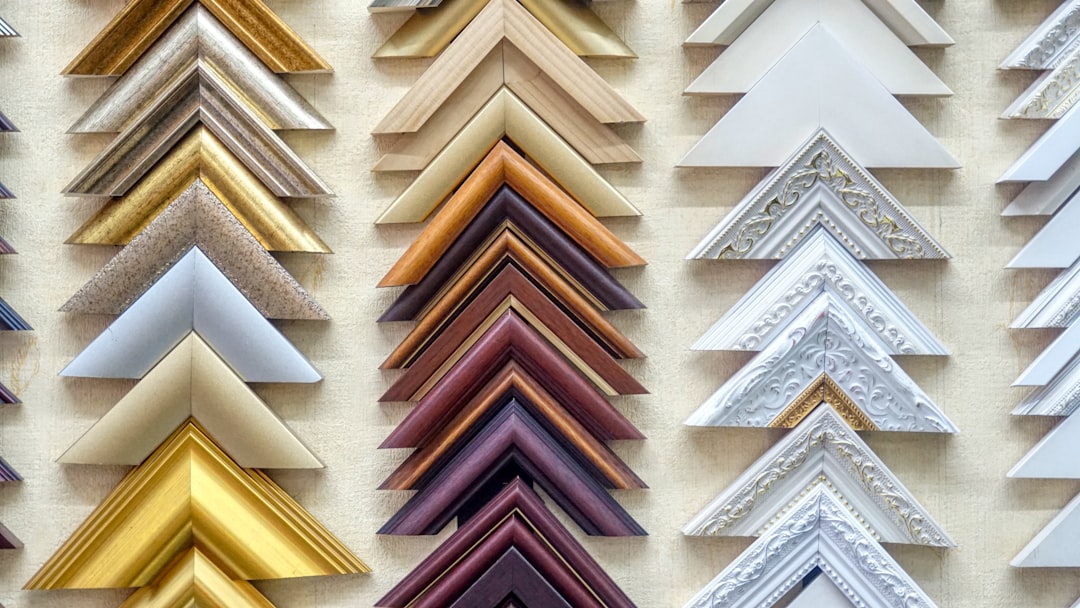
The shadow box frame: Choose a frame depth based on your thickest item, not your average item. If your medal hangs from a thick ribbon and a metal disc, measure the full depth at rest — most standard medals sit at about 0.75 inches. A frame with a 1.5-inch depth accommodates most athletic memorabilia comfortably. Wood frames with glass fronts protect against UV damage and dust better than acrylic; if your items include photographs or printed programs, UV-protective glass is worth the extra cost. Standard sizes that work well for athlete displays: 16x20 inches (fits a varsity letter plus supporting items), 18x24 inches (fits a folded jersey or a team photograph as a backdrop).
Quick-reference sizing guide:
| Item type | Recommended frame size | Suggested depth |
|---|---|---|
| Varsity letter plus a few small items | 12 x 16 inches | 1.5 inches |
| Standard athlete collection (letter, photos, medal, small flat items) | 16 x 20 inches | 1.5–2 inches |
| Standard collection with a folded jersey as backdrop | 18 x 24 inches | 2–2.5 inches |
| Full jersey display (use a dedicated jersey frame) | 20 x 24+ inches | 2+ inches |
Mounting materials: - Acid-free foam board or archival backing board (cuts to size, pins hold without damage) - Stainless steel or brass T-pins for dimensional items - Acid-free double-sided tape or photo corners for flat paper items - Fishing line or clear nylon thread for hanging medals (creates floating depth effect) - Archival-quality adhesive strips for fabric items like wristbands
Tools: - Ruler and pencil - Craft knife or scissors - Cutting mat - Needle-nose pliers (for bending and securing pins)
One item you do NOT need: a hot glue gun. In our experience, hot glue is the single most common mistake in DIY memorabilia displays. It damages fabric, leaves residue on metals, and makes future changes or additions impossible. Every item in your shadow box should be mounted in a way that could be reversed if you change your mind five years from now.
How to Build a Shadow Box for High School Sports Memorabilia: Step by Step
Step 1: Lay Out Your Composition on the Backing Board Before Committing to Anything
Remove the backing board from the frame and place it on your work surface. Set every curated item on the board — not attached, just placed — and spend time with the arrangement before you touch a single pin or strip of tape.
The compositional principle for athlete shadow boxes is radial hierarchy: your anchor item goes in the visual center or slightly above center. Supporting items radiate outward from the anchor in descending order of emotional significance. The viewer's eye should hit the anchor first and then travel to the surrounding items in a sequence that tells the story forward — ideally from the beginning of the season to its culmination.
Practical specifics: a varsity letter placed slightly above center with a team photograph in the lower left, a championship medal in the lower right, and a game ticket or program tucked in the upper corners creates a natural reading path that feels balanced without being symmetrical. Asymmetry is intentional here — perfectly centered, perfectly balanced arrangements look like interior decoration. Slightly asymmetric arrangements look like a story.
Take a photograph of the arrangement with your phone before mounting anything. You'll reference it constantly during Step 2.
Step 2: Mount Dimensional Items First, Flat Items Last
Sequence matters in shadow box assembly. If you mount flat paper items first, you risk smudging or tearing them when you're working around dimensional items. Start from the back of the depth and work forward.
For medals: Cut a 6-inch length of clear fishing line, loop it through the medal's hanging ring, and pin both ends of the loop to the backing board with T-pins. The medal will hang slightly away from the backing, creating depth. Adjust pin placement until the medal hangs straight, then press pins flush.
For fabric items (wristbands, jersey patches, laces): Archival adhesive strips on the back corners hold fabric items flat without puckering or leaving residue. Press firmly and hold for 30 seconds. Do not use tape around the edges — it yellows over time and creates visible borders.
For the varsity letter or jersey number: If it's thick felt, use T-pins pushed through the felt at the corners and pressed into the foam backing. The pins should be invisible when viewed from the front. If the felt has embroidery, avoid pinning through the embroidered sections — pin through the solid felt border only.
For photographs and paper items: Acid-free photo corners are the cleanest solution. They hold the item securely, they're invisible, and they allow the item to be removed later without damage. Acid-free double-sided tape is acceptable for items you're certain you'll never want to remove.
Step 3: Add a Caption Strip or Date Label at the Bottom
This step is optional, but athletes who include it almost universally say they're glad they did. A simple acid-free label strip at the bottom of the display — "[Sport] · [School Name] · [Year or Season]" — does two things: it provides context for viewers who didn't watch you play, and it anchors the display in time in a way that will matter in 20 years.
Print on archival cardstock, not regular printer paper. Regular paper yellows within a few years when exposed to light. Archival cardstock maintains color and integrity for decades under normal display conditions. Font size should be readable from three feet away without being large enough to compete with the anchor item visually.
Step 4: Secure the Backing and Close the Frame
Before closing, do a final visual check: look at the arrangement from three feet away and photograph it again. Compare to your Step 1 photograph. Make any adjustments while you still can.
When everything is positioned correctly, fit the backing board back into the frame and secure the frame's backing hardware. If the frame uses turn-buttons or small metal tabs, tighten them with needle-nose pliers — hand-tight isn't enough to hold the backing stable over time.
Check that the glass is clean on the interior before you seal it. Once closed, any dust or smudge inside the glass requires reopening the entire display.
A Note From Someone Who Did This Recently
Marcus T., 34, a former high school soccer goalkeeper from the Midwest, spent two seasons thinking about doing this and one Saturday actually doing it. His anchor item was a No. 1 jersey patch from his state semifinal season — not the championship, because they lost — and he made the deliberate choice to include the laminated ticket stub from the match they lost in overtime. "Everybody frames the wins," he told us. "But the loss is the one I still think about. It belongs in the display more than anything else." The result was a 16x20 shadow box that his teammates' parents asked about at a reunion 12 years after graduation. That's what specificity does — it produces something that means something, not just something that looks like a sports display.
Displaying and Preserving Your Shadow Box Long-Term
Where you hang the shadow box matters as much as how you build it. Direct sunlight is the primary enemy of sports memorabilia — UV exposure fades fabric, yellows paper, and oxidizes metals within years, not decades. Hang your display on an interior wall away from windows, or use UV-protective glass if a window-adjacent wall is your only option.
Humidity is the secondary concern, particularly for paper items like game programs and newspaper clippings. Avoid hanging on exterior-facing walls in climates with significant temperature swings — the condensation differential between wall and room air creates moisture accumulation behind the frame over time. An interior wall at consistent room temperature is the correct environment.
Lighting is a third variable — and an easy one to get right. Battery-operated LED strip lights attached along the interior top edge of the frame add a museum-quality glow that draws the eye to your anchor items without generating heat (heat-producing bulbs accelerate fabric and paper deterioration when placed too close to memorabilia). Cool-white LED strips rated 4000K to 5000K with adhesive backing are the standard choice for display lighting; route the battery pack discreetly behind the frame or through a small notch in the backing board.
For athletes who want to add to the display over time — a reunion photograph, a news clipping that surfaces years later — build the display with that possibility in mind. Leave visual breathing room in the composition rather than filling every square inch. A slightly spare arrangement that can absorb one new item is more durable than a packed one that can never change.
Displaying Old Sports Awards That Don't Fit a Shadow Box
Not everything belongs in a shadow box, and forcing items that don't fit will compromise the ones that do. Here's how to handle the outliers:
Trophies: A shadow box is not the right home for a full-size trophy. Trophies display best on a dedicated shelf — a floating shelf at eye level, spaced to allow a few inches of clearance above the tallest piece. Group them by season or significance, not randomly. If a trophy is severely damaged or missing parts, a professional restoration service can often source replacement hardware for common trophy styles.
Framed team photographs: A large team photograph framed separately and hung adjacent to the shadow box creates a gallery wall effect that gives both items more presence than either would have alone. Match the frame finish — if your shadow box has a dark walnut finish, use the same finish on the photograph frame.
Plaques: Awards plaques often have their own hanging hardware and display best solo, centered on a wall above a desk or at the entry of a home office. They don't need to coexist with the shadow box — they're strong enough to stand alone.
Your jersey is still out there waiting.
Design yours in minutes and see your name and number the way you remember it.
Frequently Asked Questions
What size shadow box works best for high school sports memorabilia?
For most athletes, a 16x20 inch shadow box with a 1.5-inch to 2-inch depth accommodates the typical collection — a varsity letter or jersey patch, one to three photographs, a medal, and two to four small flat items like tickets or wristbands. If your collection includes a folded jersey as a backdrop item, step up to 18x24 inches. The depth dimension is more important than most guides acknowledge: measure your thickest item before purchasing a frame, and buy a frame with at least 0.25 inches of clearance beyond that measurement so items don't press against the glass.
How do I preserve the items in my shadow box so they don't deteriorate?
Three practices account for most long-term preservation outcomes. First, use acid-free mounting materials exclusively — regular tape, cardboard, and adhesives are acidic and will yellow and degrade paper and fabric over time. Second, hang the display away from direct sunlight or use UV-protective glass. Third, avoid mounting items with hot glue or permanent adhesive; reversible mounting (T-pins, photo corners, archival strips) allows you to address deterioration or damage without losing the item. If your collection includes items of significant sentimental or monetary value, the Smithsonian Museum Conservation Institute's personal collection care guidelines provide detailed, material-specific preservation advice.
Can I include a jersey in a shadow box, or is it too bulky?
A full jersey is generally too bulky for a standard shadow box, but a folded jersey can work as a background element in a deeper frame (2 to 2.5 inches) if it's a lightweight material — a mesh basketball jersey folds flat to about 0.5 inches and fits comfortably. A thick cotton or polyester practice jersey will typically exceed the depth of most frames. The better approach for jerseys is a dedicated jersey display frame, which is designed specifically for the depth and dimensions of folded athletic wear. What does work beautifully in a shadow box is a jersey patch or number panel — cut from an old jersey that's already damaged or from a duplicate — which captures the number and color without the bulk.
What should I do if my memorabilia items are in poor condition?
Condition adds character to an athlete's display, not detracts from it. A faded wristband, a slightly bent medal, a worn team photograph — these are evidence of actual use, not flaws to be corrected. The one situation that warrants intervention is items that are actively deteriorating: brittle yellowed paper, fabric with active mold or mildew, or metals with significant corrosion. For valuable paper items, a local archival framing shop can stabilize deterioration with deacidification sprays and archival enclosures. For fabric, a textile conservator can address mold and mildew without damaging the item. For most athletes, though, the honest condition of the item is part of its story — display it as it is.
Is a DIY shadow box better than buying a pre-made sports display kit?
Pre-made sports display kits exist in a wide price range and quality range. The primary limitation of most retail sports display kits is that they're designed for a generic athlete's collection — uniform item slots, standard spacing, often a predetermined layout that doesn't adapt to your specific items. A custom-built shadow box using standard frame and mounting materials typically costs the same as a mid-range pre-made kit ($40–$90 for materials) and produces a result that is specific to your collection rather than generic to a sports category. The process described in this guide is straightforward enough for a first-time builder and takes most athletes two to three hours from layout to finished display.
See also: sports shadow box ideas for former athletes | personalized sports gifts vs generic options | what to do with your old varsity letter jacket | why high school sports gifts carry so much emotional weight