
There's a difference between someone who follows baseball and someone who played it.
The fan who follows the game loves the sport from the outside — the statistics, the drama, the loyalty to a franchise that's been in the family for three generations. That love is real. It deserves to be honored.
But the person who played? They love baseball from the inside. They know what it feels like to have dirt in their cleats and chalk dust on their hands. They remember the weight of the bat they swung in the best season of their life. They can still feel the pocket of a well-broken-in glove around their throwing hand. When you're shopping for gifts for baseball fans who actually stepped onto a diamond — as a player, not a spectator — you're not shopping for merchandise. You're shopping for memory.
That's the distinction this guide is built on. And it changes everything about what you choose.
The Fan Who Played Is a Different Person Than the Fan Who Watches
Every former player carries a private museum in their memory. It's not organized by team rosters or championship years. It's organized by moments: the at-bat where everything clicked, the defensive play that still replays in their mind thirty years later, the smell of a freshly dragged infield on a Saturday morning in May.
If you played, you know what that museum feels like. You know how a single object — a leather glove, a team photo, a jersey hanging in a closet — can unlock a whole corridor of it in an instant.
That's the target you're aiming for when you're choosing a gift for someone who played. You're not trying to connect them to the sport as an observer. You're trying to reach back into their actual story and pull something forward into the present.
Generic baseball merchandise misses this entirely. A branded hat or a bobblehead or a novelty item printed with a team logo lives in the fan zone — and there's nothing wrong with it. But it doesn't reach the player zone. It doesn't say I know who you were out there. It says I know you like baseball.
The gifts that land with former players — the ones that get held for a long moment before anything is said — are the ones that close that gap. They acknowledge not just the sport, but the specific person who played it.
What Former Players Actually Want to Feel
Before you browse a single product, it helps to understand the emotional geography here. Former athletes — regardless of sport, level, or era — share a particular relationship with their playing days that shapes everything about how a gift lands.
There's a version of that time that lives at a level most of life doesn't reach. The focus was sharper. The stakes felt higher. The team was a family built from shared effort. And the person who showed up every day to compete — that person was a fully realized version of themselves in a way that can be hard to access later.
A gift that reaches into that territory does something specific: it tells the former player that the part of them that lived on that field is still worth honoring. That it didn't disappear when the last game ended. That the number on the back of their jersey still means something.
This is why the most resonant gifts for former baseball and softball players tend to have one thing in common — they're particular. They reference something specific: a number, a position, a team name, a season. They're not about baseball in the abstract. They're about their baseball.
Generosity is in the gesture. Meaning is in the specificity.
The Four Categories of Gifts That Actually Reach Former Players
1. Identity Objects That Name the Player, Not Just the Sport
The single most powerful category of gifts for someone who played is anything that puts their name, number, or position front and center — not a famous player's name, not a franchise logo, but their identity from their playing days.
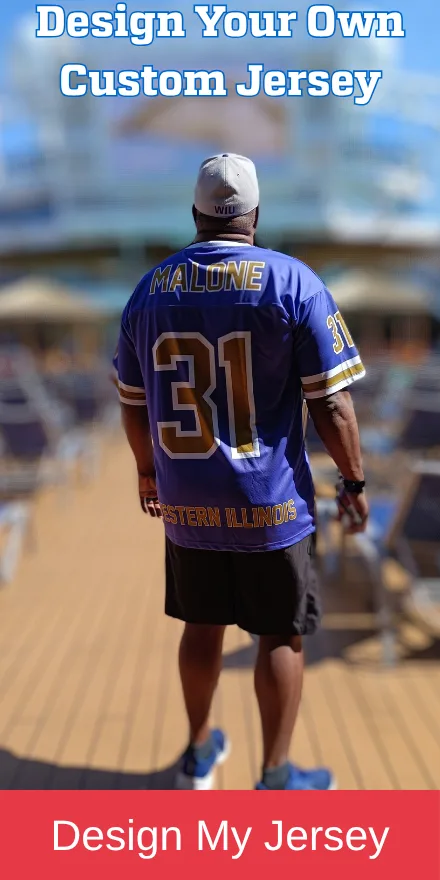
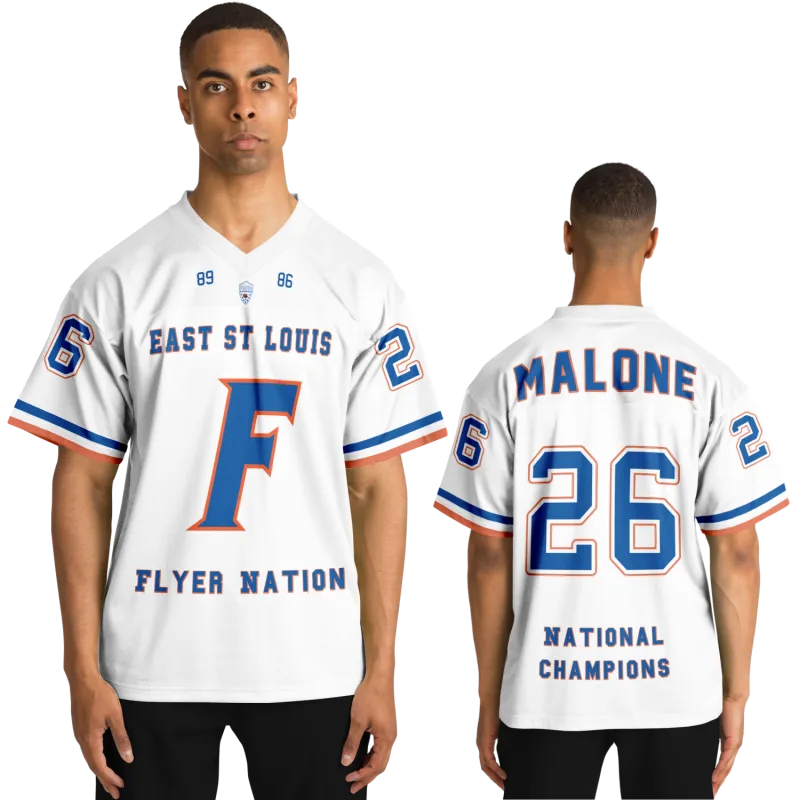
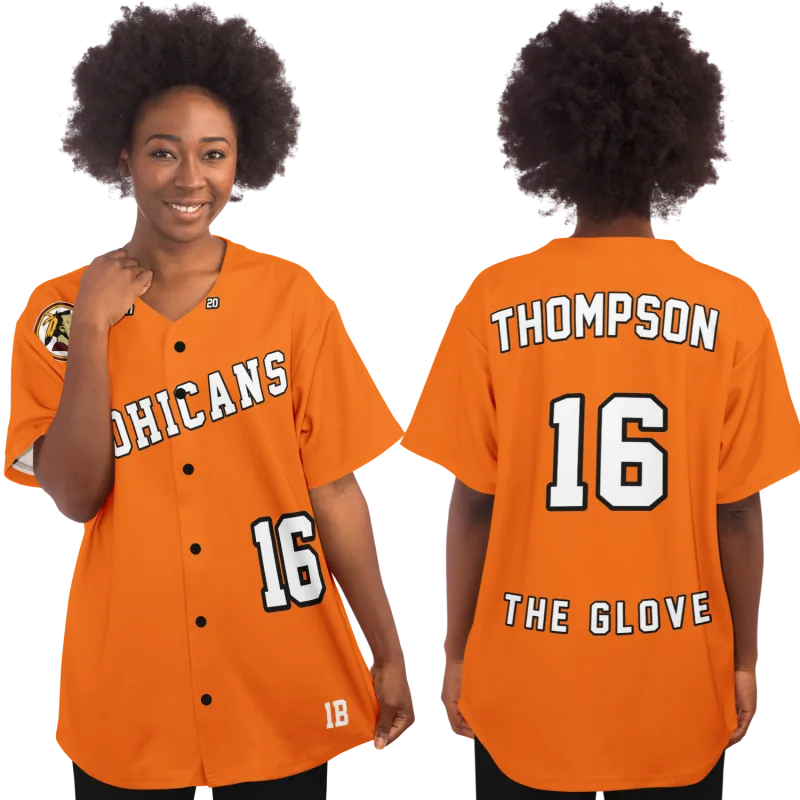
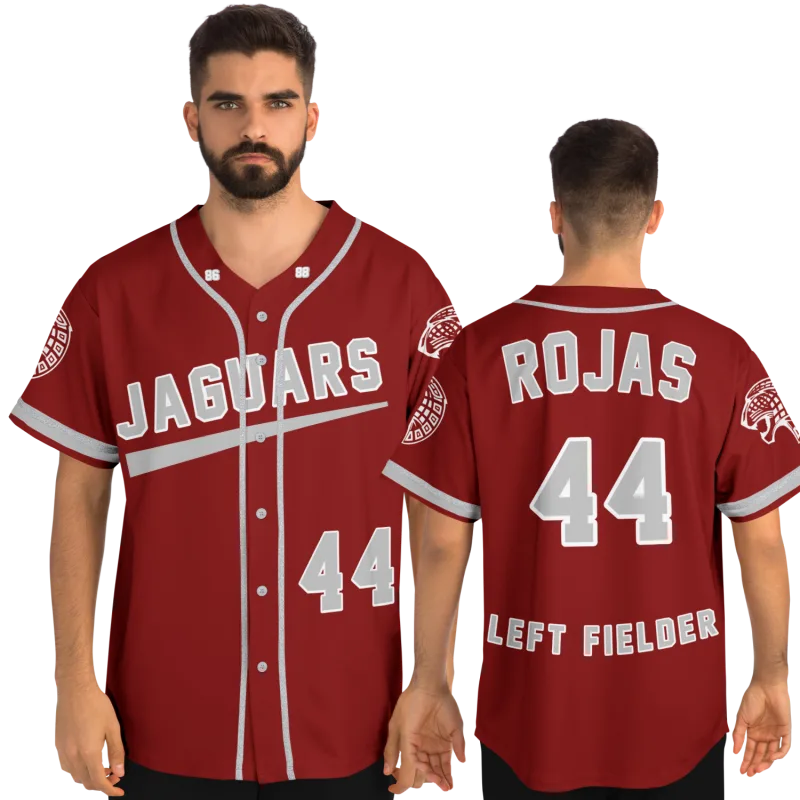
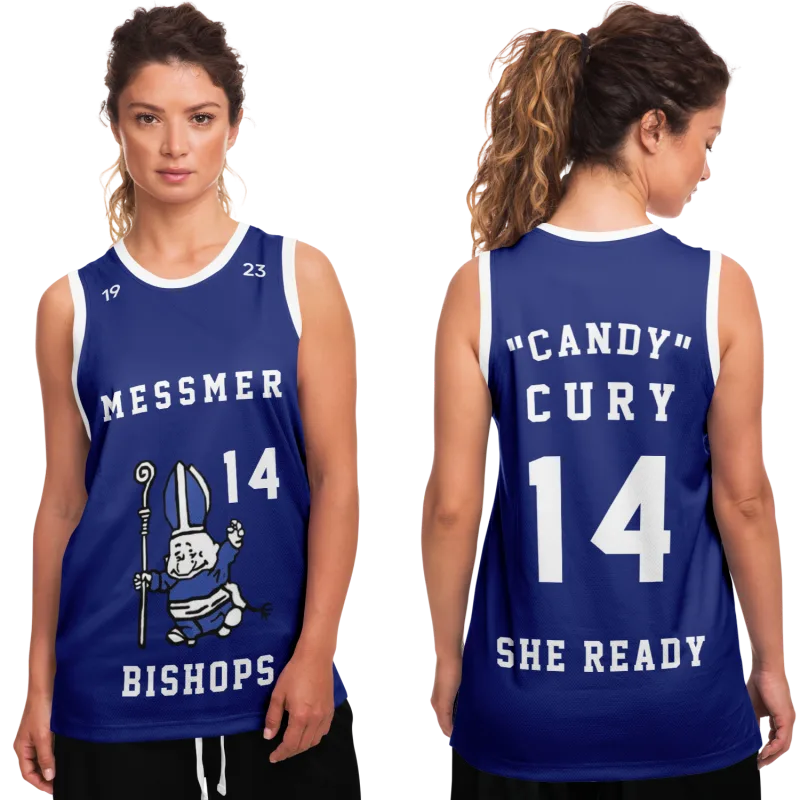
A custom jersey is the clearest expression of this. Not a mass-produced major league jersey with someone else's name on it — a jersey that says what their jersey said. Their name. Their number. The team they played for, or a name that echoes what that team meant to them.
In our experience, this is the gift that gets held longest before the recipient says anything. There's a moment of recognition that happens before language catches up. The person is reading something off that jersey that no one else in the room can read — a specific story from a specific time, suddenly made tangible.
Custom jerseys work equally well for baseball and softball players — whether it's a custom softball jersey or a baseball jersey — and they can honor any level of play — rec league, high school varsity, travel ball, college, or anything in between. The level doesn't matter. The identity does.
Other objects in this category: custom dugout-style nameplates, engraved items that reference a specific uniform number, personalized artwork that incorporates position or team.
The rule for this entire category: it must be theirs. Not a famous player's. Not the sport's. Theirs.
2. Artifacts That Recreate a Specific Sensory Memory
Every former player has a set of sensory anchors — physical details of the game that the body remembers even when the mind has moved on.
The smell of pine tar and leather. The particular sound a well-hit fastball makes coming off an aluminum bat versus a wood one. The weight and feel of a catcher's chest protector being strapped on. The chalk of the batter's box. The way a pair of stirrup socks felt pulled up properly on a hot August afternoon.
Gifts that evoke these specific sensory anchors reach deeper than gifts that reference the sport visually. A high-quality leather glove — even if the person hasn't played competitively in twenty years — carries a weight and smell that unlocks something physical. A display bat, especially a wood one in the style they played with, can do the same.
The goal here isn't to give someone equipment to use. It's to give them an object whose physical presence calls up a felt memory. These are the gifts that end up on desks and shelves rather than in closets — not because they're decorative, but because the person wants to keep that anchor nearby.
3. Documentation of the Story They Lived
Every former player has a chapter of their life that largely exists only in their memory and in a handful of photographs that may or may not have survived the move to a new house.
Gifts that help document, frame, or preserve that story are among the most meaningful you can give — particularly for players who are now decades removed from their playing days.
This includes: custom framing of an existing team photo or newspaper clipping, photo books built from family or team archives, artwork commissions based on a description of a specific moment or field, and shadow boxes that combine a uniform number, a photo, and a written record of the season.
The effort that goes into these gifts signals something important. It says: I took this seriously. I treated your history as history worth preserving. For former players who sometimes wonder whether those years are fading from the record, that signal is felt at a level most gifts don't reach.
4. Experiences That Let Them Play Again (or Watch Differently)
This is the category most gift guides skip, which is why it's worth naming explicitly.
Some former players — especially those who played into their late teens or twenties and miss the competition — respond more to the gift of an experience than to any object. A session at a batting cage. A registration fee for an adult rec league or vintage baseball association. A pitching lesson or hitting clinic that connects them with the craft again at whatever level they're at now.
For the gift buyer with a bigger budget, there's a tier above all of these: the fantasy camp or ballpark experience day. Adult fantasy camps run by major league clubs at their spring-training complexes let a former player spend several days as a ballplayer again — real ground balls, fly balls, and batting practice on an actual big-league field, coached by alumni who played the game at its highest level. Behind-the-scenes stadium tours and on-field experiences fit the same mold: walking through the tunnel onto a major league field, or sitting in a dugout where seasons were decided. For the museum-minded, a trip to the National Baseball Hall of Fame in Cooperstown delivers a quieter version of the same feeling — a day spent walking through the game's memory instead of a stadium. These are the highest-ticket gifts in this category, aimed squarely at the person who still measures life against the game — who wants to feel, even briefly, like the field still knows their name.
These gifts say something specific: I know you're still a player, not just a former player. For the person who misses the game in a physical, embodied way — who still swings an imaginary bat in the kitchen sometimes and hopes no one saw — this kind of gift can land with a force that no object can match.
For a more personal — and far more portable — take on the experience gift, consider a personalized video message from a player the recipient grew up watching. A handful of services connect fans with retired pros, and for a relatively modest fee you can commission a short, personal clip: a birthday greeting, a congratulations, or a few words of encouragement delivered by a name from their era of fandom. What lands here is the recognition — a childhood hero speaking directly to them, by name, about their own history with the game. It fits into a single watchable moment, but the emotional weight of being addressed by someone they once cheered for from the stands is out of all proportion to its size. For the recipient who watches the game from the couch now, this is the version of the experience gift that meets them where they are.
It's worth paying attention to which kind of person you're buying for. Some former players have made peace with the past-tense version of their identity and want it honored without being reopened. Others carry their athlete identity very much in the present tense and would light up at the chance to take ten swings in a cage or join a 35-and-over league. Read the person first.
The Story Behind the Number
Marcus T., 44, played shortstop through four years of high school ball and two seasons of junior college. He wore number 11 for every game of both. When his daughter asked what he wanted for his birthday, she already knew the answer wasn't a team jersey from a franchise he'd been following for thirty years — it was something that reached back to those years at short.
She ordered a custom jersey with his name, his number, and the school's colors. When it arrived, Marcus put it on, stood in front of the bathroom mirror for longer than he'd admit, and then called her from the other room to say something that came out in about three words before he stopped talking.
The number is always the thing. Every former player knows their number. For most of them, it's not something they chose — it was assigned. But it became theirs in the wearing of it, in every game and every season, until the number and the player became the same thing.
That's what you're giving access to when you get the number right.
What Doesn't Work (and Why)
Understanding what misses the mark is as useful as knowing what lands — especially when you're browsing a sea of baseball-branded merchandise that all looks plausible at first glance.
Franchise merchandise without personal relevance. A hat, shirt, or signed photo of a current player connects the recipient to the sport as a fan, not as a former player. If the person you're buying for is primarily a fan of a specific team, this is fine. If they're primarily a former player, it lands in the wrong category.
Generic "baseball dad" or "baseball mom" framing. This is a gift for the parent who loves their kid's involvement in the sport. It's not a gift for the person who played. These are different identities, and conflating them is a miss.
Novelty items that reference baseball without depth. Bottle openers shaped like bats, socks with baseballs on them, mugs with generic baseball sayings — these communicate "I know you like baseball" without communicating "I know who you were when you played it." They're fine filler. They're not the gift that gets remembered.
Equipment the person can't realistically use. A high-performance training bat or a competition-grade glove can be a great gift if the person is still active. If they haven't played in twenty years and have a shoulder situation, it signals that you're buying for the identity you imagined rather than the person in front of you. Ask before you assume.
The through-line for everything that doesn't work: it's about baseball in general rather than about them specifically. The former player has a very specific story. Gifts that don't reference that story, even obliquely, feel like they were bought from a category rather than chosen for a person.
How to Get the Details Right Without Ruining the Surprise
The most meaningful gifts for former players are the most specific ones — which creates a practical challenge. How do you find out someone's old jersey number, the name of their high school team, or what position they played without tipping your hand?
A few approaches that actually work:
Mine the family archive. Old team photos, yearbooks, and newspaper clippings often surface in family homes, especially around the parents or grandparents of older players. A sibling or parent can often provide details you couldn't get from the person themselves without asking.
Ask the right person in the group. In families and friend groups, someone always knows. A spouse who has heard the stories, a childhood friend who played on the same team, a sibling who watched every game — someone in the person's life holds this information casually, as background knowledge they don't even think of as special.
Ask strategically. If you're buying for a partner and have the kind of relationship where "what number did you wear?" fits naturally into conversation, just ask. Most former players answer immediately and without suspicion — because the question feels like interest, not reconnaissance. Follow up with "why that number?" and you'll get the story behind it, which you can fold into a card or note that makes the gift twice as meaningful.
Use what they've already told you. Former players mention their playing days more often than they realize. Pay attention for a week and you'll likely catch a reference to a team, a coach, a position, a season. These details live at the surface of their memory, ready to be picked up.
Your jersey is still out there waiting.
If a custom jersey is the gift — or if you're shopping for yourself — design it in minutes and see your name and number just the way you remember it.
Frequently Asked Questions
What makes a gift "for a baseball fan who played" different from regular baseball gifts?
The core difference is specificity of identity. A general baseball gift connects the recipient to the sport as a fan or observer. A gift designed for someone who played acknowledges their identity as a former player — which means it should reference something personal: their number, their position, their team, or a specific sensory or emotional memory from their playing days. The best gifts in this category say I know who you were on that field, not just I know you like baseball.
Is a custom jersey a good gift for someone who played recreational or amateur ball, not just high school or college?
Absolutely — and this is worth emphasizing because many people assume custom jerseys are only meaningful for players who competed at a high level. The level of play has almost nothing to do with how meaningful the identity is. A person who played rec league softball for fifteen years and wore the same number the entire time has just as personal a relationship with that number and that jersey as someone who played varsity. The meaning comes from the experience, not the level.
What information do I need to order a custom baseball or softball jersey as a gift?
At minimum: the name you want on the back (usually the player's last name, though some people prefer a nickname or a team name), the number, and your preferred color scheme. Having the name of the original team can help with color matching if you want to recreate the original look. If you're using a service like iPlayedFor, the design interface walks you through each decision — you don't need everything figured out before you start.
What if I don't know the person's number or team colors?
A few options: ask a family member who might know, look through old photos if you have access, or simply ask the person directly — framed as casual curiosity, it rarely telegraphs the gift. If you genuinely can't find the information, a custom jersey can still be meaningful using a number or color combination that has significance for another reason. What matters is that the gift was made specifically for this person, not pulled from a shelf.
Are these kinds of personalized gifts appropriate for any age of former player?
Yes — and in some ways, the older the former player, the more powerful the gift. Someone in their fifties or sixties who played in their teens or twenties is now decades removed from those years. A gift that reaches back into that time and says that person still matters can carry a weight that younger recipients haven't had time to accumulate yet. The playing days don't lose significance with time. For many people, they gain it.
See also: personalized vs. generic sports gifts | the difference between a sports fan and someone who actually played | custom sports shadow box | why high school sports gifts carry so much emotional weight