

There's a specific kind of afternoon that only exists in July.
The grill is already going. Somebody brought a Wiffle ball set and nobody's quite sure whose it is. The grass is cut and dry and the right temperature under your bare feet — or your cleats, depending on how seriously things are about to get taken. You can hear the first round of fireworks testing a few neighborhoods over, and you're not even thinking about them yet, because right now, somebody just called next.
If you ever played high school sports, fourth of july sports memories don't just live in the highlight reel. They live in the whole texture of summer — the smell of it, the weight of the air, the way competition found you whether you were at a cookout, a tournament, a practice, or just a front yard with enough room to make something happen.
This one's for that. The backyard games. The team cookouts. The summer tournaments that felt bigger than they probably were. The fireworks that came after.
The Backyard Olympics Nobody Organized — But Everybody Played
It never needed a coordinator. That was the thing.
Somebody showed up with a football. Then someone else had a badminton set in their garage that hadn't been touched since Memorial Day. By 3 PM there was a bracket drawn in the dirt — or on a paper plate, if the host was ambitious — and what started as a casual gathering had become something with actual stakes.
In our experience, the Fourth of July had a way of unlocking the competitive instinct that the regular season kept channeled in one direction. Out here, it was everything. Cornhole ladders that people took too seriously. Three-on-three basketball on a driveway where the cracks in the concrete were part of the court knowledge. Relay races where the relay part was loosely interpreted.

Former athletes will recognize this immediately: the moment someone says "I used to run track" at a cookout, the whole energy of the afternoon shifts. Suddenly there's a race. There's always a race.
The Fourth gave permission for all of that. No uniforms. No scoreboard. No coach. Just the specific competitive wiring that sports put in you, turned loose on a Tuesday afternoon with nowhere it needed to be.
What made those games different from anything during the season wasn't the stakes — it was the freedom. You could try things. You could play positions you never played. A swimmer could suddenly be the person everyone wanted on their flag football team because nobody knew the rules well enough to say otherwise. A volleyball player could dominate a badminton bracket with technique nobody else at the party had thought to apply.
Independence Day, as it turns out, was also athletic independence day. And a lot of former high school athletes will tell you those unstructured summer competitions revealed something about themselves that the structured season never quite did.
Summer Tournaments: When July 4th Was Game Day
Not every Fourth was a backyard cookout. For a lot of high school athletes, the holiday weekend fell in the middle of summer tournament season — and that meant travel.
Baseball showcases. Club volleyball regionals. AAU basketball tournaments in gymnasiums that were not air-conditioned in the way the term "air-conditioned" implies. Travel softball tournaments where the schedule posted at 10 PM the night before told you everything about the next day.
Marcus T., 34, played travel baseball for three summers in a row and estimates he spent at least two of his Fourth of Julys sitting in the outfield grass between games, watching fireworks from a complex in a town he'd never heard of before the season started. "It wasn't how I thought the holiday was supposed to look," he says, "but I remember those fireworks more than any backyard ones. There was something about watching them with your teammates, in your uniform, when you were mid-tournament."
That's a specific kind of memory. The ones that formed in the in-between moments — between games, between years, between the version of you that was still becoming an athlete and the version that had figured out you actually were one.
Summer tournaments had their own Fourth of July culture. Gas station food and hotel pools. Team dinners at the one restaurant near the complex that could handle a twelve-person party. The parents with the portable speakers and the coolers full of Gatorade who became honorary team members over the course of a weekend. The way hotel hallways at 11 PM sounded when you had four teams on the same floor.
For the athletes who lived that version of the holiday, the Fourth isn't about fireworks first. It's about the sport first. The fireworks were just what happened after the game.
The Team Cookout: Where Teammates Became Something More
There was usually one family on every team who hosted it.
They had the yard for it. Or they had the parents who were organizers by nature, the kind who sent the group text in June so everyone had it on the calendar. The kind of cookout where both coaches showed up, which meant something even if you were sixteen and couldn't have explained what.
These weren't just barbecues. They were the unofficial end-of-year ceremonies that high school sports never built into the schedule. The season ended with a banquet, sure — but the team cookout on or around the Fourth was different. Less formal. More honest. The kind of gathering where you found out who your teammates actually were when they weren't in game mode.
The team cookout is where inside jokes became permanent. Where the sophomore who'd been quiet all season turned out to be genuinely hilarious once she was away from the locker room pressure. Where the senior captain showed up with her younger sister and you realized, maybe for the first time, that she existed outside of practice. Where the assistant coach grilled with intensity and nobody made eye contact with him about it.
In our experience, the athletes who remember their sport most warmly almost always reference these in-between moments before they reference game days. The wins are important. But the team cookout is the memory that makes you ache for it years later in a way that has nothing to do with the scoreboard.
The Fourth of July gave those moments a natural container. Patriotic and loose and long. A holiday that didn't demand anything except being present. Which is precisely the condition under which the best team memories form.
What Independence Day Actually Taught Former Athletes
Here's the thing about July 4th and sports that doesn't get said enough:
The holiday was often the midpoint. The true middle of the athletic summer. School was over. The fall season — when back to school meant back to the field and the cycle started all over again — was still far enough away to be abstract. You were somewhere between who you'd been in the spring and who you were going to become by tryouts. The Fourth landed right in that open space.
That middle zone had a quality that's hard to recreate as an adult. You were working — summer training, conditioning, maybe a showcase or a camp where the next generation of Friday night heroes is made — but the work didn't feel like obligation yet. It felt like choice. The same choice that powered you through two-a-days, the practice nobody asked for and the one every former player brags about. You were putting in hours because you wanted to, because the sport had gotten under your skin, because your teammates were doing it and that made it feel less like work and more like something you were part of together.
The fireworks at the end of the Fourth weren't just fireworks. They were a kind of punctuation. The sky doing something dramatic at the end of a day that already had drama in it — even if the drama was just a backyard bracket and a race nobody trained for.
A lot of former high school athletes will tell you that summer is when they actually became athletes. Not during the season — during the summer. The season was when you performed. The summer was when you were formed.
The Fourth of July was right in the middle of all that forming.
The Gear, the Grass, and the Games That Stayed With You
Specific things stay.
Not just the general memory of "summer sports" but the particular sensory details: The weight of a ball that had been left in a car too long and was slightly soft. The way athletic turf held heat differently than the grass fields. The sound a wooden bat makes at an outdoor July game versus the aluminum ring you heard everywhere else. The specific snap of a volleyball on a concrete driveway versus an actual court.
Former athletes carry an inventory of these specifics without realizing it. The details live in muscle memory long after the scorelines are gone.
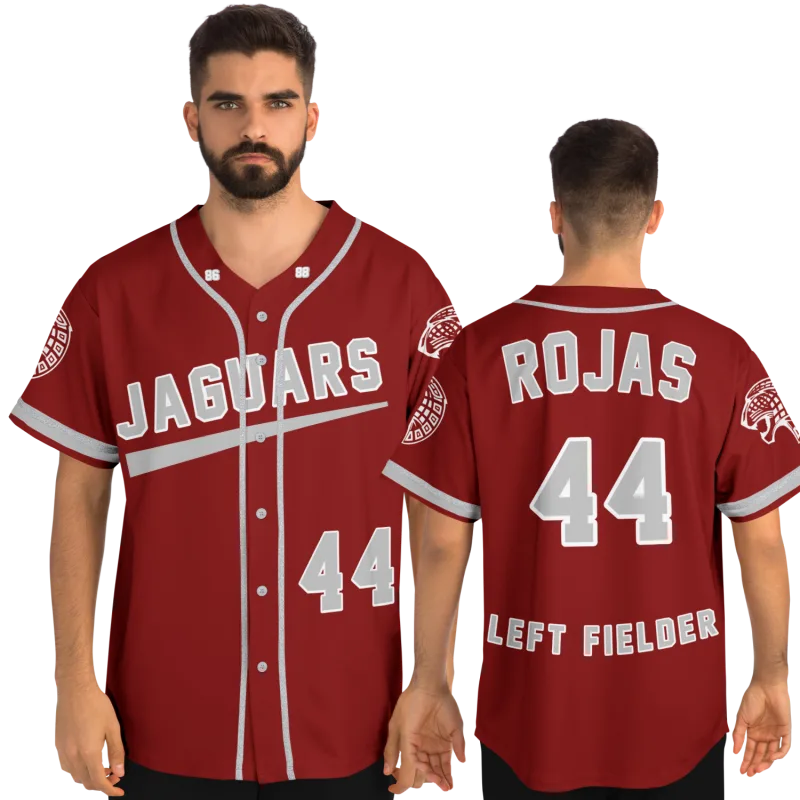
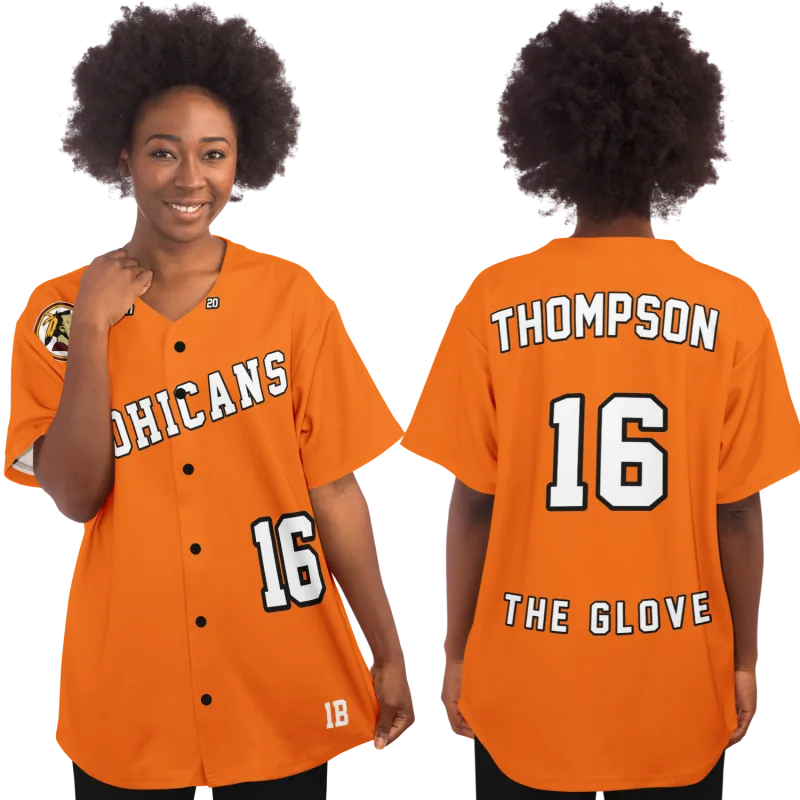
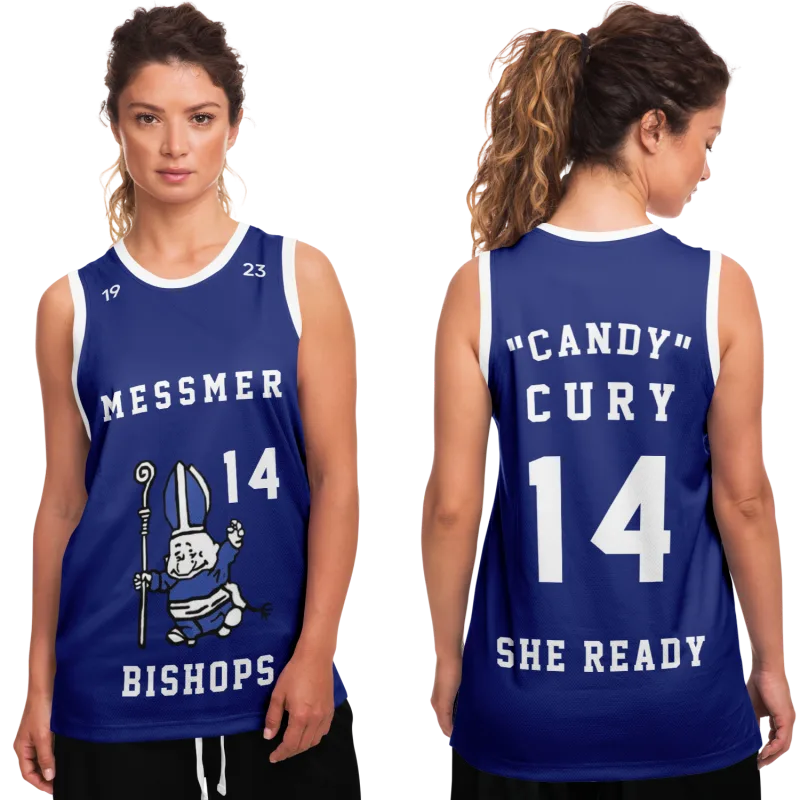
That's what makes gifts built around those specifics hit so differently. Not the generic "athlete" stuff — but the things tied to the particular sport, the particular era, the particular number on the back of a jersey. The items that prove someone actually knew what your athletic life looked like, not just that you played something.
The Fourth of July is a natural moment to think about that. The holiday brings the athletic summer back into focus every year — the games, the teammates, the version of yourself that existed in cleats or spikes or a swim cap at 6 AM before anyone else was awake.
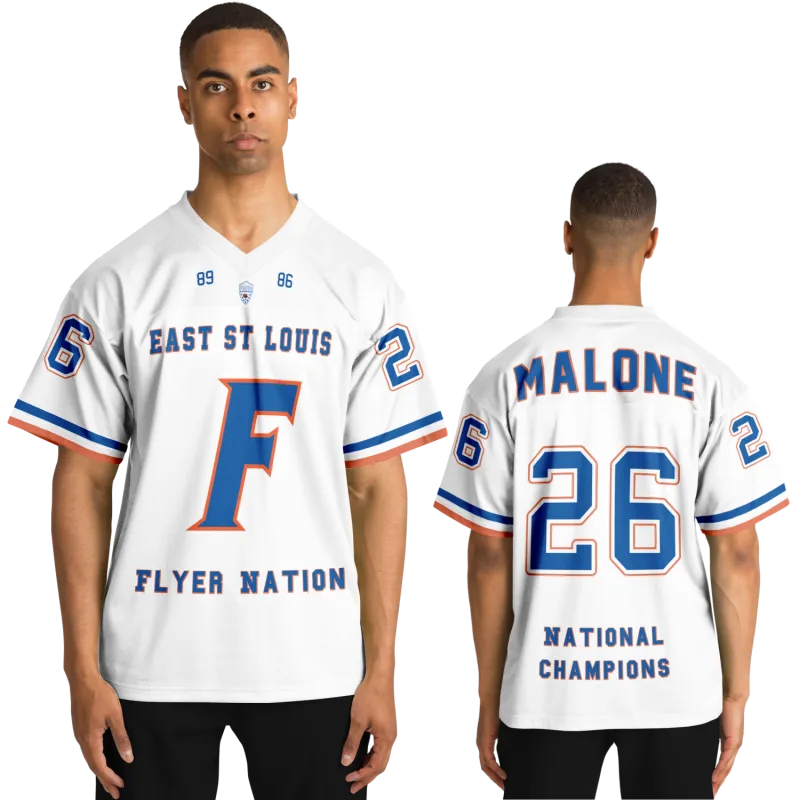
Your jersey is still out there waiting.
Design yours in minutes and see your name and number the way you remember it. Browse the gallery to see how other former athletes brought theirs to life, or jump straight into the jersey designer and make yours.
Browse the Gallery | Start Designing My Jersey
Frequently Asked Questions
What are some Fourth of July sports traditions for former high school athletes?
The most common ones involve backyard versions of the sport you played — pickup games, casual competitions at cookouts, or organized family tournaments in the sports you grew up with. Many former high school athletes also associate the Fourth with summer tournament schedules, particularly in baseball, softball, volleyball, and basketball, where holiday weekend showcases were common. Team cookouts organized around the holiday are another touchstone — informal gatherings that became some of the most remembered moments of the athletic year.
Why do Fourth of July sports memories feel so strong compared to regular season memories?
Neuroscience offers part of the answer: emotional context significantly strengthens memory encoding, and Independence Day carries a high emotional load — family, freedom, celebration, sensory richness. When that emotional context combines with athletic experience and the social bonds of a team, the memories formed are unusually durable. The holiday also tended to fall in summer, which for most high school athletes was a formative period of identity development — adding another layer of psychological significance to what might otherwise seem like casual games.
How can I honor my Fourth of July sports memories as an adult?
The most direct way is to recreate the experience where you can — show up to a cookout with a ball, organize the thing nobody else will organize, be the person who starts the game. Beyond that, leaning into the specific memorabilia from your athletic years is something a lot of former athletes find genuinely meaningful. A jersey with your actual name and number from the sport you played is the kind of object that holds the specific memory — not a generic sports gift but a precise artifact of who you were on a particular field, at a particular age, in the summers that made you.
Were Fourth of July tournaments common in high school sports?
Yes, particularly in summer club sports. Baseball showcases, AAU basketball tournaments, travel softball, and club volleyball events frequently scheduled holiday weekend competitions because players were available and facilities could be booked. For athletes in those programs, spending July 4th mid-tournament was a common experience — one that created a distinct version of the holiday that's very different from the backyard barbecue version, but no less vivid in the memory.
What makes the "athletic summer" different from the rest of the year for former high school athletes?
The summer occupied a unique psychological space: enough freedom from the structured season to feel like choice, enough competitive engagement to continue development, and enough unstructured time with teammates to form the kind of social bonds that outlast the sport itself. The Fourth of July typically landed in the middle of that period — close enough to the start of summer to still carry the energy of school being out, far enough from fall to feel unhurried. For many former athletes, looking back, the summer was when the sport stopped being something they did and became part of who they were.
See also: why high school sports still matter to adults | the science behind why those summer game memories feel so vivid | what playing under the Friday night lights actually felt like | what high school sports taught you that nothing else could