

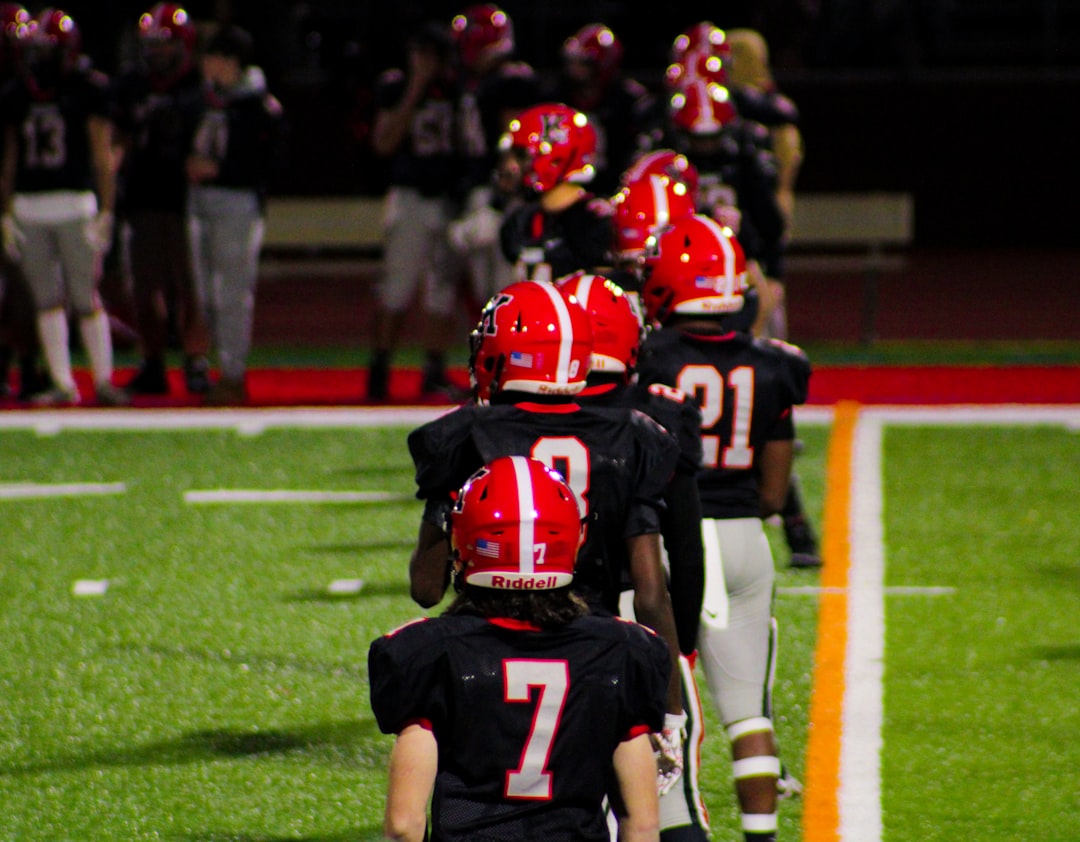
Every August, something shifts. The air doesn't change much (maybe a degree or two cooler at night, maybe not even that). But you feel it anyway. The back to school sports season arrives like it always has, announced not by a calendar but by something older than that: the sound of whistles on a practice field two blocks away, the sight of a kid carrying a bag that's too heavy for their frame, the particular exhaustion on a teenager's face that is nothing like tiredness and everything like the best kind of alive.
You know that feeling. You've been that kid.
The Whistle Still Carries
There's a reason back to school sports season hits adults differently than almost any other time of year. It isn't nostalgia — or not only that. It's recognition. The specific, physical recognition that you have been in this same story, wearing a version of this same uniform, carrying a version of that same bag.
The whistle carries from the practice field and lands somewhere in your chest before it lands in your ears.
That's not a small thing. For athletes who played years or decades ago, the back to school season is the single most reliable trigger for reconnecting with who they were on a field or a court or a track. Something about the combination of the season shifting, the smell of new equipment, and the sight of young athletes beginning what you once began opens something up.
For a lot of people, it opens a question: What happened to that jersey?
What the Season Actually Is
Ask a current high school athlete what back to school sports means and they'll tell you: tryouts, conditioning, early mornings, coaches who don't smile yet, the complicated arithmetic of hope and self-doubt that every first practice contains. They're focused forward. They don't have the luxury of looking back.

Ask someone who played twenty years ago and the answer is different.
It's a time machine. A specific, involuntary one.
You remember the weight of the pads. The smell of the locker room: not a good smell, but your smell, the smell of your team. The way the field looked from the sideline before a night game, the lights cutting white against a sky that had just gone dark. The particular sound your cleats made on pavement versus grass. The number on your back and what it meant to earn it.
Back to school sports season returns all of that to the surface. It arrives as a gift, not as a wound.
The question is what you do with it.
The Two Kinds of People in August
Every August, there are two distinct kinds of people watching youth sports practice from a car window or a bleacher or a sidewalk.
The first kind watches and moves on. They clock the nostalgia, let it settle, and go back to what they were doing. They carry the feeling loosely.
The second kind watches and feels something more specific: the desire to hold onto it. They don't want to return to it, and they're not delusional about time. They want to honor it, to keep a physical piece of the story that mattered.
There's a version of this that plays out every August in a thousand towns. A former player drives past his old high school on the way to work, sees this year's players in summer conditioning, and feels the specific ache of a thing that was real. He wants a jersey with his old number and his last name across the back, the kind of thing he'd keep on a hook in a home office. Not to wear it. To see it. It would be the only thing in that room that remembers what he could do at seventeen.
The jersey doesn't bring the past back. It holds the evidence that the past happened.
What You Actually Carried Off That Field
Here's what most sports nostalgia content gets wrong: it treats the emotion as soft. As sentiment. As something slightly embarrassing to admit to.
It isn't.
What you carried off that field — wherever your field was, whatever sport, whatever level — was formative. The research on youth sports participation and identity development is consistent: athletic participation during adolescence produces lasting effects on self-concept, resilience, and social identity. The way you learned to compete, to fail in front of people, to come back the next day anyway: that happened on a field or a court or a track, in a uniform, with a number on your back.
The jersey was never just a jersey. It was the costume you wore when you were becoming who you are.
That's why August does what it does. The season doesn't just remind you of the sport. It reminds you of the version of yourself who played it: who ran harder than they thought they could, who got knocked down and got up, who sat in a locker room after a loss and learned something about themselves that no classroom could have taught.
Back to school sports season is an annual reckoning with that person. With what they built. With what, if you're honest, you're still using.
The Uniform Question
There's a practical side to all of this, and it's worth being direct about it.
Most people don't have their old jersey anymore. It got lost in a move, donated, left behind at a school, worn until it fell apart. Some people have a photograph. A lot of people have nothing but the memory, which is vivid, specific, and surprisingly detailed, even thirty years later.
You remember the colors. You remember the font. You remember the number. You remember whether your name was on the back, and if it was, just how it looked.
That specificity matters. It's the mind preserving something it recognized as important.
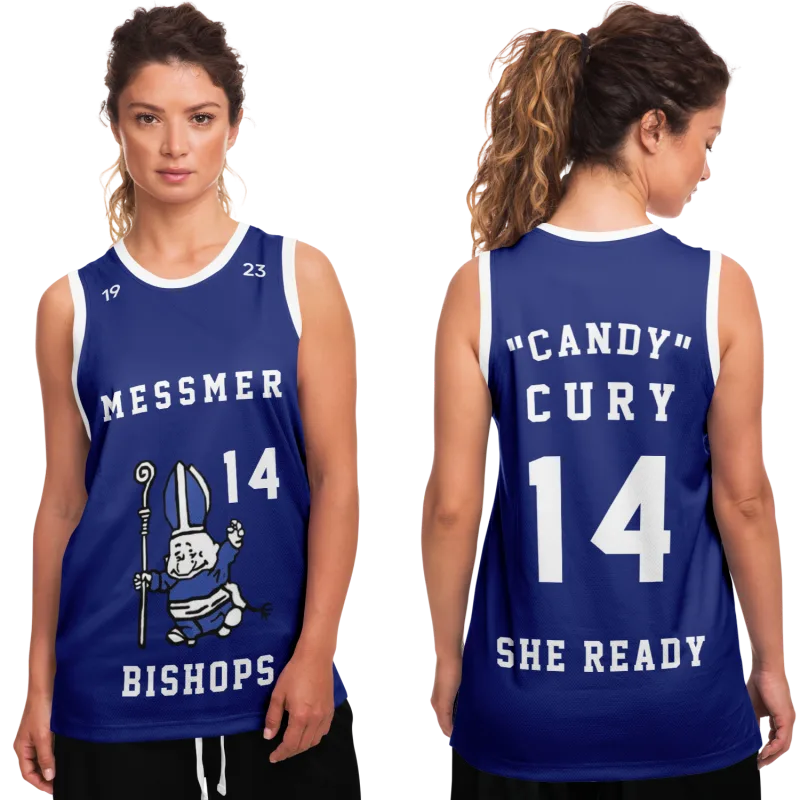
The question is whether you want to have the physical object again. Not a souvenir, not a copy, but a custom jersey built to the specifications your memory holds. Your number. Your name. Your team's colors. A fabric weight and cut that feels right in your hands.
It's the same impulse that leads someone to keep a photograph of a moment that mattered, to have something outside your own head that confirms the story was real. That impulse is not a sentimental indulgence.
The Rituals the Season Keeps
Ask a former athlete what they remember about August, and it's rarely the scoreboard. It's the rituals.
You remember two-a-days that ended in team dinners: a long table at the pizza place, the whole squad still in the same clothes they'd sweat through, nobody in a hurry to leave. You remember the Friday ritual of lacing your cleats the same way every time, the glove you put on left hand first, the song you had to hear in the car before you could walk into the locker room. Those weren't superstitions, not really. They were how you told yourself the season was real and you were ready for it.
Then there were the rituals the whole town shared. The pep rally in the gym before the first game: the band, the cheerleaders, the principal doing the same bit they'd done for twenty years. The community kickoff by the gate, booster-club tents and the smell of hot dogs on a grill, parents in shirts with your number on the back. And at the far end of it, homecoming, when the whole place showed up whether they cared about football or not, because it was never really about the game.
That's the thing the adults don't tell you until you've become one of them: those rituals weren't decoration. They were load-bearing. They held the season together, and they held you inside something bigger than your own performance. Decades later, what you miss isn't the plays. You miss the table, the song, the gate, the Friday-night feeling that the whole town was in on it with you.
How the Season Runs Through Generations
One thing the back to school sports season makes undeniable: the cycle continues without you.
That's both the ache and the comfort of it.
The kid on the field this August is running the same drills you ran. They're making the same first-day mistakes, learning the same first-week corrections. They're going to have a moment — maybe this season, maybe next — that they'll carry for forty years. A play they made. A game they won or lost by one. A teammate they'll describe to their own kids decades from now.
The story doesn't stop when you leave the field. It continues in every new group of athletes who take the field in August, in the same colors, with the same school names on their chests. This August, teams across the country are preparing for another Friday night run, and the upcoming high school football season and its preseason rankings confirm the names may change but the ritual never does.
Your chapter of it is real. It happened. The season proving itself out every year is the proof.
What to Do With the Feeling
For some people, the August feeling passes in a day or two. The practice fields empty out, school starts, the season settles into its rhythm, and the nostalgia fades back into the background noise of adult life.
For others, it stays longer. It becomes a specific want: to do something with the feeling rather than wait for it to dissipate.
Here are the things that actually hold it, the ones that genuinely do rather than pretend to:
- Tell the story out loud. Not to perform the nostalgia but to make it specific. The game, the play, the teammate, the coach who said the thing that changed something for you. Specificity is how you keep it alive.
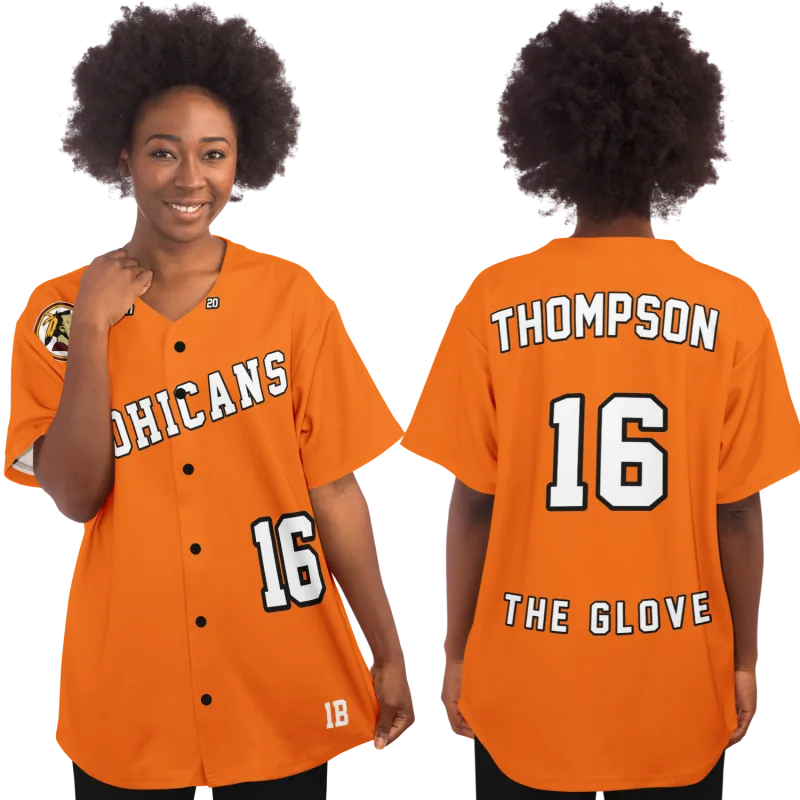
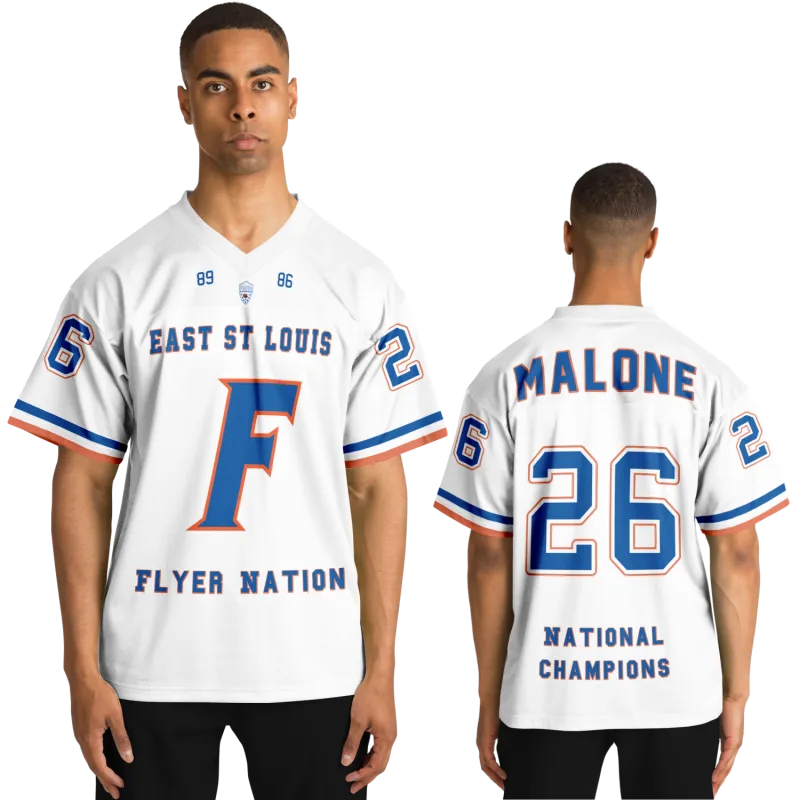
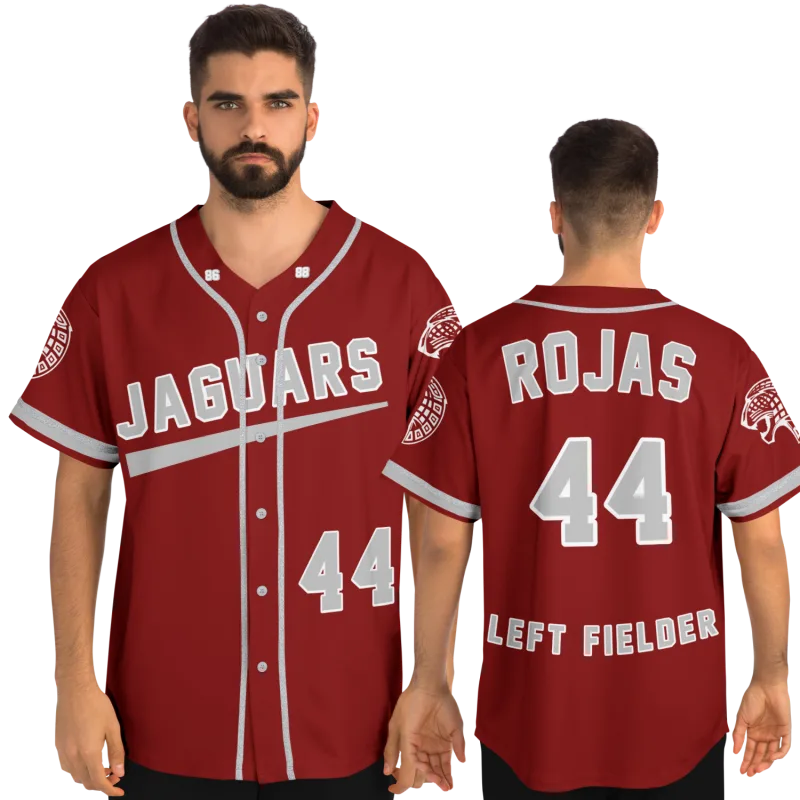
- Find the physical object. The thing that your memory holds with the most clarity is almost always the jersey. The number. The name. The colors. A custom jersey built to those specifications is the one physical object that exists at the intersection of what you remember and what you can hold.
- Pass it forward. If there's a young athlete in your life — a kid, a niece, a nephew, a neighbor — the back to school season is the right time to tell them what the sport gave you. Not to pressure them, but to let them know the thing they're starting has more weight than they can see yet.
Your jersey is still out there waiting.
Design yours in minutes and see your name and number the way you remember it.
Frequently Asked Questions
What does "back to school sports" mean for adults who played?
For adults who were athletes, the back to school sports season functions as an annual moment of reconnection with their playing identity. The combination of seasonal cues — the smell of cut grass, the sight of young athletes in summer conditioning, the sound of practice whistles — triggers highly specific autobiographical memories tied to sport participation. It's less about nostalgia in the sentimental sense and more about the recognition of a formative period. Most former athletes describe August as the month when they feel the pull of their playing years most acutely.
Is it normal to feel emotional about a sport you haven't played in decades?
Completely normal — and backed by what we know about identity formation. Sports participation during adolescence is one of the strongest identity-forming experiences available to young people. The team, the uniform, the number, the competitive context — all of these become woven into self-concept in ways that persist long after active participation ends. The emotional response to back to school sports season is the mind recognizing something it integrated as core to who you are. The feeling isn't irrational. It's accurate.
Can you actually recreate a jersey from a sport you played in high school or college?
Yes, and with more specificity than most people expect. A custom jersey can be built to include your name, your number, your team's colors, and a style that matches the era and sport you played. The result isn't a copy of a mass-produced uniform — it's a one-off piece made to the specifications your memory holds. Many former athletes describe the experience of seeing their name and number together again — in the right colors, in the right font weight — as more powerful than they anticipated. It's a different thing to hold the object versus to remember it.
What sport should I represent on a custom jersey — the one I was best at or the one I loved most?
This is a question we get more often than you'd expect, and the honest answer is: the one you remember most vividly. For some people those are the same sport. For others, the sport they loved most wasn't the one they were recruited for or lettered in — it was the one where they felt most themselves. The jersey is a personal object. It doesn't need to represent your highest achievement. It needs to represent the story that still lives in you.
See also: why high school sports still matter to adults | what it means to lose your athletic identity after high school | the grief that comes with the end of your playing days | why your senior season memories feel so sharp and vivid | what high school sports taught you that nothing else could