



There's a specific moment a lot of former athletes know but nobody talks about out loud.
You're at a reunion, a homecoming game, a backyard cookout — somewhere close enough to the old world that the smell of cut grass or the sound of a whistle does something to your chest. Someone nearby is talking about the team. The wins. The names. And your name doesn't come up. Not once. You wait. It still doesn't come up.
That feeling — the quiet, specific sting of feeling forgotten as a former athlete — is more common, more persistent, and more complicated than anyone gives it credit for. It doesn't mean you're living in the past. It doesn't mean you're fragile. It means you built something real, gave real years to it, and now you're watching the world move on without a backward glance.
This article is for that moment. Not to tell you to "let it go" or "focus on your future." But to actually sit with what's happening, name it, and give you something real to work with.
The Weight of an Identity That Used To Define Everything
Athletic identity runs deeper than most people outside sports understand. When you played — whether at the high school level, collegiate, or beyond — your sport wasn't just something you did on Thursdays and Saturdays. It organized your schedule, your friendships, your self-concept, your body, your social standing, and how strangers treated you when they found out.
Researchers who study athletic transition have documented this for decades. A widely cited framework from sport psychologist Sandy Gordon describes athletic identity as the degree to which an individual identifies with the athlete role. When that role ends — whether through graduation, injury, deselection, or simply aging out — the psychological impact can mirror what clinicians see in other forms of significant loss.
But here's what those frameworks often miss: it's not just the sport itself you grieve. It's the recognition. The scoreboard. The newspaper clipping. The coach who knew your name across a parking lot. The community that saw you as someone specific, someone capable of something remarkable.

When nobody remembers your sports career, you're not just missing the game. You're missing the version of yourself that the game made visible.
That's a different kind of grief. And it deserves a different kind of attention.
Why Former Athlete Feeling Invisible Is So Disorienting
Here's something worth naming directly: the invisibility catches people off guard because it's gradual.
It doesn't happen the day after your last game. Usually there's still some residue — people ask how the season went, old coaches send a text, your number might still be on a board somewhere. For a while, the identity lingers in the atmosphere around you.
Then, slowly, it doesn't.
The questions stop. The references dry up. You move to a new city, start a job, meet people who have no idea you once did something in a stadium that mattered to hundreds or thousands of people. You introduce yourself and the sport doesn't come up, because why would it? That's not who you are here. Here you're just a colleague, a neighbor, a name on a roster that has nothing to do with a jersey.
And then homecoming comes. Or a reunion. Or you drive past a field where you used to be the person everyone watched.
The former athlete feeling invisible isn't just social — it's existential. The world has reorganized itself around a version of you that doesn't include the thing that once made you feel most alive and most known.
In our experience covering stories from the athletic community, this is one of the most underserved conversations in all of sports culture. There is plenty of content about how to stay fit after playing, how to translate athletic discipline into business success, how to "apply your competitive mindset" to the next chapter. Almost nothing addresses what to do when you simply miss being seen.
Marcus T., 41, former college wrestler, described it this way: he walked into his 20-year high school reunion expecting to feel proud of what he'd accomplished on the mat — conference champion, team captain, the whole story. By the end of the night, he'd had exactly one conversation about it, and the other person got the sport wrong twice. He drove home feeling like he'd imagined the entire four years.
That's not a personality flaw. That's what happens when a central piece of your identity becomes invisible to the people around you.
Coping With Your Athletic Past Without Erasing It
The instinct many people reach for is suppression. You feel embarrassed about caring, so you decide not to care. You put the trophies in a box, stop mentioning the sport in conversation, laugh off anyone who asks "wait, you used to play?" like it's a minor detail.
This works approximately as well as holding your breath underwater. You can do it for a while. But you're not addressing what's actually there.
Coping with your athletic past — the real kind of coping, not the performative "I've moved on" kind — involves three things that nobody tells you to do at the same time:
1. Validate the significance of what you experienced. Not to other people. To yourself. Sit with the actual size of what you gave to that part of your life. The 5am practices. The offseason training when your friends were doing other things. The specific feeling of performing at your best in front of people who were watching. That was real. It counted. You don't have to shrink it to be healthy.
2. Separate the identity from the recognition. This is the hardest one, and we'll go deeper on it in the next section. But the short version: who you were as an athlete is not actually contingent on whether other people remember it. The work happened. The growth happened. The character that sport built in you is still operating in your life, whether or not anyone claps for it.
3. Find the right places to be seen. This isn't about chasing old glory — it's about the legitimate human need to be known by a community that understands your context. That community exists. Alumni networks, adult rec leagues, youth coaching, storytelling platforms built specifically for athletes. You don't have to be invisible just because the original audience has moved on.
Reframing: What Your Athletic Identity Actually Belongs To
There's a version of this conversation that goes: "Your sport doesn't define you, you're so much more than that." And while it's well-intentioned, it often lands as dismissal. Like being told your childhood home doesn't matter because you have a new one.
Here's a more honest reframe.
Your athletic identity doesn't belong to the scoreboard. It doesn't belong to who shows up at the reunion or who writes your name into a conversation. It doesn't belong to the local newspaper archive or the old athletic director who remembered your graduation year but not your name.
It belongs to you.
This sounds obvious. But follow it through. Every early morning you dragged yourself to practice, every repetition you ran when your legs were already empty, every time you competed under pressure and found something in yourself you didn't know was there — that was your work. You did that. Nobody remembers it the way you do because nobody else lived it the way you did.
The former athlete who feels invisible often makes the mistake of measuring the value of their athletic career by external memory. If no one brings it up, it must not have mattered. If your name doesn't get mentioned, maybe you weren't as good as you thought.
But external memory is a notoriously terrible measuring instrument. It's driven by recency, by narrative convenience, by who made the highlight reel and who made the scoreboard in a way that was easy to describe. Great athletes are forgotten all the time by everyone except themselves — and that's enough. It has to be enough. Because it's the only measurement that was ever actually accurate.
The reframe isn't "your sport doesn't define you." It's "your sport defines a part of you that nobody can take back, and that part doesn't require an audience to be real."
When the Grief Surfaces at Homecoming and Reunions
Homecoming events are a particular crucible for this feeling, and they deserve specific attention.
You walk in having lived a whole life since you last wore a jersey in that building. You've built things, maybe raised children, definitely changed in ways that matter. But the first question in the room is almost always about then, not now. And if your name doesn't come up in the "then" conversation, you're left carrying both the weight of your own history and the silence around it simultaneously.
A few things that actually help in those environments:
-
Go with your story, not your stats. The people who navigate reunions and homecoming events best are the ones who've made peace with leading with something other than their record. Not because the record doesn't matter — but because the story of who you became through the sport is a better conversation than a box score from 1998.
-
Seek the people who were there. Not to compare highlights, but to share the specific texture of a shared experience. The inside jokes. The away trip that went sideways. The coach's specific phrase that everyone still quotes. That kind of recognition is different from public acknowledgment — it's mutual. And it's more nourishing.
-
Know when to leave. If being in the environment is producing more grief than connection, you don't owe it to anyone to stay until it gets better. Some homecomings heal. Some don't. Knowing the difference is self-knowledge, not weakness.
What You Can Build From Here
Nobody remembers your sports career the way you do. That's true. It's also not the end of the story — it's the beginning of the one only you can write.
Some of the most grounded former athletes we've spoken with found that the transition into life-after-sport eventually surfaced something important: they were still athletes in everything but uniform. The discipline, the competitive instinct, the ability to perform under pressure, the knowledge of what it feels like to truly commit to something — all of that traveled forward with them. The audience didn't. But the athlete did.
That's not a consolation prize. That's the real inheritance.
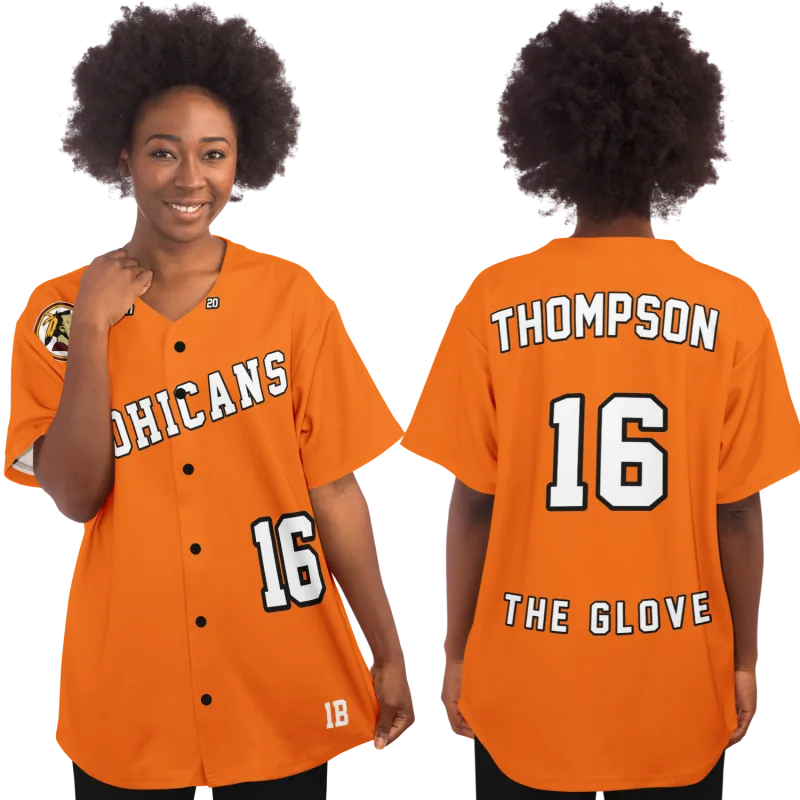
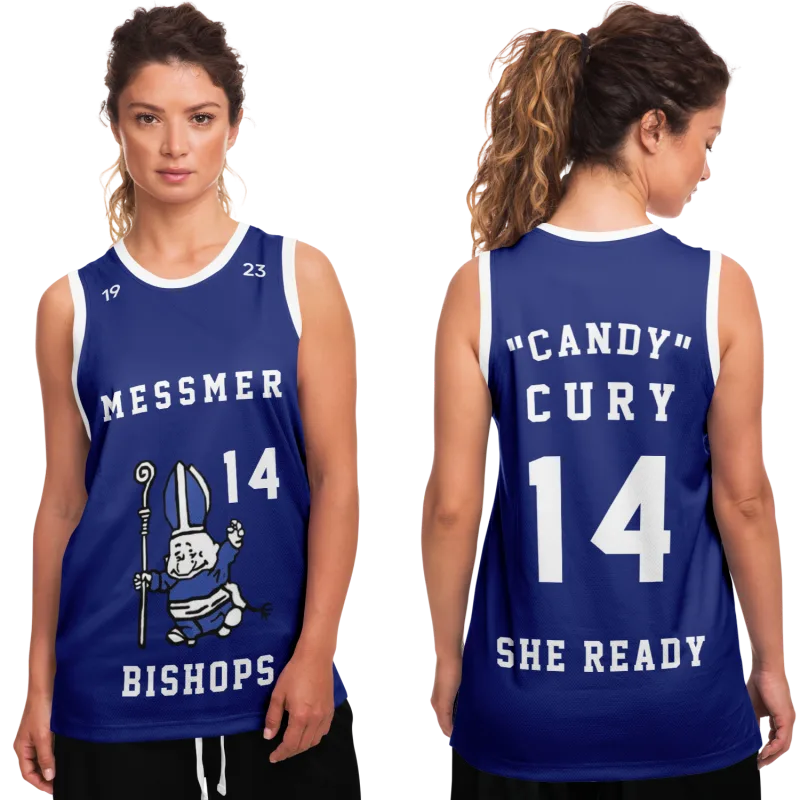
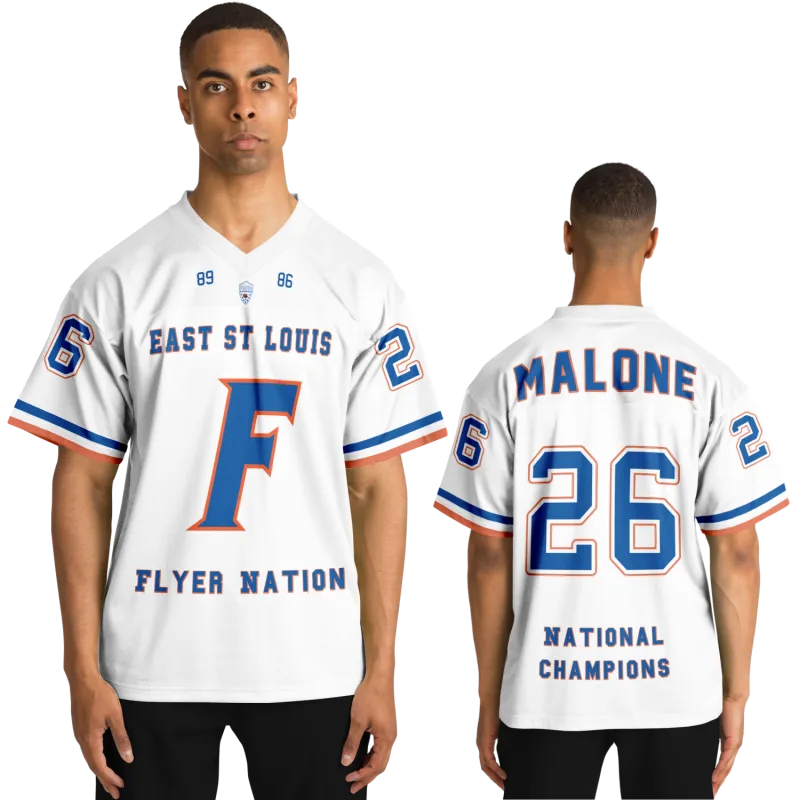
What you do with it is up to you. Coach. Train. Mentor a younger athlete who's about to live what you already lived. Document your story somewhere it can exist outside of your own memory. Design a jersey that holds the number and the name the way you remember them — because that version of you deserves something tangible, not just a memory.
The chapter where everyone watched you play may be finished. The chapter where you decide what that chapter meant is still being written.
Your Jersey Is Still Out There Waiting
Design yours in minutes and see your name and number exactly the way you remember it.
Frequently Asked Questions
Is it normal to feel sad that nobody remembers my sports career?
Yes — and the feeling is more common than most former athletes admit publicly. Athletic identity is a legitimate psychological construct, and the loss of external recognition tied to that identity produces real grief. Feeling sad about it doesn't mean you're stuck or unhealthy. It means you invested significantly in something that mattered. The goal isn't to stop feeling it — it's to understand it well enough that it doesn't quietly run your life without your awareness.
How do I stop feeling like a former athlete feeling invisible at events like reunions?
The shift usually comes from reorienting what you're looking for at those events. If you arrive expecting to be recognized, you'll be disappointed more often than not — memory is selective, and years compress things differently for different people. If you arrive looking for genuine connection with people who shared your specific context, the odds improve significantly. Lead with curiosity about other people's experiences. Let your own story surface naturally rather than waiting for the room to bring it up. And give yourself full permission to leave if the environment isn't giving you what you hoped for.
Does coping with my athletic past mean I have to stop caring about it?
No. Coping doesn't mean suppressing. It means developing a healthier relationship with what the athletic chapter of your life actually was — how big it was, what it cost you, what it gave you, and what it means now. You can still care deeply about your sport, follow it, coach it, celebrate it, and hold it as a central part of who you are. The work is separating the value of that identity from whether or not other people currently reflect it back to you. The sport was real. The work was real. None of that requires an audience to remain true.
What's the healthiest way to stay connected to my athletic identity after my playing days?
There's no single answer, but the approaches that tend to work best involve active participation rather than passive nostalgia. Coaching youth athletes, joining adult recreational leagues, mentoring athletes going through the transition you've already lived, or creating something tangible — a written account, a photo archive, a custom jersey — that honors the chapter without requiring it to still be happening. The former athletes who thrive in life after sport tend to be the ones who found a way to carry the identity forward actively, rather than either suppressing it or living exclusively in memory.
See also: the grief that comes with losing your athletic identity | how athletic identity shapes who you are long after the final whistle | why high school sports still matter so much to adults | what happened to the athlete who never got a scholarship