



ESPN's 12-Game High School Basketball Showcase Is a Mirror Every Former Player Should Look Into — and if you've ever worn a uniform with your name on the back, you already know why.
ESPN just announced its 2025-26 High School Basketball Showcase, a 12-game broadcast schedule featuring 38 ranked players from the ESPN 100 (Class of 2026), ESPN 60 (Class of 2027), and ESPN 25 (Class of 2028). These are the best prep basketball players in the country — future college stars already committed to programs like Duke, Alabama, Florida, Cincinnati, Creighton, and Florida Atlantic — getting the kind of national broadcast treatment that, until recently, belonged exclusively to the college game.
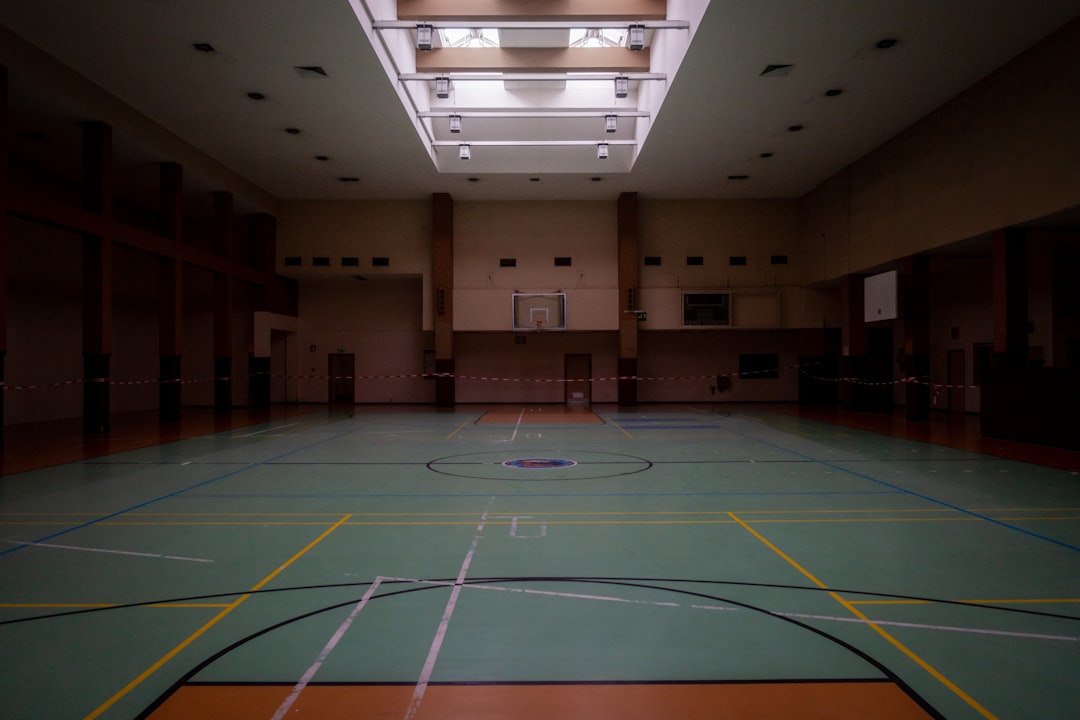
For anyone who ever laced up on a hardwood floor, this is more than a scheduling announcement. It's a reflection. It pulls something up from wherever you store those memories — the lights, the weight of the uniform, the way your sneakers sounded on the floor during warmups when the gym was still half-empty. You might not remember the final score from your best game. But you remember the feeling of being in it.
That feeling now has a national audience.
What ESPN Is Actually Building With This Showcase
Twelve games. Thirty-eight ranked recruits. Three separate class years represented under one unified broadcast structure.
That is not a dabbling move. ESPN is making a deliberate, multi-year commitment to prep basketball as a standalone programming category — not a novelty feature or a recruitment-adjacent sidebar, but a genuine broadcast product that mirrors what the network already does around college football's signing periods and elite camp coverage.
The players featured in this showcase are not unknowns to anyone tracking the sport. The ESPN 100 for the Class of 2026 identifies the top 100 high school prospects in the country. The ESPN 60 and ESPN 25 extend that evaluation infrastructure into younger classes — sophomores and juniors who are already being tracked, ranked, and in many cases verbally committed to Power Four programs before most of their peers have held a part-time job.

What that means on the broadcast side: ESPN is putting cameras on 16-year-olds who have already made public commitments to major college programs, playing nationally televised games while their recruiting profiles scroll alongside their names in the chyron.
The geographic signals embedded in this showcase — high school basketball talent tied to programs in Alabama, Florida, and across the Southeast and Midwest — are not accidental. They reflect where the talent pipeline is densest right now and which programs are winning the early recruiting battles. A broadcast structure built around these players is also, implicitly, a broadcast built around the ecosystems producing them: the AAU circuits, the prep academies, the high school programs with national reputations.
For the former player watching from home, none of that infrastructure existed the way it does now. And that gap is worth sitting with.
What Those 38 Kids Are About to Feel Under the Lights
Every former player understands a specific truth about performing in a uniform: the game is never just the game.
There is a version of pressure that belongs only to sport — the particular exposure of doing something difficult, in public, with your name literally attached to your back, while people who know you are watching. Most former players encountered that pressure for the first time in a gym that seated maybe three hundred people. It shaped them. It still shapes the way they talk about competing, about nerves, about what it means to show up.
The 38 players in this showcase are about to encounter a categorically larger version of that same pressure.
Playing on ESPN, with your recruiting ranking displayed alongside your name, your college commitment announced to a national audience, your highlight package already circulating across every major recruiting platform — that is not just a bigger gym. It is a fundamentally different kind of exposure. Some of these players will rise into it naturally, because they've been in elite environments long enough that the camera feels like background noise. Others will feel it in the first quarter in a way they've never felt anything before.
Marcus T., 34, played shooting guard for a mid-sized high school program in central Florida before going on to play club ball in college. He has his old jersey — number 23, name in block letters — framed in his home office. He watches every prep showcase broadcast he can find, not to track recruiting, but because watching those players warm up under national lights brings back something specific. "I remember exactly what it felt like to look up at the gym before the tip," he said. "Watching these kids, I'm not scouting. I'm just remembering."
Marcus is not unique in that response. The former player watching a showcase like this isn't consuming recruiting content. He's watching a memory perform in someone else's body — and recognizing every gesture.
The Recruiting Pipeline: What These Commitments Actually Represent
The college programs landing top-ranked recruits through the showcase structure — Duke, Alabama, Florida, Cincinnati, Creighton, Florida Atlantic — are not simply collecting talent. They are securing futures, sometimes three or four years in advance of when those players will step on a college floor.
A verbal commitment from a top-10 ESPN 100 prospect while that player is a sophomore represents a compressed recruiting timeline that did not exist at this scale fifteen years ago. The information infrastructure around prep recruiting — ESPN's own ranking systems, the major recruiting platforms, the social media accounts maintained by players and their programs — has created a transparency and velocity that makes the old model of quiet evaluations and late-offer letters feel like a different sport entirely.
What a national broadcast adds to this ecosystem is something no database captures: the actual moment. The game under actual pressure, against actual elite competition, on a night that is real and consequential for the players in it. Coaches already know who these 38 players are. The broadcast is not discovery for the people who most need to see it.
What the broadcast delivers instead is the feeling of watching exceptional young athletes perform under the biggest lights of their lives so far. That is what ESPN is selling with the showcase format, and that is what makes it meaningful to audiences beyond the recruiting community.
For the former player watching, what's on screen is also a kind of permission: to remember what it felt like to be that exposed, that present, that alive inside a game.
The Gap Between Then and Now
Be honest with yourself about the distance.
When most former players were in high school, "exposure" meant something intimate and local. A coach making a phone call to a college assistant. A scout sitting in folding bleachers four rows up in a gym that smelled like floor wax and old rubber. Your name in the local sports section if you had a big week. The idea that a junior-year regular-season game would be nationally televised — with your recruiting ranking in the chyron, your committed program announced before tip-off, your name recognized by a national audience — was not a reality that applied to almost anyone.
The ESPN High School Basketball Showcase exists in a world where the very best prep players carry public profiles and national recognition years before their college careers begin. Two things are simultaneously true about that world:
- It creates genuine opportunity for exceptional players to be seen, evaluated fairly, and matched with the right programs earlier than ever before.
- It places a weight on 16- and 17-year-olds that previous generations of even elite prep athletes never had to carry.
The players who handle that weight well will be the ones who've been taught — by coaches, family, and the programs recruiting them — to locate the thing that doesn't change regardless of how many cameras are in the building. The thirty seconds of stillness before the horn. The floor under their sneakers. The game itself, which remains what it always was once the ball goes up.
That's what the former player recognizes watching from home. The scoreboard is new. The broadcast infrastructure is new. The feeling inside the player is not.
What Former Players See That Casual Fans Miss Entirely
There is a difference between watching elite prep basketball as a recruiting observer and watching it as someone who played.
The recruiting observer sees talent measurables. Wingspan, first step, pull-up range, defensive positioning. They're building a profile, comparing the player to projections, evaluating whether the body and skill set match the ranking.
The former player sees the space underneath all of that.
They see the sophomore on the wing who holds the ball a beat too long because the ESPN cameras are on her and she hasn't learned yet how to release that awareness. They see the point guard whose leadership shows up not in his stat line but in the specific way he sets a screen for a teammate after his own turnover — a gesture invisible to the broadcast but instantly legible to anyone who has ever been a teammate.
They see what the uniform does to a person. The way wearing it in a real game on a real night changes the quality of your attention, the way time moves, the way you understand what you're capable of. That is not captured by rankings or highlight packages. It is not measured by recruiting evaluations.
But it is recognized, instantly and completely, by anyone who has ever felt it themselves.
That recognition is the real gift of a broadcast like this for the former player audience. It is a reminder that what happened in your gym, on your nights, in your number — that was real. It counted. It shaped something permanent in you that no final score could take back.
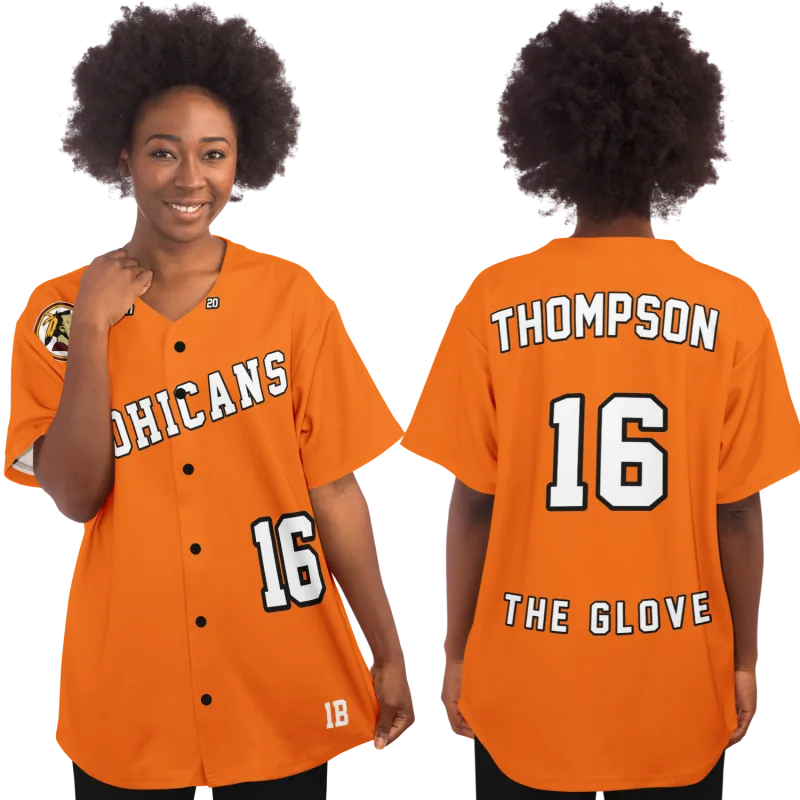
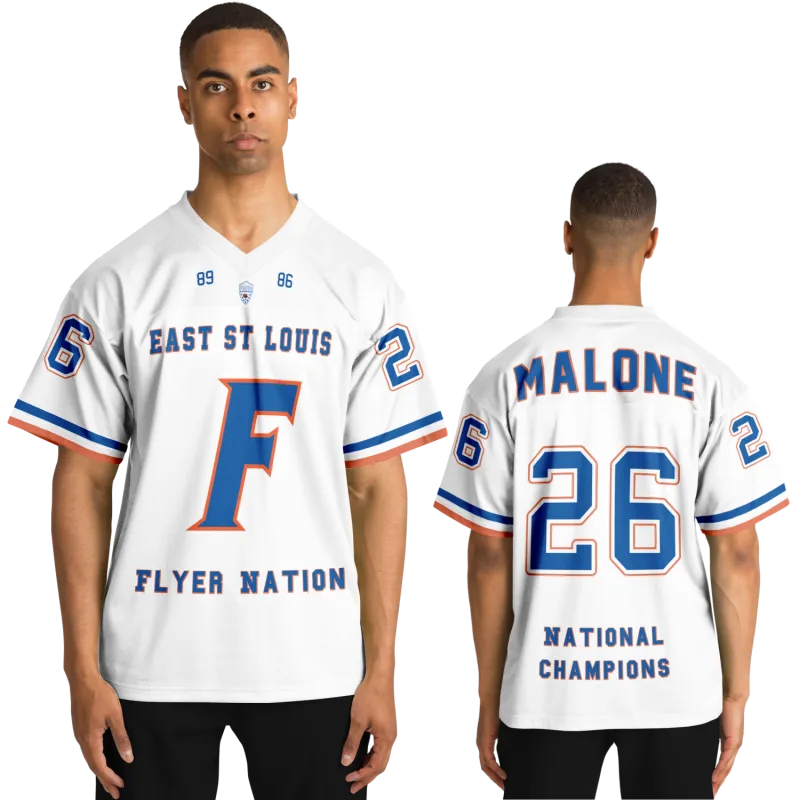
Your jersey is still out there waiting.
Design yours in minutes and see your name and number exactly the way you remember it.
Frequently Asked Questions
What is the ESPN High School Basketball Showcase and how many games does it include?
The ESPN High School Basketball Showcase is a 12-game nationally broadcast schedule featuring the top-ranked high school basketball players in the country. The 2025-26 edition spotlights 38 players drawn from three ESPN recruiting lists: the ESPN 100 (Class of 2026), the ESPN 60 (Class of 2027), and the ESPN 25 (Class of 2028). Games air on ESPN network properties and represent a full-scale commitment to prep basketball as a standalone broadcast category, not simply a recruiting sidebar.
Which college programs are connected to the players featured in the showcase?
The 38 ranked players in the 2025-26 showcase include commits to programs across major conferences and high-profile mid-majors, among them Duke, Alabama, Florida, Cincinnati, Creighton, and Florida Atlantic. The breadth of programs represented reflects both traditional recruiting powerhouses and programs that have built competitive national recruiting pipelines in recent years.
Why does ESPN broadcast high school basketball games at this scale?
High school basketball — specifically at the elite recruiting level — occupies a growing intersection of fan interest, social media culture, and college sports engagement. The players ranked in the ESPN 100 and similar lists carry name recognition built through years of camp and showcase exposure before any broadcast airs. Putting those players on national television serves multiple audiences at once: recruiting enthusiasts tracking incoming college talent, college basketball fans building familiarity with future program cornerstones, and former players drawn to the emotional resonance of prep competition in a way that pure recruiting content never delivers.
How are players selected for the ESPN 100, ESPN 60, and ESPN 25 recruiting lists?
ESPN's recruiting rankings are produced by a dedicated evaluation team that assesses high school players across athletic measurables, skill development, positional projection, and performance in elite competitive environments including camps and AAU circuits. Rankings are updated throughout a player's high school career as new evaluation data becomes available. The lists represent a consensus evaluation across multiple observers rather than any single scout's judgment, and movement up or down the rankings is common as players develop between their freshman and senior years.
What does national television exposure actually change for a top-ranked recruit?
For players already committed to major programs, a national broadcast serves primarily as confirmation rather than discovery — recruiting staffs have evaluated these players extensively before any showcase airs. For younger players in the ESPN 60 and ESPN 25 classes, national visibility can accelerate offer timelines, increase interest from programs still finalizing their boards, and establish a public profile that persists through the remainder of their high school careers. The less quantifiable effect — learning to perform with composure under genuine national scrutiny — may ultimately matter more than any specific recruiting outcome the broadcast produces.
See also: why high school sports still matter to adults long after the final buzzer | the athletic identity that never fully leaves you after high school | the grief that comes with watching the game move on without you