

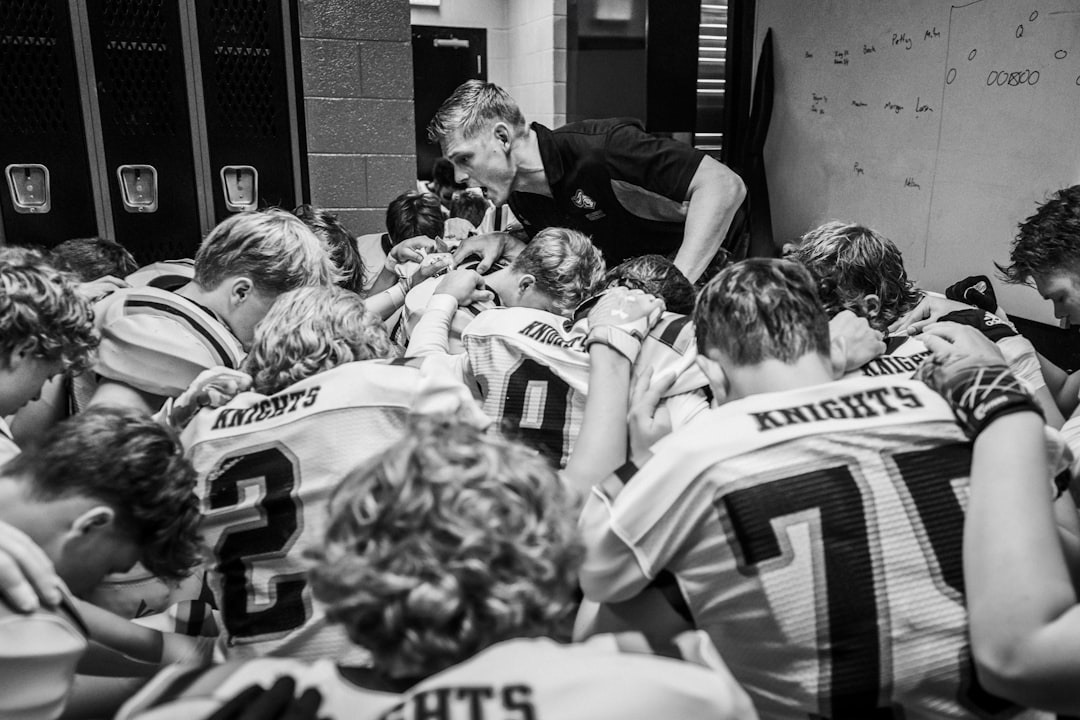


There's a moment most former athletes know without being able to name it. You're years removed from the last game (a decade out, sometimes more), and something catches you off guard. A decision at work that won't resolve itself no matter how long you sit with it. Your own kid tying cleats for the first time. A Wednesday afternoon when the smell of a freshly mowed field stops you cold on a sidewalk. And the name that surfaces isn't a parent's. Not a teacher's.
It's your coach's.
What happens to high school coaches after the final whistle is one of those questions almost nobody asks directly, but nearly every former athlete carries it somewhere. Did Coach stay at the school? Did they move on to something else? Do they still think about the teams they shaped? And underneath all of that lives the real question: would they even remember me?
This piece takes that question seriously. More than that, it maps what the coach relationship genuinely becomes over time, and gives you a grounded, practical way to step back into it as an adult if that's something you've been quietly turning over, the way so many people find themselves thinking about a coach decades later.
What Actually Happens to High School Coaches After You Leave
The honest answer: the paths scatter in every direction. That range is part of what makes the question worth sitting with.
Some coaches stay at the same school for three decades, accumulating wall plaques and generation after generation of alumni who carry their voice around like a compass needle. Others leave coaching within five years, moving into administration, private business, or careers with no connection to athletics at all. A notable portion transitions into college programs, often at the Division II or III level, where the recruiting machinery is lighter and the teaching dimension of the job remains front and center. A few step back quietly in their mid-fifties, then spend the next ten years working youth leagues on Saturday mornings because they simply cannot stay away.

What almost none of them do is fully shed the identity of coach. Research on career identity (including work published through the National Federation of State High School Associations on coach development and athlete relationships) shows that long-term coaches ground their professional sense of self in the relational outcomes of their work, not the win column. They hold onto the conversations that happened in the parking lot after a hard practice. The athlete who nearly quit in week three. The team that outperformed every reasonable projection.
They remember you more than you'd expect.
In my experience as a former player, the most consistent thing former coaches express when a reconnected athlete reaches out is genuine surprise: not that the athlete remembers them, but that the athlete assumed the coach might not.
The connection runs both directions. It always has.
The Transition Nobody Names: From Authority Figure to Life Mentor
For four years, your coach held a defined place in your world. They carried a title, a whistle, and institutional authority over whether you played. The structure was legible. You were the athlete. They were the coach. A hierarchy existed, and it did its job.
Then you graduated. The structure dissolved overnight. And nobody told either of you what the relationship was supposed to become after that.
This is the passage that most writing about high school coaches skips entirely: the afterlife of the coach-athlete relationship. The years and decades following the final game, when the formal role ends but the influence doesn't. It's unmapped territory, and it's where some of the most consequential mentorship in a person's life continues to operate, quietly, without a name attached to it.
What shifts after graduation is the medium, not the message. A great coach was never teaching you only a sport. Like so many coaches who shaped your character, they were teaching you something about pressure, about earning trust, about what you're capable of when you're running on empty and the convenient exit is right there. Those lessons don't expire with the season. They compound.
The coaches who stay present past the playing days are the ones who, at some point, stopped functioning as an authority figure in your internal life and became something harder to label: a reference point, a standard, a voice you hear when a decision is genuinely hard and the easy answer feels wrong.
That is mentorship beyond high school. It doesn't require a formal arrangement. It requires recognizing what already exists.
The Lasting Impact of a Coach — What Former Athletes Actually Carry
Ask ten former high school athletes what they remember most clearly from their playing years, and nine will name something a coach said. Not a championship. Not a personal best. A sentence. Sometimes a single moment they almost let pass without noticing.
Maria T., 34, ran cross-country for three seasons at a mid-size high school in Ohio. She describes her coach — a woman named Janet who also taught AP Chemistry — as the first adult outside her family who treated her ambitions as reasonable rather than ambitious. After Maria's first post-season qualifying race, Janet slipped a handwritten note into her locker. Maria still has it. Janet retired from teaching in 2021. The following spring, Maria tracked her down through LinkedIn — not to ask for anything, only to say that it mattered. Janet wrote back the same day. Design your own — custom track jerseys.
This is not a rare outcome. It is close to the standard one when the outreach is genuine.
A coach's lasting impact isn't stored in a trophy case. It lives in the private inventory of things you carry into adult life that trace back to a gymnasium or a practice field. The habit of arriving early. The instinct to read a room before you open your mouth. The tolerance for pressure that your colleagues notice and can't account for.
You know where that came from. The question is whether you've ever said so out loud.
Staying in Touch With a Coach: The Adult Version of the Relationship
The uncomfortable reality about reconnecting with a former coach is that most former athletes think themselves out of it entirely, even though saying thank you years later is far simpler than the worry suggests. They assume too much time has passed. They assume they weren't notable enough to warrant reaching out. They assume a message appearing out of nowhere will read as odd.
Each of those assumptions deserves a direct response.
On time passing: Coaches accumulate decades. A message from someone they worked with fifteen years ago isn't a disruption — it's a reminder of why they chose the profession. Time passing doesn't diminish the value of acknowledgment. It often amplifies it.
On memorability: You don't need to have been the captain or the most gifted player on the roster. Coaches hold onto the athlete who put in work without being asked. The one who made long road trips easier. The one who asked something in film review that nobody else was willing to raise. If you were genuinely present during those years, you are remembered.
On the strangeness of reaching out: There is a version of this outreach that lands awkwardly, the version that asks for something. That version earns its awkwardness. But there's a different version entirely, one that offers something instead: acknowledgment, gratitude, a named memory shared with no request attached. That version reads as uncommon rather than strange, and coaches receive it the way most people receive an unexpected letter from someone they'd thought about and never heard from again.
Here is how to do it without overcomplicating the approach:
- Be specific. Don't send "you really influenced me." Send "I still think about what you said after the [particular game or practice] — the part about [the particular thing]. I've drawn on it more times than I can count." Specificity confirms the relationship was real. Vagueness reads like something generated, not remembered.
- Don't ask for anything. The first message is an act of acknowledgment, not a networking move. Let it stand on its own. If the relationship continues from there, it will do so without being engineered.
- Find them where they are. Most coaches still in education are reachable through school websites or district directories. Those who've moved on frequently appear on LinkedIn, in local coverage of their programs, or through mutual connections in your sport's alumni network.
- Match the medium to the meaning. A handwritten note outlasts an email. An email carries more weight than a social media message. Choose based on how much the relationship genuinely meant to you.
When the Coach Relationship Becomes a Real Adult Friendship
Some of these reconnections don't end at a gracious exchange. They continue. They develop into something that resists easy categorization: no longer mentor and mentee in any formal sense, not quite peers in the conventional understanding, but something in between that is its own real thing.
This happens more often than most people would guess, and it's worth giving yourself room to let it develop.
The move from "former athlete acknowledging a coach" to "two adults who share meaningful history and mutual regard" takes time, but it is a reachable place. It tends to arrive when both parties recognize that what made the original relationship function — honesty, directness, a shared commitment to doing things properly — didn't expire with the season. It relocated.
Former coaches who have become genuine adult friends with former athletes describe the shift as something that felt natural rather than decided. The hierarchy dissolved because neither party needed it anymore. What remained was the part that was never about hierarchy in the first place.
You don't construct this. You allow it. You stay present without a hidden motive. You show up when they have something worth celebrating or something difficult to carry. You are there in the way that good coaches were there for you — not because it serves you to be, but because that is what the relationship calls for.
Mentorship beyond the playing days doesn't always arrive in structured sessions or scheduled calls. Sometimes it looks like two people who occupied different roles in each other's stories twenty years ago, now across a table as equals, talking about what those years actually meant.
The Jersey You Wore Still Means Something — To Both of You
There is a physical artifact in this story that rarely receives its due.
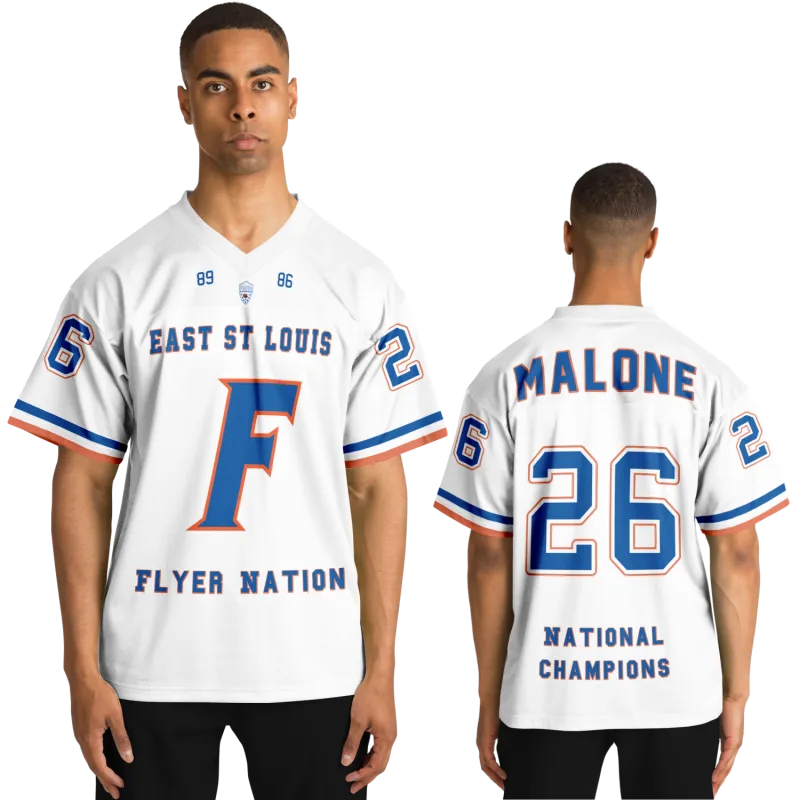
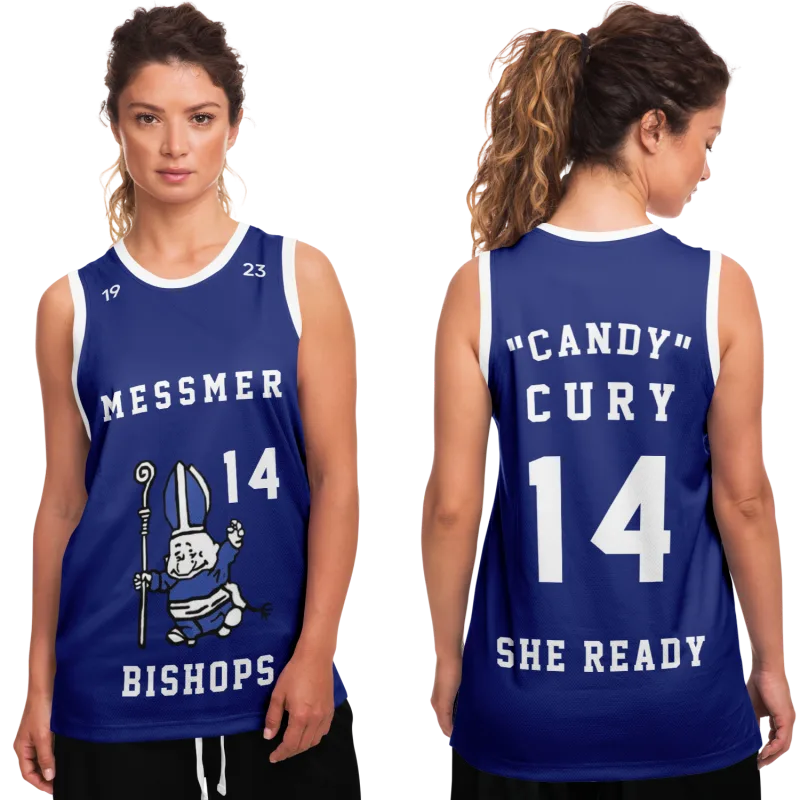
Your jersey (the one with your name on the back and your number on the front) represented something that predated your performance, your improvement, your growth as a competitor. It was the first moment the team became real and tangible, when you held something that said this is who you are in this context. Coaches carry that too. They remember the athletes who wore each number before you, and the ones who came after.
A personalized jersey with a name and number is more than standard gear: it carries a record of membership in something that was genuinely real for a period of time — and for a coach who gave years to a program watching others wear that jersey on the field, seeing their own name on one is something most would never think to ask for, and very few would ever forget.
Your jersey is still out there waiting.
Design yours in minutes and see your name and number the way you remember them.
Frequently Asked Questions
Do high school coaches actually remember their former athletes?
Most do — and far more thoroughly than former athletes tend to assume. Coaches who spend years with a program develop a durable memory for the athletes they worked closely with, particularly those who brought consistent effort or genuine character to the program. The athletes most often remembered are not always the most gifted; they are frequently the most present. A personal message referencing a real, named memory will almost always be recognized.
Is it strange to reach out to a former coach years later?
It feels stranger in anticipation than it turns out to be in practice. The discomfort belongs almost entirely to the sender's expectations, not the coach's reception. Coaches who receive sincere, grounded acknowledgment from former athletes years after the fact consistently describe it as one of the more meaningful parts of a long career. The key is making the outreach complete in itself — something offered without expectation of return.
What if my coach has retired or left coaching entirely?
Retirement doesn't change the value of the relationship or the appropriateness of reaching back out. Many retired coaches are more reachable than active ones, who carry the full operational weight of a current program. A retired coach has more time and often more perspective on what the coaching years meant in full. LinkedIn, school district websites, and alumni networks within your sport are reliable places to start.
How do I move from a one-time thank-you toward an ongoing connection?
You don't force it. You create one genuine opening — a specific message, a handwritten note, a question you've carried for years — and let the coach respond. If the response is warm and substantive, follow up naturally a few weeks later. Ask about their current life with real interest. Share something of your own without manufacturing a depth that isn't there yet. Lasting connections don't require a plan. They require two people willing to show up without an agenda and see what's still standing.
Is a personalized jersey a fitting gift for a retiring coach?
It can be among the most personal and enduring things a former athlete offers. A jersey bearing the coach's name, the school colors, and the years they served a program carries a weight that standard retirement gifts rarely reach. It signals that you understood the identity they built — and that you wanted to reflect it back to them. For someone who spent years on a sideline watching others wear that jersey, seeing their own name on one is something most would never think to request, and very few would forget.
See also: what high school sports actually teach you that no classroom ever could | the grief that comes with losing your athletic identity after high school | why high school sports still matter so deeply to adults | the mourning that happens when your playing days end at 18