

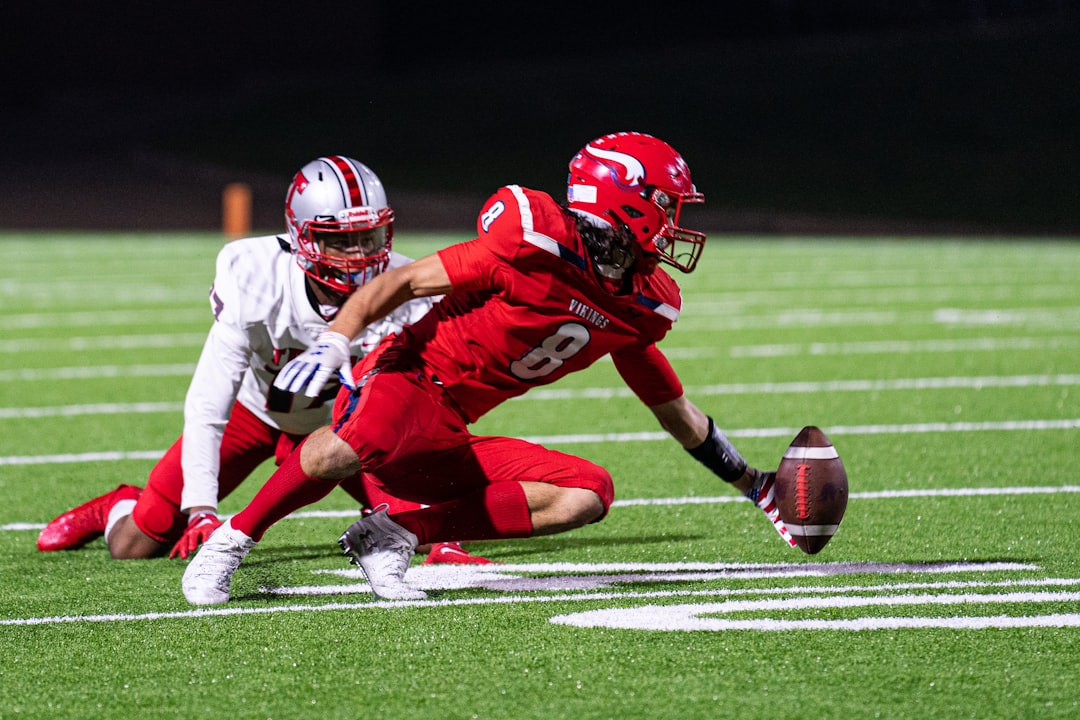


Soldotna opened 2026 the way it ended the year before: at the top of Sports Illustrated's Alaska high school football rankings. The Elite 12 dropped in August with the Stars — fresh off another undefeated run to a state championship — holding the No. 1 spot, and every week of the season since has been about defending it. It is a statement of continuity, of dominance, and, for anyone who has ever pulled on a helmet anywhere in this state, of exactly the kind of program you either aspired to be or dreaded showing up to face.
For the players currently in that program, this ranking has been a target painted on their backs since the day it dropped — and a target they carry into every Friday night of the 2026 season. For everyone who ever played against them — or played as them — it is something else entirely. It is a memory. It is the echo of a locker room, a set of pads, a name stitched across a jersey, and a scoreboard that meant everything on a Friday night in Alaska.
That is what we are here to talk about. Not just the ranking. What it feels like to be the kind of player who earns one.
What the Alaska Elite 12 Ranking Actually Means
Rankings in high school sports carry a weight that is hard to explain to someone who never played. In professional sports, a preseason ranking is analysis. In college sports, it is recruitment leverage. But in high school football — in a state like Alaska, where the distances between towns are measured in hours of highway and the seasons are compressed into a narrow window of frozen-then-thawed possibility — a No. 1 ranking is something closer to identity.
Soldotna's placement at the top of the 2026 Alaska Elite 12 is not an accident of a single good year. It reflects a program that has built a culture of winning so durable that it survives graduation cycles, coaching adjustments, and the kind of roster turnover that breaks less disciplined programs. An undefeated state championship season is the hardest thing to achieve in high school football. Doing it and then being unanimously recognized as the team to beat before the next season starts — that is what sustained excellence looks like from the outside.

From the inside, it looks like something different.
What Number One Feels Like When You're In It
Every player who has ever been on a team that carried a ranking into a new season knows the specific, peculiar pressure of that position. You are no longer hunting — you are being hunted. Every team on your schedule circles the date. Every opponent's coaching staff runs extra film on you. Every kid on the other sideline wants to be the one who knocked off the No. 1 team in the state.
The Soldotna players who will wear those jerseys in 2026 inherited something real from the players who came before them. Not just a ranking. A standard. And standards, as every former player eventually learns, are only worth something if you're willing to carry them on your own back when no one is watching.
The weight of a No. 1 ranking is one of the most specific feelings in sports. It is pride and pressure in equal measure. If you played at a program that held that position even for a week — in any state, in any sport — you remember exactly what it felt like to walk into school on the Monday after a win and know the number hadn't moved.
The Programs Behind the Rankings — and the Players Behind the Programs
The Alaska Elite 12 is not just a list of twelve programs. It is a map of the competitive landscape of high school football in one of the most geographically and athletically demanding states in the country. The ranking churn keeps rolling across the country through September — Arizona's Top 25 and New England's Top 25 both landed new lists this month — and Alaska's Elite 12 asks as much of its programs as any of them. Programs make this list because of players, and players make those programs because of everything that happens in the hours no one sees.
Every player who has ever appeared in a state ranking — or on a team that did — knows the invisible arithmetic behind that number. The 5 AM conditioning sessions. The film study that stretched past dinner. The summer practices in whatever Alaska's version of oppressive heat happens to be before the frost comes back. The team meals, the pre-game rituals, the specific cadence of a locker room getting ready to play a game that matters.
Rankings are the public face of work that was almost entirely private.
The players in the Soldotna program right now, the ones defending that No. 1 position week by week through the 2026 season, are doing what ranked players have always done: trying to make the invisible work visible on Friday nights, one drive at a time.
Every Former Player Knows This Feeling
Marcus T., 34, played defensive end for a mid-tier program in a competitive state conference in the late 2000s. His team never cracked the top five. But he still remembers the week they faced the No. 1 team in their state — the way the film sessions felt longer, the way the bus ride felt quieter, the way the pregame warm-up had a specific electricity that regular games didn't. "We didn't win," he says. "But I still remember every single play from that game. I can't tell you what I had for breakfast last Tuesday." That is what ranked opponents do to players. They make everything permanent.
That permanence is the thing about high school sports that no other level replicates. The NFL has better athletes, deeper playbooks, and higher stakes — but it does not have the irreversibility of a Friday night in October when you are seventeen years old and the only thing that exists in the world is the field in front of you and the teammates beside you. That feeling has a morning after, too — the Saturday after a Friday night game sits differently from every other Saturday of the year, and it is one every former player still recognizes.
Soldotna's ranking matters because programs like theirs create those permanent memories for every player they play against, and for every player who wears their colors. Both kinds last forever.
Alaska Football Is Its Own Category
It is worth pausing on the specific context here, because Alaska high school football is not simply a geographic variation of the sport played everywhere else. The logistical reality of competing in Alaska — the travel distances, the weather variables, the condensed competitive calendar, the small-community investment in Friday night games — produces a version of the sport with a culture entirely its own.
Programs that sustain success in Alaska are doing something harder than it appears from the outside. They are recruiting from smaller population pools than most contiguous-state programs. They are managing weather that affects practice schedules, field conditions, and player development windows. They are building the kind of community investment that keeps a program alive between championship runs.
Soldotna starting 2026 at No. 1 is a statement about all of that. It is not just that they won. It is that they have built something durable enough to absorb every challenge that Alaska high school football presents and still come out on top of the Elite 12.
For players who grew up in Alaska and played the sport there — whether they played for Soldotna or against them — this ranking carries a specific resonance. It is recognition of a football culture that does not get the national spotlight but does not need it either. The players who lived it know what it was worth.
What Makes an Alaska Football Memory Different
- The cold that arrived mid-season and made every game feel like a test of commitment as much as athleticism
- The travel that turned road games into something closer to expeditions, with team bonding built across hundreds of miles of highway
Those two things alone separate Alaska prep football from virtually every other version of the sport in the country. Former players from this state carry those memories in a specific way. The game itself was always the destination, but the journey — literal and figurative — was part of what made it matter.
The Ranking Season Is Also the Jersey Season
Here is what the release of a new set of rankings always does, whether or not people say it out loud: it sends former players back.
Back to the film they watched in a basement. Back to the name on the back of a jersey. Back to the specific number they wore when they were the ones being ranked, or the ones chasing a ranked opponent, or the ones playing for a program that never got the recognition but played with everything they had anyway.
Rankings remind you that you played. That it mattered. That somewhere in a storage box or a parent's closet or a high school trophy case, there is physical evidence that you were part of something.
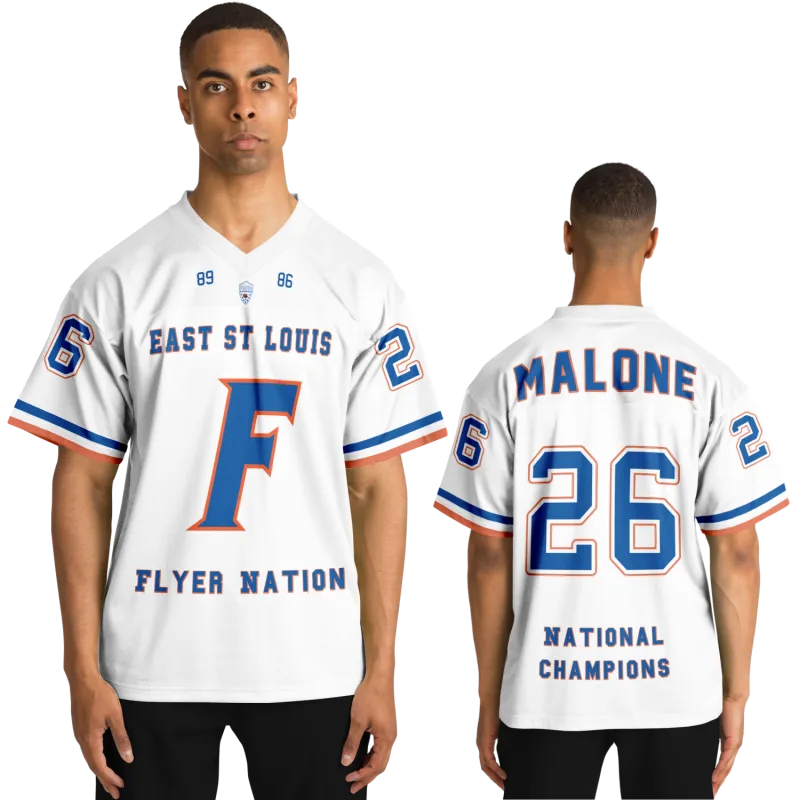
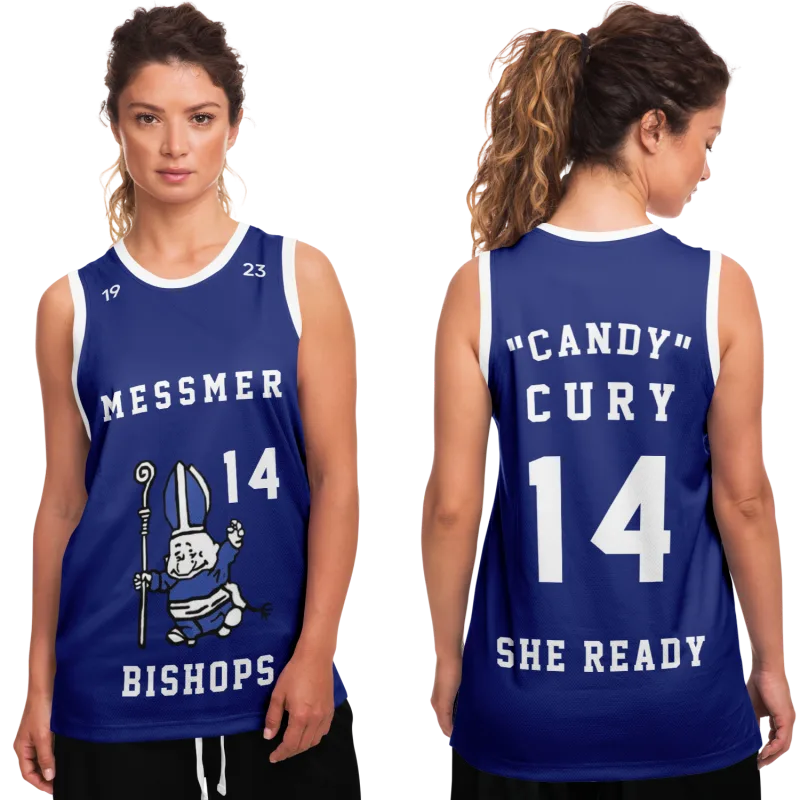
The jersey is that evidence. The name. The number. The colors. The program. Everything that the Alaska Elite 12 ranking represents for the players currently in those programs — you carried that too. You wore it. You earned it.
That jersey still exists somewhere. And if it doesn't — if it got lost to time, or a move, or just the general entropy of two decades — it doesn't have to stay gone.
Your Jersey Is Still Out There Waiting
Design yours in minutes and see your name and number exactly the way you remember it — the colors, the font, the number you wore the last time you ran out onto a field that meant everything.
Frequently Asked Questions
What is the Alaska Elite 12 high school football ranking?
The Alaska Elite 12 is a preseason and in-season ranking of the top 12 high school football programs in Alaska, published by Sports Illustrated's high school sports vertical. It evaluates programs based on prior season performance, returning talent, and competitive history within the state. Soldotna opened the 2026 ranking at No. 1 following an undefeated state championship run.
Why does Soldotna start at No. 1 in the 2026 Alaska Elite 12?
Soldotna earned the top position in the 2026 preseason ranking because of their performance in the prior season — an undefeated record culminating in a state championship. Preseason rankings at this level reflect the previous year's results combined with program continuity and returning roster depth.
How does a high school football ranking affect a team's season?
A preseason No. 1 ranking functions as both validation and pressure. Every opponent on the schedule prepares specifically to upset the top-ranked program. For players, it means entering the season already in a position of having to prove the ranking every week rather than chasing one. Programs that sustain top rankings across multiple seasons — as Soldotna has — develop a culture equipped to handle that pressure.
Is Alaska high school football competitive compared to other states?
Alaska high school football operates under conditions — travel distances, weather, smaller population pools — that create a distinct competitive culture. While national recruiting rankings rarely spotlight Alaska programs the way they do in larger states, the competition within the state is genuine and the community investment in the sport runs deep. Programs like Soldotna that dominate within that environment are doing something genuinely difficult.
How can former high school football players commemorate their playing days?
The most direct way is with a custom jersey featuring the name, number, and colors from your program. iPlayedFor lets former players design their own jersey, so it reflects exactly what you wore and exactly the way you remember it — not a mass-produced option built for someone else. Start the design process here.