

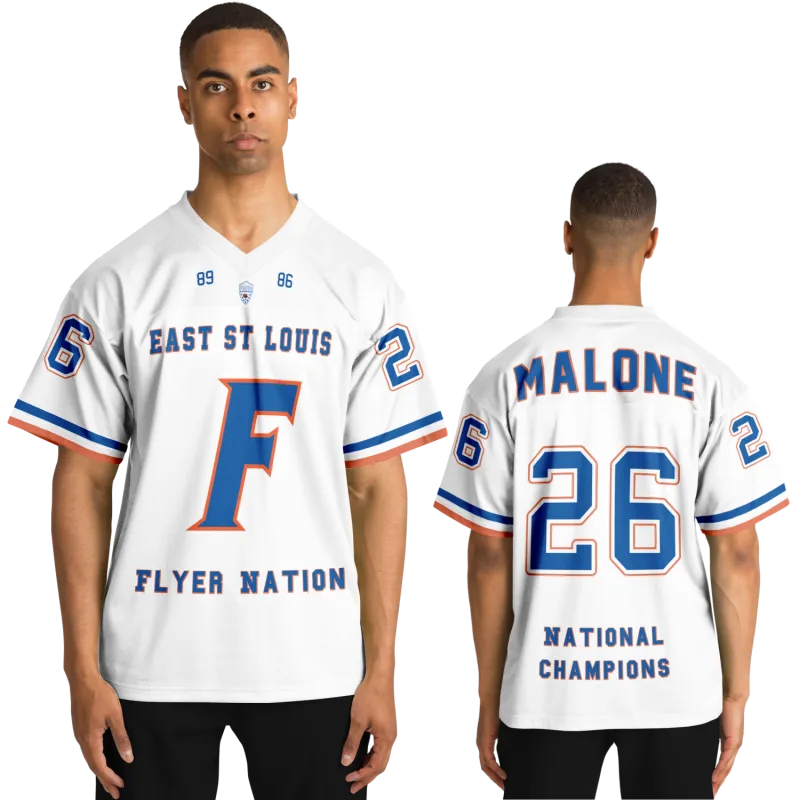
The roster lists a bare 14, but you never read it that way.
Not "number 14." Not "the 14." Just: my number.
That small, almost imperceptible possessive, the word my in front of a single digit or double digit that belongs to you in a way that has nothing to do with paperwork or roster assignments, is one of the quietest and most telling markers of former athlete identity. It doesn't matter how many years it's been. It doesn't matter if you played four seasons or fourteen. The number you wore is still yours, and somewhere in the back of your mind, it always will be.
This isn't nostalgia. Nostalgia is about longing for the past. This is something different. This is about a piece of the past that never fully became the past: a number that crossed over from what you did to who you are, and stayed there.
The Number Before It Was Yours
Every former athlete remembers the first time a number was assigned to them like it meant something — because it did.
Maybe you inherited it. An older sibling wore it, or a teammate you admired was moving on and the number passed to you like a hand-me-down that somehow fit better than anything you'd ever owned. Maybe a coach assigned it without ceremony, calling out numbers down a list until they got to yours, and something clicked. Maybe you chose it yourself, deliberate, specific, this one and no other, because it was the number of someone who made you want to play in the first place.
However it happened, there was a before and an after. Before the number, you were a player. After the number, you were you: a specific player, identifiable, present on the field or the court or the ice in a way that felt different from the day before.

In my experience as a former player, this is one of the most consistent things I've found: the number was the moment the identity became concrete. Not the first practice. Not the first game. The number.
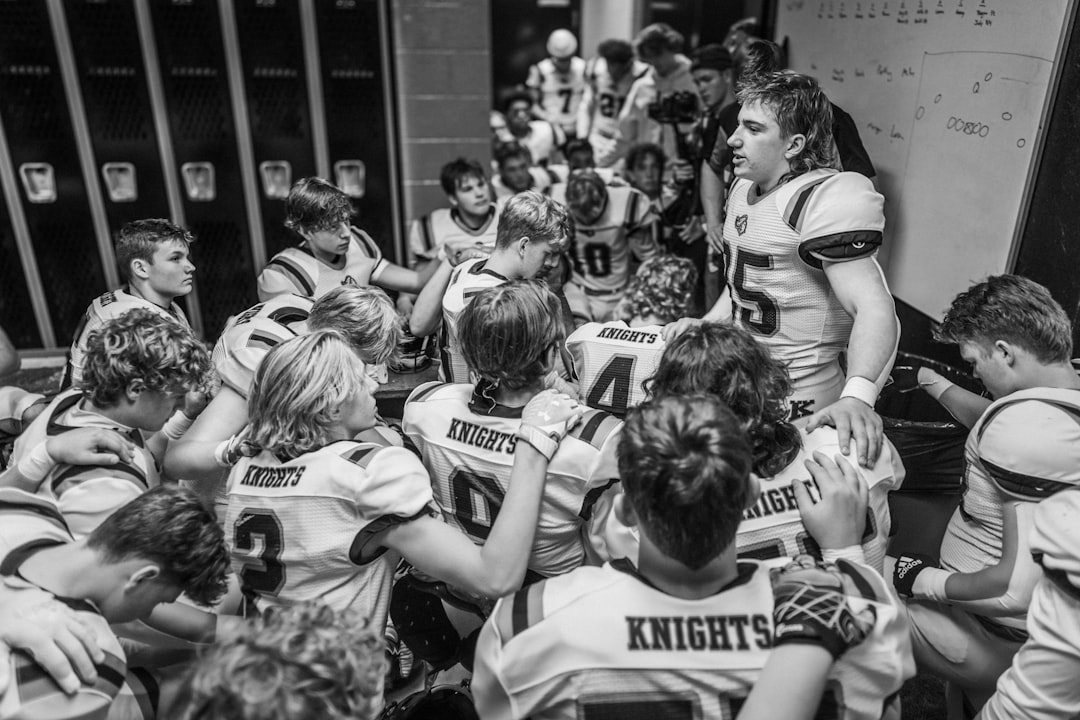
There's a reason for this that goes deeper than sentiment. Research on self-categorization, the way people adopt group memberships as part of their personal identity, consistently shows that symbols and markers accelerate the internalization process. A number is more than a symbol. It is a marker that makes the identity legible, to others and to yourself. When your teammates call your name, they see your face. When they call your number, they see your role. The number is the part of you that belonged to the team.
And belonging to the team is, for most athletes, one of the most formative experiences of their lives.
What the Number Actually Carried
Here is what lives inside that number, even now.
It carries the specific weight of every early morning. The 5:45 AM alarm, the cold floor of a gym or a field house, the way your body knew what it was supposed to do before your mind was fully awake. The number was on your back for all of that. It absorbed the repetition.
It carries the relationships that formed under pressure. There is a particular kind of bond that forms between people who train together, compete together, and lose together. Every one of those relationships is somehow indexed to the number you wore when you were building them. When you think of your teammate from junior year, you don't just remember their face. You remember their number, and your number, and the distance between you on the field that you both knew how to close without saying a word.
It carries the version of you that was fully in it. This is the part that former athletes rarely say out loud but feel with precision: when you played, you were completely present in a way that adult life rarely demands and almost never rewards. The number was the uniform of that presence. When you wore it, nothing else was competing for your attention. The score was the only score. The play was the only thing happening in the world.
That version of you, the one who was fully in it, doesn't disappear when the career ends. It goes somewhere. And the number is one of the few external objects that still points directly to where it went.
When Someone Else Wears It
This is where the identity question gets interesting — and a little complicated.
If you played long enough to watch someone else wear your number, you know the particular, almost irrational feeling that produces. A younger player comes up, they get assigned the number, and something in you that you thought was settled turns out to be not entirely settled.
You don't begrudge them. You don't want it back in a literal sense. The season is over. The roster moved on. You know all of this.
And yet.
That's my number is a thought that arrives without permission. It is immediate and specific and feels entirely true even when you know, rationally, that numbers don't work that way. Numbers recycle. Numbers get retired only for the exceptional few. For most athletes, the number will be worn by someone else before the paint on the gym floor dries.
None of that changes the feeling. And the feeling is a signal, not irrationality. It's the identity making itself known, reminding you that what you carried in that number was real, and that no subsequent wearer picks up the full weight of what was in it when you wore it. They carry their version. You carried yours. Both are true.
The Teammate Who Gets It
Maria V., 34, played collegiate soccer at the Division II level and wore number 7 for four seasons. She describes the moment she saw her number in the program the following year — assigned to a freshman who had no idea — as "genuinely bizarre, because I felt something about a number on a piece of paper." She laughs when she says it. She also doesn't walk it back. "It was mine," she says simply. "I know how that sounds. But it was mine."
What Maria is describing is the standard experience, not an edge case. The number belongs to the athlete in a way that is categorically different from how any piece of equipment belongs to them. You return the pads. You turn in the helmet. The number goes with you, not physically, but in the way that matters more, which is internally.
The Gap Between Playing and Being
One of the defining challenges of former athlete identity is what happens in the space between the end of a playing career and the rest of a life. Athletes who played seriously, at any level, in any sport, spent years in a structure that provided daily feedback on who they were. Practice told you where you were strong and where you needed work. Competition told you whether the work was paying off. Teammates and coaches reflected your identity back at you constantly.
Then the career ends. And the feedback structure largely disappears.
What remains is the question that a number quietly continues to answer: Who are you when you're not playing?
The number's persistence, the fact that you still call it your number long after the last game, is part of the answer. It is evidence that the identity formed on the field or the court or the ice is something you built rather than a costume you wore during a particular chapter. It is something that belongs to you by virtue of the investment you made, the years you gave, the version of yourself you became in the process.
The number is one of the few remaining physical referents for that. Most of the evidence is invisible — it's in how you respond to pressure, how you relate to teammates in a work context, how you think about preparation, how you handle losing. The number is the one thing you can point to and say: this is where that came from.
Across Sports, Across Eras
This is one of the places where former athlete identity becomes genuinely universal.
A former linebacker and a former point guard don't share a position or a playing style or a season or a set of teammates. But ask either of them about their number and the conversation sounds the same. The specificity. The ownership. The quiet certainty that the number meant something that can't be fully translated to someone who didn't play.
If you played, you know this feeling. The number is less a fact about your athletic history than a fact about you: about a version of you that trained and competed and belonged to something larger than yourself, and that is still present in the person you became.
This crosses eras too. An athlete who played decades ago and an athlete who played last year are speaking the same language when they talk about their number. The equipment changes. The rules evolve. The specific culture of each sport shifts over time. The relationship between an athlete and their number does not change, because it is about the identity that the sport built more than it is about the sport itself.
When the Number Becomes Permanent
For a lot of former athletes, the number doesn't just live in conversation. It migrates into things you can hold, wear, and see — permanent forms that outlast the career by decades.
You see it at the pro level all the time, and it's not about vanity. It's about a signature. Athletes tattoo their number on a forearm or a rib. They wear it as a pendant on a chain. They fold it into a social handle: the "24" or "7" or "3" at the end of a username so that anyone who knows, knows. These aren't souvenirs. They're the number refusing to be reduced to a line on a roster.
The most telling version of this is what athletes will spend to keep the number. Rickey Henderson, the way the story goes, paid a reported $25,000 to a teammate just to keep wearing 24 when he changed teams. Twenty-five thousand dollars. Not for the jersey, not for a contract clause — for the number itself. Because the number had become his name, and you don't hand your name to somebody else.
That's the part the casual observer misses. The number was never about the uniform. It was about you — the version of you who answered to that number in a huddle, in a locker room, in the last two minutes of a game that mattered. And when the uniform comes off for good, that version of you doesn't just want to remember. It wants to be seen again.
Which is where this stops being a story about professional athletes and starts being a story about you. You may not ink it on your arm. You may never write a check to reclaim it. But the impulse underneath is the same one — the quiet need to wear it, visibly, as the person you are now.
What You Do With It Now
The career ends. The number stays.
For most former athletes, there is a long period where the number lives only in memory and conversation — brought out when a certain song plays, when you drive past a field you used to practice on, when someone who didn't know you then asks you what you used to play. You say the sport, and then almost always, unprompted, you say the number.
There is something worth doing with that. Not as a memorial to what was, but as an acknowledgment of what still is. The identity formed in that number is active and present — it shapes how you compete in your career, how you show up for the people who depend on you, how you think about preparation and resilience and what it means to be part of something.
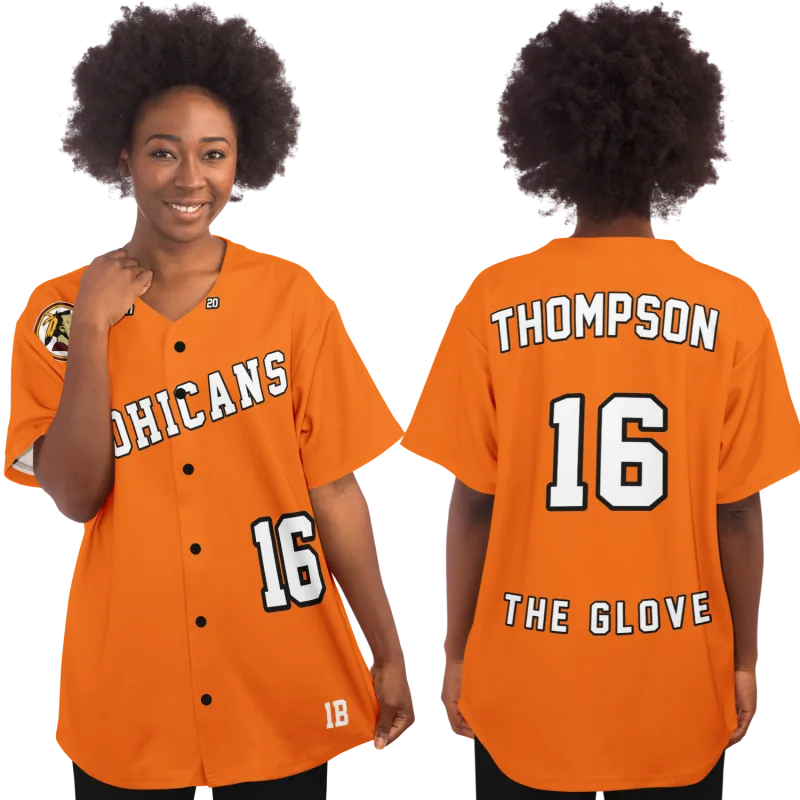
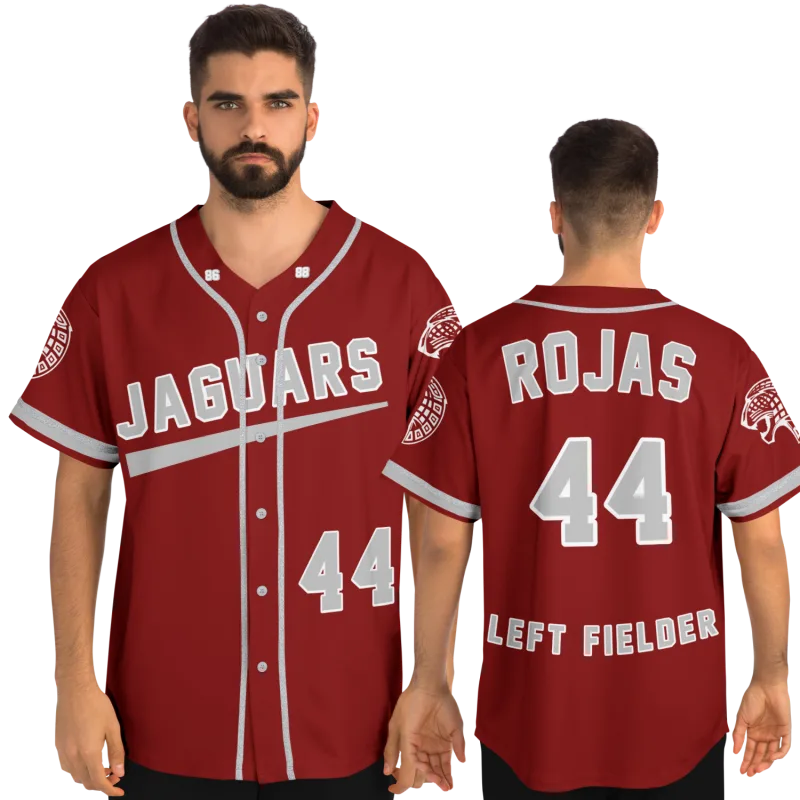
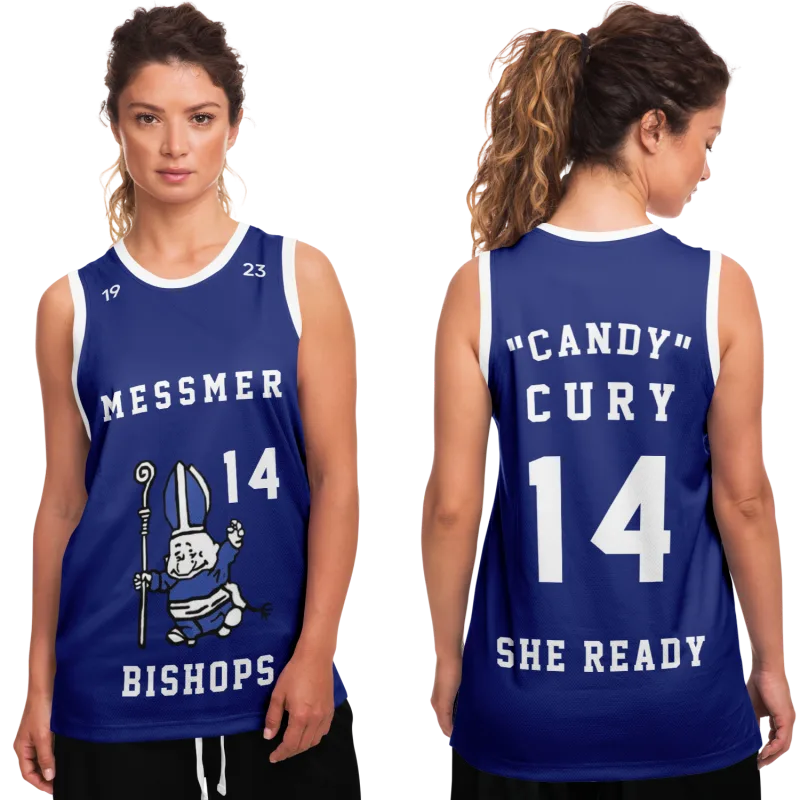
Wearing that number again — on a custom jersey that carries your name and your number the way you remember it — is about making the invisible visible, not going back. About having something physical that corresponds to something real about who you are.
The number was never just a number. Making it yours again, literally and deliberately, is a way of acknowledging that.
Your jersey is still out there waiting.
Design yours in minutes and see your name and number the way you remember it.
Frequently Asked Questions
Why do former athletes feel such a strong connection to their jersey number?
The connection is rooted in how identity forms through repeated, high-stakes experience. During a playing career, the jersey number is present for every moment of training, competition, winning, and loss. Over time, it becomes associated with a specific version of the athlete's self — one that was capable, present, and part of something larger. Psychological research on self-categorization confirms that symbols and markers accelerate the internalization of group identity, and a jersey number is among the most specific and personal of those markers. The feeling doesn't weaken after the career ends because the identity it represents doesn't end — it continues forward into the person the athlete becomes.
Is it common for former athletes to still refer to a number as "theirs" years after playing?
It is nearly universal among athletes who played at any serious level. The specificity of the feeling — the immediate, almost reflexive sense of ownership when someone else wears the number, or when the number comes up in conversation — is one of the most consistent themes across sports, positions, and competitive levels. It does not appear to diminish significantly with time. Former athletes who played decades ago describe the same feeling with the same immediacy as those who stepped off the field more recently. The number functions as a permanent marker of a formative identity, and permanent markers do not fade with distance from the event that created them.
What does holding onto your jersey number say about athlete identity after sport?
It says that the identity formed through sport is not situational — it doesn't belong only to the playing context. Athletes who maintain a strong connection to their number are, in a specific and meaningful sense, maintaining a connection to the version of themselves that was fully committed, present, and part of a team. That version of the self carries forward into every subsequent role and relationship. The number is one of the few concrete, external objects that continues to point to that version of the self when the career is over. Holding onto it is not nostalgia — it is an accurate recognition that the identity built through athletic experience is still active and still relevant.
How do athletes from different sports experience the jersey number differently?
The surface experience varies — the weight of the uniform, the visibility of the number during play, the cultural significance within a specific sport's tradition. But the core experience is consistent: the number is the marker that made the athlete's identity legible within the team structure, and that legibility created a form of belonging that persists long after the structure dissolves. A swimmer who wore a lane and a number on a warm-up jacket describes the same essential feeling as a basketball player whose number was announced at every home game. The sport is the context. The identity formation process is the constant.
See also: athletic identity after high school | the grief that comes with the end of your athletic career | why high school sports still matter to adults