


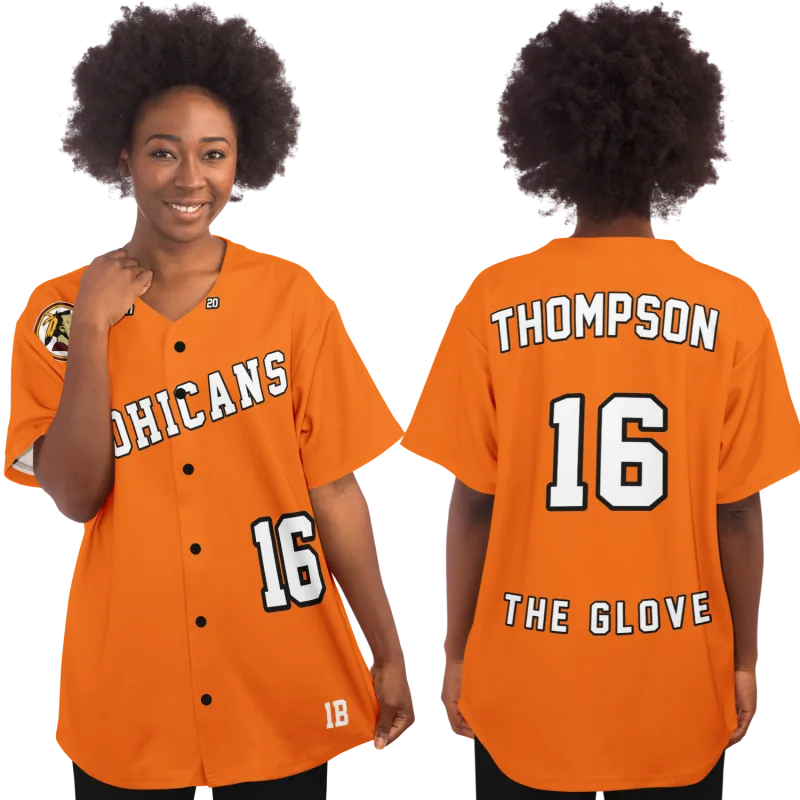
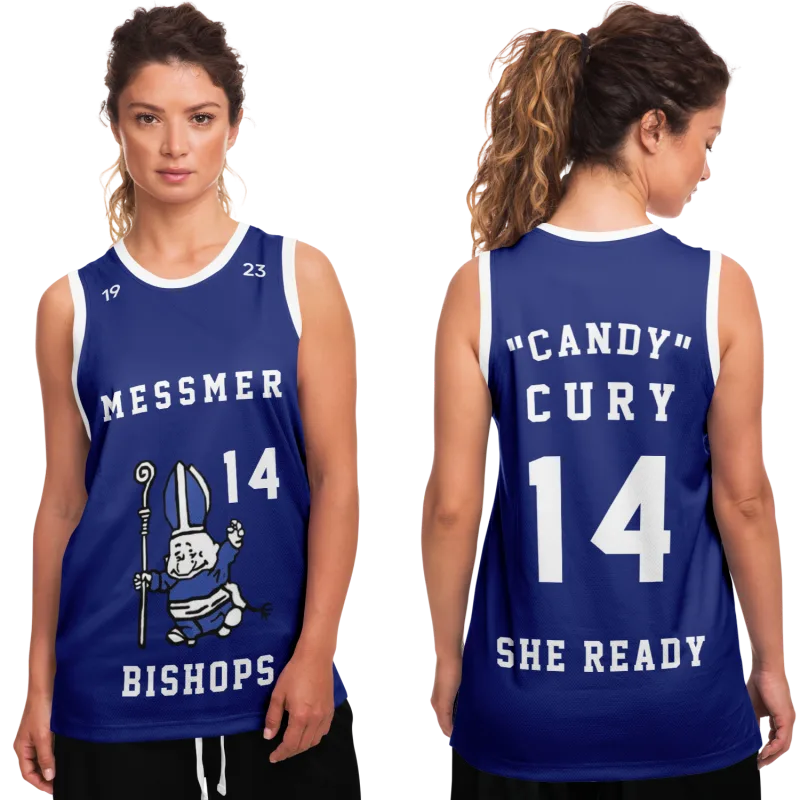
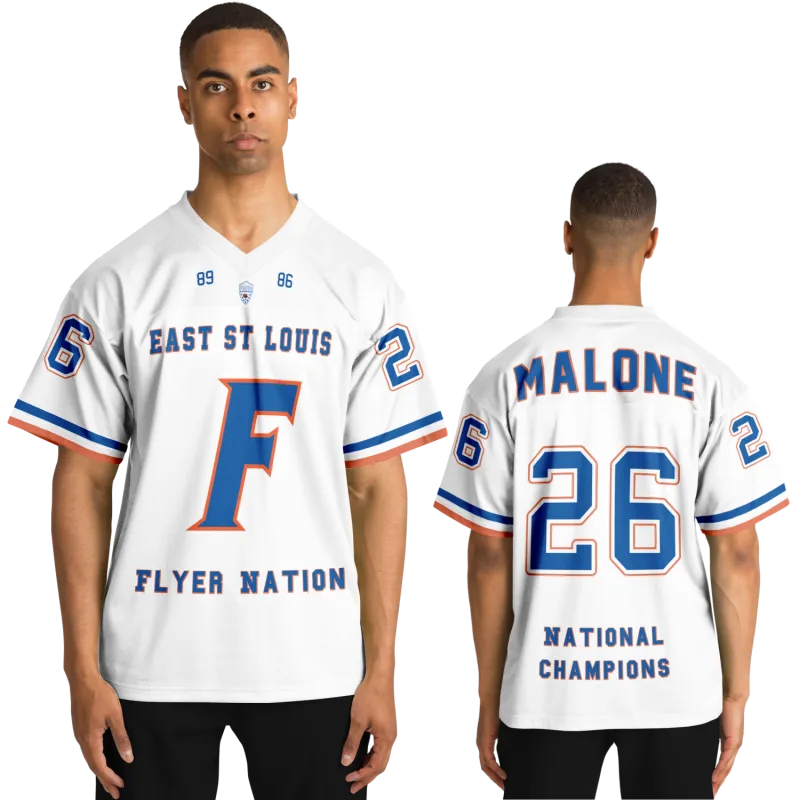

Title IX high school female athletes are not a group that gets talked about much. But on June 23, 1972, a law was passed that changed their lives forever. Title IX said no person in the United States could be excluded from any education program or activity receiving federal funding based on their sex. That was it. Nine words that opened the door for millions of girls to play.
Before Title IX, girls did not have teams. They did not have uniforms. They did not have a sideline, a court, or a field that belonged to them. In 1971, fewer than 300,000 girls played high school sports in the entire country. By 1978, that number had passed two million. The change was not gradual. It was a flood. And every single girl who walked onto a field in the years that followed was building something she could not yet see.
This June, as Title IX turns 54 years old, those high school female athletes are the reason the 2026 Women's World Cup will be the biggest women's sporting event in history. Not just the professional players. Not the federations. The girls who played because they wanted to play.
What Title IX Actually Did for High School Girls
The language of the law was simple, but the effect on high school athletics was radical. Schools could no longer spend ten times as much on boys' sports and call it fair. They had to provide equal opportunity. That meant equipment, facilities, coaching, and — most importantly — teams.
For high school female athletes in the 1970s and 1980s, this played out in small, specific ways. A school that had a boys' basketball team was now required to offer one for girls. A school that maintained a baseball field had to provide a comparable facility for softball. Athletic directors who had never thought about girls' sports were suddenly ordering uniforms, scheduling games, and hiring coaches. Some uniforms were hand-me-downs from the boys' team. Some practice slots were at 6 AM because the gym was booked. It did not stop the girls who showed up.

The numbers tell the story. In 1971, one in 27 girls played high school sports. By 2000, it was one in three. That is millions of young women who got to experience something their mothers never had — the feeling of pulling on a jersey with their school's name across the chest and knowing they had earned it.
These girls did not grow up watching Mia Hamm or Serena Williams or Simone Biles. Those athletes did not exist yet. They played because the game itself was enough. Because running down a court or spiking a ball or crossing a finish line felt like the most important thing in the world. They played for the smell of the gym, the sound of the buzzer, the bus rides home after a win — the same feelings that come rushing back when you visit your old high school gym or field years later. They played because the door had finally cracked open, and they ran through it.
The Pipeline That Built the 2026 Women's World Cup
Here is how a law becomes a World Cup. It takes about twenty years from the moment a generation of girls gets access to sports to the moment that generation produces the first elite players. Then another twenty years for those players to become coaches, administrators, and advocates who build the infrastructure for the next wave.
The 1999 Women's World Cup team, the one that packed the Rose Bowl and changed everything — those players were the first full generation raised under Title IX. Mia Hamm was born in 1972, the same year the law passed. She was six years old when participation numbers had already doubled. She had high school teams, college scholarships, and a national team program that existed because the pipeline had been primed by every high school female athlete who came before her.
Now look at the players who will take the field in 2026. They are the grandchildren of Title IX. Their mothers and aunts were the ones who played on the first girls' teams in their schools. Their grandmothers were the ones who never got to play at all. The players wearing the jersey for the United States in 2026 stand on a foundation built by every girl who laced up her cleats between 1972 and 2000 — whether she ever made a national team or not.
But the piece of the pipeline that gets the least attention is the one that did the most work: college. Title IX did not stop at high school sports. It mandated equal opportunity in college athletics too, which meant something that had never existed before — scholarships, recruiting budgets, and training facilities dedicated entirely to women's athletic programs. This created an accidental development system that would become the most competitive women's soccer infrastructure anywhere in the world. By the time the NCAA sponsored its first women's soccer championship in 1982, the pipeline was already flowing: high school girls raised under Title IX were filling college rosters from coast to coast. Those college programs became the bridge between the high school field and the international stage. And the bridge carried more than just American players. At the 2023 Women's World Cup, more than 20 percent of all players — 151 athletes — had college soccer experience in the United States. They represented 22 of the 32 national teams. Title IX did not just build the USWNT. By mandating college opportunities for American women, it built a development system so effective that the rest of the world started sending its best players through it too. The college soccer field was the explicit mechanism connecting the high school pitch to the World Cup stage — and Title IX built that mechanism before anyone even knew it was needed.
The pipeline is not just about producing professionals. It is about creating a culture where a girl can dream of playing in a World Cup and nobody tells her it is impossible. Every high school female athlete who played on a team, wore a jersey, and called herself an athlete made that dream a little more real for the next girl.
The Sport-by-Sport Foundation
Soccer. Before Title IX, girls' soccer was almost nonexistent in American high schools. By the 1990s, it was one of the fastest-growing sports in the country. Every girl who played high school soccer in the 1980s was part of the wave that made the 1999 World Cup possible. Every girl who plays today is part of the wave that will fill stadiums in 2026. If you wore a soccer jersey with your school's colors across the front, you are part of that pipeline.
Basketball. The game has been played by women since the 1890s, but it was not until Title IX that high school basketball became a rite of passage for millions of girls. From Pat Summitt to Cheryl Miller to Caitlin Clark, the entire lineage of women's basketball runs through the high school gyms where teams were first formed in the 1970s. If your number hangs in the rafters of a high school gym — even if only in your memory — you helped build that line.
Volleyball. Of all the sports Title IX unlocked, volleyball may have changed the most. It gave athletic girls a game where their height was an advantage, not something to apologize for. High school volleyball teams grew from a novelty in the 1970s to the powerhouse programs that fill college arenas today. Every serve, every dig, every rally started with a girl who walked onto a court because Title IX said she could.
Softball and track. These sports gave girls who did not fit the mold a place to compete. The throwers, the runners, the pitchers, the hitters — every girl who found her sport because her high school finally offered it is part of this story. They did not need the spotlight. They just needed a chance.
You Were Part of It
If you played high school sports between 1972 and 2000 — or any time since — you were not just playing a game. You were part of the largest expansion of women's athletics in American history. You were the proof of concept. You showed that if you give a girl a jersey and a chance, she will run with it. And for every girl who played, certain games stay with you forever — the ones where everything clicked, where the crowd was loud, where you walked off the field knowing you had left everything out there.
Maybe you did not make varsity. Maybe your team did not win many games. Maybe the uniforms were hand-me-downs and the bus was the old one that broke down twice a season. None of that matters. What matters is that you showed up. You put on the jersey and you called yourself an athlete at a time when that word was still new for girls in high school sports.
That is what Title IX at 54 means. Fifty-four years of girls and women saying yes to the game. Millions of high school female athletes who never got a trophy, never made a highlight reel, and never played for a crowd — but who built the foundation for the biggest moment in women's sports history.
Your glory days did not happen by accident. They happened because a generation of women before you fought for the chance to play. And the game you played, the jersey you wore, the number you called your own — that matters more than you ever gave yourself credit for.
Wear it again. A custom jersey with your name, your number, and your school colors — printed with colors that never crack, peel, or fade — is the way to honor not just your own story, but every high school female athlete who made it possible for you to play. Because your jersey belongs on the wall, not in a box in the attic — whether you display it proudly or wear it out on game day, it deserves to be seen. Your glory days built the future of the game. Now you can wear them again.