



There is a specific moment that lives permanently in the body of every athlete who ever had to earn a spot.
Not the moment you saw your name on the list. Not the first time you wore the jersey. The moment before all of that — when something shifted mid-play, mid-drill, mid-scrimmage, and you stopped thinking about whether you belonged and just started playing. That shift is the making the team athlete memory that doesn't fade. It lives in the muscles. It lives in the way you still carry yourself, years later, when something hard is in front of you and some part of you remembers what it felt like to find out you were capable of this.
This is about that moment. The scrimmage that proved it: to the coaches, to the other players, and most importantly, to yourself.
What the Proving Ground Actually Was
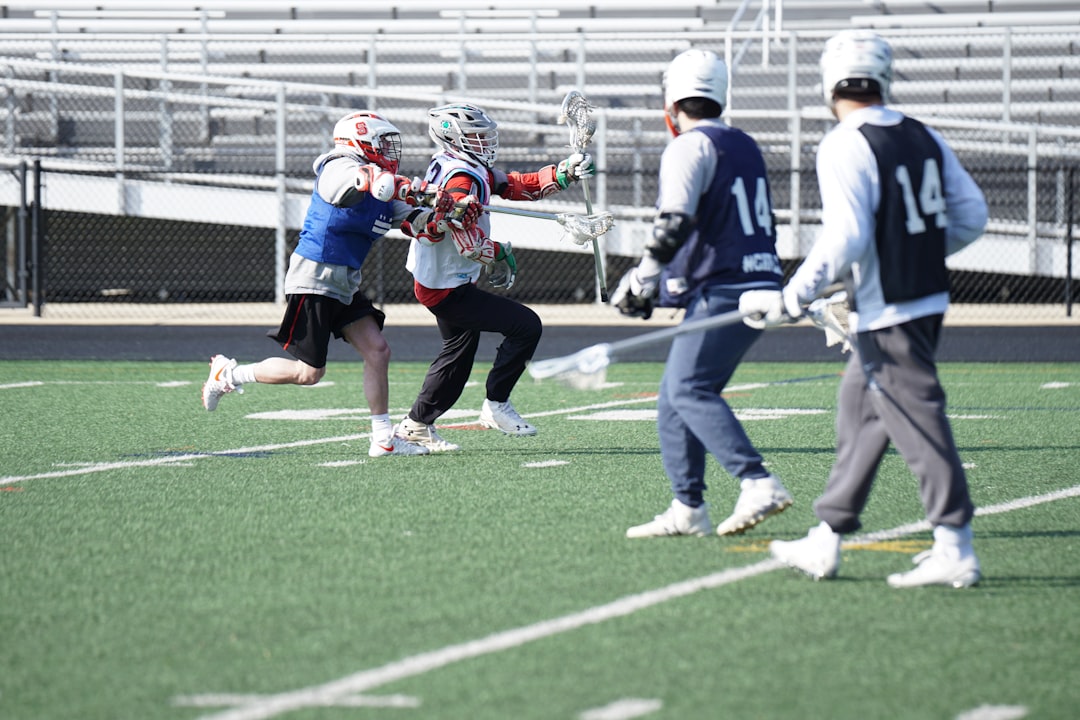
A scrimmage looks, from the outside, like practice. Two groups of players going against each other. A coach with a clipboard. Whistles. Water breaks. No scoreboard that counts for anything official.
But if you played, if you ever stood on the wrong side of a roster bubble, not sure whether you were in or out, you know a tryout scrimmage is not practice. It is the closest thing to a real test that exists in sports, precisely because the setting strips away everything artificial.
There's no crowd to feed off of. No pregame adrenaline to borrow from. No uniform that already tells you who you are on this team. There is only what you do when the whistle blows and someone across from you is competing for the same thing you want.
Every athlete who has been through it remembers the specific texture of those moments:
- The way your legs felt during warm-ups, heavier than usual, the nervous energy sitting in your thighs instead of your chest where you could use it
- The involuntary scan you did of the other players: sizing up who was going to be your competition for this spot, this position, this future
- The way the first few plays felt mechanical, like you were watching yourself from slightly outside your body, performing rather than competing
And then something happened. It's different for every athlete, but every athlete who made the team has a version of this moment: the play where performance turned into presence.

You stopped running the drill. You started playing.
The Moment Performance Became Presence
In my experience as a former player watching athletes describe their most formative sports memories, the scrimmage story almost always has the same structure. There is a before and an after, and the dividing line is almost never dramatic. It's quiet.
A defender breaks late and you beat her to the ball without thinking about beating her to the ball. A gap opens in the line and your feet find it before your brain has processed the instruction. A ball comes to you in traffic and you catch it clean — not because you practiced that catch but because in that instant, you were there, fully there, and the catch was just what happened.
Athletes across sports and decades describe this as the moment the noise stopped.
The internal commentary — Am I good enough? Is the coach watching? Did that last rep look right? — goes quiet. And what's underneath the commentary, the part of you that's been playing this sport since before you had any of that self-consciousness, takes over.
That's the moment you proved it. Not to anyone watching. To yourself.
Mia R., 34, played club soccer through high school and still talks about the preseason scrimmage during her sophomore year when she was fighting for a varsity spot against older players. She'd had an uneven first half: technically solid but visibly nervous, playing not to fail rather than to win. Then midway through the second half, a senior midfielder went down with a cramp. The coach pointed at Mia. She jogged in. The next ball that came to her, she played it first-touch, released it perfectly, and sprinted into space she'd already read before the play developed. "I don't remember deciding to do any of that," she said. "I just remember feeling like myself for the first time all week."
She made the varsity roster the next day.
The Specific Weight of Athletic Confidence
There's a reason the scrimmage memory sits differently than other sports memories.
It's not the championship win. It's not the record-breaking game. Those moments are confirmed by external things: a scoreboard, a trophy, a crowd. They're real, and they matter, but they arrive with a frame already built around them. You know what they mean when they happen. When the roar of a crowd lands in your chest because of something you did, that memory stays in the body too — just in a different register than the quiet proving-ground scrimmage. Both kinds of moments leave marks that don't fade.
The scrimmage is different because the meaning is entirely internal. No one announces that the tide turned. No one marks the moment. You are the only one who knows exactly when you stopped auditing yourself and started playing — and the knowledge lands in a different place because of that. It belongs to you in a way that public victories don't.
This is what research on athletic identity consistently surfaces: the moments athletes identify as most formative are rarely the high-visibility achievements. They are the threshold moments: the first time you did something at a level that told you what you were capable of. The scrimmage that went your way before anyone guaranteed you a spot.
The weight of that confidence is specific. This is belief built from evidence rather than general self-belief: from the lived experience of having been tested without a net and having found something real underneath.
And here's the part that stays with you even decades after the jersey got retired: that evidence doesn't expire.
What You Carried Off That Field
Every former athlete remembers the walk off the field after the scrimmage that turned. The ones who were on the bubble, who didn't know, who had given everything they had for days. They remember the walk differently than they remember any other walk.
Your body knows before your mind confirms it. There's a looseness in the shoulders that wasn't there before. A kind of quiet in the chest. You don't celebrate, because you don't know officially yet, and you've been in sports long enough to know you don't celebrate what isn't certain. But something has settled.
You know what you found today.
What you carried off that field was more than athletic confidence in the narrow sense. It was something you would spend the rest of your life drawing on in moments that had nothing to do with sports:
- The job interview where something clicked and you stopped performing and started talking
- The presentation where you felt the room shift and you stopped following your slides and started leading the room
- The moment in a hard conversation where you stopped being careful and started being honest
Every former athlete who has been through a real proving-ground moment knows the transferability of that specific feeling. It taught you something about yourself that goes past the sport: that underneath the self-monitoring, underneath the anxiety of being evaluated, there is a version of you that is actually capable of the thing you're attempting.
The scrimmage only showed you it was already there.
The Name on the List Was Just the Confirmation
When the roster went up, posted on the locker room door, read aloud in the gym, sent in a text from the coach, it confirmed what the scrimmage had already told you.
That's worth sitting with for a second, because it's easy to remember the list as the moment. The announcement. The name in print.
But for athletes who earned their spots after genuine uncertainty, the emotional peak had come earlier. The list was simply the official acknowledgment of something that already happened privately.
The real moment was earlier. It was the specific play, the specific exchange, the specific stretch of performance where you stopped wondering and started being. The list just made it official.
If you played, you know which one you're thinking of right now.
That memory — the proving-ground version, the pre-list version, the one that belongs entirely to you — is the one that doesn't require a trophy or a photograph to stay real. It stays real because it happened in your body, and your body doesn't forget the things that mattered.
The Athletes Who Never Quite Got There
There's a harder version of this story that deserves acknowledgment, because not every tryout ended with the name on the list.
Some athletes remember the scrimmage where they felt it shift — where they found the version of themselves they'd been trying to access all week — and it still wasn't enough. The slot was smaller than the talent competing for it. The roster was already mostly decided. The coach was looking for something specific that wasn't what you were.
Those athletes carry something different. Not the confidence of having been confirmed, but the harder knowledge that you were capable of more than the outcome showed.
That's its own form of formation. The former athlete who gave everything in a proving-ground moment and still didn't make the cut knows something about effort decoupled from result that the successful tryout doesn't teach. They know what it means to compete at your genuine ceiling and have the outcome go another way.
Both experiences, the name on the list and the name that wasn't, teach the same underlying truth: the scrimmage reveals who you actually are when it costs something. The question is what you do with what you find out.
The Jersey Was the Flag You Planted
For the athletes who did make it — who saw their name on the list, who walked into the first real practice as a confirmed member of the team — the jersey was the flag.
Not a reward. Not a gift. A flag.
It marked territory you had earned. It said, in the specific language of your sport and your team and that particular season, this person competed for this and came through it. The jersey didn't make you an athlete. You were already that. The jersey made the fact official, wearable, visible.
In my experience as a former player talking with former athletes, the jersey they remember most vividly is almost never the championship one. It's the first one. The one they put on for the first practice after making the team. The one that confirmed what the scrimmage had already told them.
There's a reason those jerseys are hard to throw away. And a reason why, years later, something stirs when you think about wearing your name and number again — not as a nostalgia exercise, but as a way of honoring the specific version of yourself who earned that spot.
Your jersey is still out there waiting.
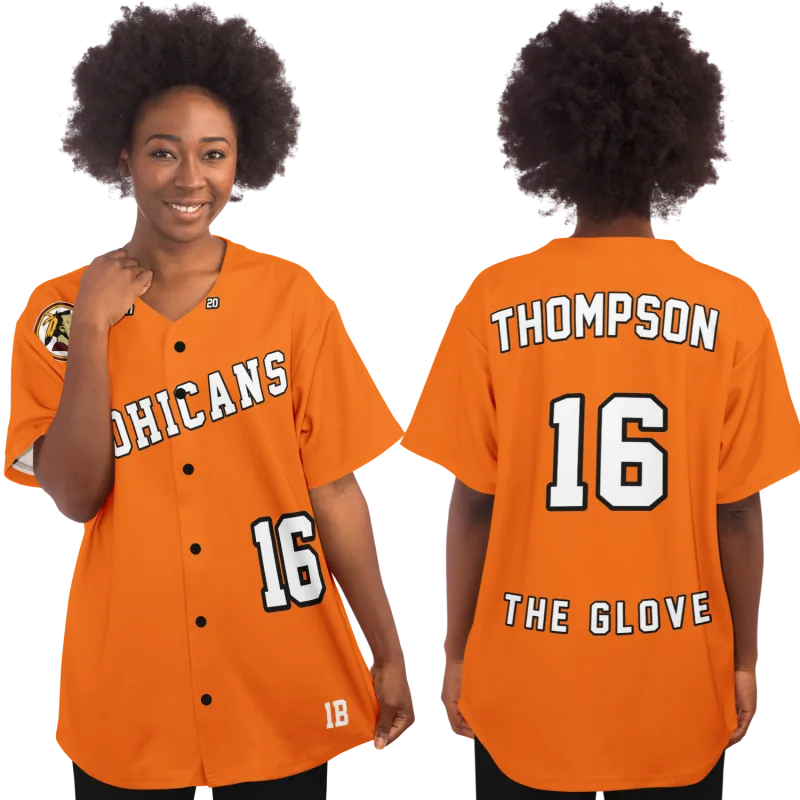
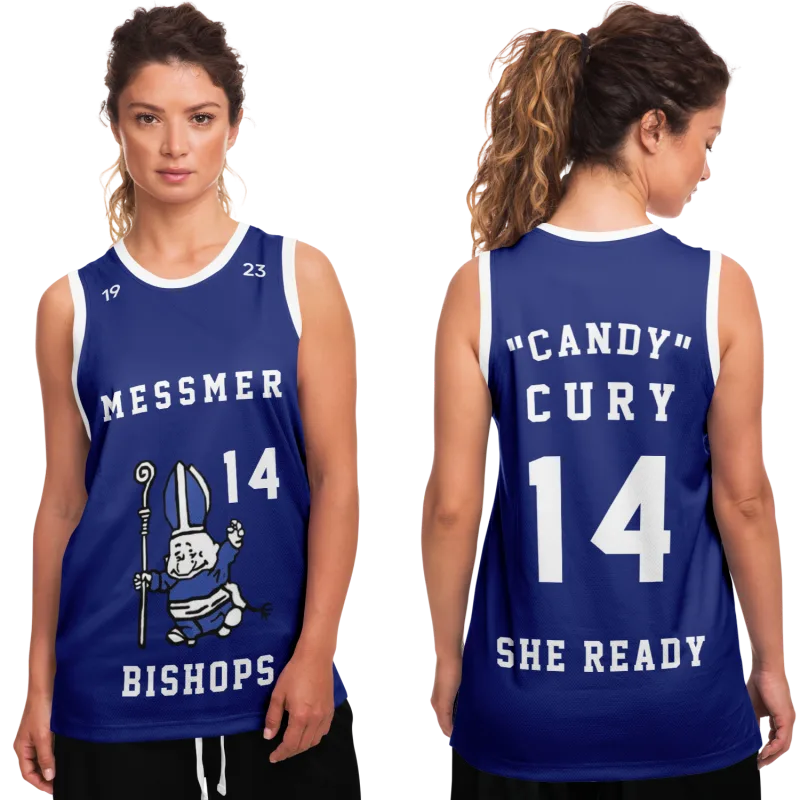
Design yours in minutes and see your name and number just the way you remember them.
Frequently Asked Questions
Why do athletes remember tryout scrimmages more vividly than games?
Because tryout scrimmages carry a specific kind of stakes that games don't — your entire future on the team is undecided. That uncertainty creates the conditions for heightened memory formation. Neuroscientists call this the role of emotional arousal in long-term potentiation: when the brain registers that something is high-stakes, it encodes the memory more deeply and with more sensory detail. The scrimmage that could end your season before it starts is encoded as a survival-level event. Regular season games, for all their meaning, don't carry that specific weight.
Is it normal to still think about making the team years or decades later?
Entirely. Athletic identity researchers have documented that proving-ground moments — the moments when athletes first confirm their own capability under pressure — remain among the most persistent and formative memories people carry. They're not "just sports memories." They're experiences that shaped your understanding of what you're capable of, and that understanding continues to influence how you approach difficult moments throughout your life. The fact that the memory is still vivid is a sign of how real the moment was, not a sign that you're stuck.
What if the scrimmage went badly but I still made the team?
That happens too — and it produces its own complicated memory. Some athletes made the team on reputation, on earlier performances, on a coach's belief in their potential rather than that day's execution. If you're one of those athletes, you may carry a different version of this story: the season-long process of proving that the coach's faith was justified. That's a legitimate and often more extended proving-ground experience. The "moment you belonged" may have come later in the season, in a different context. But it came.
Does the same proving-ground feeling show up outside of sports?
Almost universally, yes. Athletes consistently describe recognizing the scrimmage feeling in professional and personal high-stakes moments — the job interview that shifted, the pitch that clicked, the conversation where they stopped performing and started actually engaging. The sports experience doesn't just produce a memory; it produces a template. Once you've felt the transition from anxious performance to genuine presence in one high-stakes context, you recognize it when it happens again — and you know how to let it happen rather than fighting it.
Why does the jersey from that season mean more than trophies from later in a career?
Because the jersey from that proving-ground season is associated with the threshold crossing — the moment of uncertainty resolved, the confirmation that you belonged. Trophies come after belonging is already established. The jersey from the first year you earned a spot carries the emotional weight of the scrimmage, the list, the first practice. It represents becoming, not achieving. Those two things sit in different places in the memory, and becoming tends to be the one that stays.
See also: why these memories stay so sharp decades later | the psychological weight high school sports still carry for adults | how athletic identity shapes who you became after the sport ended