


You spent about four seconds choosing it.
Maybe less. Someone sent the league invite, the draft was in two days, and you typed the first thing that came to mind. Hit confirm. Done.
But here's the thing about fantasy football team names: that four-second decision almost never comes from nowhere. It comes from somewhere specific. A locker room. A nickname that stuck for three years. A play that still lives in your body. An inside joke that only makes sense if you were there.
The people in your league who've known you for years? They read it immediately. They knew exactly what you were referencing, and they smiled, or groaned, or texted you about it before the draft even started.
That's not a coincidence. That's identity.
The Name You Choose Is Never Actually Random
Ask anyone who played a sport at any level (not professionally, not necessarily at the college level, just genuinely played, competed, put in the time) and they'll tell you the same thing. You don't fully leave it behind.
It doesn't matter how many years have passed. It doesn't matter that your knees make sounds now that didn't exist when you were nineteen. The version of you that played is still present. It's in how you watch games. It's in how you talk about effort and execution with your kids. It's in the way your pulse still ticks up slightly when someone challenges you at anything, even something completely unrelated to athletics.
And it shows up in your fantasy football team name.
Every former athlete remembers the exact moment a nickname was assigned — the split second when something you did, or something that happened to you, became shorthand for who you were in that group. Nicknames in athletics are a form of belonging. They're the team's way of saying we see you specifically, not just generically. And because they usually come from a real moment (a game, a practice, a bus ride, something you said), they carry genuine weight.
When you sit down to name your fantasy team, you're reaching back into that archive of belonging. You're pulling out the thing that still feels like yours. Creative writing never enters into it.
That's worth paying attention to.
What the Four Categories of Fantasy Names Actually Reveal
Not all fantasy football team names come from the same place. The names tend to cluster into four distinct categories. Each one tells you something different about how that person is carrying their athletic past.
The Direct Reference
This is the team name that requires context to be funny or meaningful. It might be a position you played, a specific play that became legendary within your circle, a coach's phrase that got repeated so often it became gospel, or a game-day ritual that everyone participated in.
If you're in a league with your old teammates and you named your team something that only those fifteen people on earth would understand, you're maintaining the private language of a specific group. You're honoring the fact that you were there together, and that shared geography still matters.
This is the healthiest version of the athletic identity. It's connective rather than nostalgic in a way that hurts. It says: we built something together and I remember it fondly.
The Ironic Undercut
"Probably Gonna Lose." "Last Place Again." "Bench Warmer FC." "Depth Chart Reject."
These names are almost always chosen by people who were actually good. This is not speculation — it's a pattern. The athlete who genuinely couldn't compete doesn't usually joke about it. The athlete who was legitimately skilled, who has a real record and real accomplishments, is the one with enough security to mock themselves.
The ironic undercut is a form of confidence masquerading as humility. It says: I know what I did. I don't need to announce it. I'm comfortable enough to go the other direction entirely.
If you've named your team something self-deprecating, consider where that name actually comes from. More often than not, it's a position of strength, not weakness.
The Pun That References Both Football and Your Former Sport
This is the crossover move. The basketball player who spent three years playing point guard and now names their fantasy football team something that works as both a football reference and a basketball one. The soccer player who leans into a formation metaphor. The wrestler who can't resist the submission angle.
These names are about refusing to fully surrender a previous identity to a new one. The former athlete who uses this construction is saying: I'm here in this football context, but I'm not only a football person. I'm a sports person. I contain multitudes.
There is something quietly defiant about it, in the best possible way.
The Number
Sometimes the name is literally a number. Your number. The one you wore for four years, or eight years, or since you were eleven years old and it was assigned to you and you just kept it forever.
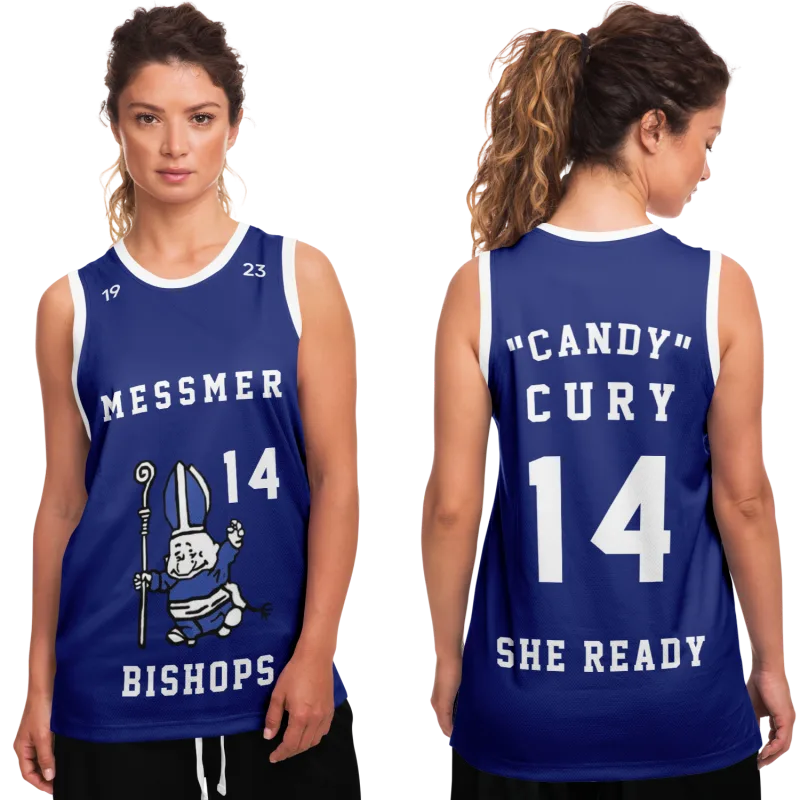
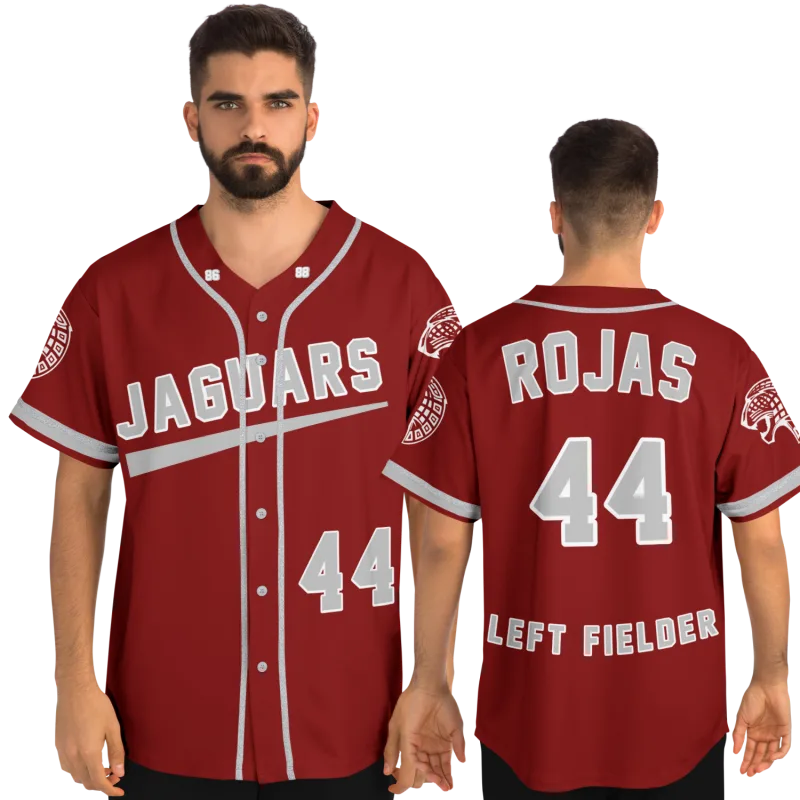
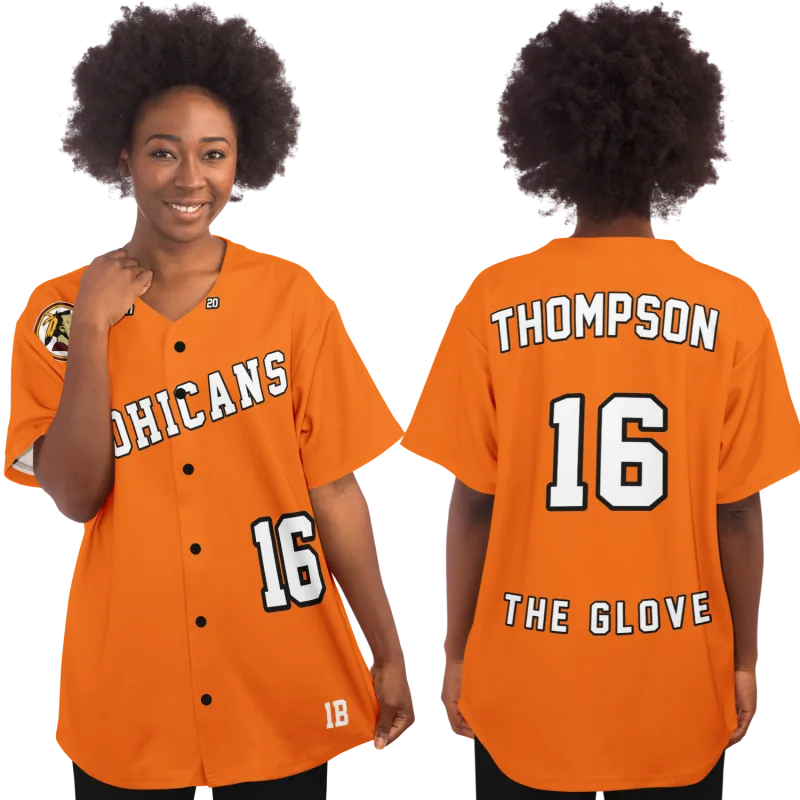
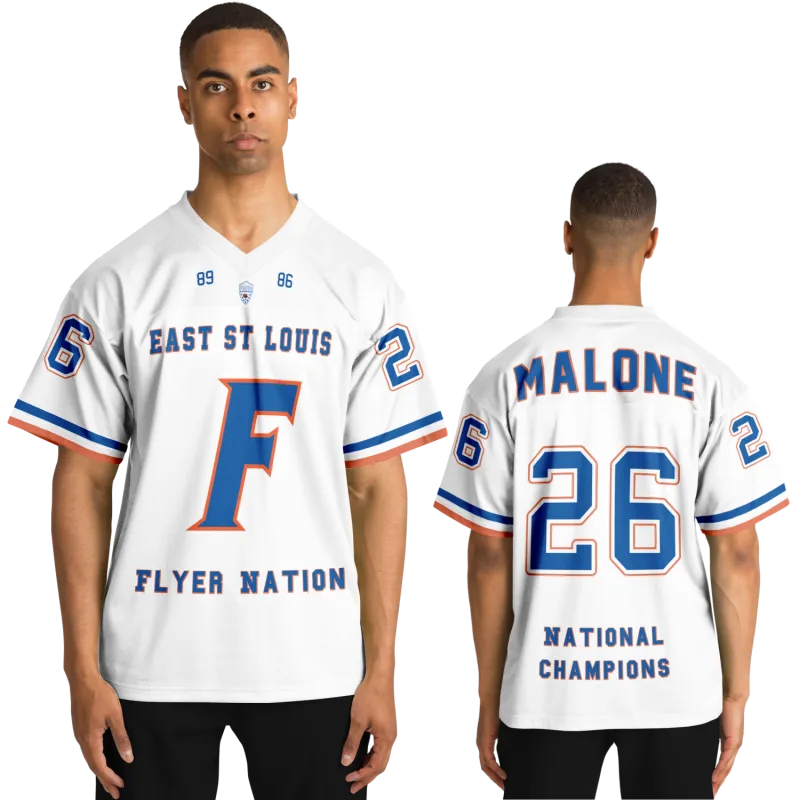
This one is the most personal of all the fantasy football team names, and also the hardest to explain to people who didn't play. Your number wasn't just administrative. It was what got called when you were going in. It was what was stitched on the back of the jersey you earned. It was how the announcer identified you. Over time, it stopped being a number and became a word. Specifically, a word that meant you.
Naming your fantasy team a number tells everyone in the league who you were before you were whoever you are now.
The League as Reunion
Here's something that doesn't get discussed enough about fantasy football leagues specifically: for a lot of former athletes, the league is one of the few consistent social structures that survived the end of playing days.
Teams disperse. Schedules change. People move. Careers pull people in different directions. But the fantasy league keeps a group together in a specific, low-friction way that mimics (just slightly, just enough) the structure of being on a team.
There's a draft, which has its own preparation and strategy. There's a season with stakes. There's trash talk, which is a form of intimacy among people who competed together. There are wins and losses that actually matter to everyone involved, even though nothing material is usually at stake.
Marcus T., 38, a former defensive lineman who played through two years of junior college ball before a shoulder injury ended his career, has been in the same fantasy league with four of his old teammates for eleven years. His team name references a specific defensive play from a game they won by three points in what would have been his final season anyway. "Nobody outside that group knows what it means," he told us. "But those four guys see it every week during the season. That's the point."
That name isn't about fantasy football. It's about keeping four relationships alive through a structure that gives them a reason to talk every week from September through January. The team name is the handshake that says: I remember. Do you?
What Happens When the Name Changes
Pay attention when someone in your league dramatically changes their team name from a previous-athlete reference to something entirely generic — a current player's name, a pop culture reference, something completely disconnected from their playing days.
Sometimes this is just variety. Sometimes it's something else.
The athletic identity, like any identity, can become complicated. The player who had a difficult end to their career — injury, getting cut, a situation that felt unresolved — sometimes reaches a point where the reference that used to feel like pride starts to feel like something heavier. The name that once felt like honoring a memory starts to feel like grieving one.
Changing the name can be a healthy act of moving forward. It can be a deliberate decision to stop organizing your present self around a past self. This is not loss — it's integration. The playing days don't disappear from your identity when you stop referencing them every September. They become part of the foundation rather than the label.
The interesting thing is that athletes who reach this stage — who have genuinely integrated the playing self into the larger whole — often come back around eventually. The name changes, stays generic for a few years, and then one day it's back. But different. Lighter. More affectionate than commemorative.
That's actually the arc. That's the whole arc.
If You Played, You Know This About Numbers
There's a specific thing that happens when you see your old number on someone else's jersey.
It doesn't matter that it's been years. It doesn't matter that you were watching a youth game, or a high school game, or something entirely removed from the level at which you competed. You see that number on that jersey and something in you responds before your conscious mind has a chance to process it.
This is not irrational. The number was yours. It was associated with your name, your face, your performance, your identity, for years. The brain forms associations that don't dissolve cleanly just because the activity is over. Neuroscientists call this autobiographical memory encoding — the way emotionally significant experiences become indexed not just as events but as part of the self-concept.
Your fantasy football team name, if it references your number or your position or your team's name from your playing days, is tapping directly into that same encoding. It's recognition, not nostalgia in the soft, slightly mournful sense people usually mean. It's the mind acknowledging: this part of me is still here and it still matters.
The Name Your League Opponents See First
One practical reality worth naming: in most fantasy platforms, the team name is the first thing your opponents see before they open a matchup. Before stats. Before rosters. Before scores.
This means your team name functions as a first impression — week after week, for everyone in your league — of how you want to present yourself in this specific context.
For former athletes, this is often instinctive. You're not consciously thinking about impression management when you pick the name. You're just reaching for what feels true. But the effect is the same: the name announces something about who you are and what you value.
The person who names their team after a real athletic memory, a real number, a real moment — they're announcing that their athletic identity is part of their present, not just their past. They're saying: this is still something I carry with pride.
That's not a small thing. In a culture that often treats athletic achievement as something that ends and recedes, the simple act of naming your fantasy team after something real from your playing days is a quiet act of honoring what you built.
Your jersey is still out there waiting.
Design yours in minutes and see your name and number exactly the way you remember it.
Frequently Asked Questions
Do fantasy football team names actually matter strategically, or are they purely for fun?
Purely for the experience of the league — there's no competitive advantage tied to a team name. But in leagues where the social dimension matters (most good leagues), the name sets a tone. It signals engagement, sense of humor, and investment in the group dynamic. A thoughtful or genuinely funny name communicates that you're present and participating beyond just setting your lineup each week.
Why do so many former athletes gravitate toward referencing their playing days in their fantasy names?
Because athletic identity is one of the most durably encoded parts of a person's self-concept. Years of practice, competition, shared experience, and emotional investment create associations that don't fade the way other memories do. Reaching back to that period when naming something — especially something playful and low-stakes like a fantasy team — feels natural because the material is still there, still vivid, still part of how you understand yourself.
Is it weird to still reference your playing days if it's been a long time?
Not at all — and the framing of "weird" is worth questioning. If the experience was significant, if it shaped who you are, if the people who shared it with you are still in your life, then referencing it is simply acknowledging what happened. The playing days don't have an expiration date on meaning. The athlete who competed genuinely and earned something real has every reason to carry that forward, in whatever form feels right — including the name of a fantasy football team.
What does it mean if someone in your league changes their team name every single year?
Usually one of two things: either they're genuinely playful and treat the name as a creative exercise that refreshes annually, or they haven't fully settled on which version of themselves they want the league to see. Both are fine. The annual name change can also be a running joke in itself — the person who always has a new, surprising name becomes part of the league's identity. In competitive leagues with history, even the habit of changing becomes a recognizable signature.
See also: athletic identity that never fully goes away after high school | the difference between a sports fan and someone who actually played | why high school sports memories stick with us longer than we expect