

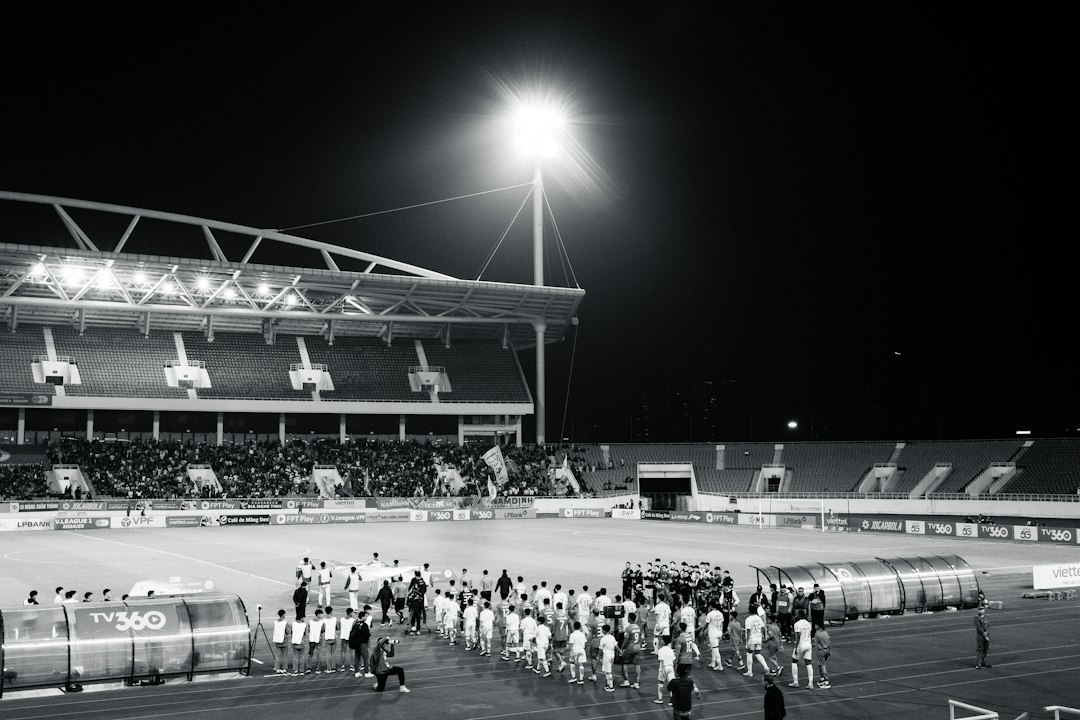


It's the last week of December, and the year-end posts are everywhere. Best moments. Biggest wins. Goals crushed. You scroll with a half-smile, and then your mind slips somewhere else entirely: a field, a gym, a rink, a diamond. Lights buzzing overhead. Cleats or sneakers or skates in your hand. Your name stitched across your back.
That drift is not random. If you've ever gone looking for a year end reflection athlete exercise, you already sense why. The moments that shaped you most may not have happened in the last twelve months at all. They may have happened twenty years ago, on a Friday night, in front of a few hundred people who knew your number.
This article takes that drift seriously. Not as nostalgia to be embarrassed about, but as a legitimate, useful way to close out a year. We'll cover why former athletes feel this pull in December, how to run a reflection that actually means something, and how to give those memories a place to live in your everyday life.
Why December Pulls You Back to the Field
Year-end is audit season. Calendars flip, people take stock, and the brain starts sorting the past into "what counted" and "what didn't." For most adults, that sorting happens in work terms: promotions, projects, income. Then something odd happens when you let yourself sit with the question long enough.
The answer that surfaces often isn't a quarterly result. It's a feeling.
The Body Remembers What the Calendar Forgets
Athletes train their bodies to hold memory. The way a ball comes off a bat. The cadence of a bus ride to an away game. The specific cold of a locker room floor in November. Those sensations are stored differently than the details of a conference call, and they come back whole, usually when the season changes and the air smells a certain way.
In our experience, the first sign someone is ready for a real reflection is that they stop saying "I used to play" and start saying "I remember the night we..." That shift from résumé language to story language is where the honest material lives.
Why the Memory Feels Bigger Than an Ordinary Memory
Competitive sport stacks four intense experiences into one: physical effort, public performance, belonging to a tight group, and a clear shared goal. Few adult settings offer all four at once. A job might give you one or two. A season gave you every one of them, every week, for months.


That's why the memory doesn't fade like a random Tuesday does. It was built from high-intensity ingredients. When you reflect on it in December, you aren't being sentimental about nothing. You're acknowledging that you once operated at full volume, surrounded by people doing the same.
The Question Most Year-End Lists Never Ask
Standard reflection prompts are fine as far as they go: What did you accomplish? What did you learn? What are you grateful for? But they all anchor you to the current calendar year, and that quietly rules out the biggest chapter many people have lived.
Try a different set of prompts, built for former players:
- What's one moment from your playing days that you could still describe in vivid detail?
- Who stood beside you in the locker room or dugout that you haven't spoken to in over a year?
- What did the version of you in that uniform believe you were capable of?
- What did you give up on a Saturday morning to be there, and would you do it again?
Notice that none of these questions ask you to justify the memory. They ask you to look at it. That's the entire technique.
Reading Your Own Answers
When people work through these prompts, the answers tend to cluster around three themes: effort (what you were willing to do for the team), belonging (the people), and identity (who you were when you wore that number). If your answers lean toward effort, you may be craving something demanding in your current life. If they lean toward belonging, you're probably overdue to reconnect with old teammates. If they lean toward identity, the reflection is telling you that part of you hasn't had a visible home in years.
None of those readings is a problem to fix. They're information about what you value.
A Three-Step Year-End Reflection for Former Athletes
You don't need a retreat or a leather journal. You need about thirty minutes and something to write on.
- Pick the memory, not the stat. Skip the season record. Choose one specific scene: a play, a drive home, a pregame ritual. Write four or five sentences describing it to someone who wasn't there, including one sensory detail you haven't thought about in years.
- Name the person. Identify the one teammate, coach, or family member inseparable from that memory. Write their name down, along with when you last spoke.
- Choose one action before January. Not a resolution. One small, concrete thing: send a message, dig out a box from the garage, pull up an old team photo and actually look at it.
That's the whole process. It works because it moves the memory from a vague warm feeling to a specific scene, a specific person, and a specific next step. Vagueness is where nostalgia evaporates. Specificity is where it becomes something you can use.
What Happened to Dana R.
Dana R., 41, played varsity volleyball in a small Nebraska town where the gym held maybe three hundred people on a good night. She hadn't touched a ball in fifteen years. Last December, after working through a reflection like the one above, she realized the scene she kept returning to wasn't a match point. It was the ten minutes before the first serve, her team in a tight huddle, her number 7 jersey damp from warmups.
She tracked down one of her old teammates online and sent a short message. The two of them ended up on a call that ran past midnight, and by January they'd organized a small reunion around another teammate's milestone birthday. "I didn't realize how much of that season I was still carrying around by myself," Dana told us.
Nothing about that story required a trophy or a highlight reel. It required half an hour of taking the memory seriously.
Giving the Memory a Place to Live
Here's where reflection tends to stall. You write the memory down, feel something real, and then the feeling has nowhere to go. It sits in a notebook until next December.
The people who get the most from this practice usually do one more thing: they give the memory a physical anchor in daily life.
Ideas That Work
- A framed photo from one specific game, hung where you'll see it every day instead of boxed in the attic
- A shadow box holding a ticket stub, a game ball, or a medal
- A story told to your kids in scenes, not lectures, about what a typical practice felt like
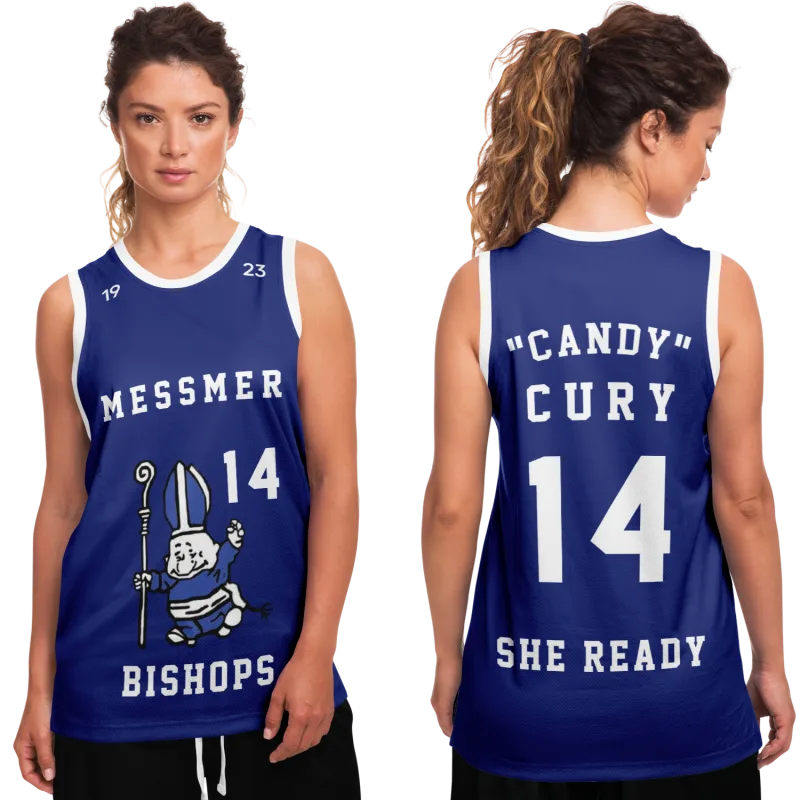
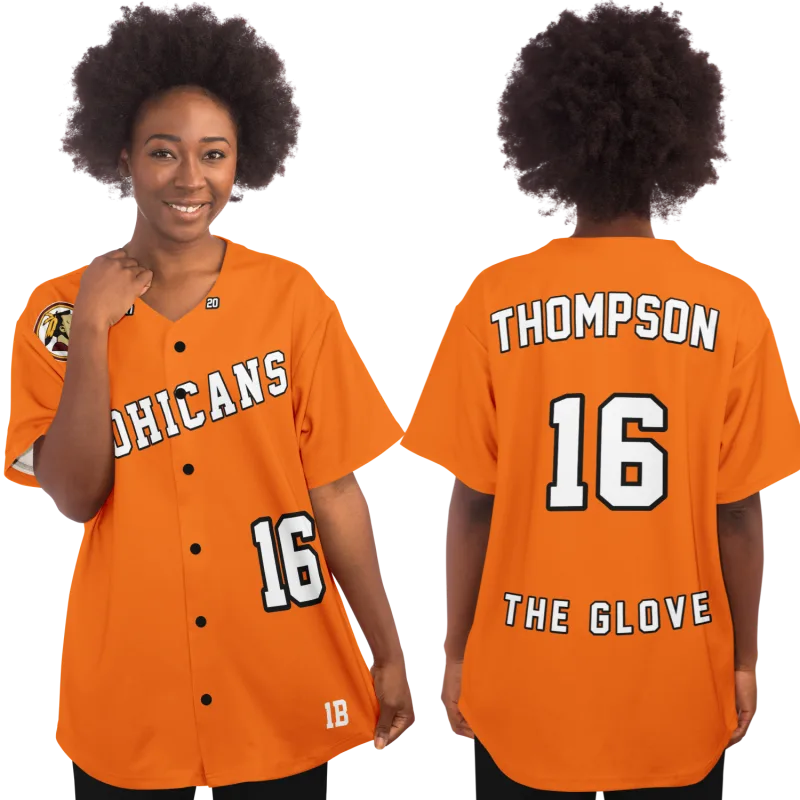
- A jersey with your own name and number on it, the way it looked the year you wore it
That last one deserves a moment. A jersey is unusual among keepsakes because it's both a memory object and something you can put on. A trophy sits on a shelf. A jersey can be worn to a reunion, framed in a home office, or handed to a son or daughter who wants to know what number you wore. And plenty of former players no longer own their original, because it was returned at season's end, lost in a move, or simply didn't survive the decades.
If you're weighing whether a rebuilt jersey can feel true to your own history, read up on how to design a jersey that honors your playing days. The details that matter most are small: the lettering style of your era, the exact number, the way your name appeared across your back.
A Note on Authenticity
One thing we say often: a custom jersey made for your own memory is a tribute to your own team, not a stand-in for anything a pro franchise or fashion label produces. Licensed team apparel is made for fans of those teams. It isn't made for the version of you who wore your own high school or club colors. The point of a custom piece is that it's inspired by your history, with your number and your team name, and none of the corporate trappings that belong to someone else's story.
Why This Kind of Reflection Is Good for You Right Now
There's a practical case for all of this beyond the warm feeling. Researchers have studied how autobiographical memory supports well-being for decades, and the American Psychological Association has highlighted nostalgia as a resource that can increase social connection and a sense of meaning rather than a sign of dissatisfaction with the present. In plain terms: remembering your playing days on purpose tends to leave people feeling more connected, not more stuck.
That matches what we hear from readers. The ones who lean into the memory rarely describe wanting to go back. They describe feeling steadier about where they are, because they've reminded themselves they were capable of something big once, and that capability didn't disappear when the season ended.
The Present-Tense Payoff
Done well, a reflection like this produces three results you can feel this week:
- A renewed sense of identity beyond your job title
- A reason to contact people who matter to you
- A small, tangible reminder of your history in your living space
That's a strong return for thirty minutes in the last week of the year.
Sharing It With Your Family
If you have kids, this may be the most meaningful version of the exercise. Children tend to see their parents as having always been exactly as they are now: adult, busy, a little tired. Showing them a photo from your playing days and telling one specific story, a scene rather than a highlight, changes that picture in a lasting way.
A few approaches that work:
- Tell it at the table, not as a lecture. Pick one scene and give it sensory detail. Let them ask questions.
- Let them hold something. An old game ball, a cleat, a team photo. Kids connect to objects faster than to descriptions.
- Ask what they'd want to remember about their own year. It turns a monologue into an exchange.
- Keep it short. Ten minutes of a real story beats an hour of a lecture on what sports taught you.
Marcus T., 52, played shortstop in a competitive summer league through his twenties. His daughter asked to bring his old jersey to a school "family heroes" day, and he realized he no longer had it. That request finally pushed him to have a new one made with his old number and the league name on it. He wore a matching shirt to her presentation. "It's the first time she's seen me as someone who was good at something besides my job," he said.
Common Mistakes When Reflecting on Your Playing Days
Not every look backward lands well. A few patterns turn a good exercise sour:
- Comparing then to now. Measuring your current fitness or status against your twenty-year-old self is a fast route to feeling worse. The reflection is about what the experience meant, not whether you could still do it.
- Skipping the hard parts. The injury, the benching, the lost final game are part of the story. Leaving them out makes the memory flat. Including them makes the good parts land harder.
- Doing it alone when others were involved. Your memories are shared property with the people who were there. The most rewarding reflections end with a message to one of them.
Avoid those three and you'll get far more out of the exercise.
Your jersey is still out there waiting.
Design yours in minutes and see your name and number exactly the way you remember it.
Frequently Asked Questions
What is a year end reflection for an athlete?
A year end reflection for an athlete is a short, intentional look back that includes your playing days, not just the last twelve months. Instead of only listing recent accomplishments, you choose one specific memory from your competitive years, identify who shared it with you, and decide on one small action that honors it before the new year begins.
Is it unhealthy to keep thinking about my playing days?
Generally no. Reflecting on meaningful past experiences is a common and often beneficial habit, and the research on nostalgia suggests it tends to strengthen feelings of connection and purpose. It's only worth examining if it consistently leaves you feeling worse about your present life. If that's the case, talking it through with a counselor or trusted friend can help.
How long should a year-end reflection take?
Thirty minutes is enough for most people. Spend ten minutes writing the memory, ten naming the person tied to it, and ten deciding on one action. Longer sessions are fine, but a short, focused one usually produces clearer results than an open-ended afternoon of scrolling through old photos.
What if I don't have my old jersey or any memorabilia left?
Plenty of former players don't. Uniforms are often returned at season's end or lost over years of moving. You can rebuild a keepsake from memory: a custom jersey with your name, number, and team name, a framed team photo, or a written account of a specific game. The memory is the valuable part; the object just gives it a home.
How can I reconnect with old teammates as part of this?
Start small. Send one short message that references a specific shared memory rather than a generic "how have you been." Specific references get replies. From there, a call or casual meetup is a natural next step, and many former teams find that one person reaching out is all it takes to restart the group.
Can I involve my kids in my year end reflection?
Yes, and it's often the most rewarding part. Tell one story in scene form rather than as a lecture, let them handle an old object if you have one, and invite them to share what they'd want to remember from their own year. It turns a private reflection into a shared family moment.
See also: why high school sports memories carry so much weight for adults | what playing under the lights actually felt like | why your senior season memories are so vivid | what high school sports taught you that nothing else could | how athletic identity stays with you after high school