

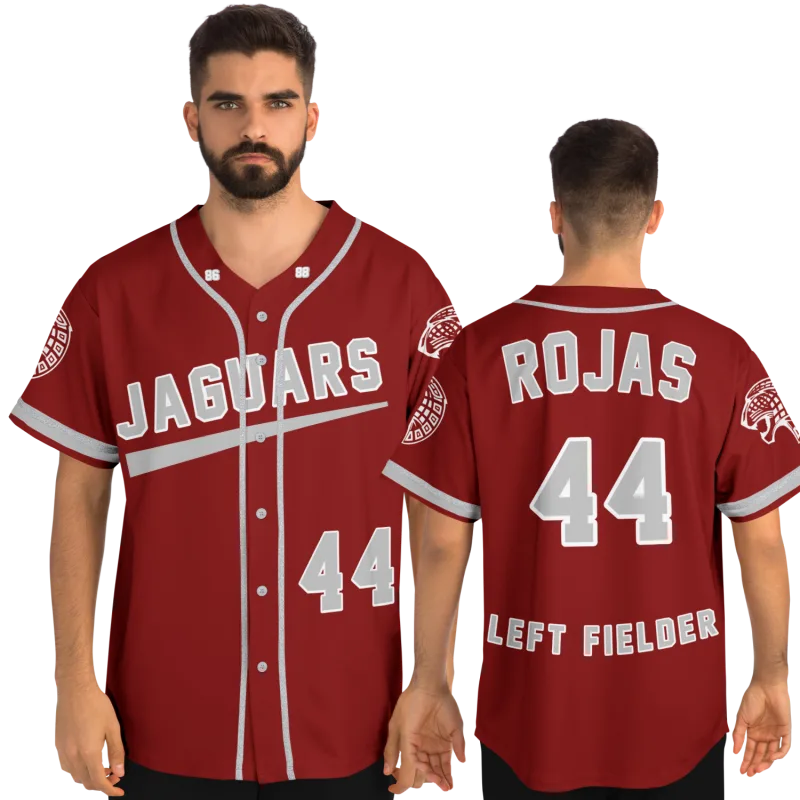
There's a moment every former athlete knows. Someone asks what sport you played — and before you even say the sport, you say the position.
Not "I played baseball." Not "I played volleyball." You say "I was a catcher" or "I was a setter" — and something in the way you say it tells the other person who they're dealing with.
That's not an accident. The connection between sports position personality and athlete identity runs deeper than most people stop to consider. Your position was more than a spot on the field or a role on the court. It was a declaration of how your mind works, how you process pressure, and what kind of person you are when the game is on the line. The position found you as much as you found it — and it's been shaping how you operate in every room you've walked into since.
This piece is for the former athlete who still thinks in those terms. Who still, at some level, sees the world through the lens of the position they played.
The Position Chose You — Not the Other Way Around
Ask any coach who has run a youth program for more than a decade and they'll tell you the same thing: you can teach almost any skill, but you cannot teach a kid to be a certain type of player. Some kids gravitate toward the ball. Some gravitate toward the space behind it. Some want to control things. Some want to react to things. Some need to be the first to touch it. Some prefer to be the last.
Coaches learn to watch for these tendencies early. Not because they're looking for talent — but because they're looking for fit. The right player in the right position doesn't just perform better. They become more themselves. They settle in. The position becomes an extension of how they already thought.
This is why the link between athlete personality and position is so consistent across sports, eras, and levels of play. You can find former quarterbacks, setters, and catchers who grew up in entirely different circumstances, played for entirely different programs, and have entirely different career trajectories — and they will still describe themselves in remarkably similar terms when asked how they operate under pressure. The position is a filter. It selects for something real.
In my experience as a former player, the personalities that cluster around specific positions follow real patterns. And patterns, unlike stereotypes, hold up under scrutiny.
What the Control Positions Say About You
Quarterback / Point Guard / Setter
These are the architects. The positions that require you to hold the entire system in your head simultaneously — while your body is executing something physically demanding, while other people are moving around you, while the clock is running.
If you played one of these positions, you learned something most people never fully internalize: your job is to make everyone else right. The quarterback's read isn't about finding where to throw the ball. It's about finding the receiver who is in the position to succeed. The point guard's distribution isn't about getting their own shot. It's about creating the shot that the rest of the offense is already moving toward. The setter's touch isn't about the ball — it's about the hitter, about giving them exactly what they need in the right moment.
This produces a specific kind of person. Former quarterbacks, point guards, and setters tend to walk into complex situations and immediately start mapping them. Where are the moving parts? Who needs what? What sequence of decisions produces the best collective outcome? They are often the person in the meeting who has already war-gamed three possible responses before anyone else has finished reading the agenda.
They also carry a specific burden: the need to be right. Not because of ego — though that can be part of it — but because their entire athletic identity was built around the premise that their decisions determined outcomes. A bad read, a poor set, a mistimed pass didn't just affect their performance. It affected everyone. Former control-position athletes carry that accountability wiring into everything they do. They tend to over-prepare. They are rarely surprised. They have thought about what you're about to say before you say it.
The flip side of this is a difficulty letting go. Control-position athletes can struggle to delegate because somewhere in their nervous system, delegation still feels like abdication. The habit of keeping every option in their own hands was, for years, what separated good outcomes from bad ones. Unlearning that, in a context where collaboration rather than individual performance is the point, takes real, deliberate effort.
Catcher / Libero / Defensive Midfielder
Here's a specific personality type that doesn't get enough credit: the player who organizes everyone facing away from them.
The catcher sees the entire field. Every pitch. Every runner. Every fielder's positioning. They are the only player on the diamond whose vision encompasses the whole game — and they spend every moment of it crouching behind the plate, essentially invisible to the crowd. The libero, introduced to volleyball specifically to anchor the defensive system, is often the most technically disciplined player on the floor and one of the least celebrated. The defensive midfielder in soccer covers more ground, wins more balls, and makes more decisions per match than almost anyone — and rarely appears on the highlight reel.
If you played one of these positions, you understand a particular kind of satisfaction that control-position athletes sometimes don't: the satisfaction of the thing that didn't happen. The run that was thrown out. The kill that was dug. The counter-attack that was snuffed before it developed. Your contribution was defined by absence — the absence of damage, the absence of breakdown, the absence of the catastrophe that your presence prevented.
This shapes a specific kind of professional and personal temperament. Former catchers, liberos, and defensive midfielders tend to be the person who has already spotted the problem before anyone else admits there is one. They are comfortable with complexity and ambiguity. They are not easily rattled because their entire athletic experience was built around absorbing chaos and converting it into order.
They are also frequently underestimated — which they are fine with, because their position taught them that the people doing the estimating are usually watching the wrong thing.
What the Execution Positions Say About You
Wide Receiver / Outside Hitter / Striker
If you played one of these positions, your relationship with pressure is fundamentally different from the control positions — and it's worth understanding why.
The control-position athlete manages pressure through preparation and process. The execution-position athlete manages pressure through moment. The wide receiver running a route doesn't have the luxury of the quarterback's pre-snap read. The outside hitter gets the set and has a fraction of a second to choose a shot. The striker receives the ball in space with a defender closing and makes a decision in real time with no margin.
This produces athletes — and former athletes — who are exceptionally comfortable with high-stakes, low-information moments. They don't need the full picture to act. They have trained themselves to act well with incomplete information, under time pressure, with consequences attached. In a boardroom, in a negotiation, in a moment of personal crisis, this is a profound asset.
Marcus T., 34, played outside hitter for his college volleyball team and now manages a team of 11 in supply chain logistics. He describes his decision-making style as "set-and-swing" — he gathers what he can, commits fully, and adjusts after. His former teammates would recognize that immediately.
The challenge for execution-position athletes is patience. Sustained process, long timelines, and situations where the decisive moment is weeks away can feel uncomfortable. They are built for the burst, the release, the conclusion. The waiting is the hard part.
Center / Middle Blocker / Center Back
These are the anchors. The positions that require you to be physically present in the most contested space on the field, court, or ice — and to hold your ground there, repeatedly, without fanfare.
Centers in basketball take charges and set screens. Middle blockers face the fastest balls in the game and use their bodies as walls. Center backs in soccer throw themselves in front of shots and clear headers from corners. These are not glamorous jobs. They are necessary ones.
Former anchor-position athletes tend to be extraordinarily dependable under pressure — not because they are immune to it, but because they have been trained to absorb impact without breaking. They are the person who, when something goes wrong, is already steadied and already working the problem while others are still reacting.
They are also, characteristically, the last to complain. Their position trained them that the job is to be there, to absorb, and to hold. They carry that into everything.
What the Specialist Positions Say About You
Kicker / Pinch Hitter / Penalty Taker
These are arguably the loneliest positions in sport. You practice with the team, you travel with the team, you prepare with the team — and then, in the moment that defines the outcome, you are completely alone. The stadium is loud. Everyone is watching. There is one action to perform, and you either perform it or you don't.
If this was your role, you know something about yourself that other athletes don't learn the same way: you know exactly how you respond when everything is on you and there is nowhere to hide.
Some athletes seek this. Some athletes, if they're honest, weren't sure they sought it until they found themselves in it and discovered they were built for it. Either way, the experience of being the specialist, the closer, the person called on specifically for the high-pressure moment, leaves a mark. Former specialist-position athletes are rarely afraid of visibility. They tend to be calm in the situations that make other people come apart.
The challenge is finding purpose in ordinary moments. When your entire athletic identity was built around the exceptional moment, the routine can feel insufficient. Former kickers and penalty takers sometimes have to actively build appreciation for the day-to-day, because their training taught them that only the decisive moment counts.
The Position You Played Is Still Playing You
Here's the part that most position-personality conversations miss: the position didn't just shape how you performed. It shaped how you learned to receive feedback, how you respond to authority, and what kind of teammate you naturally become.
Every former athlete remembers the first time a coach moved them to a different position — even temporarily — and felt immediately, physically, like something was wrong. Not wrong with the position. Wrong with themselves in it. The dissonance of being out of position goes deeper than tactics. It's identity.
This is because the position trains your nervous system over years of repetition. The catcher's habit of reading what's coming before it arrives. The setter's automatic scan of where everyone is. The wide receiver's instinctive acceleration toward the ball the moment it leaves the quarterback's hand. These patterns don't stop operating when the season ends. They migrate into every complex situation you encounter afterward.
Ask yourself this: when you walk into a difficult meeting, do you immediately start organizing the people in it, or do you immediately start reading the field for where the ball is going to go? When a project is falling apart, do you hold your ground and absorb, or do you remap the sequence and redistribute? When everything is on the line, do you need to be the one who makes the final decision, or are you most effective when you've set someone else up to make it perfectly?
Your answer is probably the answer your position already gave, years ago.
Quick Reference: What Each Position Says About You
If you scrolled straight here looking for one position, this table is your shortcut. Find your spot, then read the role type beside it — that group is the pattern the rest of this piece unpacks in detail. The signature is shorthand, not the whole story.
| Position | Role type | What it says about you |
|---|---|---|
| Setter | Control architect | Makes everyone else right by reading the whole court and giving the hitter what they need in the right moment. |
| Point guard | Control architect | Creates the shot the rest of the offense is already moving toward; maps moving parts before acting. |
| Quarterback | Control architect | Holds the whole system in his head and war-games responses before anyone else finishes the agenda. |
| Catcher | Organizing defender | Reads what's coming before it arrives; sees the entire game from behind the plate. |
| Libero | Organizing defender | Anchors the defensive system; finds satisfaction in the kill that was dug. |
| Defensive midfielder | Organizing defender | Wins balls and makes decisions all match, rarely on the highlight reel. |
| Wide receiver | Execution / moment | Accelerates the instant the ball leaves the quarterback's hand; built for the burst. |
| Outside hitter | Execution / moment | Chooses a shot in a fraction of a second; commits fully and adjusts after. |
| Striker | Execution / moment | Decides in real time with a defender closing; calm in low-information moments. |
| Center | Anchor | Takes charges and sets screens; absorbs impact without breaking and is last to complain. |
| Middle blocker | Anchor | Uses his body as a wall against the fastest balls; steadies and works the problem. |
| Center back | Anchor | Throws himself in front of shots and holds ground in the most contested space. |
| Kicker | Specialist | Alone with one action while everyone watches; calm where others come apart. |
| Pinch hitter | Specialist | Called on for the high-pressure moment; rarely afraid of visibility. |
| Penalty taker | Specialist | Knows how he responds when everything is on him and there's nowhere to hide. |
Wherever you land in the table, that position kept working on you long after the final whistle — which is the whole argument that the sport you played shaped the adult you became.
Your jersey is still out there waiting.
Design yours in minutes and see your name and number exactly the way you remember it.
Frequently Asked Questions
Can my sports position personality change if I played multiple positions?
Yes — and it's one of the most interesting cases. Athletes who played multiple positions often describe a hybrid identity: the natural instincts of one position layered with the learned instincts of another. A player who moved from point guard to shooting guard mid-career often retains the court-vision habits of a distributor while developing the execution comfort of a scorer. In my experience as a former player, the position you played longest at your highest level tends to be the dominant one — but the secondary position leaves a real mark on how you adapt when your default approach isn't available.
Are these position personalities specific to competitive athletes, or do recreational players develop them too?
The pattern holds at recreational levels, though less sharply. The mechanism is repetition over time: the more seasons you spent in a position, the more deeply those decision-making habits are reinforced. A casual player who tried various positions without deep commitment to one will have a less defined position identity than someone who played the same spot for a decade. That said, even recreational athletes who played one position consistently for several years tend to recognize themselves strongly in the descriptions of that position's personality.
Does the sport itself change what a position says about your personality, or is it mostly the role type that matters?
The role type matters more than the sport. The control-position personality of a quarterback and a setter are more similar to each other than the quarterback is to his own wide receivers. What the position requires of your cognitive and emotional processing — manage the system versus execute within the system, absorb versus attack, organize versus react — is what shapes the personality pattern. The specific sport adds flavor and context, but the underlying role type is the primary driver. This is why former athletes who move from one sport to another at a high level almost always gravitate toward the same positional role type in the new sport.
What if I was moved to a position I didn't choose and didn't like?
This comes up more than people acknowledge. Coaches move players for tactical reasons that have nothing to do with the player's natural identity — and some athletes spend seasons performing well in a position that never felt like home. In those cases, the position still trains you, but the training often produces a specific awareness of the gap between what the role required and what you naturally are. Former athletes who were "out of position" by assignment often have unusually sophisticated self-knowledge because they spent years distinguishing between "what this role needs" and "what I actually am." That dissonance, worked through over time, tends to produce people who are both adaptable and exceptionally clear about what they value in how they operate.
See also: athletic identity that doesn't disappear after high school | what high school sports actually taught you about yourself | why those memories from your playing days hit so differently