


You remember the first time you saw one hanging from the rafters. A single banner, a single number, a name in block letters, and a gym that somehow got quieter when you looked up at it.
Nobody explained it to you. You just understood that something permanent had happened up there. That is the heart of jersey number retired sports meaning: a team looks at a number, looks at the person who wore it, and decides that no one will ever wear it again. The number leaves circulation. It stops being equipment and becomes memory.
If you played, you probably have a number of your own that you still can't shake. Maybe it was 22, assigned by a coach who never asked what you wanted. Maybe it was 7 because your older brother wore it first. Maybe you fought for it. Either way, you know what a number feels like once it's been on your back for a few hundred games and practices. So the question of what it means when a team retires one lands differently for you than it does for a casual fan.
This guide explains the meaning, the mechanics, and the emotion behind number retirement. It also covers a question that sits underneath all of it: what does your own number mean now that your playing days are over?
What "Retiring a Jersey" Actually Means
At its simplest, retiring a jersey number means a team permanently stops issuing that number to any new player. The number is taken out of circulation. No rookie will be handed it at equipment day. No walk-on will pick it from a bin. It is finished.
That's the mechanical definition. The functional meaning is bigger.
When a number is retired, the team is declaring that the person who wore it left a mark so deep that handing the number to someone else would feel like erasing something. The number becomes a monument. It is usually honored with a ceremony, a banner or plaque, and a permanent place in the building where fans can see it every game.

Three things happen at once when a number is retired:
- The number is removed from active use. The equipment room can no longer assign it.
- The player is honored in a visible, permanent way. Banners, plaques, or stitched patches keep the name and number in public view.
- The number becomes shorthand. Say "23" or "42" or "99" in the right room and everyone knows exactly who you mean, with no name required.
That third point is the one former athletes tend to feel in their chest. A retired number turns into a language.
The Difference Between Retired, Restricted, and Unofficially Reserved
Not every protected number is formally retired, and the distinctions matter if you've ever wondered why a certain number "just doesn't get worn" on a team.
- Retired: Officially removed from circulation by the organization, usually with a ceremony. Permanent.
- Restricted or "honored": Some programs keep a number available but only grant it to a player who has earned it through leadership or performance, passing it on like a title rather than a uniform.
- Unofficially reserved: Common in high school and club sports. A coach or team culture simply never reassigns a number after a beloved player graduates, with no paperwork and no banner.
In our experience talking with former athletes, the unofficial version is the one that gets people emotional, because it happened in the places where most of us actually played. Few of us had arenas. We had a gym with a hand-painted banner and a coach who said, "Nobody wears 14 anymore." That counted.
Where the Tradition Comes From
Number retirement is a surprisingly modern ritual, and its history shows why it carries so much weight.
The earliest widely cited example in professional sports is the Toronto Maple Leafs retiring Ace Bailey's number 6 in 1934, after a career-ending injury. It was an unusual gesture then: a team protecting a number, not just honoring a player on his way out. According to the Hockey Hall of Fame, that moment is generally recognized as the first number retirement in major professional sports, and it set a template that spread across leagues and levels over the following decades.
What started as a response to a single devastating moment became a standard way to say that some contributions can't be replaced. The ritual grew in all directions:
- Teams began retiring numbers for championship careers, not just tragedies.
- Colleges and high schools adopted the tradition for their own legends.
- Some leagues retired a number across every team to honor a figure whose impact went beyond one franchise.
That last category is the rarest and the most powerful. When an entire league removes a number from use, it signals that the person's significance wasn't contained by any single jersey, logo, or city. It belongs to the sport itself.
What a Retired Number Says About the Person Who Wore It
The criteria for retirement vary from team to team, which is part of why the honor feels personal rather than bureaucratic. Some organizations have formal standards. Others decide case by case.
Common reasons a number gets retired include:
- Sustained excellence over a career, often tied to championships, records, or defining performances
- Franchise-altering impact, a player who changed what the team was
- Tragedy or loss, where retiring the number honors a life cut short
- Leadership and character, the teammate everyone points to when they describe what a player should be
- Service beyond playing, such as coaches, trainers, or builders of a program
Notice how many of those aren't about statistics. A retired number is almost never a pure performance award. It's a statement about who someone was inside the building. That's why you'll sometimes see a role player or a coach honored next to a record-holder. The team is saying: this person made us who we were.
The Part Only a Former Athlete Really Gets
If you played, you know this: your number was never just a number.
Think about the first time someone handed you a jersey. Before you looked at the logo, the fabric, or the fit, you looked at the number. Some part of you was already deciding who that number was going to be. Whether you got your first choice or the leftover nobody wanted, that number started absorbing meaning the moment you put it on.
Every former athlete remembers the small rituals. The way you'd touch the number before a game. How you could pick your own digits out of a crowd of identical jerseys from across a field. The way teammates and opponents started calling you by your number before they learned your name. Months or years later, you'd see that same number on a stranger and feel a flicker of recognition that had nothing to do with them.
A retired number takes that private feeling and makes it public. It says that what you feel about your number, a team can feel about someone's. The banner in the rafters is the whole locker room's version of touching the digits before the opening whistle.
Why the Ritual Works Even If You're Not the One Being Honored
You don't need a banner to understand it. Every player carries a tiny version of retirement.
Your number is retired in the only way that really matters, which is that it's yours in memory. When you hear it called, when you see it on a pregame warmup, when a younger player on your old team picks up a number you wore, something stirs. Nobody had to pass a resolution. The feeling is its own ceremony.
That's the real answer to what jersey retirement means. It formalizes something every athlete already knows: some numbers can't be separated from the people who wore them.
A Story From a Real Locker Room
Denise M., 34, played point guard through high school and two years of club ball. Her number was 11, picked because it was open when she showed up late to her first practice as a freshman. She never thought much about it until her senior year, when a teammate two grades below her asked, quietly, if she could wear it after Denise graduated.
"I almost said no," Denise told us. "Then I realized she wasn't asking for a piece of fabric. She was asking to carry something forward." Denise said yes, and then asked the coach if the team could skip the formal handoff. Instead she gave the younger player her old warmup shirt with the 11 on it. Years later, Denise says, she still thinks about that moment more than any game she won.
Her story shows the quiet flip side of retirement. Some numbers are retired and removed. Others are passed down like heirlooms. Both traditions come from the same instinct: a number can hold something worth protecting.
How Teams Honor a Retired Number
The ceremony itself is part of the meaning. Once a decision is made, teams tend to follow a familiar pattern of tribute.
The Banner and the Rafters
The most recognizable honor is the banner hung in the arena or stadium. It stays in public view permanently, so every future player and fan sees it. Some teams include the player's name, career years, and a short inscription. Others keep it to just the number and the name.
The Ceremony
Retirement ceremonies often include family, former teammates, and the honored person speaking. The moment when the banner is raised or unveiled is deliberately slow. Teams understand that the ritual is as much for the crowd as for the honoree.
The Patch or Uniform Mark
Some programs keep the number alive visibly by stitching a patch onto current uniforms or marking the field or court. It's a constant, quiet reminder worn by everyone on the roster.
Digital and Printed Legacy
Modern teams also preserve retired numbers in media guides, team halls of fame, and online archives, so a number's meaning doesn't fade when the building changes or the roster turns over.
Retired Numbers at Every Level
You don't need a professional career to see this tradition. It runs through every level of sport.
- Professional leagues use retirement for franchise icons and, in rare cases, for league-wide honors.
- Colleges often retire numbers for All-Americans, program builders, and players whose stories became part of campus lore.
- High schools frequently retire or informally reserve numbers for graduating seniors who led the team, or for students lost too soon.
- Youth and rec leagues sometimes honor a beloved coach or teammate by quietly taking a number off the roster.
In our experience, the smaller the setting, the heavier the feeling. A banner in a pro arena honors a career. A hand-lettered number on a high school gym wall honors a person that everyone in the room personally knew.
What Retired Numbers Teach Us About Our Own
Here's the part that rarely gets said out loud. The ritual of retirement is really a ritual about how much a number can hold, and it applies to you too.
You may never have a banner. But you almost certainly have a number that carries a specific stretch of your life: the friendships, the early mornings, the version of you who showed up and gave everything to a game. That's worth honoring in its own way.
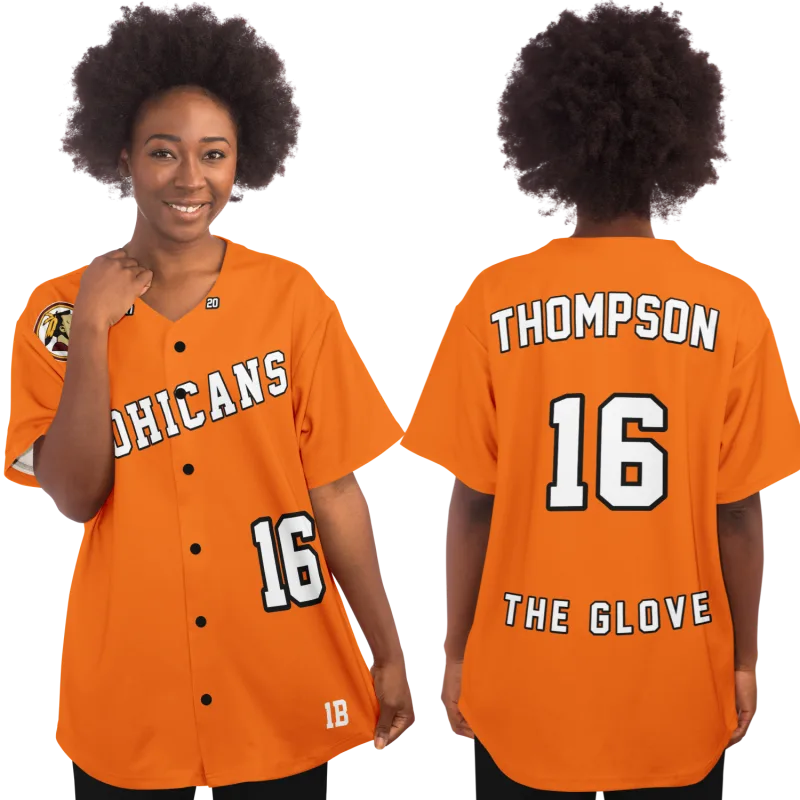
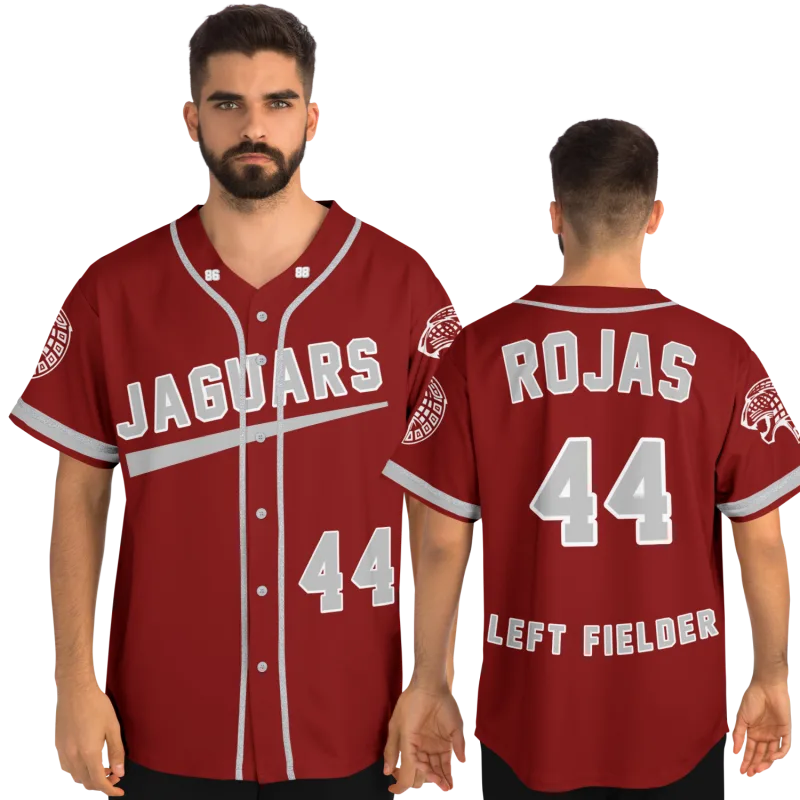
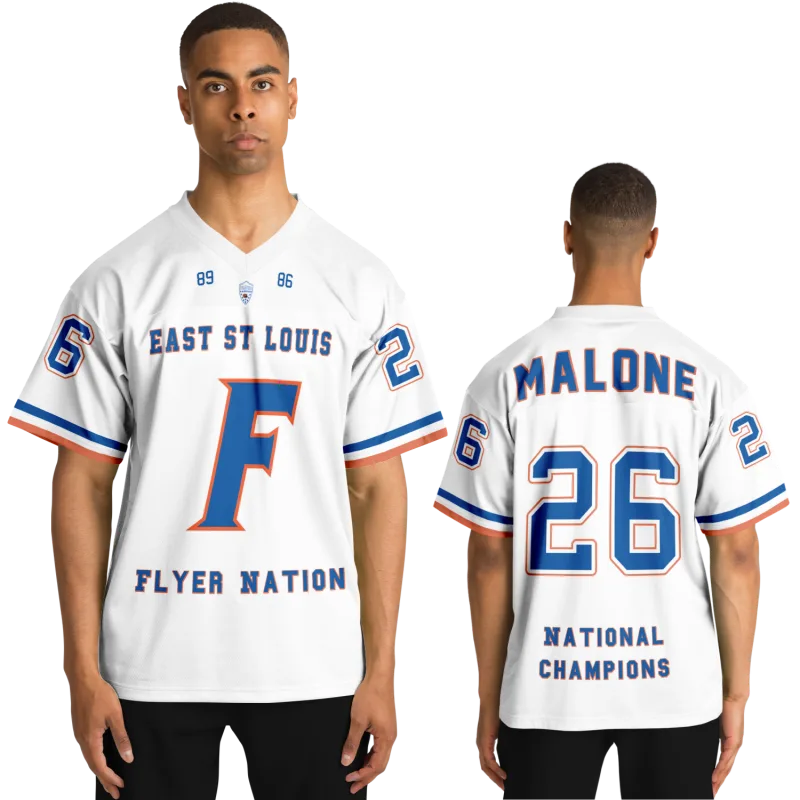
Some former athletes choose to do exactly that. They frame an old jersey. They hang it in a den or a garage. They pass a number to a kid, a niece, a nephew. Others recreate the jersey they wore, because the original is long gone or no longer fits the person they've become. The instinct is the same one that makes a team retire a number: preserve the thing that mattered.
Three Simple Ways to Honor Your Own Number
- Write down what the number meant. Who gave it to you, why you wore it, a game you'll never forget. Five sentences is enough.
- Put it somewhere you'll see it. Whether that's a framed jersey, a printed shirt, or a name and number you can wear again, keep it visible.
- Tell someone the story. Pass the number's meaning to a teammate, a child, or a friend. Stories are how numbers survive.
None of this requires a ceremony. It only requires treating your number the way a team treats a retired one: as something that belongs to a specific person and a specific time.
Common Misunderstandings About Number Retirement
A few questions come up constantly, and the answers help clarify the whole tradition.
"Does retiring a number mean the player quit or retired?" Not at all. Number retirement honors a player's legacy and is often awarded long after their playing days end. A player can be honored years or decades after leaving the sport.
"Can a retired number ever come back?" Rarely, and usually only with the honoree's blessing. In some cases, a family or the honored person has asked that a number be worn again, but the default is permanence.
"Is retiring a number the same as a hall of fame induction?" They're related but separate. A hall of fame honors a career within a sport's entire history. Number retirement is a single organization saying, "this belongs to us, and no one else will wear it."
"Do all teams retire numbers the same way?" No. Criteria, ceremonies, and traditions vary widely, which is part of why each retired number feels like its own story.
Why the Meaning Never Fades
There's a reason retired numbers still stop a room cold decades after the player left. The banner doesn't age the way a trophy does. It keeps asking a quiet question of everyone who sees it: what will you leave behind?
For current players, that's a challenge. For fans, it's a link to memory. For former athletes, it's something closer to recognition, a reminder that the love you had for a sport and a team and a number was real and that other people feel it too.
Your number may not hang from any rafters. That doesn't make it less yours.
Your jersey is still out there waiting.
Design yours in minutes and see your name and number exactly the way you remember it.
Frequently Asked Questions
What does retiring a jersey mean?
Retiring a jersey means a team permanently stops issuing a specific number to any player, usually to honor someone whose impact on the team or sport was too significant to hand off. The number is taken out of circulation and typically commemorated with a banner, plaque, or ceremony so it stays visible to fans and future players.
What does it mean when a jersey is retired?
When a jersey is retired, the number attached to it becomes permanently associated with one person or contribution. No new player will wear it, and the organization recognizes that person's legacy as irreplaceable. The retirement can honor performance, leadership, tragedy, or service to the program.
Do jersey numbers mean anything?
Yes, in several ways. In some sports, numbers historically signal positions, such as certain digit ranges for linemen, receivers, or goalies. Beyond position, numbers carry personal meaning: a family tie, a hero's number, a lucky pick, or simply the one a coach assigned. Over time, a number becomes tied to the identity and memories of whoever wore it.
What do jersey numbers mean in football?
In football, number ranges often correspond to positions, with certain ranges conventionally used for quarterbacks, running backs, receivers, linemen, and defensive players. Rules vary by league and level. The numbers also help officials and teammates identify players quickly, but players commonly attach personal significance to their numbers as well.
What does jersey number retirement mean for a team's culture?
Number retirement shapes how a team understands its own history. A retired number becomes a standard that current players measure themselves against and a story that gets told to every new generation. It anchors a team's identity in the people who built it.
Can a high school or youth team retire a number?
Absolutely. Many schools and youth programs retire numbers to honor a standout player, a beloved coach, or a student the community lost. These informal retirements often carry the deepest emotion because everyone in the room knew the person personally.
How can I honor my own jersey number?
You can frame an old jersey, write down the story behind your number, pass it to a younger player or family member, or recreate the jersey with your name and number so you can wear it again. The goal is the same one teams have when they retire a number: keep something meaningful visible and remembered.
See also: what a custom jersey with your number really represents | why your number becomes part of your athletic identity | ceremonies like Senior Night | display your old jersey in a custom shadow box | custom jerseys with your own name and number