

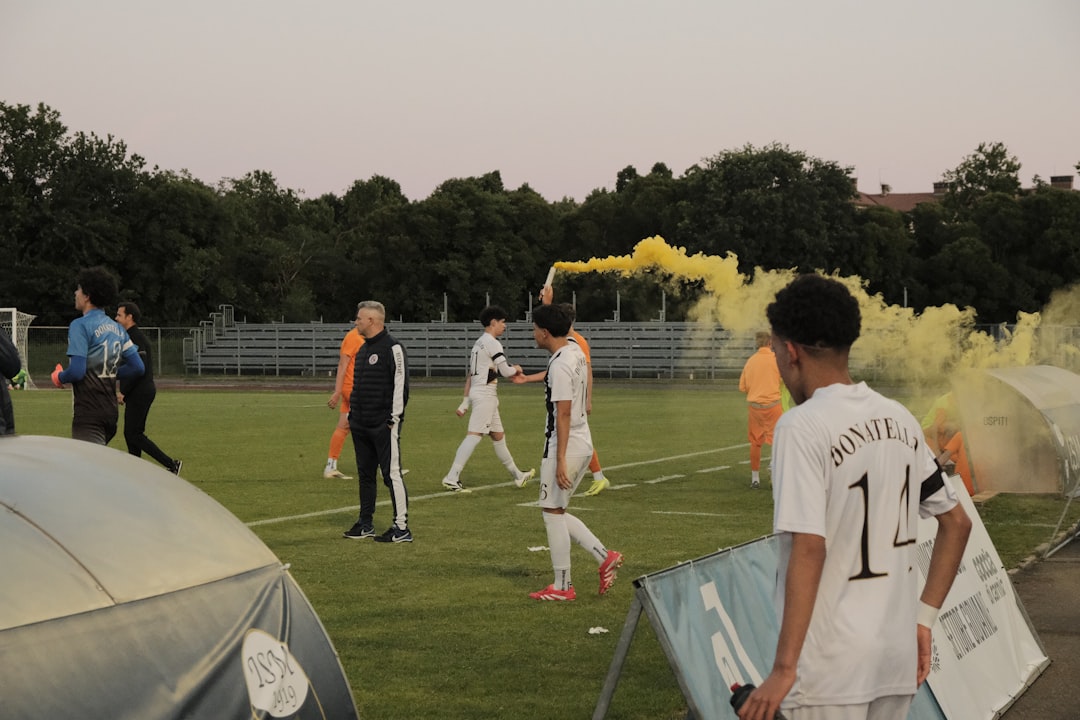



There is a specific moment at every high school team reunion where the room shifts.
Someone pulls out a photo, maybe a game program, maybe a screenshot from the local paper, and suddenly the noise drops. People crowd in. Somebody points at a face in the back row. Someone else remembers exactly what happened two plays before that photo was taken, and the whole story spills out at once from three different directions.
That moment doesn't happen by accident. It happens because someone planned a reunion worth showing up for.
If you're searching for high school team reunion ideas right now, you're probably sitting on a group text that's been building momentum for weeks, or you've been the one pushing it forward for months. Either way, you already know the stakes. Get this right, and people are still talking about it at the next one. Get it wrong, and half the team ghosts the next invite.
This guide gives you the full playbook, from locking down the date to the details that make the night feel like the season never ended.
The Real Reason Most Team Reunions Fall Flat
It's not the venue. It's not the food. It's not even the budget.
Most high school team reunion ideas fail at the same point: they're planned like a generic party instead of a team event.
A generic party has people standing around making small talk about their jobs and their kids. A team reunion has people arguing about the fourth quarter of the regional semifinal with the same intensity they had at seventeen. One of those is forgettable. The other one is why people fly back for the weekend.
The difference is specificity. A team reunion works when it's built around the shared experiences that only this group of people had, and no amount of generic event planning advice gets you there. What gets you there is designing the night around the actual story of the team.


Here's how to do exactly that.
Step One: Lock the Date, Then Lock the List
Before any venue, any theme, any reunion activity idea makes sense, you need two things anchored: the date window and the confirmed list.
Why the date window comes first. The biggest threat to reunion attendance isn't lack of interest: it's conflict. Your teammates are now scattered across time zones, managing family calendars and work travel schedules. In my experience as a former player, the dates that pull the best attendance share two characteristics: they land within a few weeks of a homecoming game or a significant anniversary of the original season, and they're announced at least 60 days out.
The homecoming adjacency matters more than people expect. When the original team has a reason to think about those years anyway (because the school is playing, because alumni weekend is happening), the emotional pull is already activated. You're not creating the nostalgia from scratch; you're channeling it.
Building the confirmed list. This is the step that determines everything downstream: venue size, budget, communication format. Work backwards from the roster:
- Start with the roster from the season you're reuniting around.
- Add coaches, trainers, managers, and anyone who was part of the program but not on the active roster.
- Flag who you have direct contact for versus who needs to be tracked down.
- Set a soft RSVP deadline two weeks before your hard planning deadline.
The tracking-down phase is where social media earns its keep. A closed Facebook group or a group text chain seeded by three or four well-connected former teammates will surface contact info faster than anything else. Ask people to forward the invite; most will.
One more thing worth knowing: there is always one teammate everyone asks about by name: the one teammate who pushed you harder than any coach ever did. That person is often the reason people book the flight. Make the extra effort to find them.
Step Two: Choose a Venue That Does Work for You
The venue question trips people up because there are so many options, and the instinct is to default to the most familiar one: a bar, a restaurant back room, someone's backyard.
Those can work. But the venues that produce the best team reunions share a specific characteristic: they either connect directly to the shared experience or they give the group enough space and control to create their own environment.
Back to the school. If you can get access to the gymnasium, the locker room, the field, or even just the parking lot outside the home entrance, do it. There is nothing else that activates the specific sensory memory of being on that team the way the physical space does. The squeak of the same gym floor. The sight lines from the visitors' bleachers. The smell of the field on a fall evening. These are not abstractions. They are immediate, involuntary, and powerful.
Contact the school's athletic department or alumni office well in advance. Many schools will grant access for alumni events, especially if you frame it around celebrating the program. Some charge a nominal fee; most appreciate the alumni engagement.
Private event spaces with full control. When the school isn't available, prioritize spaces where you control the layout, the audio, and the timeline. A rented hall, a brewery private room, a restaurant buyout, or even a large vacation rental property all give you the flexibility to run your own programming — which matters when you're planning team-specific activities rather than a standard cocktail hour.
The backyard or home setup. Underrated for smaller teams. A 22-person roster doesn't need a banquet hall. Somebody's backyard with a projector screen, outdoor seating, and a cooler will outperform a generic venue if the programming is right.
Step Three: Build the Programming Around the Team's Actual Story
This is where high school team reunion ideas either become memorable or become just another party. The programming is the difference.
The alumni game. If there is one programming choice that separates a team reunion from a generic class reunion, it's this one: put the team back on the court, the field, or the ice — even for half an hour. A pickup game or a light scrimmage among former teammates is the single most reliable way to flip the switch from "adults making small talk" back to "teammates." The same people who spent the afternoon discussing jobs and kids are suddenly boxing out, trash-talking, and calling plays the way they did at seventeen.
Book the old space if you can — the gym, the field, or the court where it all happened. Schools will often open it up for a couple of hours on a reunion weekend, especially when you frame it as celebrating the program. Then keep it short and low-contact. Thirty to forty-five minutes, half court or on a shortened field, is plenty. Nobody needs to be walking funny for the next two days, and the forty-year-olds in the group will thank you for the mercy.
Don't overthink the format. A casual "old guys vs. younger guys" half-court game — or offense against defense, or seniors against everyone else — activates the identity swap better than any slideshow, because it happens in the body instead of just the head. The moment someone catches a pass, sets a screen, or makes that first cut, they're not remembering being a teammate. They're being one again.
Lock the coach in early for this one — a coach who commits will pull attendance, and giving them a concrete role (running the scrimmage, reffing it, or blowing the whistle) makes the night feel official. It's the difference between a guest of honor and the band getting back together.
The highlight reel. If any game footage, practice video, or local news coverage exists from that season, find it, compile it, and project it. Even 15 minutes of grainy game tape from a pivotal game will stop every conversation in the room. People will watch plays they haven't thought about in 20 years and immediately remember exactly where they were standing.
Reach out to the school's athletic department, local cable access archives, or former parents who filmed games on camcorders. More footage survived from the late '90s and early 2000s than most people expect.
The stats board. Compile the season stats — wins, losses, individual records, team achievements — and display them. Post them on a wall, put them on a table card, include them in a printed program. Numbers anchor memory in a way that general "remember when" conversation doesn't. Seeing that the team went 11-2 in the regular season and had a specific defensive record brings back the entire arc of that year instantly.
The story corner. Designate a specific physical space — a table with photos, programs, newspaper clippings, and awards — where people can gather to look through physical artifacts from the season. This becomes the gravitational center of the room. People drift there, they linger, and the conversations that happen in front of a photograph of the 1998 championship roster are different from the ones that happen over drinks at a bar table.
Structured but not over-programmed. The mistake is scheduling every minute. The other mistake is scheduling nothing and letting the night drift. The right structure: a specific start activity that brings the group together (a short video, a toast from the coach, a group photo in the old formation), then unstructured time for 90 minutes to two hours, then one more structured moment at the end — a final toast, an award, a announcement of the next reunion date.
The Jersey Moment
Marcus T., 38, helped organize a 20-year reunion for his high school basketball team last spring. He spent three weeks tracking down contact info for 14 former players, booked a private room at a local brewery, and put together a 12-minute highlight reel from footage his mom had recorded on a VHS camcorder.
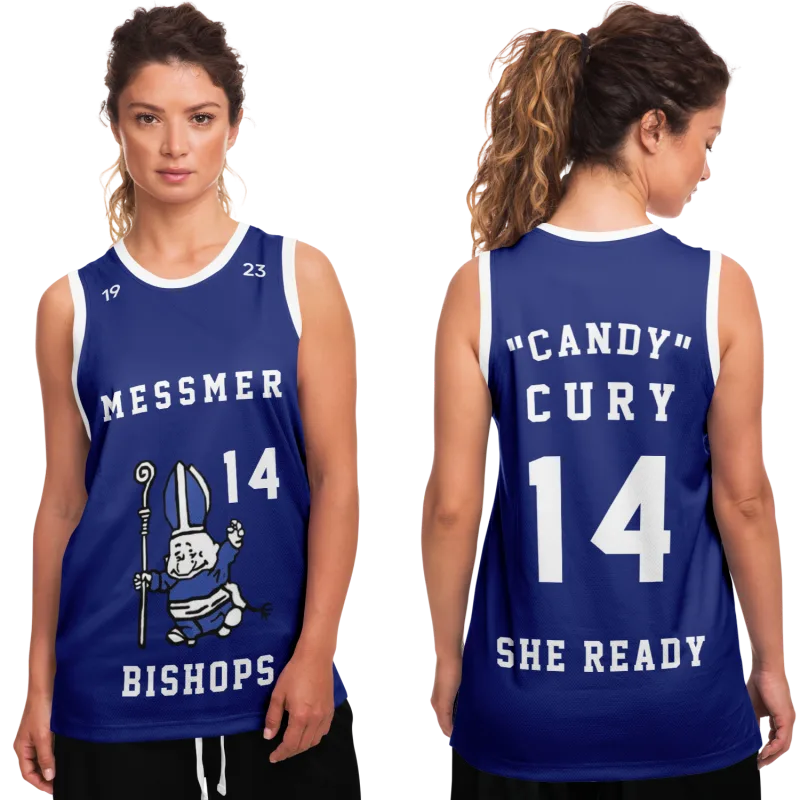
But the detail that people still bring up? He ordered custom jerseys — the same numbers, the same colors, the same school name as the ones they wore in 1995 — and gave one to every player who showed up. By the end of the night, every single person was wearing theirs. Three guys wore them home.
The jerseys did something the highlight reel couldn't do by itself: they put the identity back on people's bodies, literally. They went from adults at a party to teammates again. That's not a small thing.
Step Four: Handle the Logistics Before They Handle You
The moment a reunion starts to feel stressful is usually the same moment: when the logistics aren't handled before the night begins.
Contributions and budget. The cleanest model for team reunions is a flat per-person contribution collected in advance. Platforms like Venmo, Zelle, or a dedicated group payment through an event planning tool (Eventbrite handles this well) make collection straightforward. Set the contribution amount based on actual costs — venue, catering, printed materials, any special items — divided by your expected attendance, with a small buffer for no-shows.
Be transparent about where the money goes. Teammates respond well to a simple breakdown: "$40 covers venue split, food, drinks, and the printed photo booklet." They respond poorly to vague "admission fee" language with no explanation.
Communication cadence. Four touches from announcement to event:
- The initial save-the-date (60+ days out)
- The details confirmation with RSVP deadline (30 days out)
- The week-of logistics reminder (7 days out)
- The day-of final info (start time, parking, what to bring)
That's it. More than four touches and it becomes noise. Fewer than three and people forget.
The no-show reality. In my experience as a former player, the final attendance at a team reunion lands at roughly 60–75% of committed RSVPs. Plan your catering, seating, and printed materials accordingly. Order materials for 80% of RSVPs. Cater for 75%. The math protects you from both waste and shortage.
Making It a Regular Tradition, Not a One-Off
The best team reunions don't close with a vague "we should do this again sometime." They close with a specific next date announced from the room.
Even if the next reunion is five years away, naming it publicly — "We're doing this again in 2030, same weekend as homecoming" — transforms a one-time event into an ongoing institution. People leave with something to look forward to instead of just something to remember.
A few things that make reunion traditions stick:
- Designate a keeper. One person holds the contact list, the photos, and the planning responsibility for the next event. Rotate it if needed, but name that person before the night ends.
- Document the reunion itself. Hire a photographer for two hours, or designate someone with a good phone camera as the official photographer. The photos from this reunion become the artifacts for the next one.
- Create a closed digital space. A private Facebook group, a Discord server, or even a group text keeps the energy alive between reunions. It doesn't need to be active, just accessible when people want to share something.
Your jersey is still out there waiting.
Design yours in minutes and see your name and number exactly the way you remember it.
Frequently Asked Questions
How far in advance should I start planning a high school team reunion?
Start at least 90 days out if you want strong attendance. The 60-to-90-day window gives you time to track down contact information for lost connections, collect RSVPs at a pace that lets you finalize venue capacity and catering, and build in a buffer for the inevitable logistics surprises. For a larger team (30+ people) or a destination-style reunion, push that timeline to six months.
What's a realistic budget for a high school team reunion?
For a mid-size team of 20–30 people, a well-executed reunion typically runs $40–$80 per person when costs are split equally. That range covers a private venue or venue fee, food and drinks (whether catered, potluck-supplemented, or bar-based), printed materials like photo booklets or name tags, and one or two special touches like a highlight reel setup or commemorative item. The range drops significantly if someone in the group volunteers their home or backyard. It rises if the group wants a destination element or higher-end catering.
How do I find teammates I've lost contact with over the years?
Start with the people you're already connected to and work outward. A single well-connected former teammate who's active on social media can unlock 15 contacts in an afternoon. Beyond that: the school's alumni association often maintains records, LinkedIn surfaces professional contact info for people who are hard to find socially, and local newspaper archives sometimes have contact leads through community event coverage. Dedicated reunion-finding platforms like Classmates.com exist for exactly this use case and can surface contacts who aren't findable through general social media searches.
Should we invite coaches and staff from the original team?
Yes — almost without exception. Coaches and staff are among the most consistently welcomed guests at team reunions, and their presence tends to deepen the emotional resonance of the night significantly. If the original coach has passed away or is unable to attend, acknowledge them specifically during the event. Consider reaching out to assistant coaches, trainers, and team managers as well. These are the people who shared the specific daily reality of that season and whose presence signals that this is a genuine reunion of the program, not just a player gathering.
What if only half the team can make it?
Plan the reunion anyway. A 10-person gathering of the original 22-person roster, done well, beats a half-planned event that 18 people attend out of obligation. The people who show up are the ones who want to be there — and a smaller, more engaged group often produces a better night than a large one where energy is diffuse. Document it thoroughly so those who couldn't attend feel the pull to prioritize the next one.
See also: how to find and reconnect with former high school teammates | why high school sports still matter so much to adults | personalized keepsakes that make former athletes feel truly seen | creating a custom sports shadow box to honor the team's legacy