
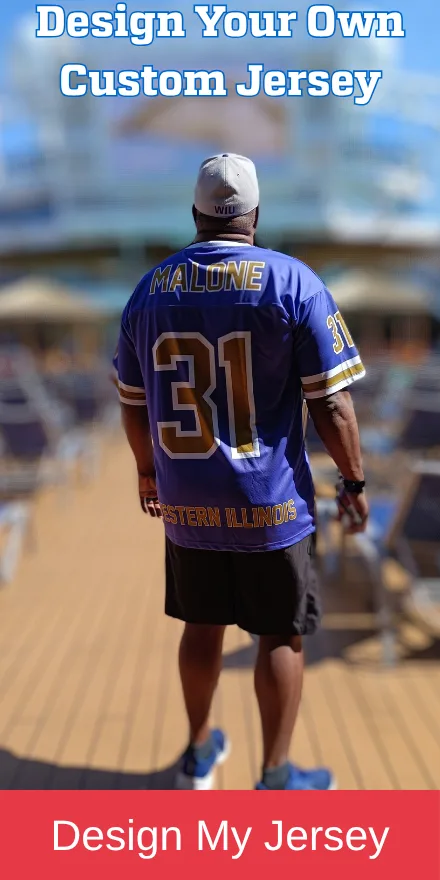

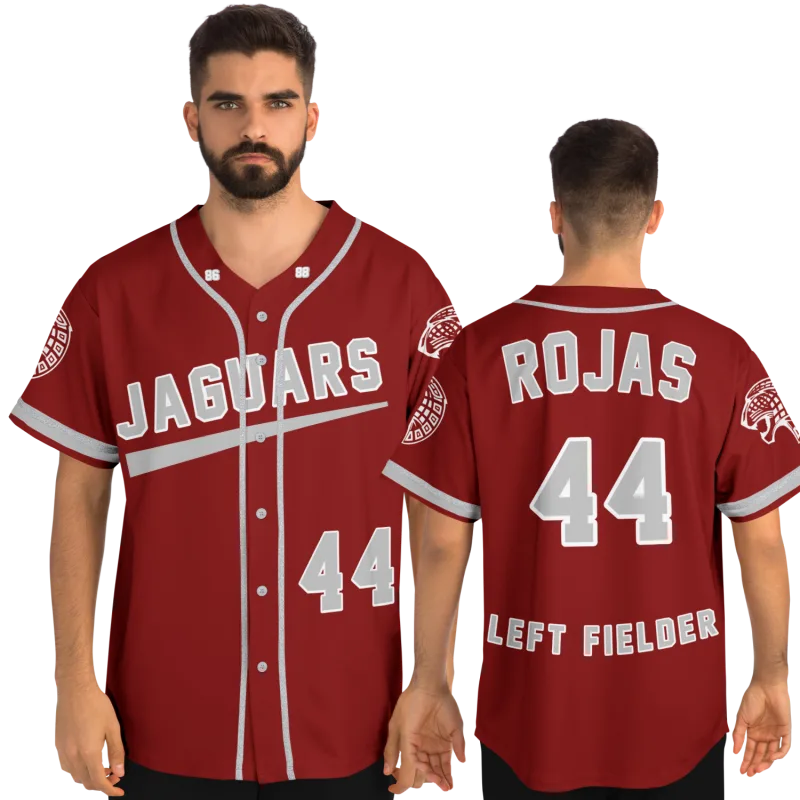
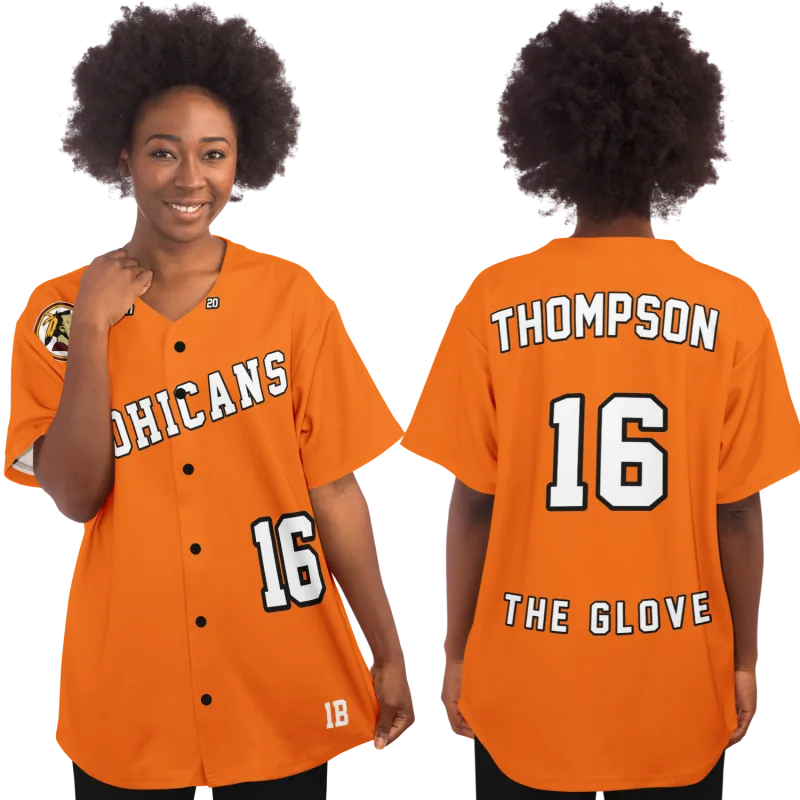
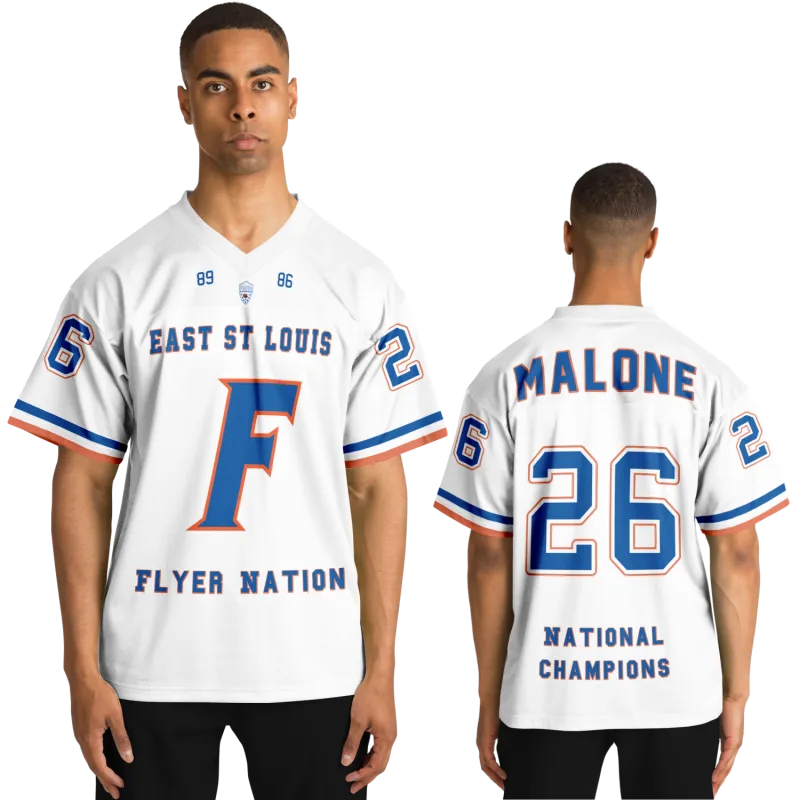
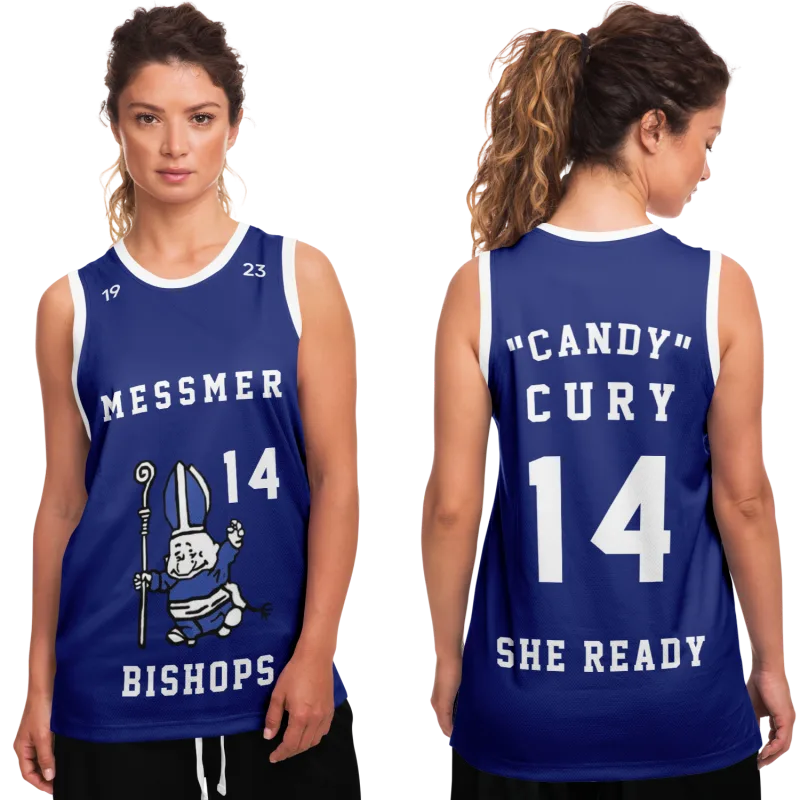
There is a number you still remember.
Not your own — theirs. The one on the back of the jersey they wore on the sideline, or the one you watched them wear when they were still a player themselves, still in the era when everything felt possible. You remember it without trying. That's the thing about numbers that actually meant something. For a former athlete, what a jersey number means runs deeper than most people realize — it was often their whole identity at seventeen.
Finding the right retirement gift for a coach — or for the player who poured years into a program and walked away from it — is harder than it should be. Not because the options don't exist, but because most of them aren't trying to say the right thing. A crystal award says "the organization thanks you." A gift card says "we ran out of time." Neither of them says what you actually mean, which is: I remember. I remember precisely who you were in that gym, on that field, in that moment when everything was on the line and you were the steadiest person in the room.
A jersey says that. The right jersey — with the right name, the right number, the right colors — carries the full weight of a career that deserves to be carried.
What a Jersey Communicates That Nothing Else Does
Walk into any sporting goods store and you'll find retirement gifts. Engraved plaques. Framed photos. Clocks shaped like footballs. They're fine. They sit on mantels and gather the particular kind of dust that accumulates around things people feel obligated to keep.
A custom jersey does something different. It doesn't commemorate a moment — it restores an identity.
Consider what a coach's career actually looks like from the inside. Twenty-two years of 5 AM practices. Hundreds of kids whose names they learned, whose home situations they quietly absorbed, whose potential they sometimes saw more clearly than the kids themselves did. A retirement plaque marks the end of that. A jersey marks what it was.
The specific power of the jersey as a retirement gift comes from two things that no other gift format delivers simultaneously:
- Personalization that requires knowledge. Anyone can order a generic gift. Only someone who was there — or who cared enough to ask — knows the right number, the right school colors, the right sport. That knowledge, embedded in the physical object, is the message.
- Wearability that keeps the identity alive. A plaque is past tense. A jersey is present tense. The coach can wear it. Can hang it where they see it every morning. Can hold it the way you hold something that reminds you of who you actually are.
In our experience, the gifts that land hardest at retirement parties aren't the most expensive ones. They're the ones that prove someone paid attention.
The Coaches Who Deserve This — And How to Get It Right
Not every retirement is the same, and the jersey should reflect the specific story.
The Long-Career Coach
This is the person who spent 15, 20, 25 years in the same program — possibly the same school. They watched the building get renovated around them. They coached kids who later sent their own kids to them. Their retirement isn't just personal; it's the end of an era for an entire community.
For this coach, the jersey should lean into longevity. If the school updated its uniforms over the decades, consider which era felt most like them — often the design from their peak years, the run that everyone still talks about. The name on the back should be their last name, the way the players always called them. The number, if they wore one as a player or assigned significance to one over the years, should be accurate.
The Player Who Gave It Everything
Sometimes the person retiring isn't primarily a coach — they're a former athlete stepping back from the game after years of involvement as a player, then an assistant, then a community figure around the program. Their jersey story is different: it's the number they wore when they played, the colors of the school that shaped them, the name that went on the back when they were seventeen and the future felt infinite.
Rachel T., 34, retired from competitive club volleyball coaching after a decade of building a travel program from scratch. Her team gave her a custom jersey matching her high school design — the one she wore as a libero, number 11, the year her team went to state. She said later that she hadn't thought about that number in years, and then she couldn't stop thinking about it. That's the reaction a jersey is built to produce.
The Retiring Athletic Director
Athletic directors often get overlooked in the gift category because their role spans every sport and no single jersey obviously belongs to them. But that's precisely why the personalized jersey lands differently for an AD — it requires someone to make a choice about which sport, which era, which number represents them. That act of curation is the gift inside the gift.
How to Order a Retirement Jersey That Actually Gets It Right
The difference between a jersey that produces tears and a jersey that produces polite gratitude comes down almost entirely to the details you bring to the order. Here is the specific sequence that works.
Step 1: Lock in the three core details before you do anything else.
Name (spelled just as it should appear — last name only, full name, or nickname), number (the specific one that mattered, not a round number you guessed at), and school colors (including whether it's home white or away color). If you're not certain about the number, ask someone who was there. One phone call to a former player or assistant coach is worth it. Getting the number wrong is the only way a jersey gift genuinely fails.
Step 2: Decide on framing versus wearing.
A jersey meant to be displayed should be ordered with framing in mind — the design elements that read well mounted on a wall are slightly different from the ones that work as a wearable. If the recipient is the type who would actually wear it to backyard barbecues and alumni games, prioritize the cut and material. If this is going on the wall of a home office or trophy room, the visual impact of the design on display matters more.
Step 3: Order with enough lead time to breathe.
Custom jerseys for meaningful occasions are not a same-week order. Build in at minimum 14 days between ordering and the retirement event — more if the event falls near a holiday. The worst version of this gift is the version where you're apologizing at the party because it hasn't arrived yet and promising it's coming. The story of the gift should be told through the object, not through an explanation of why the object isn't there. A custom jersey as a gift is always worth the wait — the lead time is the distance between a rushed transaction and something hand-built to carry a career.
The Details That Separate a Good Jersey From One They'll Never Take Off the Wall
Most custom jersey services offer the same basic inputs: name, number, color. What separates a jersey that feels like a real uniform from one that feels like a novelty item is the specificity of the design elements.
The stitching matters. Embroidered lettering reads as authentic in a way that heat-pressed lettering does not — especially to a former athlete or coach who spent years handling real game-day uniforms and knows the difference by touch.
The font matters. Generic block letters are fine. But if the school uses a specific typeface — one the coach has seen on jerseys for two decades — matching it transforms the object from "a jersey" to "the jersey."
The material weight matters. Lightweight mesh reads as a fan jersey or souvenir. A heavier fabric with real structure reads as a game jersey. For a retirement gift, the heavier version is almost always the right call. This isn't a keepsake — it's evidence of a career.
One detail that gets overlooked consistently: the back number and the chest number should match in size proportions. A common shortcut in custom jersey production is to use one size for both, which is immediately visible to anyone who has spent time around real uniforms. Getting the proportions right is the kind of detail that signals to the recipient — unconsciously, but powerfully — that whoever made this paid real attention.
When to Give It, and How to Frame the Moment
A retirement jersey is not an at-the-door gift. It's a ceremony gift.
The highest-impact delivery happens in front of the people who shared the years. At the retirement dinner, after the speeches, when the room is already full of the specific emotion that comes from honoring someone genuinely — that's when the jersey comes out. The act of holding it up, showing the name and number to the room before handing it to the coach, creates a shared recognition: we all know what this number meant.
If the presentation is happening at a smaller gathering — a team reunion, a family dinner — the framing is more personal. Walk through the specific memory the jersey is connected to. Not a general tribute, but the specific: the year, the game, the moment. "We ordered this from your sophomore year, number 14, the year you made all-conference — because that's the number everyone in this family remembers." That specificity is what converts a gift into a story the recipient will tell for the rest of their life.
Your jersey is still out there waiting.
Design yours in minutes and see your name and number just the way you remember them.
Frequently Asked Questions
How far in advance should I order a retirement jersey gift?
Plan for a minimum of 14 days between placing your order and the retirement event. If the event falls within a holiday window or during peak spring/fall sports seasons, add additional buffer — 18 to 21 days is a safer target. Custom orders that arrive a day before the party are fine. Custom orders that arrive a week after the party are a different experience entirely.
What if I don't know the coach's number — is there a way to find it?
Yes, and it's worth the effort. Former players almost always remember — one text to two or three people from the relevant era will surface it quickly. School yearbooks from the coach's playing years are another reliable source; most schools have digitized archives now, or the school library keeps physical copies. If the coach was a player at the school where they later coached, a longtime school secretary or athletic director may also know. The number is findable. Don't default to a guess.
Can a retirement jersey work as a gift even if the person retired from a non-playing role — like an athletic director or team manager?
Absolutely, and in some ways it lands harder. An athletic director who never wore a number gets to choose one — often the year they started, or a number with personal significance. The jersey becomes something the gift-giver curated specifically for them, which communicates a level of thought that a standard plaque cannot. For a team manager or statistician who was central to a program without ever suiting up, consider using the team number they were most associated with — often the one they handed out first at every season, or the number worn by a player they were particularly close to. The conversation that leads to those details is itself part of the gift.
Is it better to frame the jersey or leave it wearable?
This depends entirely on the recipient. A coach who is still active in the community — still showing up at alumni games, still coaching youth leagues informally, still embedded in the culture of the sport — will likely wear it. A coach who is stepping fully away from the game and building a different kind of life may prefer something wall-ready. When in doubt, order the jersey in a form that works for both: a well-made jersey can be worn to an event and then framed afterward. The framing is a separate decision the recipient can make; the quality of the jersey determines whether either option feels right.
What information do I need ready before I start designing?
Three things: the precise name as it should appear on the back, the specific number, and the school colors (home or away). If you have a reference photo of the actual uniform from that era — a yearbook photo, a team picture, a game photo — that's genuinely useful and worth finding before you start. The more specific your inputs, the more the finished jersey looks like their jersey rather than a generic version of one.
See also: personalized gifts that make a former athlete feel truly seen | why high school sports gifts carry so much emotional weight | the identity a coach or athlete carries long after the final whistle | the grief that comes with walking away from the sport you gave everything to