

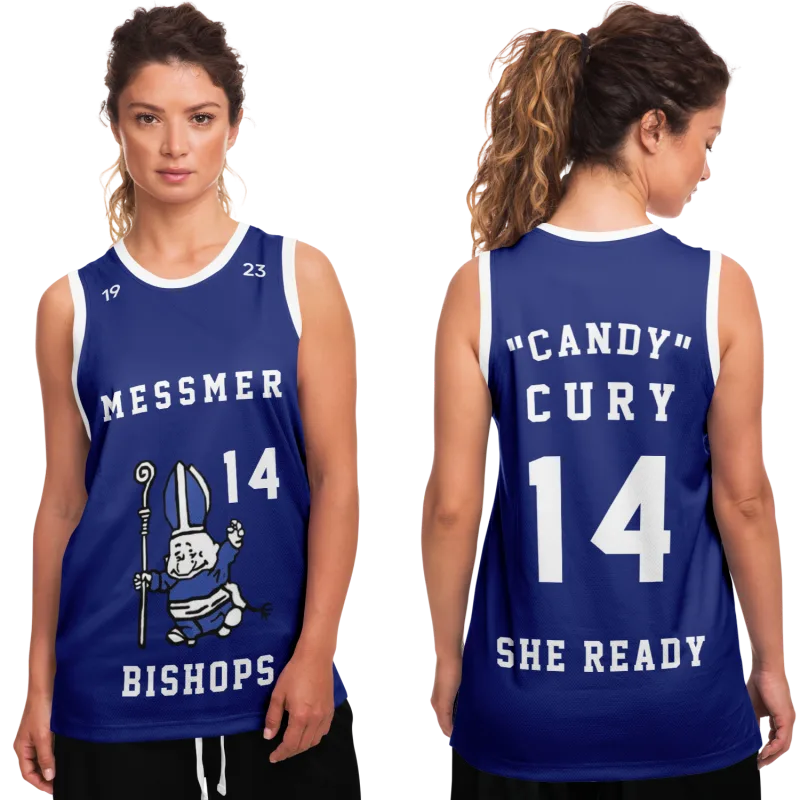
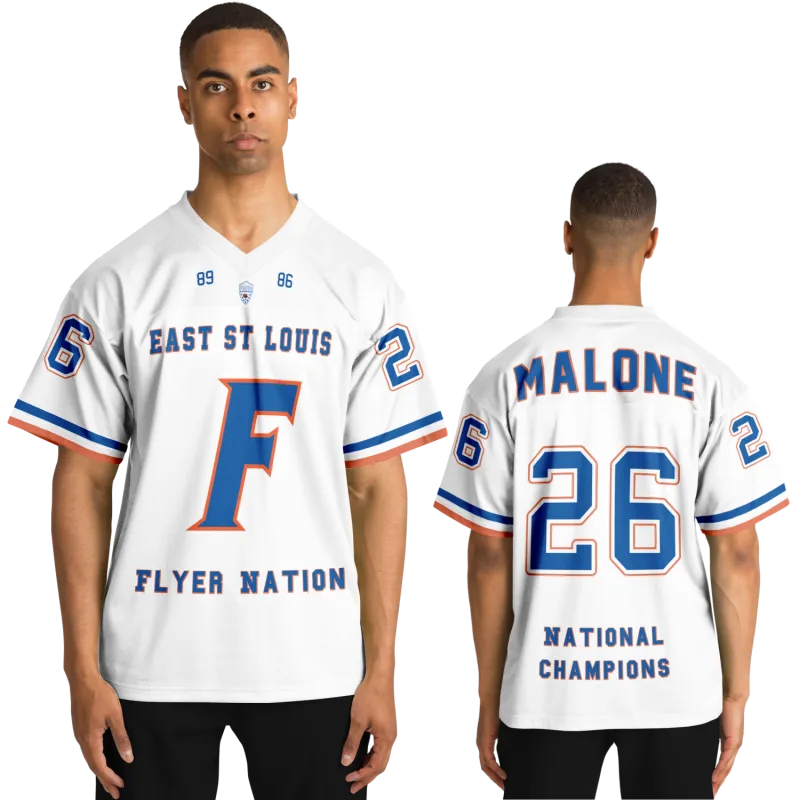
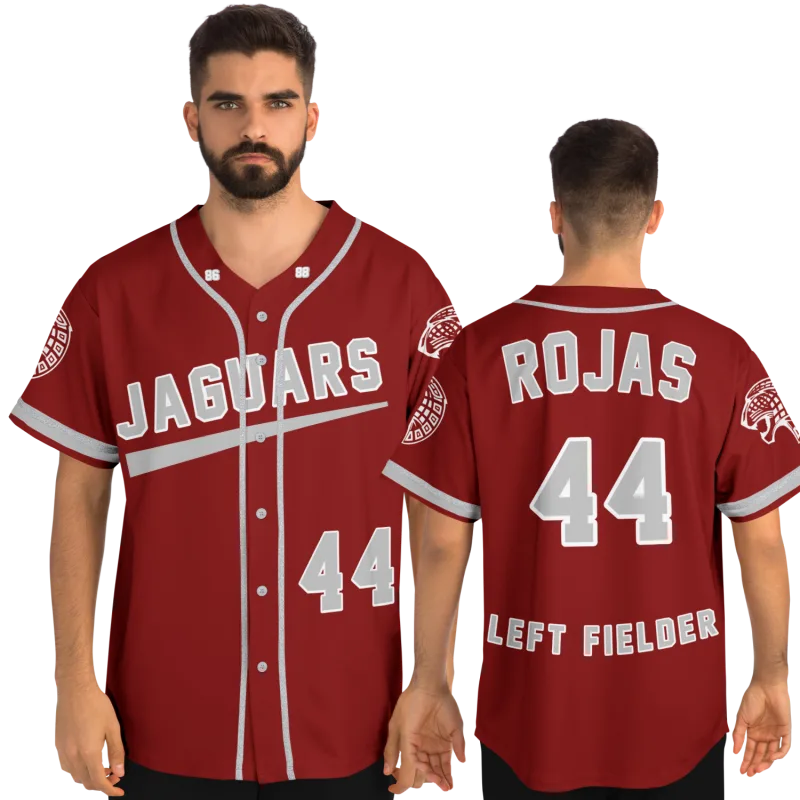
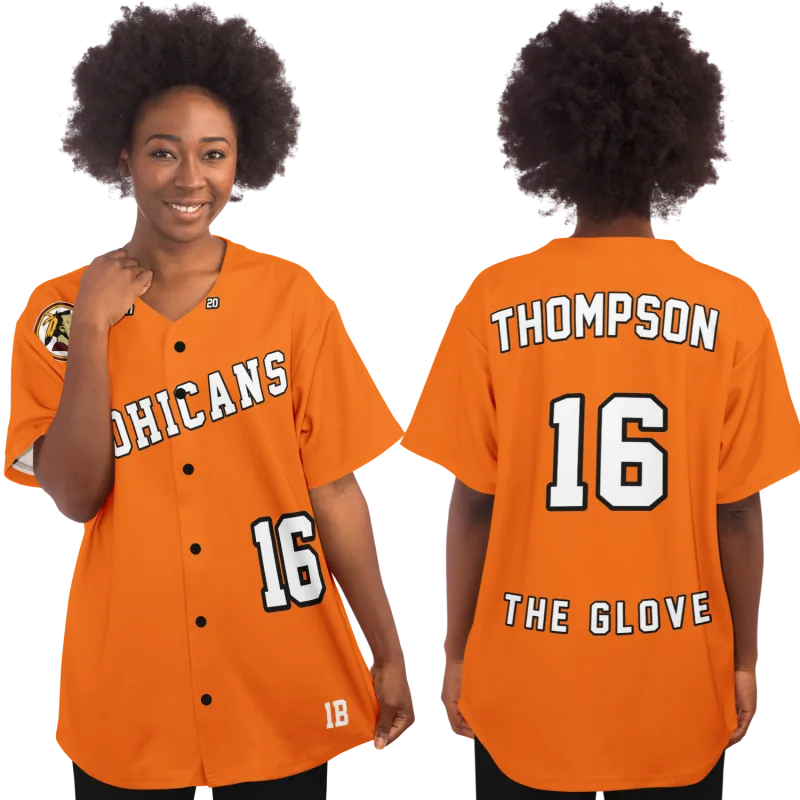
You still remember the specific weight of it in your hands the first time — the way the fabric smelled, the slightly too-long sleeves you never got around to hemming, the number that somehow became more yours with every game. Deciding what to put on a custom sport jersey when you actually played is a completely different question than picking a design for a fan. Every field, court, and rink has its own version of this moment: the blank order form staring back at you, and the sudden realization that these choices carry twenty years of context.
This guide is for the athletes who wore a number — not just admired one. Whether you're ordering for a reunion, a milestone birthday, a gift for a former teammate, or simply because the itch finally got too strong to ignore, here's how to think through every line on that form.
Your Number Is Not Just a Number
There's a reason your old number still feels like yours even if someone else has worn it since. Sports psychology researchers at Florida State have documented that athletes form strong identity attachments to jersey numbers through repeated performance association — the number becomes a cognitive shortcut to your competitive self. That's not sentiment. That's how athletic identity actually works.
So when the custom jersey form asks "what number to put on custom jersey," you're not being asked a trivia question. You're being asked which version of yourself you want to memorialize.
Here are the real options most former athletes weigh:
Your Original Playing Number
The most common choice — and usually the right one. If you wore #14 through four years of varsity soccer, #14 carries the weight of every game, every practice, every moment that number was called over the PA. It's not about the number itself. It's about what it accumulated.
In our experience, athletes who choose their original number almost never second-guess it. The ones who hesitate tend to do so for one of two reasons: the number was assigned by a coach and never felt fully theirs, or a specific performance memory attached to it is complicated. Both are worth examining honestly before you finalize.
A Number With Meaning Beyond the Sport
Some of the best custom jersey decisions aren't about the original number at all. Consider:
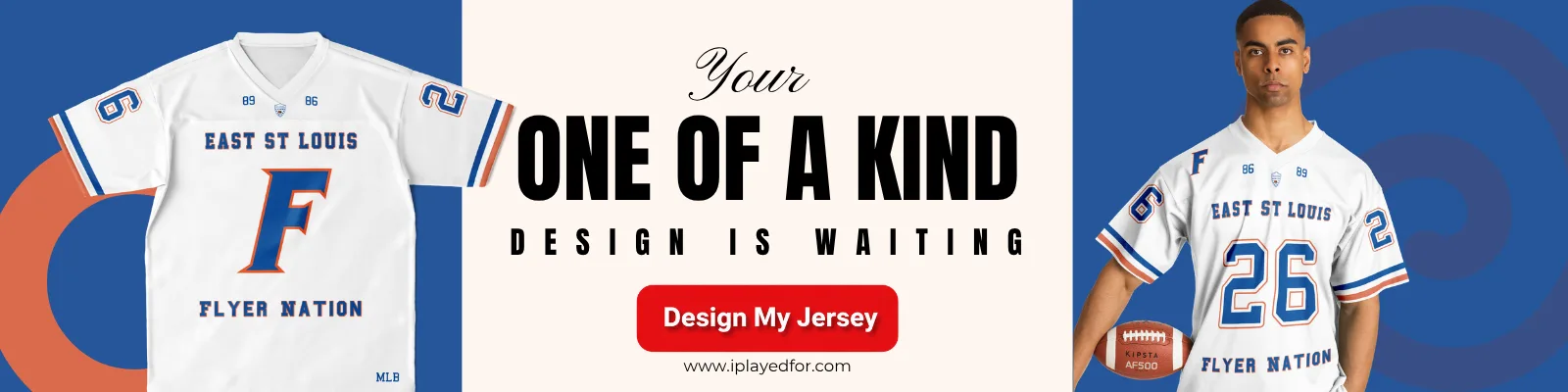
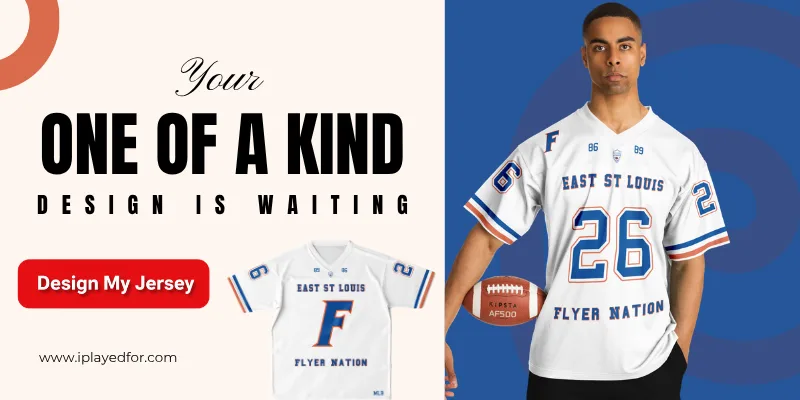
- Your graduation year — wearing #98 because you graduated in 1998, or #23 because you graduated in 2023, bridges your athletic identity with a specific chapter of your life.
- A family number — a parent's number, a child's current number, a number that connects generations of athletes in your family.
- A milestone age — ordering a custom jersey for a 40th or 50th birthday with that number on the back turns the jersey into a statement piece, not just a keepsake.
The key question isn't "which number is correct?" It's "which number, twenty years from now, will make someone pick this up and immediately understand something true about who you were?"
The Name Decision Is More Complicated Than It Looks
Custom jersey name options seem straightforward until you sit down to type the letters. Then the questions arrive fast.
Last Name, First Name, or Nickname?
Most athletic jerseys use last name only — that's the convention across nearly every organized sport. But a custom jersey is yours to decide, and the name question gets genuinely complicated for former athletes in ways that fan jerseys don't face.
If your last name changed after playing: This is the most common tension point. Do you use the name you wore on the back then, or the name you carry now? There's no universal right answer, but here's the framework that tends to produce the least regret: use the name you were called by your teammates. Not the legal name from that era, not the name on the roster — the name your teammates shouted across the field. For most athletes that's a last name. For some it's a nickname so embedded in that chapter of life that the jersey feels wrong without it.
Nicknames that earned their way onto jerseys: Some nicknames belong. If you were "Wheels" on your high school track team or "Doc" in your softball league, and that nickname is genuinely how you remember that version of yourself, it belongs on the back. Own it. The custom jersey form has a name field, not a legal documents field.
Jersey personalization ideas for athletes who want something less conventional: First name only jerseys have a long history in professional sports (think Pelé, Madonna-level iconic single-name athletes) and work surprisingly well on custom jerseys when the first name itself has strong personal resonance. Some athletes also choose to put a jersey number meaning directly into the name field — "CLASS OF 99" across the back of a basketball jersey reads as a statement, not a mistake.
The Details Most People Don't Think About Until It's Too Late
Beyond name and number, a custom jersey has several additional fields that most ordering guides treat as afterthoughts. They're not.
Team Name or School Name
If you're recreating a specific jersey from your playing days, the team name matters for accuracy. If you're creating something new that honors the era without matching it detail-for-detail, you have real creative latitude here.
Consider these four options:
- Your actual school or team name — highest authenticity, strongest nostalgia trigger, best for reunion contexts
- Your graduating class — "CLASS OF 2003" as the team name turns the jersey into a yearbook artifact
- A city or region — using your hometown name instead of a specific team name ages better and travels better (works at a class reunion in 2026 and at a backyard barbecue in 2036)
- Your family name — ordering "THE GARCIAS" jerseys for a family sporting event has become one of the most popular use cases for custom jerseys, and a family name in the team name field is precisely the right move for that context
Font, Color, and Era Accuracy
This is where the emotional stakes are highest for former athletes and lowest for casual buyers. If you wore a specific jersey from a specific era, the font and color combination is part of the memory. A 1990s high school basketball jersey in wrong colors feels like a forgery, not a tribute.
Two practical notes from ordering experience:
- Bring a photo if you have one. Even a blurry yearbook scan gives a production team something to work from. The closer the color match, the stronger the memory response when you hold the finished jersey.
- Era-appropriate fonts exist. Block lettering from the 1980s and early 1990s, tackle twill serif fonts from the mid-1990s, and the cleaner sans-serif fonts that became standard in the 2000s all carry decade-specific emotional weight. If the goal is a specific era, say so explicitly when ordering.
One Athlete's Decision — And Why It Took Her Three Years
Maria C., 41, played two years of varsity softball in high school and one season in a college club league before an injury ended her playing career earlier than she'd planned. When she finally ordered a custom softball jersey last spring, she'd been putting it off since her 20-year reunion.
The holdup wasn't cost or design. It was the name field. She'd played under her maiden name, married in her late twenties, and spent nearly a decade feeling like the name on any jersey she ordered would be a choice between the athlete she was and the person she became. She ordered it with her maiden name on the back. "That's who was on the field," she said. "The jersey is for her."
Her number — #7, originally assigned, but worn through every game of both her high school and college seasons — stayed just as she remembered it.
Building Your Custom Jersey Details: A Practical Checklist
Before you open the design tool, answer these questions in writing. Athletes who do this rarely need to revise their order. Athletes who skip it often wish they hadn't.
Name field: - What name did your teammates use for you? - Has your last name changed since you played? - Is there a nickname that belongs on this jersey?
Number field: - What was your actual playing number? - Does that number carry positive associations, or is there a more meaningful alternative (graduation year, milestone age, family number)? - If you're ordering for someone else, what number do they remember as theirs? A custom jersey given as a gift carries its own kind of weight — every detail you choose tells the recipient you remember their playing days as clearly as they do.
Team/school name field: - A close match to the original, or a new interpretation that honors the era? - Is this jersey for a specific event (reunion, birthday) that suggests a specific name?
Colors and fonts: - Do you have a reference photo from the original era? - Is era accuracy important to you, or is this a fresh interpretation?
What the Blank Form Is Actually Asking You
Every line on a custom jersey order form is really asking the same question: which version of yourself do you want to hold in your hands?
The custom jersey number meaning isn't in the number itself — it's in the accumulation of everything you did while wearing it. The name on the back isn't a label — it's the name that was called when something mattered.
Most jersey customization guides treat this like ordering a monogram. They list options. They show color swatches. They tell you to pick something you like.
What they miss is that for former athletes, the choices aren't aesthetic. They're archaeological. You're not designing something new. You're recovering something that already exists — in a yearbook photo, in a memory, in the specific way your number sounded over a gymnasium PA on a Tuesday night in November.
The blank form is asking you to remember it accurately. Take your time with it.
Your jersey is still out there waiting.
Design yours in minutes and see your name and number just the way you remember them.
Frequently Asked Questions
What number should I put on a custom jersey if I played multiple sports with different numbers?
Choose the number from the sport that meant the most to you, or the number you wore the longest. If both feel equally significant, consider which sport defined more of your athletic identity — and lead with that one. Some athletes order two jerseys over time, one for each sport. But if the budget is one jersey, go with the number that, when you say it out loud, immediately makes you picture a specific game or moment.
Can I use a name that's different from what was on my original jersey?
Absolutely. A custom jersey is not a copy — it's a tribute. You can use a nickname, a maiden name, a married name, a first name only, or even a name that honors a teammate or coach. The only standard worth honoring is accuracy to your own memory and meaning. If the name you're considering makes you feel more connected to that chapter of your athletic life, it's the right name.
How do I choose between making my jersey a close match to the original versus a personal interpretation?
Ask yourself what you're trying to do with it. If the goal is nostalgia — holding something that takes you back to a specific time — matching the correct colors and fonts as closely as possible serves that goal best. If the goal is capturing the identity and meaning of your playing days in a form you'll actually wear and display today, a personal interpretation that honors the era without being a strict copy tends to age better and feel more like yours. Both are valid. Most athletes know which category they're in once they ask the question directly.
What if I never had an assigned number and was just recreating a general team look?
Choose a number that carries personal significance outside of sport — a birth year, a graduation year, a meaningful date formatted as a two-digit number, a child's current jersey number. The custom jersey form has no way of knowing whether your number was "official," and more importantly, nobody holding the finished jersey will ask. The number's meaning lives entirely between you and what you choose to put there.
Is it better to put a full name or just a last name on the back?
Last name is the convention for a reason — it reads as athletic, it fits the format, and it's how you were identified on the field. But "better" depends on your specific situation. If your last name changed after your playing career and the maiden name feels most authentic, use the maiden name. If a nickname is genuinely how you were known to your teammates, use the nickname. The back of the jersey should read like the version of you that played, not like a legal document.
See also: personalized sports gifts vs generic alternatives | your number, your name, your game | what jersey size numbers like 44, 48, or 52 actually mean