
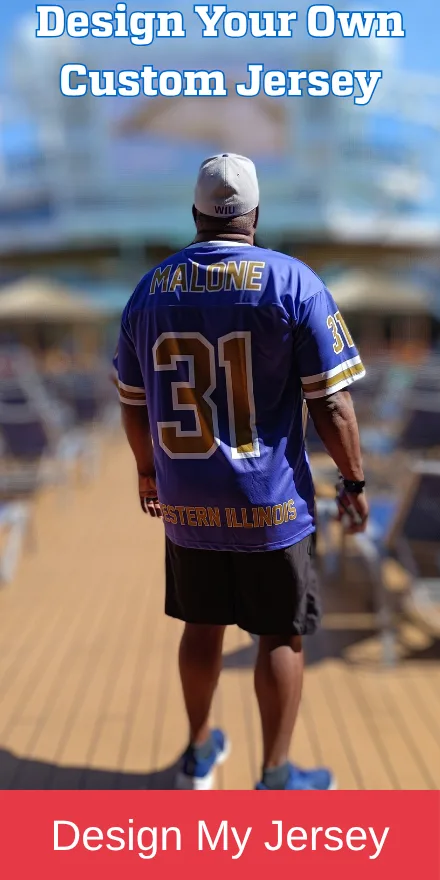
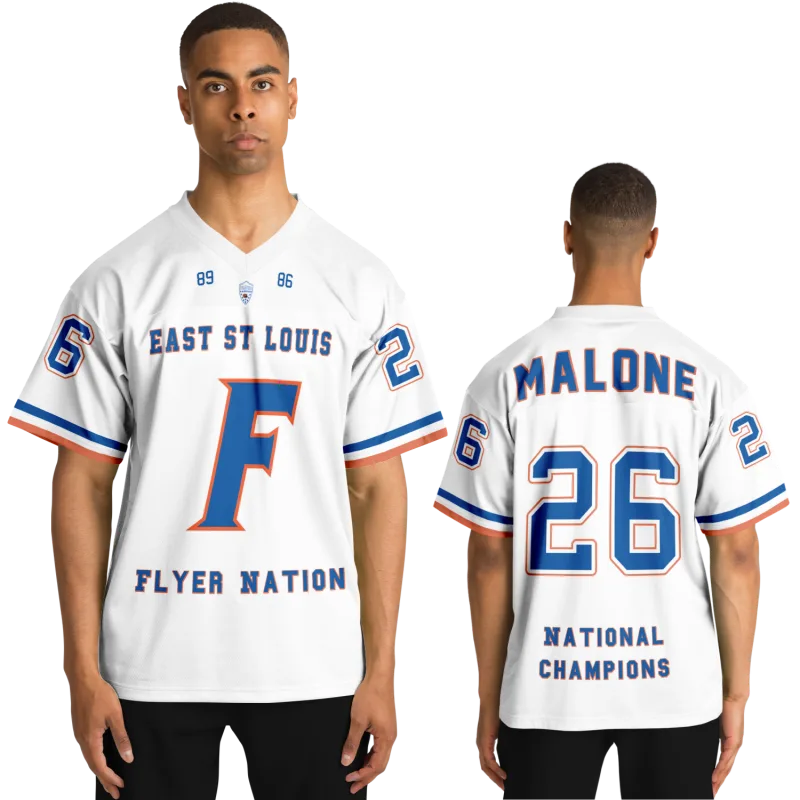
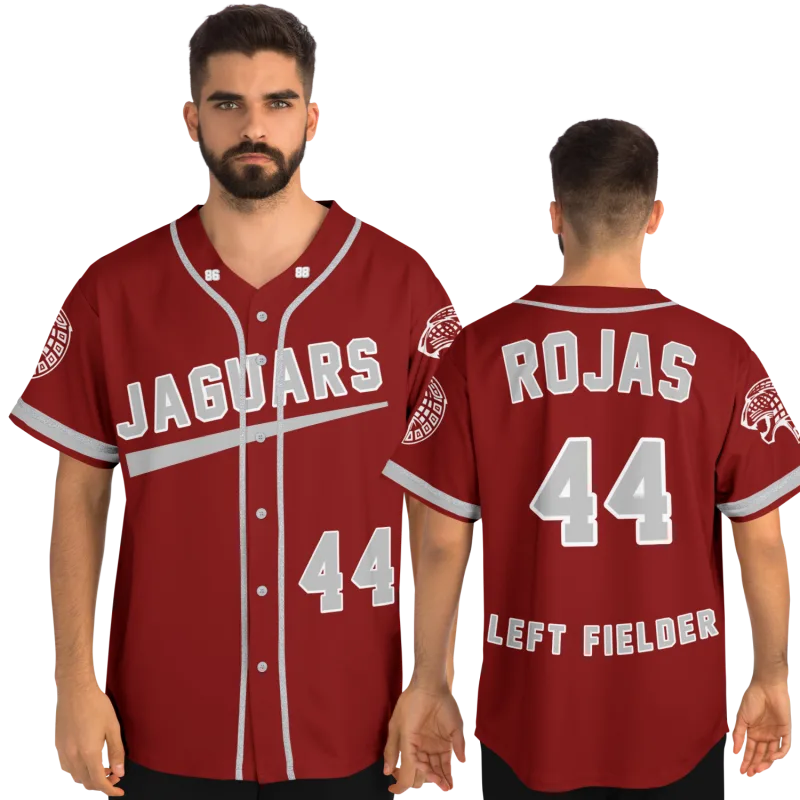
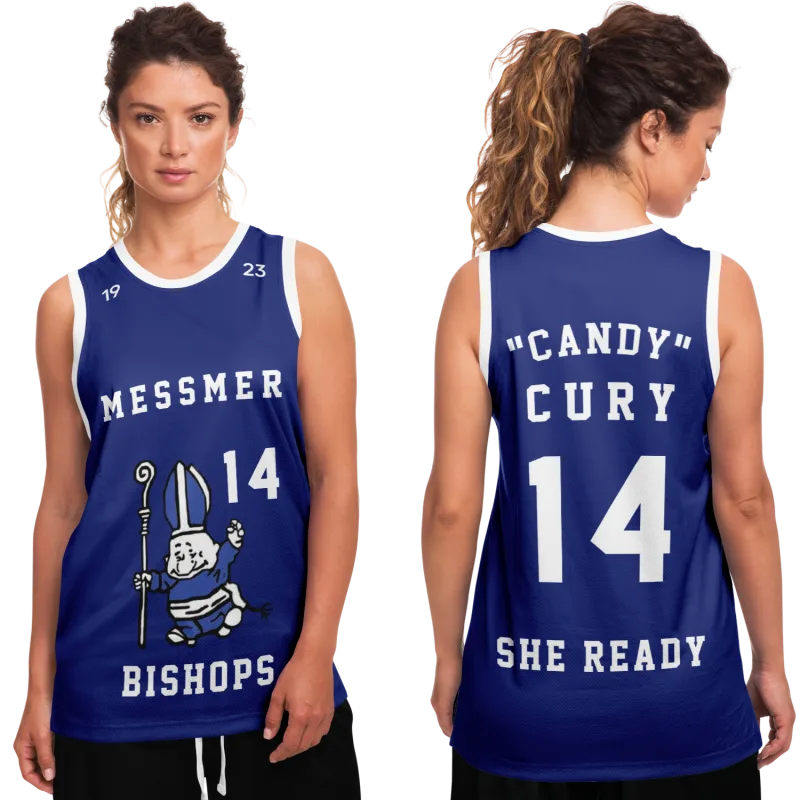
Opening day is close, and somewhere right now someone is typing "baseball jersey t shirt" into a search bar, scrolling past a wall of lookalikes, and wondering why none of them feel like the thing they actually wore.
You already know why. You can feel the difference in your hands before you can explain it. The jersey you wore had weight. It buttoned. The letters sat on the chest like they were part of the fabric, not printed on top of it. And when you swung, it moved with you instead of against you.
This guide answers a question most shopping pages dodge: what actually counts as a real baseball jersey, and what is a fan shirt dressed in a baseball jersey's costume? Neither is bad. They do different jobs. But if you're trying to get back something you personally wore, knowing the difference saves you money and a lot of disappointment.
The Quick Answer: Imitation vs. Reconstruction
A fan shirt imitates a team. A real jersey reconstructs a uniform.
That sentence is the whole article. The rest is detail, and the detail is where money gets spent well or badly.
A baseball jersey t shirt, the kind sold at stadium stands and big-box retailers, is built to signal allegiance. It borrows the colors, the script, and the look of a club. Its job is to say "I'm with them." It's usually a cotton or cotton-blend knit, often with screen-printed or heat-pressed graphics, cut like a tee with a baseball-style neckline or raglan sleeves.
A real baseball jersey is a piece of equipment. It's built to survive slides, to move through a full swing, and to look identical across fifteen players on the same roster. Its job is to say "I'm on the field." The construction follows from that job.
Neither one is a counterfeit of the other. They are different products made for different reasons. The trouble starts when a shopper wants the second thing and buys the first.
What Makes a Baseball Jersey "Real": Construction Details
If you handed me two garments in the dark and asked which one was built for a game, I'd check five things, in this order.
The fabric and the knit
Game jerseys are traditionally made from polyester, usually a double-knit or a mesh-textured knit that wicks sweat and resists snagging. The classic double-knit has a slightly ridged hand and real heft. Modern performance versions run lighter and stretchier, but they still feel engineered rather than soft.
A fan baseball jersey shirt, by contrast, leans toward combed cotton or a 60/40 cotton-poly blend. It's comfortable on the couch and breathes at a ballpark in July, but it won't hold its shape through a season of dugout benches and infield dirt.
What to check: Pinch the fabric. If it feels like your favorite tee, it's a tee. If it feels dense, slightly slick, and structured, it's built like a uniform.
The buttons or the closure
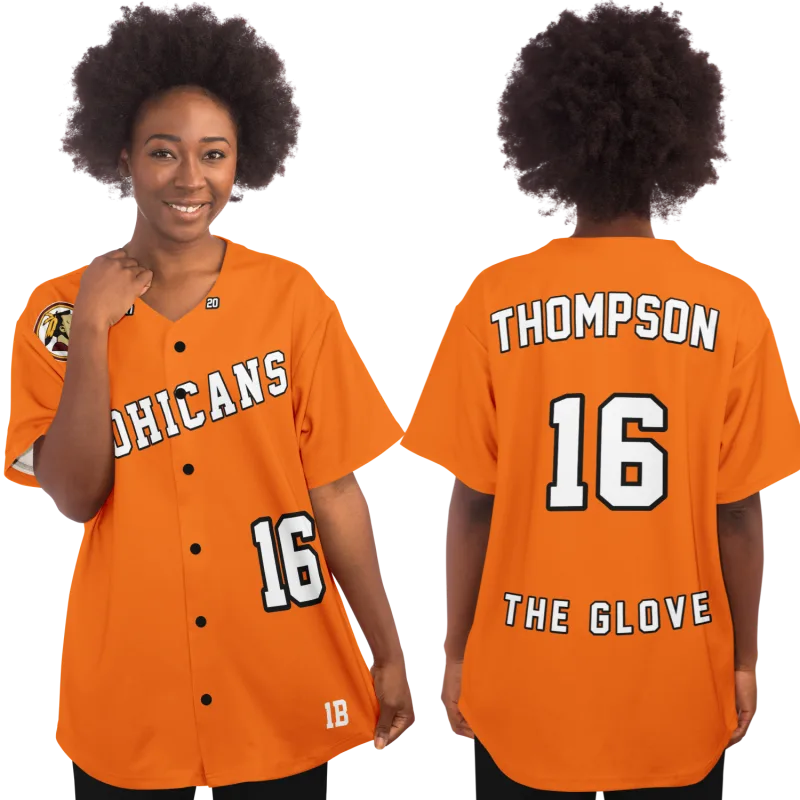
This is the fastest tell. A traditional baseball jersey is button-front. Full placket, usually six to eight buttons, set in a reinforced strip down the chest. The button front isn't a style choice; it's how a player gets a jersey on over a cap without wrecking the brim in the dugout.
Many fan shirts fake it. You'll see a printed placket line, a short two-button henley opening, or a decorative strip stitched flat. Look closely at any "button" on a budget shirt. If you can't unbutton it past the collar, it isn't doing the job.
The lettering and numbers: tackle twill vs. print
Here is where the gap becomes obvious to anyone who has worn the real thing.
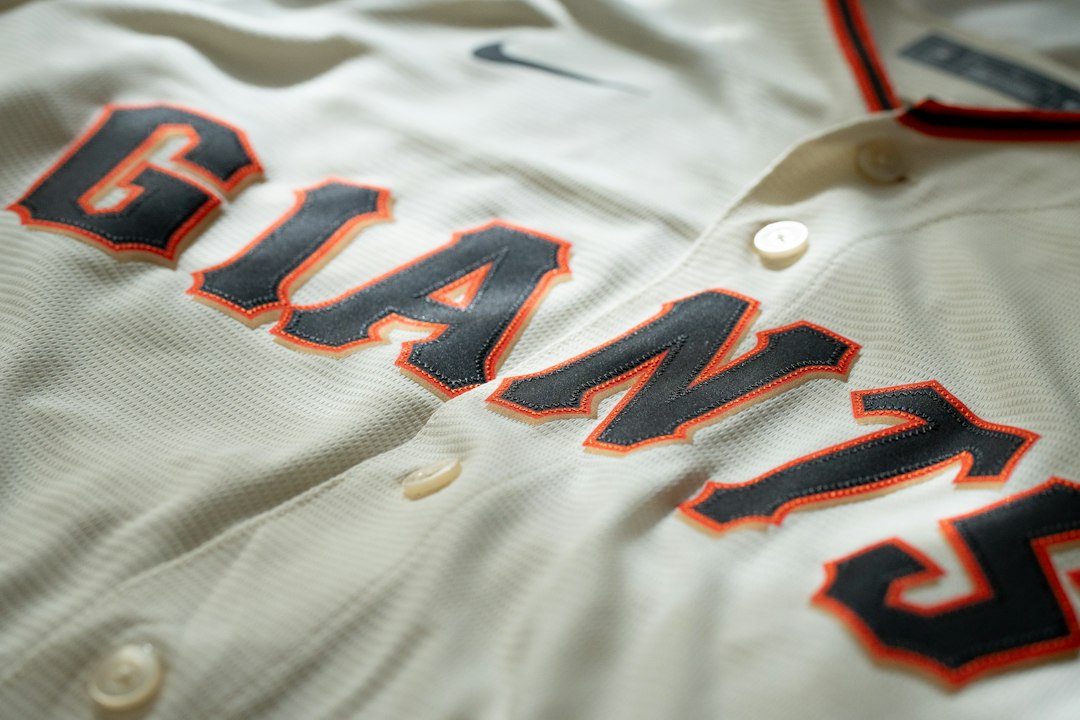
Tackle twill is the traditional method. Letters and numbers are cut from a twill fabric, layered, and sewn to the jersey with a zigzag stitch around the edge. You can feel the raised edge with your fingertip. It has dimension, and it survives hundreds of washes.
Fan shirts typically use screen printing or heat-transfer vinyl: a flat, thin layer bonded to the surface. It looks sharp out of the package and begins cracking or peeling after enough wear.
Neither is wrong. Print keeps the price low and the garment light. But if you remember the feel of your number under your hand, a printed number won't give you that.
The cut and the fit
A team jersey is cut for movement across the shoulders and under the arms, with extra length in the back so it stays tucked through a full swing. It's a roomy, athletic cut meant to be worn over a base layer.
A baseball jersey t shirt is usually cut closer to a lifestyle tee. Shorter, more fitted through the torso, built to be worn alone. That's flattering in the stands and wrong on the field.
The finishing: piping, hems, and sleeves
Look at the edges. Real jerseys often carry sewn-in piping (the colored trim along the placket, collar, or sleeve), a stitched hem, and set-in sleeves. Cheaper garments use printed trim lines or raglan sleeves cut from a single panel, which are comfortable but simpler to produce.
A Quick Side-by-Side
| Feature | Fan Baseball Jersey T-Shirt | Game-Style Baseball Jersey |
|---|---|---|
| Fabric | Cotton or cotton-poly blend | Polyester double-knit or performance mesh |
| Front closure | Printed or decorative placket | Functional button front |
| Lettering | Screen print or heat-press vinyl | Sewn tackle twill |
| Cut | Fitted, lifestyle tee length | Athletic cut, extended back length |
| Trim | Often printed | Sewn piping and stitched hem |
| Built for | Wearing to the game | Wearing in the game |
Why So Many Pages Get This Wrong
Search for team jerseys and you'll see the same pattern: dozens of pages organized around a club name, sorting budget fan gear into price tiers. A page about a new york mets baseball jersey tells you whether to buy the budget version, the authentic version, or the fashion version. A page about a yankees baseball jersey does the same, with different pinstripes.
That's useful if your goal is to look like a fan of those clubs. It tells you almost nothing if your goal is to recover the jersey you wore.
The distinction those pages miss is that a licensed fan product is built around a professional team's uniform. Someone who played Little League, high school, college, or a city rec league wore something no stadium shop sells. Your jersey had your school's colors, your coach's idea of lettering, and a number that belonged to you for one specific season.
That's the reconstruction problem, and it's a different problem from "which team should I root for."
Fan shops cover the big clubs thoroughly. Shoppers will find a la dodgers baseball jersey, chicago cubs baseball jersey, atlanta braves baseball jersey, san francisco giants baseball jersey, pittsburgh pirates baseball jersey, arizona diamondbacks baseball jersey, and white sox options in nearly every fan store. We're not affiliated with any of those clubs, and nothing here is an official product of them. Those jerseys serve the fan who wants to wear a team's identity. They don't serve the former player who wants to wear their own.
The Fan-Gear Tiers, Explained
Since you'll run into these labels while shopping, here is what they generally mean.
Budget fan versions
Mass-produced, screen-printed or lightly stitched, built for price. Great for the ballpark. Not built to the uniform standard.
Fashion or "heritage" jerseys
These borrow a retro look. You'll see them with vintage-style logos and faded colorways, worn as streetwear. Construction varies widely; many are cotton and printed.
Authentic or on-field versions
Closer to what players wear: heavier fabric, stitched twill, functional buttons. These cost noticeably more, and they're the nearest a fan can get to the real garment for a given club.
Even an authentic version, though, is built around a professional uniform. It can't be a tribute to your Tuesday-night rec league jersey with the sponsor's name across the chest.
When a Jersey Becomes Personal
Here's the moment the whole subject changes.
Rachel M., 41, played shortstop for a church-league team in Tulsa for six seasons. Her original jersey disappeared in a move years ago. When she went looking for a replacement, every baseball jersey t shirt she found carried a major-league logo. She didn't want a logo. She wanted a navy button-front with "Grace Lutheran" across the chest and a 7 on the back, the number her husband still shouts when he tells the story.
That's the gap. She wasn't shopping for fandom. She was shopping for memory, and memory has specifics: a color that wasn't quite royal blue, a script font the coach picked from a catalog, a sponsor patch nobody else remembers.
If you're in Rachel's position, the shopping rules change:
- Start from the details you remember, not the team you cheered for. Colors, number, name placement, and lettering style.
- Choose construction that matches your memory. If you wore a button-front with twill numbers, buy that, not a tee with a button-shaped print.
- Look for customization. Fan retailers stock team logos. Only a custom builder lets you set your name, number, and colors.
How to Judge Quality Before You Buy
Whether you're buying a fan piece or building a custom one, a few checks protect you.
Read the product description for construction words
Listings that say "sewn," "tackle twill," "double-knit," or "button-front" are telling you about build quality. Listings that only say "authentic style" or "inspired by" are telling you about marketing.
Check how the lettering is applied
Ask whether the letters are sewn or printed. If the seller doesn't say, assume printed.
Look at the sizing chart, not the size label
Baseball jerseys run roomier than tees. A medium in a lifestyle tee and a medium in a team-style jersey can differ by two inches across the chest. Measure a garment you already own and compare.
Match the fabric to the use
For wearing to games in summer heat, a lighter cotton-blend baseball jersey shirt may honestly be the better choice. For a display piece, a team shadow box, or a reunion where you want to look the way you did, go with the heavier, sewn version.
Do You Really Need the "Real" One?
Not always, and it's worth saying so plainly.
If your plan is to wear a jersey to a ballgame, sit in the sun, eat something messy, and enjoy yourself, a good cotton baseball jersey t shirt is the right tool. It's cooler, cheaper, and nobody's checking the stitching.
The "real" construction earns its price in two situations that matter most, plus a few smaller ones:
- You're rebuilding a jersey you actually wore. The details are the point.
- You're gifting it to a player or former player. They will notice, immediately.
- You want it to last. Sewn twill and polyester knits outlive print-and-cotton by years.
- You're dressing a whole roster. Fifteen matching garments only read as a uniform when the build is consistent.
Rule of thumb: the closer the garment needs to be to a specific memory, the more construction matters.
Matching Lettering and Numbers to What You Wore
If you decide to rebuild a jersey, accuracy is the whole game. Players are remarkably precise about this stuff.
Recovering the details
Check old team photos, a yearbook, a tournament program, or your phone's camera roll. You're looking for:
- The font style of the name and number (block, arched, script)
- Whether the name sat above or below the number on the back
- The number's color and outline
- Sleeve stripes or piping color
Even a blurry photo can answer most of these.
Why twill matters for the rebuild
If your original had sewn numbers, the raised edge is part of how you remember it. That tactile memory is real, and printing can't give it back. A jersey that gets the colors right but flattens the numbers will feel almost right, which in some ways is worse than feeling clearly different. Aim for a tribute to your own season, built in the style of what you wore, rather than a lookalike of somebody else's uniform.
A Short Note on Buying for a Team vs. Buying for Yourself
Coaches and parents ordering for a whole roster face a related decision. Team orders favor consistency: identical fabric, identical lettering, identical sizing logic across everyone. That's where heavier, sewn construction pays off.
Individual orders favor accuracy to a memory. Same tools, different goal.
For a deeper look at how school-level uniforms are regulated, the National Federation of State High School Associations publishes baseball rules covering uniform requirements for school play, including number and color standards. If you're rebuilding a high school jersey, those rules help explain why yours looked the way it did.
Pulling It Together
Here's what separates a real baseball jersey from a fan shirt, in order of how fast you can spot it:
- A functional button front, not a printed one
- Sewn tackle twill lettering, not flat print
- Polyester double-knit or performance fabric, not cotton jersey
- An athletic cut with extended back length
- Sewn piping and a finished hem
Hit all five and you're holding a garment built like a uniform. Miss most of them and you're holding a baseball jersey t shirt, which is a perfectly good thing to own, as long as you know which one you're buying and why.
Our team's honest recommendation: decide first whether you want to look like a fan or remember a season. The first is a ten-minute purchase. The second deserves a little more care, and a builder that lets you set the name, number, and colors yourself.
Your jersey is still out there waiting.
Design yours in minutes and see your name and number exactly the way you remember it.
Frequently Asked Questions
What is the difference between a baseball jersey t shirt and a real baseball jersey?
A baseball jersey t shirt is a lifestyle garment, typically cotton or a cotton blend with printed graphics and a tee-style cut. A real baseball jersey is built as equipment: polyester knit fabric, a functional button front, sewn tackle twill lettering, and an athletic cut with extra back length. The tee is made to be worn to a game; the jersey is made to be worn in one.
How can I tell if a baseball jersey has sewn or printed numbers?
Run a fingertip across the edge of the number. Sewn tackle twill has a raised, layered edge with visible zigzag stitching around the border. Printed or heat-pressed numbers feel flat and smooth, and they may show light cracking at the edges after washing. If a listing doesn't specify, assume the lettering is printed.
How to make a baseball jersey that looks like the one I wore as a player?
Gather what you remember: team colors, number, name placement, font style, and any trim or sponsor details. Old team photos, yearbooks, and tournament programs usually answer most of it. Then use a custom builder that lets you set the name, number, and colors, and that offers sewn lettering if your original had it. The goal is a tribute to your own season, inspired by what you wore, so the details you gather before you order matter more than anything else.
Are fan jerseys for teams like the Mets or Yankees the same quality as player jerseys?
It depends on the tier. Budget fan versions are usually printed and cotton-blend, while authentic versions come closer to on-field construction with heavier fabric and stitched lettering. Either way, they're built around a professional club's uniform, so they can't capture a school, league, or rec-team jersey you personally wore. We aren't affiliated with any professional team, and those products come from their own licensed retailers.
Is a cotton baseball jersey shirt a bad choice?
Not at all. Cotton is cooler and softer in summer heat, which makes it a practical pick for casual wear at the ballpark. It simply isn't built to the standard of a game jersey. If you want something durable that stays true to an original uniform, polyester knit with sewn lettering is the better match; if you want comfort for a day at the stadium, cotton does the job.
How should a baseball jersey fit?
A game-style baseball jersey fits roomier than a tee, with space through the chest and shoulders for movement and extra length in the back so it stays tucked during a swing. Check the sizing chart rather than relying on the size label, and compare the chest measurement to a garment you already own.
See also: difference between a sports fan and someone who actually played | jersey size chart and what numeric sizes like 44 or 52 actually mean | personalized sports gifts versus generic ones | custom softball jerseys