



Every December, a conversation starts in the group chat you haven't touched since graduation. Someone posts an old team photo. Someone else remembers the bus rides. And somewhere underneath the jokes, there's a quieter question nobody types out loud: why did that team feel the way it did?
If you've been searching for how Kwanzaa and sports connect, here is the answer we keep coming back to. The Nguzo Saba, the seven principles of Kwanzaa, read like a field guide to the best locker room you ever stood in. Created by Dr. Maulana Karenga in 1966, the principles were never written as coaching philosophy. But when you lay them next to the teams that shaped you, the overlap is hard to ignore. Kwanzaa and sports share a common root: people who choose to build something together and hold each other to it.
In our experience, the teams people still talk about thirty years later all got these seven things right, whether or not anyone ever named them. This article walks through each principle, shows where it lives in team sports, and gives you a way to honor it this season.
What Kwanzaa Actually Is (and Why It Belongs in a Conversation About Teams)
Kwanzaa is a seven-day celebration of African American culture and heritage, observed each year from December 26 through January 1. It was founded in 1966 by Dr. Maulana Karenga, a professor of Africana Studies, as a way to reaffirm community, culture, and shared values. The word comes from the Swahili phrase matunda ya kwanza, meaning "first fruits."
Each of the seven days is dedicated to one principle of the Nguzo Saba, which is Swahili for "seven principles." Families light one candle per day on a kinara (candleholder), discuss that day's principle, and often connect it to their own lives, work, and relationships. The official Kwanzaa website maintains the principles and their meanings directly from the tradition's founder.


Here is why that matters for anyone who ever wore a jersey. A team is a small community with a shared purpose, a shared uniform, and a shared calendar. It has rituals, language, and roles. The best ones have always run on the same operating system the Nguzo Saba describes. You may never have lit a candle for it, but you almost certainly lived it.
So let's go day by day.
Day One: Umoja (Unity) and the Locker Room That Moved as One
Umoja means unity: striving for and maintaining togetherness in the family, community, nation, and race.
On a team, unity is not the absence of conflict. It's the thing that survives conflict. Think of the pregame ritual nobody planned: the same song on the speaker, the same order of handshakes, the same hand stacked on top of the pile before every game. Nobody assigned it. It emerged because a group of different people decided they were going to arrive at the same place at the same time.
Unity shows up in small, specific behaviors:
- The starter who stays on the bench-end during the fourth quarter to cheer for the walk-on who finally got in
- The team that eats together after losses, not just wins
- Sitting in the same section of the bus every road trip until it becomes a kind of address
Marcus T., 41, played point guard at a small Division III school in Ohio. When we asked him what he remembered most, it wasn't a buzzer-beater. It was that the whole roster, all fourteen players, would walk into the dining hall at the same moment, because nobody wanted to be the one eating alone before a game. "We weren't the most talented team in the conference," he told us. "We were just never separate."
That's Umoja. And it's the first thing a great team builds, because nothing else on this list works without it.
Day Two: Kujichagulia (Self-Determination) and Owning Your Role
Kujichagulia means self-determination: to define ourselves, name ourselves, create for ourselves, and speak for ourselves, instead of being defined, named, or spoken for by others.
In sports, this principle is the difference between a team that reacts to its reputation and a team that writes one. Every team gets labeled: too small, too young, too slow, the team that always chokes in the fourth quarter. Great teams hear the label and decide whether to accept it.
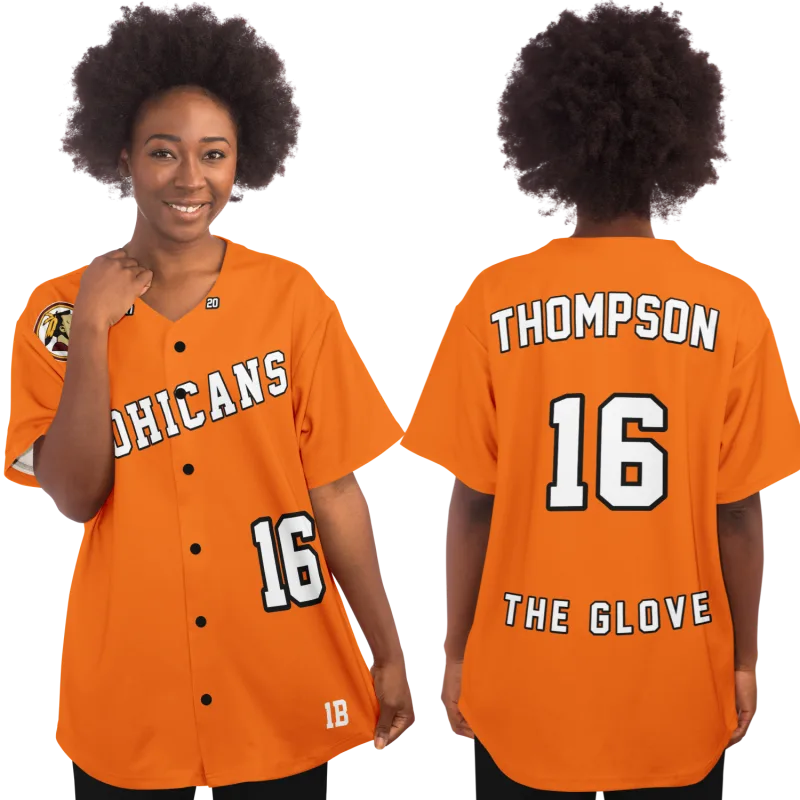
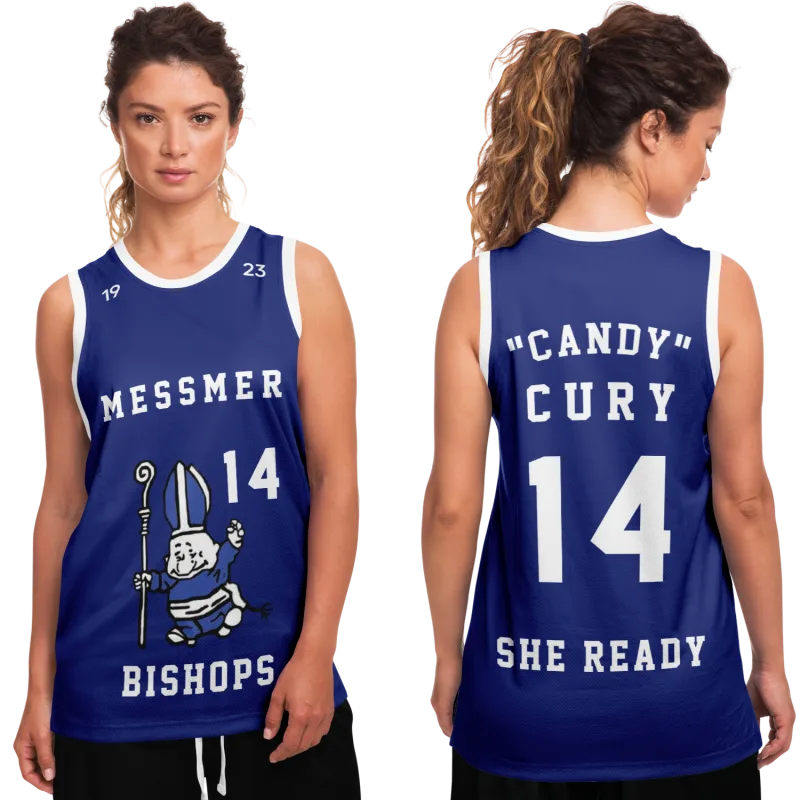
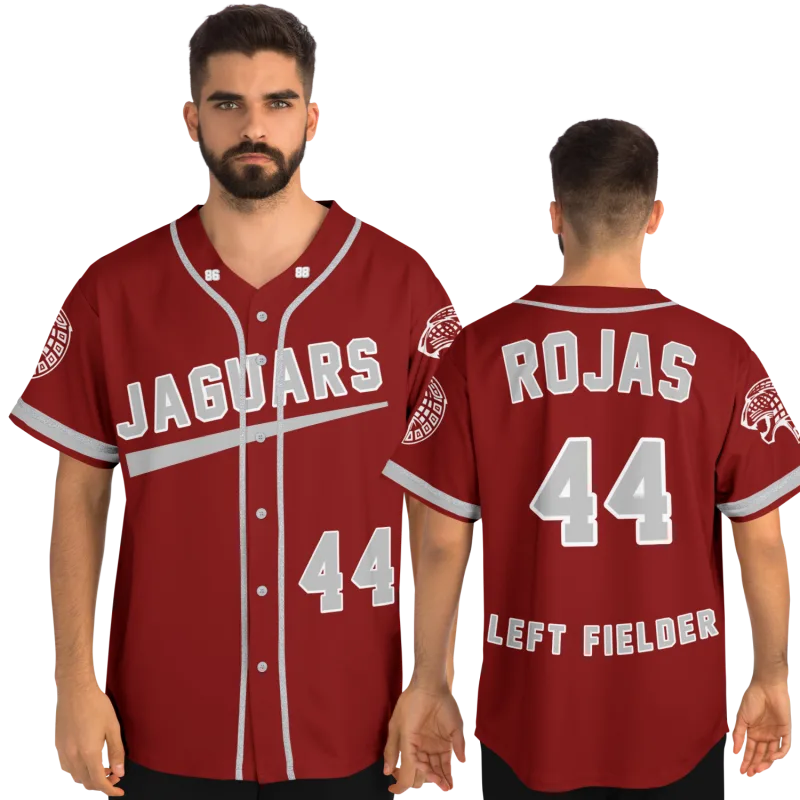
Self-determination also lives at the individual level, and this is where athlete nostalgia gets interesting. Your name and number were yours. You picked the number, or fought for it, or inherited it from someone you admired and promised to honor. Wearing 23 or 7 or 44 was a small act of self-definition. It said: this is who I am on this field.
That's why so many former athletes feel a particular ache when they think about a jersey they no longer own. It was never just fabric. It was a declaration you made about yourself, in public, in front of your people.
A few ways Kujichagulia shows up on strong teams:
- Players speak up in film sessions instead of waiting to be told what went wrong
- The team picks its own identity, whether that's a motto, a style of play, or a nickname for the defense
- Individuals take responsibility for their preparation without being asked
Day Three: Ujima (Collective Work and Responsibility) and the Unglamorous Reps
Ujima means collective work and responsibility: to build and maintain our community together and make our brothers' and sisters' problems our problems and to solve them together.
This is the principle every athlete understands in their bones. It's the offensive lineman whose name never appears in the box score. It's the third-line winger who blocks shots. It's the volleyball setter whose entire job is making someone else's kill look easy.
Ujima is also what happens off the field. When a teammate's car breaks down, someone drives. When a teammate fails a class, the study group forms. When a teammate's family is going through something hard, the group chat lights up with offers before the person even asks.
Here's the test we use for Ujima: whose problem is it when one player struggles? On a mediocre team, the answer is "theirs." On a great team, the answer is "ours," and the team acts like it.
Denise R., 34, captained her college softball team in Georgia. Her senior year, a freshman pitcher stopped showing up to optional workouts. Instead of reporting it to the coach, Denise and two other seniors started picking her up for 6 a.m. bullpen sessions, no lecture attached. "We found out later her roommate situation was a mess and she couldn't sleep," Denise said. "Fixing that was the actual team-building. The pitching came after."
That's collective responsibility. You don't just share the wins. You share the weight.
Day Four: Ujamaa (Cooperative Economics) and Sharing What You Have
Ujamaa means cooperative economics: to build and maintain our own stores, shops, and other businesses and to profit from them together.
At first glance, this one seems furthest from the locker room. But look at how a team actually runs on shared resources. Nobody owns the good tape. Nobody hoards the good cleats. Somebody always has an extra wrap, an extra pair of socks, an extra twenty for the vending machine.
In its broader meaning, Ujamaa is about building something together that sustains the whole community, not just individuals. Teams do this constantly:
- Fundraisers, car washes, and booster nights where everyone's effort funds everyone's season
- Hand-me-down equipment passed from seniors to freshmen
- Alumni networks where a former teammate opens a door for a current one
That last one is the quiet economic engine of team culture. Ask any former athlete how they got their first real job, and a surprising number will say the answer ran through someone who once wore the same colors. The jersey was a credential, and the people behind it became a network.
When we talk about honoring a team, this is part of it: keeping that web alive instead of letting it fade into a yearbook.
Day Five: Nia (Purpose) and Knowing Why You Showed Up
Nia means purpose: to make our collective vocation the building and developing of our community in order to restore our people to their traditional greatness.
Every team has a stated purpose: win the conference, make the playoffs, go undefeated. But the teams people still talk about had a second purpose underneath the first one. They were playing for something. For a coach who got sick. For a teammate who moved away. For the senior class. For a town that showed up in the stands every Friday night.
Purpose is what turns a Tuesday practice in January into something other than a chore. It's the answer to "why are we doing this again?" when it's cold, the legs are heavy, and nobody is watching.
The most useful thing about Nia, in a team setting, is that purpose must be shared to work. A single player with a private mission is a talented individual. A roster that agrees on a mission is a team. This is why strong programs spend preseason on identity as much as conditioning, because everyone has to row toward the same horizon.
Ask yourself about your best team: what were we playing for, besides the scoreboard? If you can answer that quickly, you probably played on something special.
Day Six: Kuumba (Creativity) and the Playbook Nobody Wrote Down
Kuumba means creativity: to do always as much as we can, in the way we can, in order to leave our community more beautiful and beneficial than we inherited it.
We tend to think of creativity as something that happens in art class, not at practice. But anyone who has played a sport seriously knows better. Kuumba is the pickup-game move you invented and then ran for three seasons. It's the trick play drawn in the dirt. It's the handshake routine, the celebration, the chant, the way the bench reacted when someone scored.
It's also the culture-building that makes a team yours: the nicknames, the inside jokes, the superstitions, the traditions that get passed down until nobody remembers who started them. Every program has these. They are folk art, made collectively, and they're often what former players miss most.
Kuumba also includes leaving the place better than you found it. The best seniors we've heard about treated the program like a house they were borrowing: fixing what was broken, teaching what they knew, and handing the keys over in better shape than they received them.
Here is a short exercise for the nostalgic. Write down five traditions from your best team that never appeared in any official playbook. If you can name five, you were part of a culture that was actively creating itself, which is exactly what Kuumba describes.
Day Seven: Imani (Faith) and Believing in the Group When the Scoreboard Says Otherwise
Imani means faith: to believe with all our heart in our people, our parents, our teachers, our leaders, and the righteousness and victory of our struggle.
Imani is the closing principle, and it's the one that ties the rest together. In team terms, faith is the belief in your teammates, your coach, and the process, even when the evidence is thin.
Down 21 at halftime, faith is the voice in the huddle that says we're still here. On a six-game losing streak, faith is showing up to practice the next day with the same energy. It's trusting that the work you can't see yet is working.
Faith also runs backward in time. Years later, it's the belief that the team mattered. Not just that the wins counted, but that the people did, and that those seasons shaped who you became. If you've ever pulled out an old jersey and felt your chest tighten, that's Imani. You still believe in what that team was.
It's also why the final day of Kwanzaa often carries a feeling of looking forward as well as back. You close the week by affirming that the community you built is worth carrying into the next year.
How to Honor These Principles This Season
If this article has stirred something, good. Here are three simple ways to turn that feeling into something you can actually do this week. Keep it small. A principle practiced beats a principle admired.
Step 1: Reach out to one former teammate. Pick the principle that reminded you of them: Umoja for the guy who never let anyone eat alone, Ujima for the one who showed up when you needed a ride. Send a specific message about what you remember. Specific beats general every time.
Step 2: Name your team's seven. Take your best team and map it to the Nguzo Saba. Which principle did you live most strongly? Which one was missing? Writing it down takes ten minutes and tells you a lot about why that team worked.
Step 3: Put your history somewhere you can see it. Frame the photo, hang the ticket stub, or bring back the jersey you've been missing. A visible reminder keeps the values from fading into a story you only tell at reunions. Many former athletes find that wearing or displaying their old number does more than any speech to bring the feeling back.
For a deeper dive into preserving that history, our guides on honoring your playing days cover how athletes everywhere are turning old numbers into living keepsakes.
Why Team Culture Outlasts the Seasons
A scoreboard fades. A stat line gets buried in an archive. What stays is the way the team made you feel and the person you became because of it.
Look back at the seven principles one more time: unity, self-determination, collective work, shared resources, purpose, creativity, faith. None of them depend on talent. A team with modest skill and all seven will outlast a collection of stars with none. That's why the teams we remember aren't always the ones that won the most. They're the ones that meant the most.
And that's the quiet gift of looking at Kwanzaa and sports side by side. The holiday isn't borrowed for the locker room. The locker room, at its best, was already doing the work the holiday describes: building a community on purpose, together, with eyes on what comes next.
Your Jersey Is Still Out There Waiting
Your jersey is still out there waiting.
Design yours in minutes and see your name and number exactly the way you remember it.
Frequently Asked Questions
What are the seven principles of Kwanzaa?
The seven principles, known as the Nguzo Saba, are Umoja (unity), Kujichagulia (self-determination), Ujima (collective work and responsibility), Ujamaa (cooperative economics), Nia (purpose), Kuumba (creativity), and Imani (faith). Each is observed on one day of Kwanzaa, from December 26 through January 1.
How do Kwanzaa principles apply to sports teams?
Each principle maps naturally onto team life. Umoja is the unity of a locker room, Ujima is the shared responsibility for teammates' struggles, Nia is the collective purpose behind a season, and Imani is the belief in the group when the scoreboard looks bad. Coaches and captains can use the Nguzo Saba as a vocabulary for talking about culture, not just performance.
Who created Kwanzaa and when?
Dr. Maulana Karenga, a professor of Africana Studies, founded Kwanzaa in 1966. It was created as a celebration of African American culture, community, and shared values, and it has been observed annually from December 26 to January 1 ever since.
Can you celebrate Kwanzaa and also honor your old team?
Yes. Many people use the week as a reflection period, and thinking about the community you built through sports fits naturally. You might reconnect with former teammates, share stories about a coach who shaped you, or reflect on which principle your team lived best.
What's a simple way to bring these values into a current team?
Start with one principle per week or per practice cycle. Name it, ask players to share an example of it from their own experience, and look for it in how the team behaves. Small, repeated conversations about unity, purpose, and shared responsibility build culture far more reliably than a single big speech.
Why does looking at an old jersey bring up such strong feelings?
A jersey carries your name, your number, and the community you belonged to. It stands for several of these principles at once: self-determination in choosing who you were on the field, and unity in being part of something larger than yourself. That's why the feeling can be so strong years later.
See also: what high school sports taught you that nothing else could | the bus ride home after a loss | reconnect with former high school teammates | athletic identity after high school | the difference between a sports fan and someone who actually played