

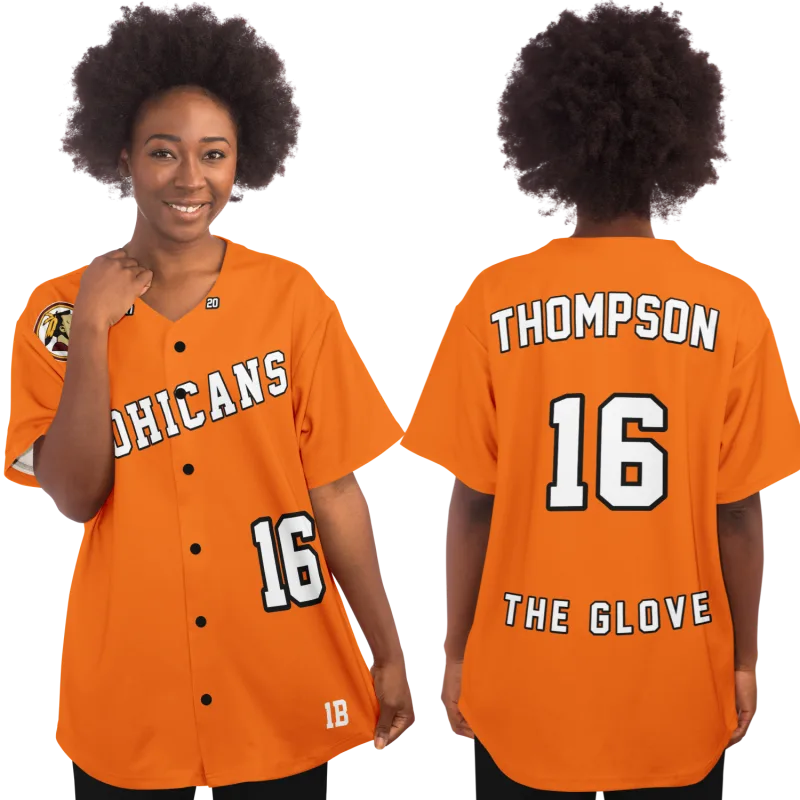
You laced up before dawn for years. You sat in a locker room where nobody had to say "we're in this together" because everybody already knew it. Then the season ended, the gear went into a closet, and somewhere along the way you stopped talking about what that time actually taught you.
December gives you a reason to start again. Kwanzaa, celebrated December 26 through January 1, rests on seven principles that read, if you're an athlete or a former one, like a description of your own life. The connection between Kwanzaa and sports isn't forced. It's structural. The same values that organize a week of celebration are the ones that organized every practice, every rivalry, every final whistle you ever played through.
This article walks through all seven principles, the Nguzo Saba, and shows where each one lived in your athletic years. Then it asks a simpler question: what are you going to do with what you carry?
A Quick Orientation: What Kwanzaa Is (and Isn't)
Kwanzaa was created in 1966 by Dr. Maulana Karenga, a professor and activist, as a celebration of African American culture, family, and community. The name comes from the Swahili phrase matunda ya kwanza, meaning "first fruits." It runs seven days, and each day is dedicated to one principle.
A few facts worth stating plainly, because they get blurred in casual conversation:
- It is a cultural holiday, not a religious one. Families of many faiths observe it.
- It doesn't replace other holidays. Many families celebrate Kwanzaa alongside Christmas, Hanukkah, or other traditions.
- It centers on a kinara (candleholder) holding seven candles: three red, three green, and one black in the center, lit one per night.
- Each night, families discuss that day's principle and what it means in their lives.
That last point is the doorway into this article. The practice of discussing a value, naming it, and tying it to lived experience is exactly what a good coach does at the end of practice. It's also exactly what a former athlete does when they pick up an old trophy and start telling the story behind it.
If you celebrate Kwanzaa, you already know the weight of these principles. If you're approaching the holiday as a respectful observer, the framing below is offered as a way to connect with it through an experience millions of people share: playing the game.
The Seven Principles Through an Athlete's Eyes
Umoja (Unity): Day One
Umoja means striving for and maintaining unity in the family, community, nation, and race.

Every athlete knows the moment unity becomes real. It's not the pregame speech. It's the third week of conditioning, when somebody is dragging and the person next to them slows down to match their pace without being asked. Nobody scheduled that. It just happens when a group decides the group matters more than any one stat line.
In our experience, the teams people remember most fondly were rarely the most talented ones. They were the ones where unity was a daily practice, not a poster on the wall. The bus rides, the shared meals, the inside jokes nobody outside the team would ever understand: that's umoja doing its quiet work.
Where it shows up in sports:
- The huddle before the first snap or tip-off
- The way a bench stays on its feet for a teammate who never plays
- Alumni reunions where thirty-year-old arguments about a missed block resurface with total affection
Kujichagulia (Self-Determination): Day Two
Kujichagulia means to define ourselves, name ourselves, create for ourselves, and speak for ourselves.
Think about what a number meant to you. Nobody handed you "23" or "7" or "44" as a random digit. You chose it, inherited it, fought for it, or grew into it. Your name stitched above it told every opponent and every fan who you were before you did a single thing on the field.
Self-determination in athletics is the refusal to let someone else write your story. It's the walk-on who wouldn't accept the label. It's the late bloomer who trained through the winter after being told the roster was set. It's the player who decided, long before anyone else believed it, what they were capable of.
Defining yourself is also what you do now, looking back. You get to decide what that chapter of your life means. Not the box score. You.
Ujima (Collective Work and Responsibility): Day Three
Ujima means to build and maintain our community together and to make our sisters' and brothers' problems our problems, and to solve them together.
No sport rewards ujima more visibly than the ones with a clear division of labor: the lineman who never touches the ball but makes every touchdown possible, the setter who runs the offense without owning the highlight, the point guard whose assists never trend on social media. The work is collective, and the responsibility is shared.
Here's a story that captures it. Marcus T., 44, played offensive line at a small college in Georgia. He's the first to tell you he has almost no highlights. "Nobody ever chanted my name," he says. "But our running back rushed for 1,400 yards, and I knew every single one of those yards had my fingerprints on it. That's what we were there to do. Carry each other." Twenty years later, he still keeps in touch with all four linemen he started beside. They've been in each other's weddings, and one of them delivered the eulogy at another's father's funeral.
That is ujima. It outlives the season.
Ujamaa (Cooperative Economics): Day Four
Ujamaa means to build and maintain our own stores, shops, and other businesses and to profit from them together.
On its surface, this one seems the furthest from a locker room. Look closer. Athletes understand that resources move through a community: the booster who funded new uniforms, the local restaurant that hosted the team dinner, the alumnus who hired a former teammate. Sports communities have always run on mutual support, and the businesses woven into them are part of the fabric.
For many families, ujamaa is also the principle that points toward supporting Black-owned businesses during the holiday season. If you're choosing gifts, that's a meaningful place to direct your spending. Seeking out Black-owned shops, makers, and designers for the people on your list is ujamaa in action, and it's a natural fit for anyone shopping for the athletes in their life.
Nia (Purpose): Day Five
Nia means to make our collective vocation the building and developing of our community in order to restore our people to their traditional greatness.
Ask any former athlete why they kept going on the days they wanted to quit, and the honest answer is rarely "to win." It's purpose. It's the sense that the work was pointed at something larger than the day. For some, it was a scholarship that would change the family's future. For others, it was proving something to a younger sibling watching from the stands. For many, it was simply the belief that showing up fully was its own reward.
Purpose is what separates practice from punishment. The drill is identical. The meaning is not.
Nia asks a forward-looking question that athletes are uniquely equipped to answer: what are you building now? The discipline you learned doesn't expire when the uniform comes off. It transfers into your career, your parenting, your coaching of a youth team, your community. The sport ended. The purpose didn't.
Kuumba (Creativity): Day Six
Kuumba means to do always as much as we can, in the way we can, in order to leave our community more beautiful and beneficial than we inherited it.
Athletes are creative in ways the scoreboard never records. The improvised play when the original broke down. The signature celebration. The custom-painted cleats. The handshake sequence a pair of teammates invented in ninth grade and never retired. The chant that started as a joke and became a tradition for the next twenty graduating classes.
Kuumba also lives in what you leave behind. A banner in the gym, a program you started for younger kids, a story you tell your children about the night the underdog team won. Leaving the community "more beautiful and beneficial than we inherited it" is the exact ambition of every good captain.
Imani (Faith): Day Seven
Imani means to believe with all our hearts in our people, our parents, our teachers, our leaders, and the righteousness and victory of our struggle.
Imani is what's left when the evidence runs out. It's the fourth-quarter belief in a teammate who missed three shots in a row. It's a coach who sees something in a kid that the kid can't yet see. It's the faith of a parent who drove to every early practice and never once questioned whether it was worth it.
Every athlete carries the faith of other people. Somebody believed in you before you had earned it. Seven days of Kwanzaa end on this principle for a reason: it's the one that holds all the others together.
The Pattern Underneath All Seven
Read the seven principles in a row, and a structure appears. Four of them look outward (unity, collective work, cooperative economics, faith in others). Three look at the self (self-determination, purpose, creativity). That's the shape of an athlete's life too: a constant negotiation between what you owe the team and what you owe yourself.
The best athletes never resolve that tension. They hold both. They train alone at 5 a.m. (kujichagulia) so they can show up for the group at 3 p.m. (umoja). They chase a personal record (nia) in service of a team goal (ujima).
If you want a simple way to see it, try this tonight:
- Pick one of the seven principles that you feel most strongly in your athletic past.
- Write down the specific moment you lived it. A game, a practice, a conversation, a person.
- Say it out loud to someone: a child, a teammate, a friend. Tell the story the way you'd tell it at a reunion.
That's it. Kwanzaa's nightly discussions work the same way. The principle is the prompt; your life is the answer.
Honoring the Journey in Practical Ways
Reflection is the heart of the holiday, but many families also like to mark it with something tangible. If athletics is part of your family's story, here are ways to weave that story into the week.
Gather the objects. Bring out the trophies, ribbons, team photos, and old programs. Let each night's principle pair with one object and the memory attached to it. Day Three (ujima) might belong to the team photo; Day Five (nia) might belong to the scholarship letter or the first varsity roster.
Interview an elder athlete in your family. The uncle who played semi-pro, the grandmother who ran track before there were girls' teams at her school, the cousin who coached youth ball for thirty years. Ask them which principle defined their playing days. Record the answer. Those recordings become heirlooms.
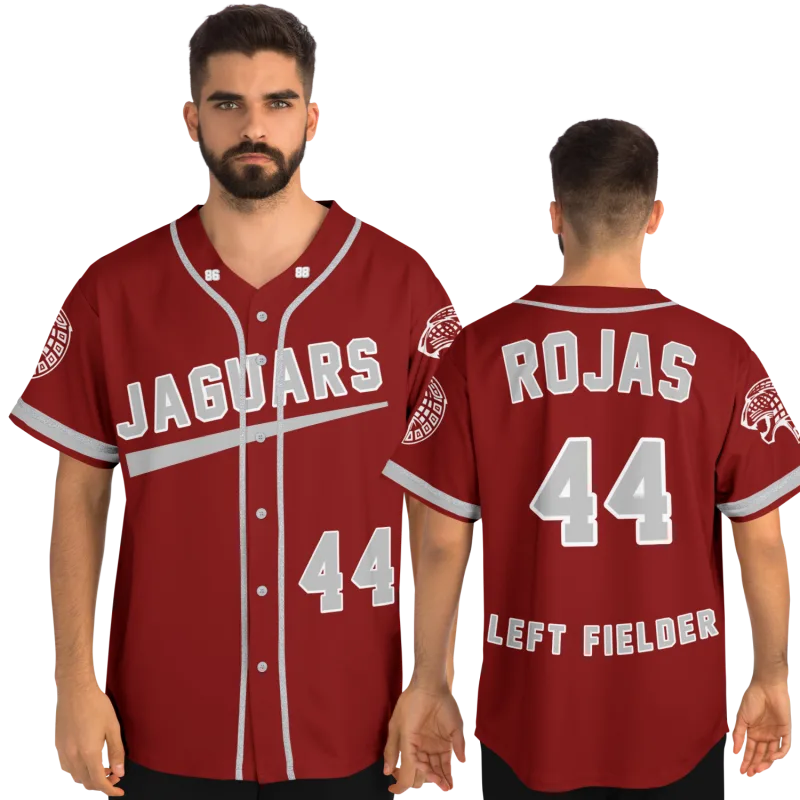
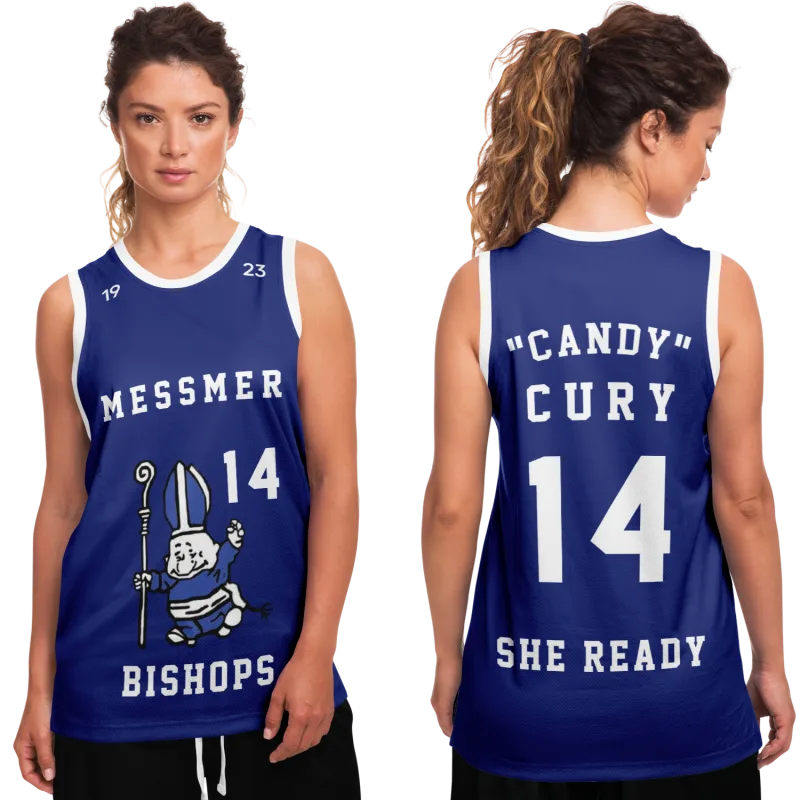
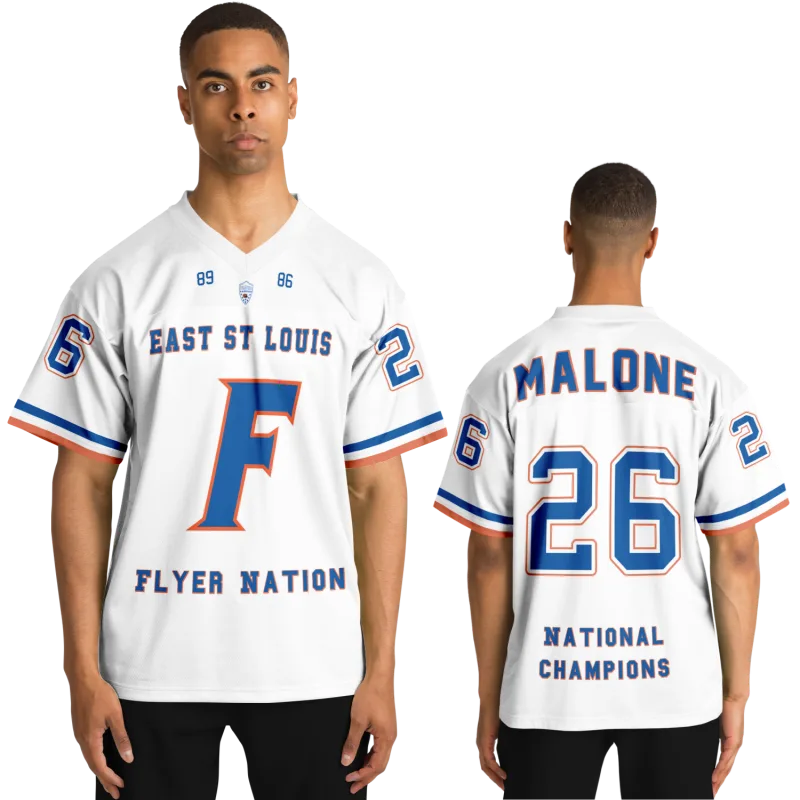
Pass something down. An athlete's jersey is among the most personal objects a person owns. It carries a name, a number, a school or team, a year. For a younger family member, receiving the jersey of someone they admire, whether that's a parent, an aunt, or a grandfather, can be a zawadi (gift) in the truest Kwanzaa sense: handmade, meaningful, and rooted in something real rather than store-bought and generic. Zawadi traditionally emphasizes gifts that are personal, often handmade or educational, and tied to the values of the holiday.
Support Black-owned businesses. In the spirit of ujamaa, route holiday spending toward Black-owned makers, bookstores, and shops wherever you can. It's the easiest principle to put into practice and one of the most direct.
When the Old Jersey Is the Story
There's a reason people hold onto a jersey for thirty years. It isn't about the fabric. It's about what the fabric stands for: a version of yourself that was fully committed, a group of people who were fully in it with you, and a stretch of time when purpose felt simple.
Denise R., 38, ran the 400 meters at a state university and still keeps her old track singlet in a shadow box. "My daughter asked me why I never threw it away," she says. "I told her it reminds me that I can do hard things when I'm surrounded by people who expect me to." That sentence is imani, ujima, and kujichagulia in a single breath.
Many former athletes find that the jersey they actually wore is lost, outgrown, or in a storage unit in another state. And that's often the quiet ache behind nostalgia: the thing that held the memory isn't there to hold anymore.
That doesn't have to be permanent. A recreation of your name and number, built the way you remember it, can sit on a wall, hang in a child's room, or become the centerpiece of the conversation you finally have this December about what your athletic years taught you. If you want to see what that could look like, explore custom jerseys built around the name, number, and colors you actually wore.
A note on framing: a recreated jersey isn't a replacement for the original, and it isn't a costume. Our team recommends thinking of it as a way to bring the story back into the room. Something your kids can touch while you tell it.
A Respectful Note for Observers
If Kwanzaa isn't part of your own family's traditions but you're drawn to its principles, the respectful approach is to learn, listen, and amplify rather than adopt wholesale. The Nguzo Saba belong to a specific cultural and historical context. You can absolutely be moved by them, discuss them with friends, and let them shape how you think about your own team experiences. Just avoid treating the holiday as a decorative theme. The best way to honor it is to read from sources rooted in the tradition. The official Kwanzaa website maintained by Dr. Karenga's organization is the most authoritative place to begin.
The Same Journey, Seven Days Long
Here's the part worth sitting with. Every athlete's journey is a compressed version of the Nguzo Saba. You began with unity, learning to be part of something. You claimed self-determination when you decided who you'd be on the field. You practiced collective work until it was instinct. You discovered, sometimes late, that purpose was the thing that made the sweat meaningful. You got creative when the game demanded it. And through every setback, faith carried you to the next day.
That's not a coincidence. These values are old because they're true. They show up wherever people work together toward something that matters, and a locker room is one of the clearest places on earth to watch them operate.
This December, you don't need a trophy or a highlight reel to prove any of it. You just need an evening, a few candles, and the willingness to tell one honest story about a time you played for something bigger than yourself.
Your jersey is still out there waiting.
Design yours in minutes and see your name and number exactly the way you remember it.
Frequently Asked Questions
What is the connection between Kwanzaa and sports?
Kwanzaa's seven principles (unity, self-determination, collective work, cooperative economics, purpose, creativity, and faith) mirror the values most athletes live during their playing years. Team sports in particular require umoja (unity) and ujima (collective responsibility), while individual drive reflects kujichagulia (self-determination) and nia (purpose). Many families use Kwanzaa's nightly discussions to connect those principles to personal athletic memories.
When is Kwanzaa celebrated, and how long does it last?
Kwanzaa is celebrated annually from December 26 through January 1, a seven-day observance. Each day is dedicated to one of the seven principles of the Nguzo Saba, and families light one candle on the kinara each evening while discussing that day's principle.
Is Kwanzaa a religious holiday?
No. Kwanzaa is a cultural holiday created in 1966 by Dr. Maulana Karenga to celebrate African American heritage, family, and community. People of many faiths observe it, and it is commonly celebrated alongside other holidays such as Christmas or Hanukkah.
What does zawadi mean, and how does it relate to gifts?
Zawadi is the Swahili word for gifts. In Kwanzaa tradition, gifts are meant to be meaningful, often handmade, educational, or tied to the values of the holiday, rather than purely commercial. Personal items like a framed team photo, a handwritten letter about your playing days, or a recreated jersey with a family member's name and number can fit the spirit of zawadi when they carry real personal significance.
Can I celebrate Kwanzaa principles if I'm not African American?
The holiday is rooted in African American culture and history, so the most respectful approach is to learn from authoritative sources, listen to those who celebrate it, and attend or participate when invited rather than adopting it as a decorative theme. Anyone can reflect on values like unity, purpose, and creativity in their own life, and acknowledging where those ideas come from is part of doing so with respect.
How can former athletes use Kwanzaa to reconnect with their playing days?
Try pairing each night's principle with one memory or object from your athletic past, such as a team photo for ujima or a first-roster letter for nia. Interview an older family member who played sports about which principle defined their experience, and record the conversation. These small practices turn nostalgia into a shared family tradition.
See also: what high school sports taught you that nothing else could | the bus ride home after a loss | athletic identity after high school | how to find and reconnect with former high school teammates