



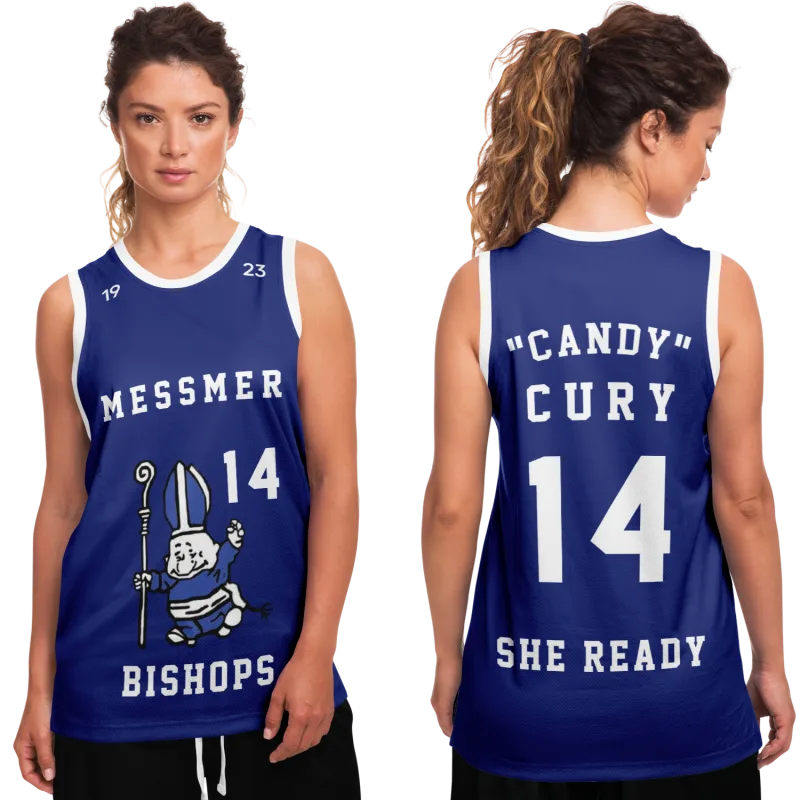


You still remember the sound of their whistle. Maybe you remember the way they said your last name, or the one sentence in the locker room that landed harder than any drill. And somewhere in the back of your mind there's a small, nagging thought: I never told them. If you've been wondering how to thank your high school coach, and whether it's too late, awkward, or pointless after all these years, this guide is for you. It isn't too late. It isn't pointless. And it is far easier than the dread suggests.
By the end of this article, you'll have a finished message in hand: one built from a real memory, sent through a channel that actually reaches your coach, in about fifteen minutes.
Why You Keep Putting This Off (and Why That Feeling Is Normal)
Almost nobody sends this message on the first impulse. The thought arrives in the car, at a reunion, when you see a stadium light on a Friday night. Then life takes it back.
The delay usually comes from three specific worries:
- "It's been too long." You assume the gap itself is an insult. It isn't. A message after twenty years lands as proof that something stuck.
- "They won't remember me." Possibly true, and it doesn't matter. Coaches work with hundreds of athletes over a career. A specific memory from you gives them something to hold onto.
- "It'll sound cheesy." Adults tend to hear gratitude as sentimental. Coaches hear it as the rarest kind of mail they get.
In our experience, the awkwardness is almost entirely on the sender's side of the screen. The person receiving a sincere note from a former player rarely experiences it as awkward. They experience it as a good day.
Why a Note Like This Hits Harder Than You Think
Here is what most guides on appreciating your high school coach leave out: coaching is a job with almost no feedback loop. Athletes graduate. They leave. The ones who were difficult, the ones who were quiet, the ones who were benchwarmers all walk out the same door, and the coach rarely learns how any of it turned out.
You get something out of closing that loop too. Naming what a coach gave you forces you to put words to a lesson you've been carrying without a label. Most people who write this note say they learned something about themselves while drafting it. That is the mutual benefit no generic thank-you-note article mentions: you are not only giving something, you are finishing a sentence you started at seventeen.

A 2020 study in the Journal of Positive Psychology found that people consistently underestimate how much a sincere expression of gratitude will mean to the person receiving it, and overestimate how awkward it will feel. Your hesitation is built on a miscalculation, and the research says to send it anyway.
Step 1: Pick the One Memory You'll Write About
This is the step that separates a note a coach keeps in a drawer from one that gets skimmed and forgotten. Do not write "thanks for everything." Write about one thing.
Ask yourself these questions and stop at the first one that gives you a clear image:
- What's the moment of tough love I resented then and understand now? The extra sprints. The benching. The hard conversation after the game you played badly.
- What did they say that I can still hear? One sentence is enough.
- When did they believe in me before I did? A position change, a captain's role, a late-season shot.
- What did I learn that I use at work or at home today? Showing up early. Taking accountability. Losing without falling apart.
Write the memory down in one or two plain sentences before you write anything else. That is your anchor. Everything else in the note exists to support it.
Step 2: Find Where Your Coach Actually Is
A beautiful note does nothing if it never arrives. Spend ten minutes on this before drafting.
Start with the school. Many coaches are still teaching or coaching at the same program. Check the school's athletics page or staff directory, and send the message to the school address or the athletic department with the coach's name on it.
Try social media. A quick search on Facebook or LinkedIn often turns up a coach's profile. A direct message is fine. Keep it short, and put the real note in the body, not "can I send you something?"
Ask a former teammate. There's usually one person in the old group chat who has stayed in touch. Ask for an address or email instead of guessing.
If they've retired or relocated, try the district office or the state coaches' association, who often forward mail.
If you cannot find them, don't abandon the note. Send it to the school marked "Attn: Coach [Name]" and write it anyway. Which channel you use matters less than the fact that you use one.
Step 3: Write It in 150 Words or Fewer
Short is the whole trick. A shorter note gets read to the end, gets reread, and gets kept. The structure has three parts, and each one can be a single sentence or two.
- Name yourself and the connection. Who you are, which years you played, which sport.
- Share the specific memory and what it did. Your anchor from Step 1, plus what it meant then and means now.
- Say thank you plainly. No hedging, no apology for the delay.
That's it. Resist the urge to summarize your career or explain why you waited so long.
A Template for Someone Who Hasn't Spoken to Their Coach in Years
Coach [Last Name],
I'm [Your Name], and I played [sport] for you from [year] to [year]. I don't know if you'll remember me, but I've been thinking about you for a while.
I still remember the day you [specific memory]. At the time I was frustrated. Now I realize it was the first time anyone had held me to a standard I didn't know I could meet. I think about it when I [specific adult moment: manage a team, miss a deadline, coach my own kid].
I never said thank you, and I wanted to. Thank you for [one specific thing].
[Your Name]
A Template for the Tough-Love Coach
Coach [Last Name],
You were the hardest coach I ever had, and I mean that as the highest compliment. When you [specific tough moment], I was angry for about a week. Then I realized you were the only adult who thought I could handle it.
Everything I know about showing up when it's hard, I learned on your field. Thank you for not letting me off easy.
[Your Name], Class of [year]
A Template for the Quiet Mentor
Coach [Last Name],
I was never your best player, but you treated me like I mattered to the team. When you [specific small kindness: drove me home, spoke up for me, gave me a role], it changed how I saw myself.
I wanted you to know that it stuck. Thank you for seeing me.
[Your Name]
Notice what these have in common. None of them are long. All of them contain one concrete detail only you could have written.
What One Former Player's Note Looked Like in Practice
Danielle R., 34, played varsity volleyball for a coach named Mrs. Okafor in the early 2000s. She'd intended to write for a decade. When she finally did, she kept it to six sentences: the name of the tournament where she'd cried after a missed serve, what Mrs. Okafor said in the van afterward ("One serve doesn't get to decide who you are"), and how she'd repeated that line to her own daughter. She sent it to the school office on a Tuesday. Mrs. Okafor, retired and living an hour away, wrote back by hand two weeks later. The reply said she'd kept the note on her refrigerator, and that it was the first time in twenty years a player had told her which of her sentences had actually landed.
That is the typical outcome. The note doesn't need to be impressive. It needs to be true.
Step 4: Choose a Format That Fits Your Coach and Your Comfort
You have four realistic options, and none is wrong.
- A handwritten letter. Slowest, and the one most likely to be kept. Worth it for a coach who defined your teenage years.
- An email. Fastest, and fine for a coach still active at a school. It also makes replying easy.
- A social message. Best for reconnecting after a long silence, especially when you don't have an address.
- A phone call or in-person visit. The most vulnerable and, for many people, the most rewarding. Send a short note first to ask if they'd like to talk.
If you're unsure, our team recommends a short written note first. It lets the coach respond on their own terms, and it gives you a clean record of what you said.
Step 5: Send It Before You Edit It Into Nothing
Sending is where this stalls. People draft a perfect note and then reread it eleven times until it feels either too small or too much. Use a simple rule: when the note contains one real memory and one plain "thank you," it is finished.
Try this:
- Read it once, out loud, to catch anything stiff.
- Fix only what's inaccurate or unclear.
- Send it within the hour.
You will not feel ready. Sending it is how readiness arrives.
What to Do If They Write Back (or Don't)
Most coaches reply, and the replies tend to be short, warm, and a little stunned. If yours does, answer once, simply, and consider offering a coffee or a call if you live nearby. Let them set the pace.
If you hear nothing, that is not a verdict. Letters get lost. Coaches change schools. Some people simply aren't good at replying. The note did its job the moment you sent it, because the purpose was never a response. It was the saying.
Ways to Go Further Than a Note
If a message feels like too little for what this person meant to you, there are ways to extend it without making it heavy.
- Pay it forward. Mention the lesson you took from them to your own kids, your own players, or a younger coworker. Tell the coach you did.
- Share a team memory. A photo from your playing days gives a coach something tangible to hold. Many people pair the note with an old team picture.
- Get your former teammates involved. A group note signed by five or six players can mean more than any one letter.
- Mark the moment with something from your playing days. Some former athletes send a framed photo or a piece of memorabilia from the era, and a few commission a custom jersey from their team years to give back as a keepsake. It's a personal gesture, not a requirement.
The note is the point. Everything else is optional.
Your Jersey Is Still Out There Waiting
Your jersey is still out there waiting.
Design yours in minutes and see your name and number exactly the way you remember it.
Frequently Asked Questions
What if my high school coach doesn't remember me?
It's very likely they remember something, and even if they don't, your note still works. Give them the details they need: your name, the years you played, the sport, and one specific memory. A coach reading that will either place you right away or simply be moved that someone took the time. Either way, the thank-you lands.
Is it weird to reach out after 10 or 20 years?
No. Longer gaps tend to make a note more meaningful, not less, because it shows the lesson lasted. Coaches routinely say that messages from former players decades later are among the most meaningful things they receive. Skip the apology for the delay and go straight to the gratitude.
How long should a thank-you letter to an old coach be?
Aim for 100 to 150 words. That's enough room for who you are, one specific memory, and a clear thank-you. Longer notes are fine if you genuinely have more to say, but brevity makes it more likely to be read in full and kept.
What if my coach was tough on me, or I had a complicated relationship with them?
You can still send a note, and it can be honest without being gushing. Acknowledge the difficulty and name what you took from it, such as discipline, resilience, or a standard you later appreciated. If the relationship was genuinely harmful, you are under no obligation to reach out. Gratitude is a choice, not a duty.
What if I can't find my coach's contact information?
Send the note to the school's athletic department addressed to the coach by name, and they'll usually forward it. You can also ask former teammates, search social media, or contact the district office. If the coach has passed away, consider writing the note anyway and sharing it with their family. Many families treasure hearing what their loved one meant to a former player.
Should I send a gift with the thank-you note?
Not necessarily. The note is the gift. If you want to include something, a team photo or a small keepsake tied to a shared memory means more than anything expensive. Keep it modest so it doesn't take attention away from your words.
Can I thank a coach who's still coaching, if I never played much?
Yes, and those notes are often the most appreciated. Coaches know they remember their stars. Hearing from a bench player or a role player who felt included tells them their program worked for everyone, not just the athletes who made the highlights.
See also: personalized gift that makes a former athlete feel seen | custom sports shadow box | why high school sports gifts mean more than you think | what high school sports taught you that nothing else could | how Senior Night still gets you emotional