

The number is out. Oklahoma is getting 13.5 points against Georgia in Week 4 of the 2026 college football season — and SportsLine's projection model is identifying value on the Sooners' side of that line.
Thirteen and a half points. That's not a spread. That's a verdict.
Tennessee against Texas. LSU against Texas A&M. Oregon against USC. Week 4 is the kind of Saturday that justifies every opinion you've held about fall since August. And if you ever pulled on a college jersey — if you ever sat in a locker room the night before a game with this kind of weight — you're not just absorbing score predictions right now.
You're remembering something.
That's the part no projection model captures.
What SportsLine's Model Is Saying About Week 4
The marquee number is Oklahoma (+13.5) against Georgia. SportsLine's system is flagging value on the underdog Sooners — meaning the model believes Oklahoma will either pull the outright upset or keep this within striking distance when the public consensus says Georgia should handle it comfortably.
The full Week 4 slate the model has analyzed includes:
- Tennessee vs. Texas
- LSU vs. Texas A&M
- Oregon vs. USC
- Oklahoma vs. Georgia
None of these are filler games. These are the matchups that shape early-season identity for programs that intend to be relevant in January. Every coaching staff inside these buildings understands the stakes. Every player who has lived through a late-September game with this kind of visibility understands it differently — from the inside out.
What the model does well is remove emotion. It processes historical performance, team efficiency metrics, opponent adjustments, schedule context, and outputs a number. Clean. Rational. Defensible.
What it cannot process is what happens in a locker room when nobody beyond that door believes the outcome is in question.
That variable doesn't have a coefficient. But it shows up in the box score often enough to matter.
For Anyone Who Ever Put On Pads: A 13.5-Point Spread Is a Feeling
For anyone who suited up at any level of college football, a 13.5-point spread isn't an abstraction. It's a specific emotional experience you've had — and depending on which side of it you were on, it hit you differently.

You've been the favorite. The team with the better record, the louder crowd, the film crew at Wednesday's practice. You know that particular pressure — the unspoken expectation hanging over every rep in the week leading up to kickoff. The way coaches avoid the phrase trap game while their entire preparation screams it. The hollow quality of a win that didn't look convincing enough.
Or you've been the 13.5-point dog.
If you've been the underdog by that margin, you know something the model doesn't model. You know what a number like that does to a room. There's a specific quality of silence that settles over a locker room when the outside world has already filled in the final score — and it isn't the silence of resignation.
Every former player knows exactly what that silence sounds like the night before kickoff.
It sounds like locked-in. It sounds like us against the math. And it sounds, sometimes, like the beginning of something no projection anticipated.
Tennessee-Texas and Oregon-USC Carry Their Own Particular Weight
Oklahoma-Georgia is the headline upset candidate in the model's Week 4 breakdown. But Tennessee-Texas and Oregon-USC run on different emotional fuel — and former players feel both of those games in a specific way.
These are brand collisions. Programs that carry history into every snap. When Tennessee plays Texas, the game is layered with decades of identity on both sides. The Vol Walk. The Forty Acres. Rocky Top echoing in one stadium while 100,000 people in another sing something they've known since childhood. When Oregon plays USC, it's a program that spent a decade building something new against a Los Angeles institution that spent that same decade working to remember who it used to be.
If you played college football — at any level, in any conference — you understand what a brand matchup does to preparation. You understand that certain opponents don't just require a game plan. They require a reckoning with what your program means, what you're representing, and what a result in either direction signals about where you're headed.
The model calculates efficiency differentials. It doesn't calculate what it means to a Tennessee linebacker to run out of that tunnel against Texas, or what it means to an Oregon lineman to line up against USC knowing exactly how long Oregon fans have wanted this program to be taken seriously on the national stage.
In our experience watching spreads behave in brand matchups, that particular weight tends to make these games more competitive than the numbers alone suggest.
LSU vs. Texas A&M: The Matchup the National Conversation Undervalues
LSU against Texas A&M is the Week 4 game that gets undersold in national media and overdelivers on the field with quiet consistency.
This rivalry operates on SEC rhythm. The specific heat of Baton Rouge or College Station in late September. The institutional stubbornness of both fan bases. The way each program approaches a conference opponent with a different quality of attention than they bring to anyone else on the schedule. There's a texture to this game that doesn't translate well into a spread — and that texture is exactly what makes it dangerous for whichever team walks in without full respect for it.
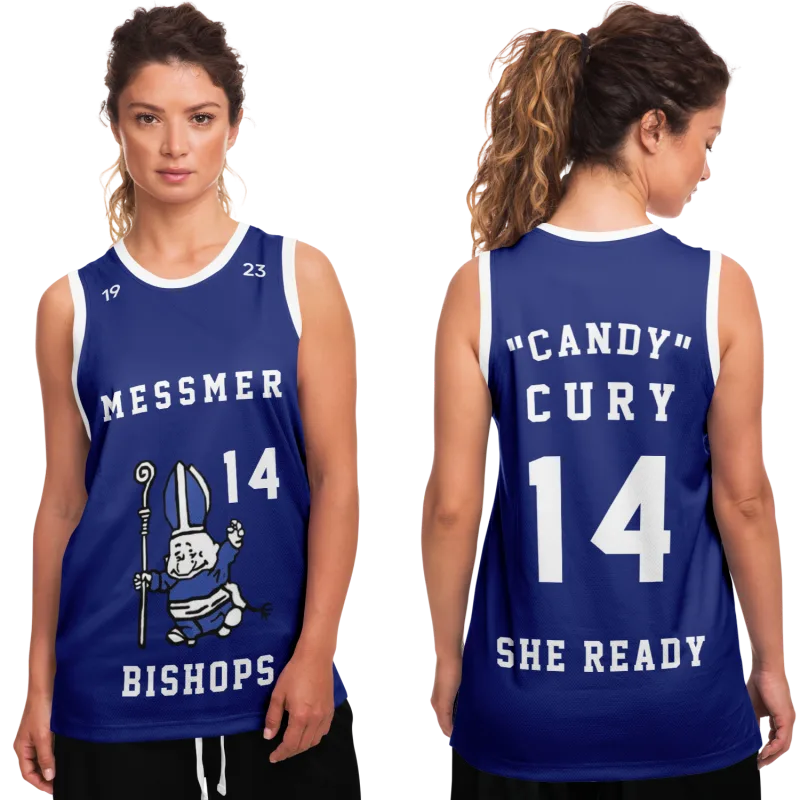
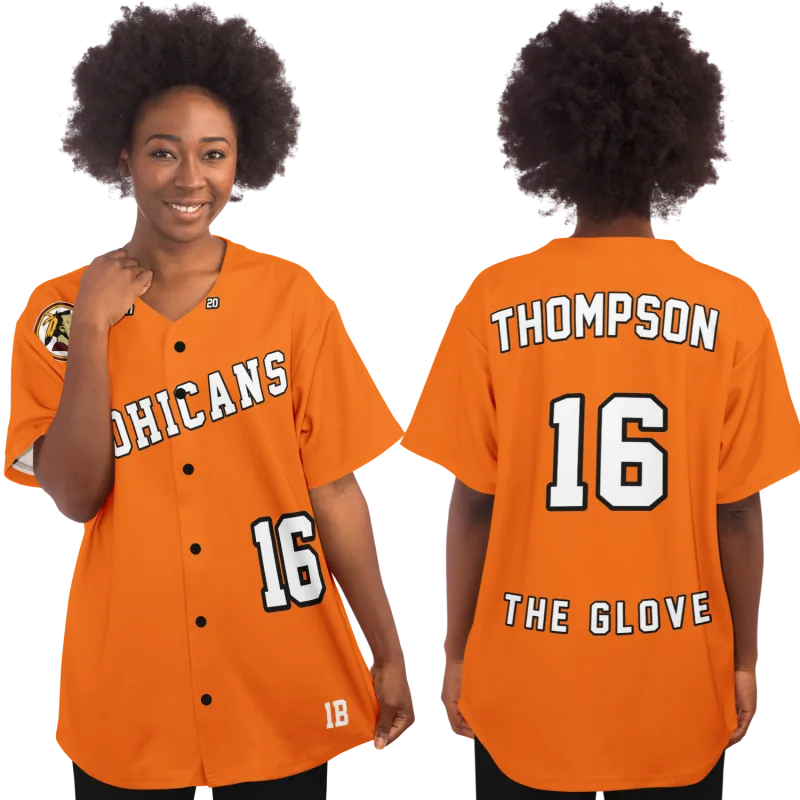
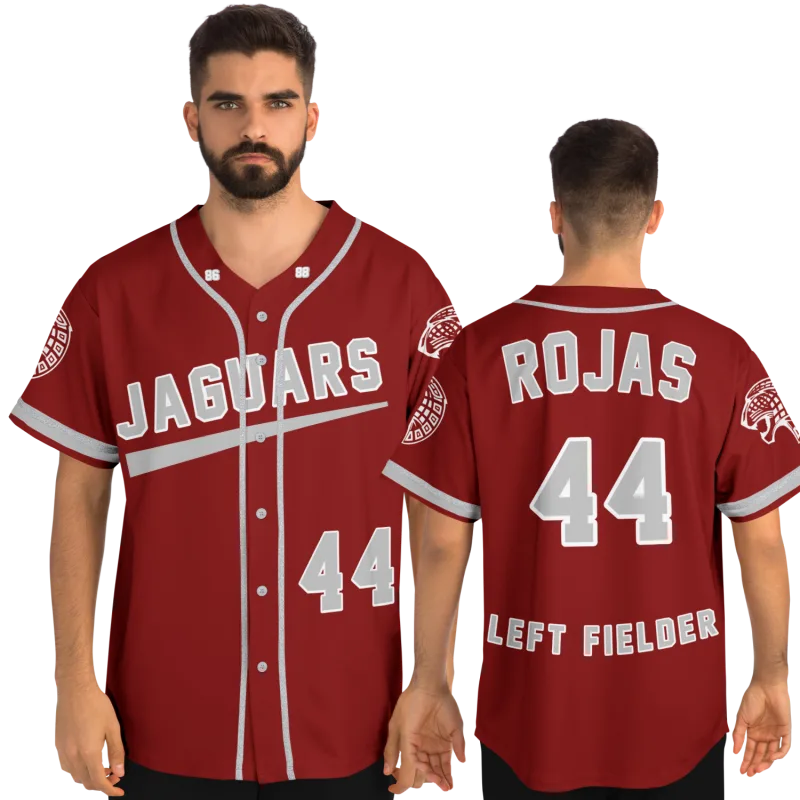
Marcus T., 34, played defensive line for a mid-major program in the Gulf South Conference — two divisions and a different atmosphere entirely from the SEC. He remembers watching LSU-Texas A&M on someone's phone in the equipment room during pre-game warm-ups on his own Saturdays. "That was the standard," he says. "We all measured ourselves against that. Playing in a game that mattered that much to that many people." He wears a custom jersey now — his college number, his name, a tribute to the program that shaped him — and recently had a second one made for his oldest son, who just started playing youth ball. The number carries the story forward.
The model runs the efficiency numbers on LSU-Texas A&M and produces a line. What it can't run is the weight of what this game means to the people inside it.
Remember the Week Your Team Was Supposed to Lose
There's a memory that sits in the back of every former player's mind. Specific. Located. You can find it if you let yourself.
The week your team was counted out.
Maybe you saw the number on a screen — a prediction, a line, a power ranking that had your program finishing somewhere nobody was proud of. Maybe a coach read it in the film room on purpose. Maybe you overheard it from someone who didn't know you were within earshot.
And then Saturday happened.
Former players don't remember those games the way the outside world catalogues them. You don't remember the final score first. You remember the first series of the second half when you felt the other team's energy shift. You remember one specific play — a block you threw, a route you ran, a tackle you made — when the game turned and you knew it before the scoreboard caught up. You remember the sideline in that moment. The way your teammates looked at each other.
The model's job is to predict the scoreboard. Your memory lives somewhere underneath it.
Oklahoma's roster going into Athens as 13.5-point underdogs will have players who've already seen that number. Some will have it on their phones. Some will have a coach put it on the wall of the position room before Wednesday's film session.
That's not a motivational strategy. That's just what happens when you're the team the public has already moved past.
What Week 4 Results Mean for the Season That Follows
Results in Week 4 carry downstream consequences that extend well past the immediate standings.
A favored team that wins convincingly builds the resume depth that matters in November committee discussions. A favored team that wins ugly — or doesn't win — immediately starts doing playoff math: how many quality wins are needed to recover, which remaining opponents now carry elevated importance, does this result disqualify or merely complicate.
An underdog that covers — or wins outright — does something more durable than move up a ranking. It establishes an identity. It tells the players in that locker room, the coaching staff in those film sessions, and the committee watching from a distance exactly what this program is capable of when the external conversation has already moved on.
That's what October is constructed on. Programs that navigate September correctly — road games, rivalry games, significant spreads — those are the programs still practicing in December.
For Georgia, a decisive win is the expectation. What the committee actually evaluates is the manner of it — does this look like a team with the profile to compete for a national title, or a team that beat a spread against an underdog that simply wouldn't quit?
For Oklahoma, covering 13.5 in Athens changes something inside the program. Not just for this season. For how these players understand what they're capable of building.
The Number That Doesn't Expire
The model will produce a result for Week 4. Oklahoma will cover or it won't. Tennessee-Texas will go one direction or another. Someone will call the Oregon-USC result a surprise. Three weeks from now the conversation will have fully moved to October.
But there's a number connected to this sport that doesn't have an expiration date.
The one you wore on your back.
That number was on your jersey during the games you were supposed to win and didn't. It was on your back during the games where the spread said you had no business being competitive. It was there on Saturday afternoons you can still locate physically — the specific weight of full pads before a road game, the specific cold of an October morning during warm-ups, the specific sound a home crowd makes when you do something that matters.
No projection model has access to that data. You carry it.
It doesn't depreciate. It doesn't get adjusted for opponent strength. It's yours — a tribute to every snap you took, every film session you sat through, every locker room you walked into not knowing exactly how the next three hours would go but knowing you were ready to find out.
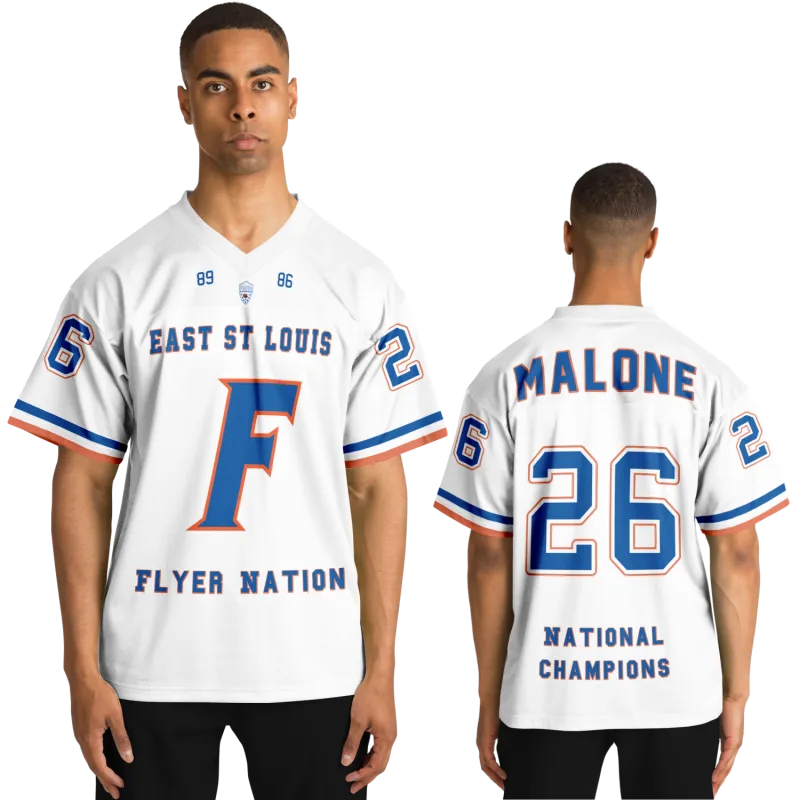
That number is worth honoring. In the style of what you built, on a jersey that brings it all back.
Your Jersey Is Still Out There Waiting
Design yours in minutes and see your name and number exactly the way you remember it — a tribute to the program, the teammates, and the Saturdays that never fully leave you.
Frequently Asked Questions
Why is SportsLine's model backing Oklahoma as a 13.5-point underdog against Georgia?
Projection models identify value when their efficiency-based calculations suggest a line has been moved beyond what the underlying team quality data supports. A 13.5-point spread is a large number — when a model flags value on the underdog side, it means the system believes the performance gap between the two teams is smaller than that margin implies. It isn't a prediction that Oklahoma wins. It's a projection that Oklahoma keeps the game closer than the public consensus has priced in.
What do Week 4 college football results mean for CFP positioning?
Week 4 sits early enough in the season that a single result rarely eliminates a program from playoff consideration — but it shapes the quality win and quality loss profile that the selection committee evaluates across the full body of work. Games like Tennessee-Texas, LSU-Texas A&M, and Oregon-USC establish early-season credibility or create recovery math that follows a program through November. Teams that handle the identity games of September well tend to have the resume depth to survive late-season adversity.
How do college football prediction models evaluate large underdog spreads?
Models build expected point totals from team efficiency ratings — offensive and defensive performance adjusted for the quality of opponents faced. Home-field advantage, rest differentials, and schedule context are factored in. When a model's calculated expected margin differs significantly from the market line, the model flags that gap as a potential value indicator. The larger the spread, the more opportunity exists for the model's efficiency data to diverge from public sentiment, which is often shaped by brand reputation and recent visibility rather than underlying performance metrics.
What makes LSU-Texas A&M consistently competitive despite national media underrating it?
The LSU-Texas A&M rivalry operates on SEC institutional familiarity — both programs understand each other's tendencies at a depth that comes from years of conference proximity. Both fan bases bring a quality of investment to this specific game that elevates preparation on both sidelines. Games played within established rivalry frameworks tend to be more competitive than efficiency metrics predict because the emotional stakes compress the performance gap between teams that might look uneven on paper.
See also: most football-crazy states in America | what playing under the lights actually felt like | difference between a sports fan and someone who actually played