

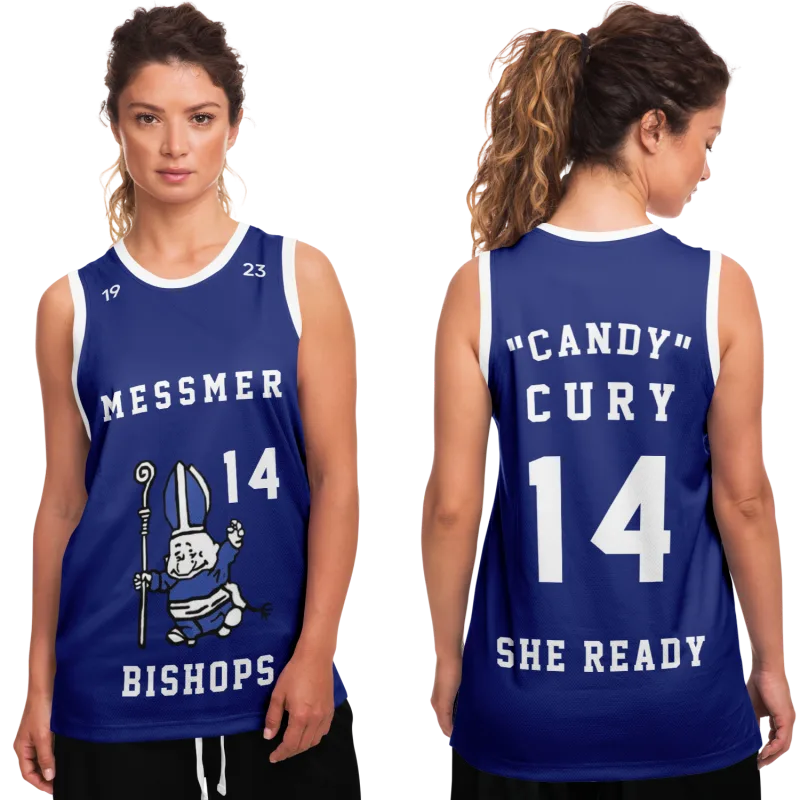
The Choctaw at Muskogee live updates for Oklahoma high school football captured something that goes well beyond a scoreboard — what this game means if you ever played is the kind of thing a box score was never built to measure. The Yellowjackets traveled to take on an undefeated Roughers squad in a legitimate Top 25 collision, and Sports Illustrated's high school sports desk tracked every possession as it unfolded. But if you ever wore a number on a Friday night — at any level, in any town, for any program — you were watching this game on two screens at once. The one in front of you, and the one running somewhere behind your eyes.
That second screen is the one this piece is about.
What Was Actually at Stake in Choctaw vs. Muskogee
The stat sheet tells one version of Friday night.
Muskogee came in undefeated. The Roughers had been building something real since August — the kind of record that makes opposing coaches recalculate on the bus ride over, the kind that turns a home sideline into a place visiting teams genuinely dread walking into. Choctaw's Yellowjackets made that trip anyway. Not to witness the streak. To dismantle it.
That's the surface story. That's what the final score captures.
What it doesn't capture is the week leading up to it. The Thursday walkthrough where the energy shifts — quieter, sharper, more deliberate than any other practice all season. The moment in the film room when the coaching staff stops talking about tendencies and starts talking about belief. You don't beat an undefeated Top 25 program by running the right scheme. You beat them by deciding, somewhere between the parking lot and the tunnel, that you belong on that field with them.
Oklahoma high school football carries a weight that people outside the state consistently underestimate. These aren't just games. The communities built around them are generational. When Muskogee hosts on a Friday night, the crowd isn't ambient noise — it's structural. It's part of what the program runs on, part of what makes the home field mean something real to visiting teams. And when Choctaw arrives carrying their own tradition and their own conviction, what follows is football in its most honest form: two programs putting everything they've built against each other and finding out what holds.

That's what was at stake Friday. And if you've ever played in a game with that exact shape — home team protecting something, visitors trying to take it — you felt this one in your shoulders before the first whistle.
Every Former Player Watches on Two Levels
Watching a game like Choctaw at Muskogee when you used to play is nothing like watching it as a fan.
Fans track the scoreboard. Former players track the sideline.
You watch the body language after a failed third-down conversion — not just the frustration, but whether the unit resets or whether something quieter and more damaging starts to settle in. You watch the offensive line between series to see if they're still talking, still correcting, still competing as a unit or starting to retreat into individual damage control. You notice the moment a linebacker makes a stop and looks back at his defense with that specific expression — not a celebration, just a check — because that look means something about where a team is mentally that no broadcast will ever explain.
You know all of this because you lived it. You were the one who had to keep your face composed when a drive died at the worst possible moment. You were the one who caught a teammate's eyes after a breakdown and communicated, without a word, that the next series was a new game. None of that is something you learn from watching. It's something you carry after competing.
When Choctaw lined up against an undefeated Muskogee squad, every snap carried that accumulated weight. Two programs, built through months of invisible work, meeting in a moment that will define something about how both groups of players remember this season. The Roughers had a record to defend. The Yellowjackets had a statement to make. Anyone who has played in that dynamic — visitor, hostile environment, odds tilted toward the home side — knows the game often turns on something the cameras never find.
One possession that drains four minutes and puts points on the board when legs are already heavy. One special teams play that resets what both sidelines believe is possible. One stop on fourth down that changes the entire emotional architecture of the final quarter.
You've been in that game. You know precisely what those moments feel like when you're living them.
The Thread That Connects Every Friday Night Program
Marcus T., 34, played defensive end for a Class 5A program in central Oklahoma in the early 2010s. He still talks about a road game his junior year — undefeated opponent, packed home crowd, a bus ride where the coaches didn't put music on because the silence said more than any playlist could. His team lost. But what he carries from that night has nothing to do with the final score. It's the moment somewhere in the third quarter when he realized his team had made an undefeated program genuinely work for every yard — that they'd belonged in that game from the first snap to the last. "You find out something about yourself in those games," he said. "The scoreboard doesn't tell you what you actually learned."
That thread runs through every Friday night program worth remembering.
The games that stay with former players aren't always the championships or the blowout wins. They're often the ones where the circumstances were hardest — the long road trip, the hostile crowd, the opponent with the longer roster and the louder reputation — and the team competed anyway, and something real emerged from that competition. Sometimes it's a comeback. Sometimes it's a close loss that shows a program what it's capable of building toward next season. Either way, something is deposited that never fully leaves.
Choctaw made that trip to Muskogee. The Yellowjackets walked into an environment designed to make visiting teams feel like they've already lost, and they competed in a Top 25 game on the biggest Friday night either program had seen in a while. Whatever the final margin, both groups of players walked away knowing something about themselves and their programs that a comfortable home game could never have taught them.
That's Oklahoma high school football doing precisely what it was designed to do.
What the Game Builds That Stays With You
There's a reason former players watch games like this differently than everyone else in the room — and it runs deeper than nostalgia.
High school football at this level teaches something genuinely rare: how to be personally accountable inside a structure that is larger than any individual. Your assignment matters on every single play. The team's success depends on collective execution. Both of those things are true simultaneously, and learning to hold them together — especially when the game is hard, the crowd is loud, and the margin is thin — is a form of education that doesn't expire.
When you watch Muskogee's Roughers enter a game undefeated, you're watching the accumulated result of decisions made when nobody was filming. Every August two-a-day when the heat index made everything harder. Every Thursday in October when the legs were tired and the focus had to be constructed from will rather than energy. An undefeated record at this level isn't a stroke of luck. It's a deposit ledger of right decisions made over months by a large group of people who could have chosen differently at any point.
And when you watch Choctaw come into that environment and compete — with belief, with preparation, with the specific kind of collective courage that only shows up in road games against undefeated opponents — you're watching that same discipline expressed from the other direction.
In our experience talking to former players across programs, positions, and decades, the ones who played in games shaped like this one return to them differently than they return to easier wins. These games become reference points. Not just for the season, but for the players themselves — for what they learned about showing up when the conditions were designed to make showing up feel optional.
That's what Choctaw at Muskogee produced Friday night, regardless of the score. A reference point for every player on both sidelines.
The Colors You Wore Still Mean Something
There's a moment most former players recognize instantly but rarely try to put into words.
It happens when you catch your old school's colors somewhere you weren't expecting — a highlight clip, an old photograph, a tribute jersey hanging on someone's wall — and something happens before your brain fully processes what your eyes have seen. It's faster than thought. Your body recognizes it before your memory does.
The number you wore. The cut of the uniform. The specific shade of your program's colors — whether that's Muskogee's gold, Choctaw's black and gold, or whatever combination belonged to your school and your years — you would know it in any context, in any light, at any distance.
That recognition isn't decoration. It's identity that was built in locker rooms exactly like the ones both these programs used Friday night, through seasons that asked something real from everyone who participated. It becomes part of how you understand yourself — as someone who competed, who wore that number, who showed up for games that were bigger than any individual outcome.
Watching Choctaw at Muskogee has a way of bringing all of that back into focus. The way stadium lights look from the field is different from the way they look from the stands — former players who made that walk know exactly what that difference feels like. The sound of pads in warmup, the smell of the end zone grass in October, the specific weight of a helmet before a game that matters — all of it lives somewhere in the people who played, waiting for exactly this kind of Friday night to surface it again.
Your Jersey Is Still Out There Waiting
Design yours in minutes and see your name and number in the style of the program you played for — a tribute to the team, the season, and the version of yourself that showed up every Friday night.
Whether your colors were Muskogee gold, Choctaw black, or the specific combination that belonged to your own program, the jersey you earned is worth honoring.
Frequently Asked Questions
Where can I follow the Choctaw at Muskogee live updates from the Oklahoma high school football game?
Sports Illustrated's high school sports desk provided live coverage throughout the game, tracking scoring drives, key defensive series, and momentum shifts as they happened. The full live update thread covering the Yellowjackets' effort against the undefeated Roughers is available at SI's Oklahoma high school football coverage page.
What made the Muskogee Roughers a Top 25 program coming into this game?
Muskogee entered the Choctaw matchup with an undefeated record built against genuine competition — not a soft early schedule. At this level of Oklahoma high school football, an unblemished record through the heart of the season reflects consistent execution across every phase of the game, sustained collective belief, and the kind of program culture that makes Friday nights at home difficult for visiting teams to navigate. That combination is what earns a Top 25 ranking in Oklahoma, and that's what Choctaw walked into.
How does Choctaw fit into the Oklahoma high school football landscape?
Choctaw fields physical, well-coached rosters with a tradition of competing in high-stakes games. The Yellowjackets' willingness to travel to Muskogee and challenge an undefeated Top 25 squad reflects a program culture that doesn't treat road games against tough opponents as obstacles — it treats them as the point. That orientation is what separates programs that build lasting traditions from programs that accumulate comfortable wins.
Why do former players experience high school football games differently than casual fans?
Former players watch with a layer of pattern recognition that comes from having lived the exact moments they're observing. They understand what it costs — physically, mentally, emotionally — to compete in a hostile road environment against a team that hasn't lost. They recognize the sideline signals that broadcast cameras never catch: the body language between plays, the communication patterns within units, the specific way a team responds to adversity that reveals whether it's built to compete for four quarters or just until things get hard. Casual fans see the scoreboard. Former players see the game underneath the game.
See also: why high school sports still matter to adults long after the final whistle | what playing under the Friday night lights actually felt like | the grief that comes with your last season of high school football | Oklahoma is one of the most football-crazy states in America for a reason