

West Virginia just handed its fan base something most transfer additions don't come with this early in camp: a real number.
JaCorey Thomas — the former Georgia defensive back who officially joined the Mountaineers after a stop at Oklahoma — is projected to see meaningful snaps in the nickel/sam role under defensive coordinator Zac Alley. He'll wear No. 30. The projection landed before the Oklahoma State matchup, and for WVU fans reading the depth chart signals, it carries more weight than a standard roster update.
For anyone who ever pulled on a helmet and lined up in a secondary, a snap projection hits differently than a portal announcement. It answers the question that actually matters — not whether a player arrived, but whether the program trusts him enough to deploy him when the stakes are real.
That distinction is everything. And if you played, you already know it.
What the Snap Count Actually Tells You
Fan sites love to announce transfers. They post the photo, the position tag, the stars from the old recruiting profile. What they rarely slow down to explain is the gap between a player who is on the roster and a player who is in the rotation.
JaCorey Thomas being projected for snaps before Oklahoma State is not a courtesy mention buried in a depth chart update. It is a declaration from the coaching staff that he has absorbed enough of the defensive playbook, demonstrated enough on the practice field, and earned enough film-room credibility to be deployed in a real game at a real moment.
Defensive coordinators operating in the Big 12 — where spread offenses can dissect a secondary in three plays if the nickel is a half-beat late on an assignment — do not distribute snaps as a reward for showing up. Zac Alley did not build his reputation by putting players on the field who were still mentally processing the signal calls.
This projection communicates something specific to WVU fans: Thomas walked into Morgantown, learned a new system under real pressure, and convinced the staff he could execute it in a game. For most transfers, that process runs longer than one preseason. The fact that it didn't for Thomas says something about both the player and the fit he found in this program.
Every Former Defensive Back Knows This Feeling
Remember when you finally got the signal that you were going to be on the field?
Not the general encouragement from a position coach after a good rep. Not the "keep grinding" and "you're trending the right direction." The actual, concrete confirmation — your name called in a team period that wasn't a development rep, your number listed somewhere that meant something, the nod from the coordinator after you ran an assignment correctly in a live situation.
For defensive backs, that moment carries a specific weight. You spend weeks in coverage drills clicking your feet on air, running drops against cones, absorbing scheme until the terminology stops sounding like a foreign language. You process an avalanche of concepts before you ever line up against a live receiver who is trying to embarrass you. And then one afternoon during a team session, the coordinator walks past after a play and says something quiet. Maybe just a word. Maybe just a look.
But you know what it means.
That is what a snap projection represents from the outside looking in. It is the program's external version of that nod — the public confirmation that someone in the building has watched this player every day and decided he is ready to be trusted with real assignments against real competition.
Every former player who transferred mid-career understands what that trust costs to earn. You do not arrive at a new program and inherit credibility. You show up, prove you can run the scheme cleanly, prove you will not put your teammates in compromised positions, prove you understand what a blown assignment costs at this level. Then, if you have done all of that, you get the nod.
JaCorey Thomas has apparently earned that nod in Morgantown. That is not nothing.
The Nickel/Sam Role and Why It Is Not a Soft Assignment
Thomas is listed at nickel/sam — a hybrid designation that gets labeled differently depending on the system, but the core responsibility stays consistent: you are the bridge between the defensive line and the secondary, and you have to be right in multiple conflict situations simultaneously.
In Alley's structure at West Virginia, that means handling slot receivers in man coverage, holding the edge against run-game misdirection, blitzing off the edge when the call demands it, and rotating into zone when the coverage structure shifts. It is not a position you give to a player who is still thinking. It is a position for someone who has moved the thinking into muscle memory so he can play fast.
That is exactly why the Georgia background matters here. Thomas spent time inside Kirby Smart's defensive program — one of the most technically demanding secondary environments in college football. Players who absorb that system and then move on carry something that transfers with them: a baseline standard for assignment discipline, coverage precision, and what it looks like when a defense operates without shortcuts.
That foundation does not disappear when the jersey changes. It travels.
What Alley is getting at the nickel is not just an experienced body. He is getting a player who has been held to a championship-level standard in a secondary and survived it long enough to understand what real defensive precision requires. That background is a meaningful advantage when the learning curve for a new system is already compressed.
Marcus T., 34 — Former College Safety, Still in the Film Room Every Saturday
Marcus T., 34, played safety at a mid-major program in the mid-2010s and has watched college football with what his wife calls "an unreasonable level of technical detail" ever since he finished his eligibility. When the Thomas snap projection surfaced before Oklahoma State, his reaction had nothing to do with recruiting stars or transfer portal rankings.
"I went straight to the position," he said. "Nickel/sam, projected snaps, one offseason in a new system. That is not something you hand out. I spent half a season as a backup just learning one coverage structure at my level. If he is getting real reps before a Big 12 game, somebody in that building trusts him."
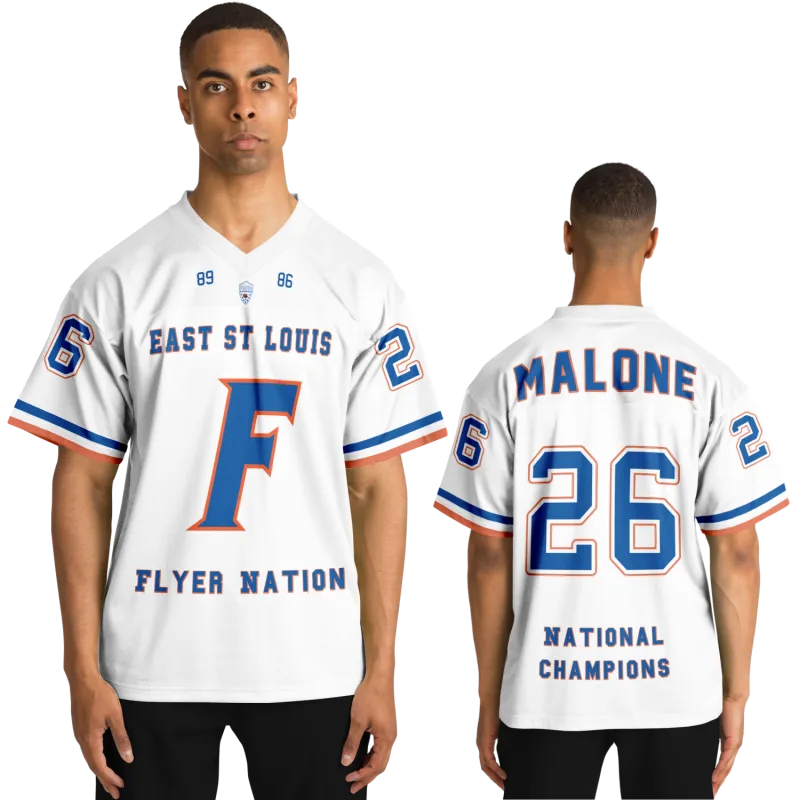
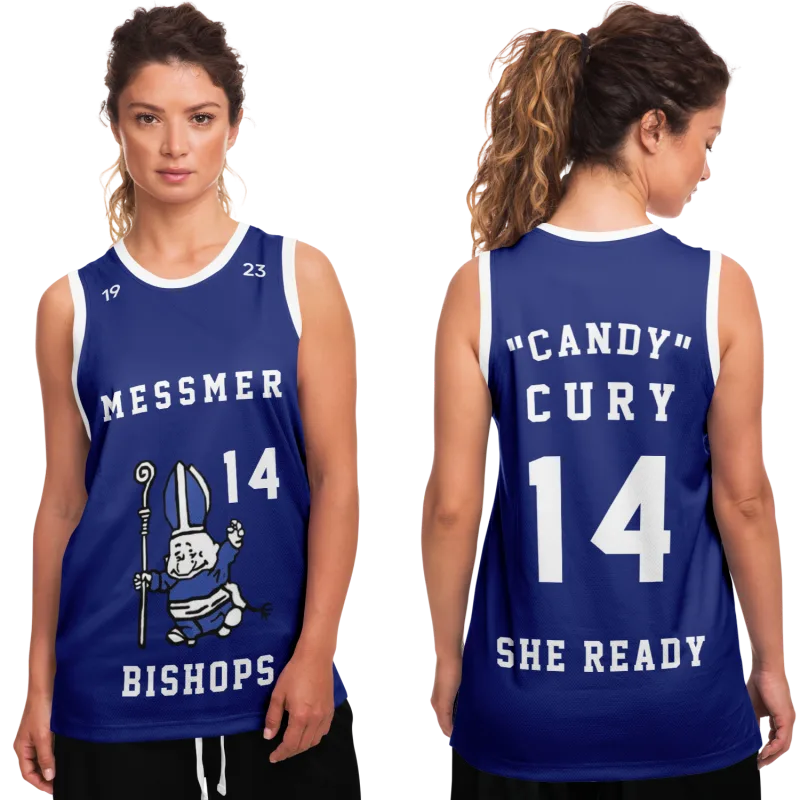
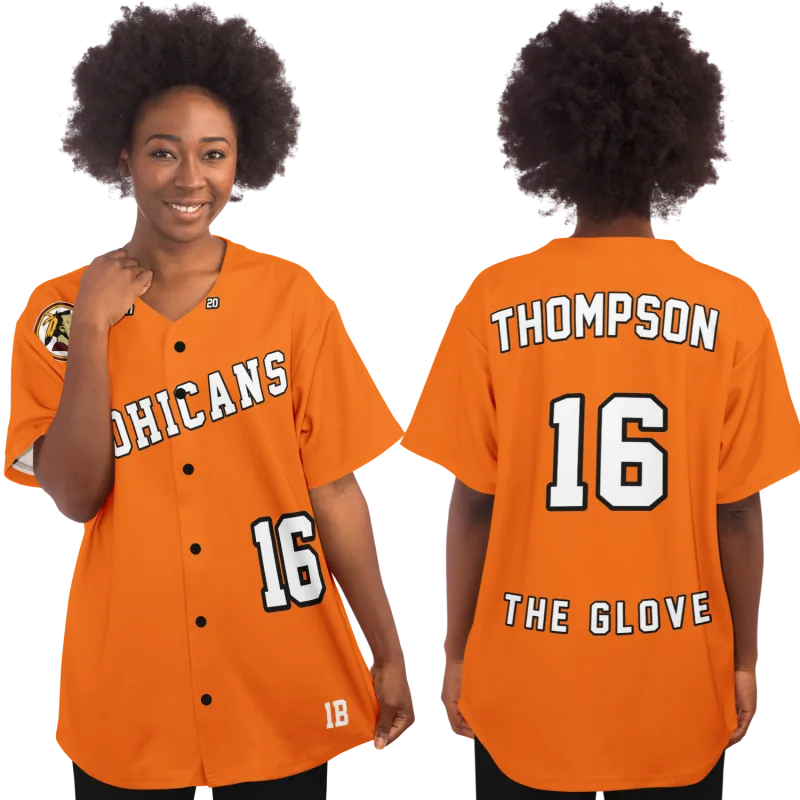
Marcus keeps a customized jersey — styled as a tribute to his college playing days, with his number and name across the back — hanging in his home office. He does not describe it as nostalgia for a finished chapter. He says it is a reminder of what the whole experience actually demanded, and what it felt like to be trusted enough to be on the field when it mattered.
That quiet pride is exactly what a snap projection stirs in former players. It is not just roster news. It is recognition of a process they lived through themselves.
What This Means for West Virginia Against Oklahoma State
Oklahoma State's offense is not the kind of unit that exposes a shaky nickel rotation and moves on politely. The Cowboys have the personnel and the scheme intelligence to attack the slot with tempo and precision. If West Virginia's hybrid defender is a half-second late in recognition or hesitant in his drop, a well-designed route combination can turn into sustained field position before the defense adjusts.
Alley projecting Thomas for meaningful snaps in this matchup is, in that context, a statement of confidence in the overall defensive construction heading into a genuine test. You do not expose a new transfer in a demanding assignment unless you are genuinely comfortable with what he has shown you in controlled environments.
The detail worth tracking on game day is not simply whether Thomas plays. It is how the defense uses him situationally. Is he on the field in third-and-medium? Is he staying on in two-high structures, or rotating off in specific personnel groupings? Those in-game deployment decisions communicate more about the staff's actual trust level than any preseason projection.
Former players watch games this way — not just following the ball, but tracking who is on the field in which situations and what that tells you about the coaching staff's real hierarchy of trust. If Thomas is deployed in the moments that define the game, the projection is confirmed. If he rotates off at critical junctures, the depth chart still has a chapter to finish.
Both outcomes carry information. The game itself is always the honest answer.
The Transfer Portal Changed the Jersey — Not the Work Required to Earn a Spot
There is a version of the transfer portal story that treats movement between programs as a shortcut — as though changing the logo on your chest accelerates the process of becoming trusted in a new defensive system.
It does not. Former players understand this without needing it explained.
When you transfer, you reset the relationship with the coaching staff. The new coordinators do not know how you respond when the scheme puts you in a difficult position with no help coming. They do not know how you practice on a tired Thursday in week six of fall camp. They know your film from somewhere else, which is a starting point — not an arrival.
The work of building trust in a new program is identical to the work of building it in any program. It is just compressed when the player is the right fit and the staff is the right environment.
JaCorey Thomas at West Virginia, in the nickel/sam role, operating in Zac Alley's system, appears to be a genuine fit. The snap projection is the staff's early confirmation of that read. WVU fans should receive it as exactly what it is — not a guarantee of a breakout season, but an honest signal from people who watch this player every single day that he has earned the right to be on the field.
That is as direct an endorsement as a coaching staff offers before the first real snap of a season.
The Number on the Back
No. 30.
There is something specific about knowing the number. Not just the name on the transfer wire, not just the position tag in a depth chart graphic — the actual number a player will wear when he lines up in front of a stadium full of people who have followed this program their entire lives.
Every former player remembers the first time they saw their own number on an actual game jersey. Not the practice mesh, not the scout team pinnie. The real thing, with the real number, in the real colors. It is a surprisingly significant moment for something constructed from fabric and thread.
For WVU fans, seeing Thomas listed as No. 30 makes him concrete in a way a portal announcement cannot. He has a number. He has a position. He has a snap projection. He is becoming a Mountaineer in the specific, tangible way that a player becomes part of a program — not at the moment he signs, but at the moment he steps onto the field wearing the colors in a game that counts.
That transition from transfer addition to genuine contributor is what every fan base waits to see confirmed. Oklahoma State is going to be one of the first real answers.
Your Jersey Is Still Out There Waiting
JaCorey Thomas is about to step onto the field in his No. 30 West Virginia jersey and write his name into this team's story. You have a story too — and a number that meant something to the people who watched you play.
Design yours in minutes and see your name and number exactly the way you remember it — a tribute to every rep, every practice, every moment you earned the right to be on that field.
Frequently Asked Questions
Who is JaCorey Thomas and what is his background before West Virginia?
JaCorey Thomas is a defensive back who developed at Georgia before transferring to Oklahoma and then landing at West Virginia. His time in Kirby Smart's program gave him experience inside one of the most technically demanding secondary environments in college football, and that foundation travels with him into Zac Alley's system in Morgantown.
What does the nickel/sam position require at the college level?
The nickel/sam is a hybrid role that demands versatility across multiple conflict situations. The player must cover slot receivers in man coverage, support the run game from the edge, execute blitz assignments when called, and rotate through zone structures depending on the coverage call. It requires fast processing and assignment discipline — it is not a position coaching staffs hand to players who are still learning the scheme.
Why does a snap projection matter more than a simple roster announcement?
A roster announcement confirms a player is in the building. A snap projection confirms the coaching staff trusts him enough to deploy him in a real game. At the Big 12 level, that trust is earned through practice performance, film review, and demonstrated scheme comprehension — not through transfer portal reputation alone. The projection is the staff's public signal that Thomas has cleared those internal benchmarks.
How does Thomas's Georgia experience help him adjust to West Virginia's defense?
Georgia's defensive program runs at a standard of technical precision that demands immediate assignment accountability from every player in the secondary. Players who absorb that standard — even before transferring — carry a baseline understanding of coverage discipline and scheme complexity that gives them an advantage when learning a new system under a compressed timeline. Thomas brings that background into Alley's structure in Morgantown.
What should WVU fans watch for when Thomas is on the field against Oklahoma State?
Beyond simply tracking whether Thomas plays, watch the specific situations in which he is deployed. Third-down personnel groupings, two-high shell structures, and blitz packages will reveal how broadly the staff trusts him. If he is on the field in high-leverage moments rather than only in favorable down-and-distance situations, the snap projection is confirmed as a genuine statement of trust rather than a development opportunity.
See also: what high school sports taught you that nothing else could | most football-crazy states in America | the difference between a sports fan and someone who actually played