


You can still hear it, can't you? The specific tone of his voice when he told you that you were slacking in practice. Or the way she shoved past you in the drill line and didn't say sorry. Maybe it was a fight in the parking lot, or a week of silence at the end of junior year, or just a look across the locker room that said everything.
If you're searching for answers about conflict with high school teammates, you probably aren't looking for a pamphlet on conflict resolution. You're looking for something harder to name. You want to understand why the person you clashed with hardest is the one who shows up in your memory more than the teammates who were nice to you.
Here is the idea this article is built on: much of the rivalry inside your own team wasn't the opposite of respect. It was one of its loudest forms. This isn't a license for every bad behavior in every locker room. We'll draw that line clearly. But there is a version of teammate friction that makes you better, and it's a version the sentimental "we were a family" posts leave out entirely.
The Memory That Doesn't Fit the Poster
Scroll through any high school sports retrospective and you'll find the same story. Brothers in arms. Lifelong bonds. A team that was "like a family." Some of that is true. But it's incomplete, and if you were in the middle of a real season, you know it.
Real teams are built from people who want the same thing: the same starting spot, the same scholarship look, the same playing time, the same moment under the lights. Put twenty-five ambitious teenagers in a space where only eleven (or five, or nine) can be on the field at once, and friction isn't a malfunction. It's a feature of the setup.

Think about the specific shapes it took:
- The teammate who competed against you at your own position, every single day
- The captain who rode you harder than anyone and never softened it
- The friend-turned-rival who stopped talking to you after the lineup came out
- The teammate who just got under your skin in ways you couldn't explain at 16
Each of these is a version of teammate rivalry, and each one tends to leave a different kind of mark. The nostalgia industry smooths all of them into "good times." Your memory doesn't. Your memory keeps the edges.
Why Fighting With Teammates Often Signals Investment, Not Hatred
Here's a distinction worth sitting with: you don't fight with people you've written off.
Think about the teammates you never clashed with. Some were genuinely close friends. But others were just... there. You were polite. They were polite. Nothing was at stake between you, so nothing ignited.
The teammate you fought with was different. You cared what they thought, or you cared how they played, or you cared that they weren't giving what you were giving. That caring is the raw material of respect. It just hadn't been refined yet.
Sports psychologists who study team cohesion distinguish between social cohesion (we like each other) and task cohesion (we're committed to the same goal). Research in this area, including work published in the Journal of Sport & Exercise Psychology, has long suggested that task cohesion is the stronger predictor of team performance. In plain terms: a team of people who aren't best friends but are all fiercely committed to winning together can outperform a team of friends who aren't equally driven.
Which means the friction you remember may have been the sound of task cohesion under pressure. Two people who both needed the team to be good, and who disagreed, sometimes angrily, about how.
The Three Faces of Productive Friction
Not all conflict builds respect. But the kind that does usually shows up as one of these:
1. Competitive pressure. You and a teammate fought for the same role. Every rep was a quiet referendum. You got better because they wouldn't let you coast. They got better because you wouldn't let them either.
2. Standards enforcement. Someone called you out. Maybe harshly. Maybe in front of the whole team. It stung because it was accurate, and because it came from someone whose opinion you secretly valued.
3. Mismatched intensity. One of you was all-in and the other seemed to be coasting, or at least that's how it looked from inside. The anger was really a request: care as much as I do.
If you can find your old conflict in one of those three, there's a decent chance it was doing quiet work on both of you.
What Intense Team Dynamics Actually Look Like From the Inside
Let's get specific, because the abstractions only go so far.
Marcus T., 17, was a starting point guard on a varsity basketball team in his junior year. His backup, a sophomore named Devin, was good enough to start on most other teams in the conference. Marcus knew it. Devin knew it. Neither said it out loud for an entire season. Practice became a nightly cold war: elbows a little sharper than necessary, trash talk that ran a notch too personal, a shoving match during a scrimmage that the coach had to physically separate. Marcus remembers thinking he hated Devin. Decades later he describes it differently. "He made me work for every single minute I played. I never had a night off from him. I've never competed that hard for anything since."
That story has a shape you may recognize. The conflict wasn't incidental to Marcus's growth. It was the engine of it.
Now consider Priya K., 16, a center midfielder on her school's soccer team. Her fight wasn't with a rival. It was with her best friend and co-captain, over how hard to push a struggling teammate. Priya thought the team needed tough love. Her friend thought it needed patience. They didn't speak for nearly three weeks of the season. When they finally did, it was in the school parking lot after a loss, and what came out wasn't an apology. It was an argument about what the team actually needed, and somewhere in the middle of it, each realized the other had been right about something. They finished the season closer than they started.
Both stories share an uncomfortable truth: the people involved were not being cruel for sport. They were two people who cared about the same outcome and couldn't agree on the path.
The Locker Room as a Pressure Chamber
Intense team dynamics aren't an accident of personality. They're structural. A few conditions reliably produce them:
- High stakes with scarce resources. Starting spots, captaincies, recruiting attention.
- Constant proximity. Bus rides, early mornings, shared showers, identical schedules.
- Public performance. Your mistakes happen in front of everyone, and so do theirs.
- Teenage emotional range. Everything is felt at full volume, because for a sixteen-year-old, it is the biggest thing happening in their life.
Put those together and you get a pressure chamber. Some of what comes out of it is ugly. Some of it, a decade later, looks suspiciously like the formative experience.
The Line Between Rivalry and Real Harm
This is where honesty matters, and where this article would be doing you a disservice if it went soft.
Not every conflict with a high school teammate was secretly a gift. Some of it was just bad. Hazing, bullying, targeted exclusion, humiliation designed to hurt rather than to push, behavior that left you dreading practice rather than driving you to it. None of that gets rewritten as "respect" by the passage of time.
So how do you tell the difference? Here's a working test. Ask yourself:
- Was the goal to make you better, or to make you smaller? Productive friction aims at performance. Harmful conflict aims at the person.
- Did the pressure run both directions? Rivalries between near-equals tend to be mutual. Bullying tends to be one-way.
- Could you have walked away from it intact? Rivalry leaves you tired and sharper. Harm leaves you smaller, or afraid.
- Did it ever stop being about the game? Once the conflict leaves the field and follows you into the hallway, the group chat, or your sense of belonging, it's no longer sport.
If your honest answers point toward harm, your teammate wasn't showing you respect. They were hurting you, and nothing about this article should convince you to reinterpret that kindly. Talking with a counselor or trusted adult about it, even years later, is a legitimate and healthy step. If what you carry is closer to the first kind of conflict, keep reading.
How the Respect Revealed Itself Later
Here's the strange part. Respect rarely arrived in the moment. It arrived afterward, in small, easy-to-miss ways.
The Reunion Moment
Ask anyone who's gone back to a team reunion or a former rival's wedding. The same thing tends to happen. The person you clashed with most is the one you gravitate to in the room. There's an easy shorthand between you that you don't have with the teammates who were simply friendly. You've seen each other at your most competitive and your most flawed, and nothing needs explaining.
The Retroactive Compliment
Years later, a rival tells you something that reframes everything: "You were the one I was always trying to beat." Or: "I never told you, but you made me better." A sentence like that can rewrite a decade of memory in a few seconds. It confirms what the friction was all along. They were measuring themselves against you because you were worth measuring against.
The Standard You Still Carry
Think about the voice in your head when you're tired and about to cut a corner at work, at the gym, in a hard season of life. For many former athletes, that voice isn't the cheerful coach. It's the teammate who wouldn't let you quit on a drill. Their standard became yours. That's not an accident. It's what being pushed by someone who respected your potential looks like when it settles into who you are.
What to Do With the Memory Now
If this is landing, it's probably because there's a specific person attached to it. Here's a simple way to work with that, in three small steps.
Step 1: Name what the conflict really was. Write one or two sentences about the specific friction. Not the drama, the dynamic. Were you competing for the same spot? Did they push you? Did you push them? Seeing it plainly takes the sting out of it.
Step 2: Find the thing they gave you. Identify one concrete way the friction changed you: a habit, a standard, a toughness. If you can't find one, that's information too, and it may point toward the "real harm" category above.
Step 3: Decide whether to reach out. You don't need a grand reconciliation. A short message works: "I was thinking about senior year. You made me better. Wanted you to know." Some of the most meaningful messages former teammates exchange are exactly that short. Watch for the reply. Often the response is a version of "I was just thinking the same thing about you."
Keeping the Whole Story: Why Honest Memory Beats Sentimental Memory
There's a reason the unvarnished version of a team memory tends to feel more valuable than the airbrushed one. The airbrushed version is generic. Anyone could say it. "We were like a family" fits every team in every town.
The honest version is yours alone. The specific fight, the specific silence, the specific night you finally understood each other. That's the stuff that belongs to the people who were actually there.
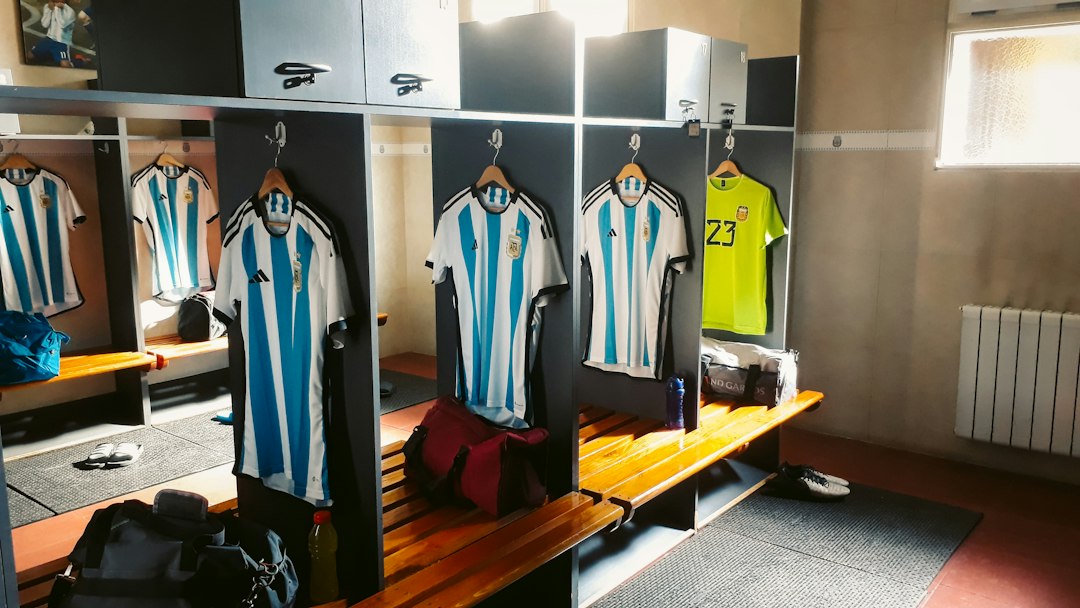
It's also why the physical reminders of that season carry so much weight. A jersey isn't just fabric with a number on it. It's the garment you were wearing during the fight, and during the comeback, and during the quiet bus ride home after you'd both said things you couldn't take back. For many former players, that jersey holds the whole story, not just the highlight reel.
That's one reason so many people go looking, years later, for a way to hold that season in their hands again: not a polished trophy, but the actual shirt with their actual name and number, the one that was in the room when all of it happened.
Your Jersey Is Still Out There Waiting
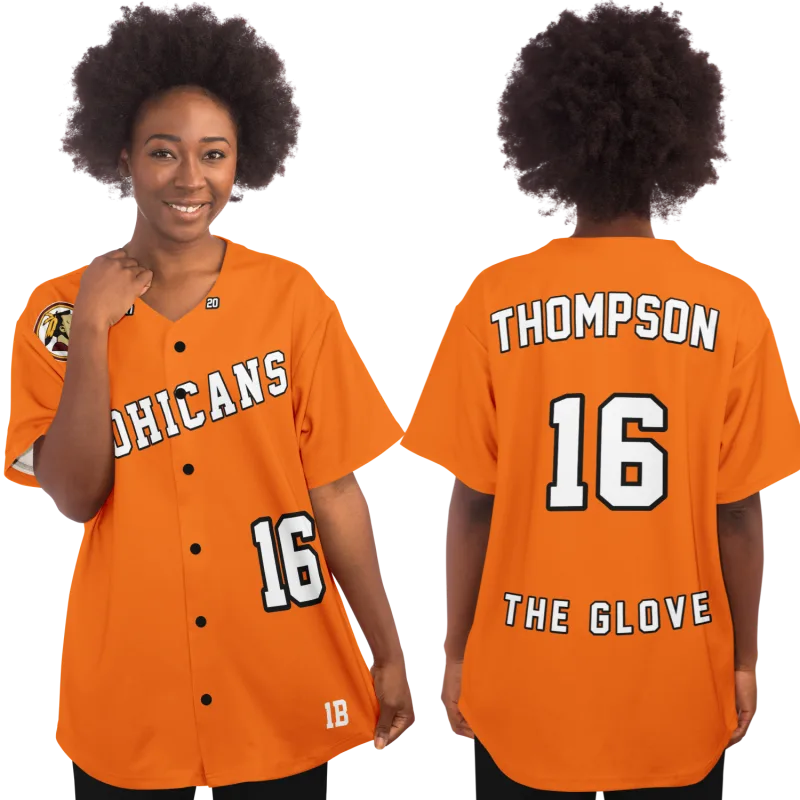
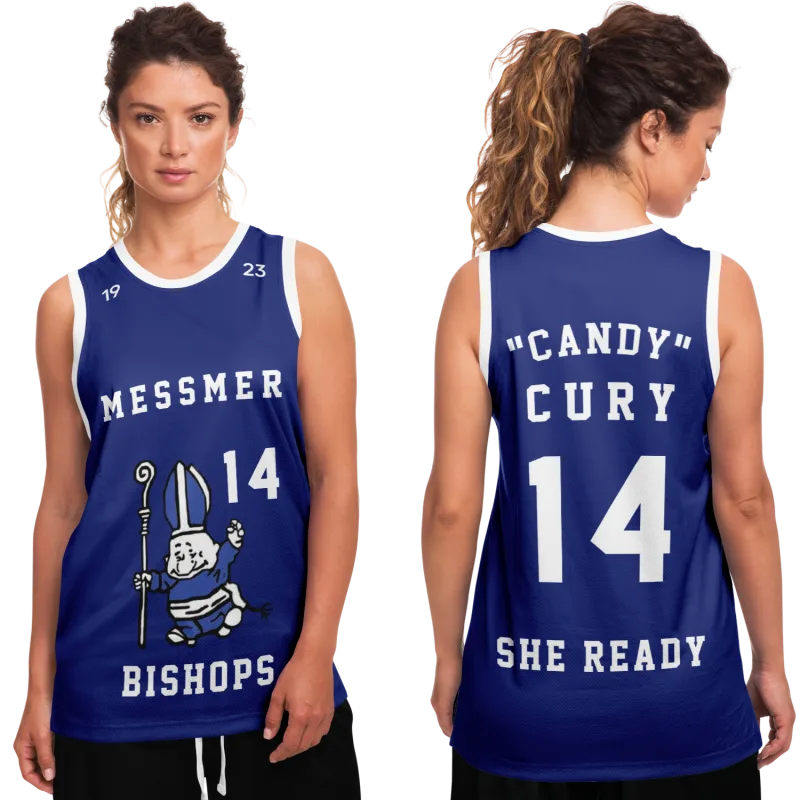
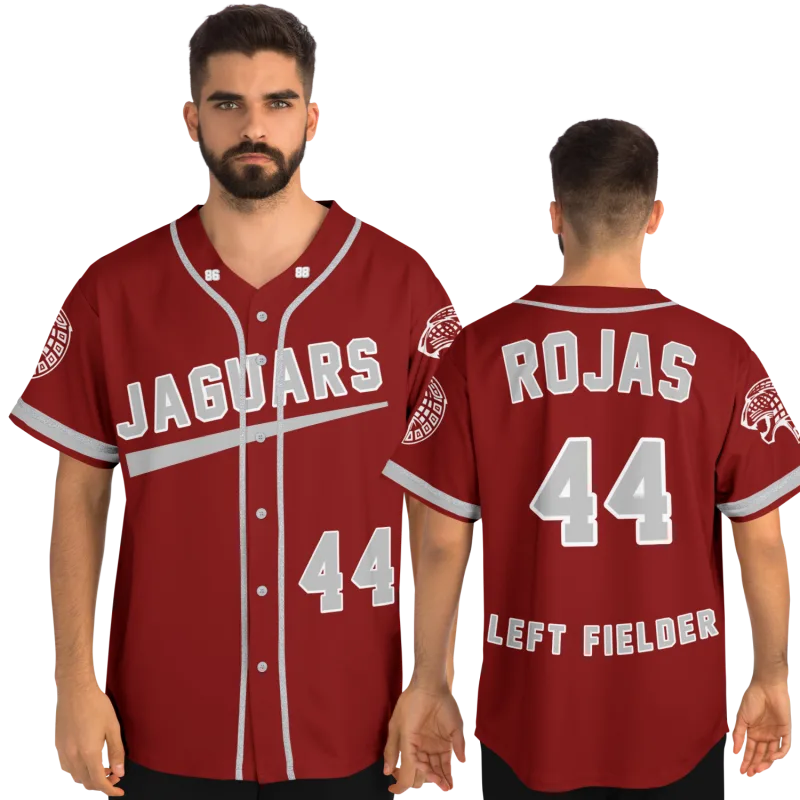
If you've been thinking about that season, the rivalry included, the number on your back was part of it. Rebuilding that jersey isn't about pretending the conflict never happened. It's about holding the real thing again: the name, the number, the colors, the version of yourself who was busy becoming someone through every argument and every hard practice.
Your jersey is still out there waiting.
Design yours in minutes and see your name and number exactly the way you remember it.
Frequently Asked Questions
Is it normal to have conflict with high school teammates?
Yes. Conflict with high school teammates is extremely common, especially on competitive teams where players share a position, compete for limited playing time, or hold different levels of commitment. Friction is a predictable result of putting ambitious, emotionally intense teenagers in close quarters under public pressure. What matters is whether the conflict stayed focused on performance and the shared goal, or turned personal and harmful.
Does fighting with teammates mean the team has bad chemistry?
Not necessarily. Researchers distinguish between social cohesion (liking each other) and task cohesion (being committed to the same goal). A team can have plenty of interpersonal friction and still have strong task cohesion. Some of the most successful teams in sports history were known for intense internal disagreements. The danger sign isn't conflict itself. It's conflict that turns into exclusion, contempt, or targeted cruelty.
How can I tell if teammate rivalry was healthy or harmful?
Ask whether the pressure aimed at making you better or making you smaller, whether it ran in both directions, whether you could walk away from it intact, and whether it stayed on the field. Healthy rivalry is mutual, performance-focused, and leaves you sharper. Harmful treatment is one-sided, personal, and leaves you diminished or afraid. If your experience falls into the second category, speaking with a counselor or trusted adult is a worthwhile step, no matter how long ago it happened.
Should I reach out to a teammate I fought with years ago?
If the conflict was the competitive, push-each-other kind, a short, sincere message is often welcomed and sometimes deeply meaningful. Keep it simple and specific: acknowledge the season, name what they gave you, and leave it open. If the history involved real harm, you owe them nothing, and reaching out is entirely your decision to make or not make.
Why do I remember the teammates I fought with more than the ones I got along with?
Strong emotion makes memories stick. Conflicts involve high emotional stakes, which the brain tends to encode more vividly than neutral or pleasant moments. Beyond that, the people who challenged you often shaped your standards and habits in ways that easy friendships didn't, so their influence lingers in how you still think and act years later.
Can intense team dynamics actually make you a better athlete or person?
They can, when the intensity is rooted in shared commitment and mutual standards. Daily competition for a role, honest pushback from a teammate who cares about the team's success, and the experience of working through disagreement toward a common goal all build resilience, self-awareness, and accountability. The key condition is that the environment stays safe enough for people to compete without being demeaned.
See also: reconnect with former high school teammates | the bus ride home after a loss | what high school sports taught you that nothing else could | the psychology of athletic nostalgia | the difference between a sports fan and someone who actually played