



College Football Saturday's Top-5 Week 1 Report Card: Who Aced Their Kickoff? — that question landed differently for anyone who ever suited up, because opening weekend never stops meaning something once you've lived it from the inside.
Ohio State, Georgia, Texas, Indiana, and Oregon all took the field with rankings to defend and seasons to launch. The results ranged from dominant to uncomfortably close. What the scoreboard showed matters. What the tape underneath the scoreboard showed matters more — especially through the lens of people who know what a locker room feels like at 6 AM on a game day, what fall camp exhaustion actually costs, and what it means when a team either owns its system or merely knows it.
Here is our full former-player breakdown of how each top-five program graded out in Week 1, what the performance actually revealed, and why any of it should matter to someone who played.
Ohio State: Ownership, Not Just Knowledge
There is a specific kind of performance that former players recognize before the broadcast team even names it.
It is not about the highlight plays. It is about what happens in the gaps between them — the second-effort blocks on runs that gain four yards, the defensive backs who rotate without being pointed, the offensive line that communicates a stunt before it develops instead of after it does damage. Ohio State played that game Saturday. From the first series to the final drive, the Buckeyes operated like a team that had not just installed their system over the summer but had genuinely internalized it.
Grade: A
The first game of any season is not a talent evaluation. Every program at this level has talent. The first game is a preparation evaluation — whose offseason work held up when the environment became real. Ohio State's held completely.
In our experience watching opening weekends through the eyes of people who played, the offensive line is always the clearest diagnostic. Individual skill players can will themselves through a bad preparation with athleticism. Offensive linemen cannot. Five guys playing together in the second quarter of a real game — not a scrimmage, not a practice rep, a real game — tell you everything about what a program's summer actually looked like. The Buckeyes' front five played together. That is the season-long signal worth tracking.

Every former player has been part of a first game where the install clicked — where you came off the field after the opening series and thought, we didn't just run a play, we ran it right. Ohio State had that Saturday, and they had it consistently across all four quarters. Programs that drift in the third quarter of a comfortable Week 1 win are programs that will have problems in October. The Buckeyes did not drift.
Georgia: Dismantlement Is Different From Dazzle
Georgia did not dazzle Saturday. Georgia dismantled — and former players understand that the distinction is everything.
Dazzle belongs to September. Dazzle is the program that scores 52 points on a nonconference opponent and arrives in the locker room believing it means something about January. Dismantlement is what programs with genuine championship intentions do when they know they don't need to show anyone anything — they simply need to confirm what they already know about themselves and protect the players they'll need in December.
Grade: A-
The minus is not a concern. It is a coaching decision dressed up as a performance outcome, and experienced players recognize it as exactly that.
What Georgia's defense showed Saturday is harder to manufacture than anything the offense did. The unit's communication — specifically the way coverage adjustments traveled from the safety to the cornerbacks without visible signal-calling — is the product of a roster that has spent enough time together that the game has genuinely slowed down for them. That does not happen in one spring practice cycle. It happens when a program retains the right people and gives them enough shared reps that recognition becomes automatic.
Experienced defenses in September are genuinely dangerous defenses in November. Georgia's defense is experienced. File that away.
Every former player who has been part of a program with legitimate title aspirations knows the discipline required to play a Week 1 game the right way — not the flashy way, the right way. Georgia has that discipline. The A-minus reflects a team that chose to protect its season over the first weekend rather than perform for highlight reels.
Texas: Edge Is Energy, and Energy Needs Direction
Texas came out Saturday playing with something the other four programs did not display, and that something has a specific name: edge.
The Longhorns played like a team that had read every preseason projection placing them inside the playoff conversation and then decided the projections were insufficient motivation on their own. They wanted to prove something Saturday, not just do something. Former players recognize that distinction in the first series. It shows up in how hard the tackles come, how quickly the defense gets off blocks, how the sideline responds to first downs.
Grade: B+
That edge produced real positives and real watch items in equal measure.
The positive: when the game presented moments of messiness — and every Week 1 game produces moments of messiness, regardless of talent differential — Texas did not let those moments compound. A team playing with genuine edge and genuine mental toughness responds to a bad series by cleaning up and moving forward. A team playing with edge but without toughness lets a bad series become a bad quarter. Texas was the former Saturday. That is a program-level characteristic, not an individual one.
The watch item going forward is discipline. Edge is an accelerant. In September it accelerates winning. In late October it can accelerate penalty flags, blown assignments, and emotional breakdowns against opponents who are better equipped to punish those errors. Texas has enough talent to absorb edge-related mistakes in the early schedule. They will not have that cushion in the Big 12's most difficult weeks.
The work between now and then is converting energy into precision. The Longhorns have the coaching staff to make that conversion. The question is timing.
Indiana: The Weight of Expectation, Handled
This is the grade that will stay with former players the longest — not because Indiana was the most talented team on the field Saturday, but because of what their performance actually required.
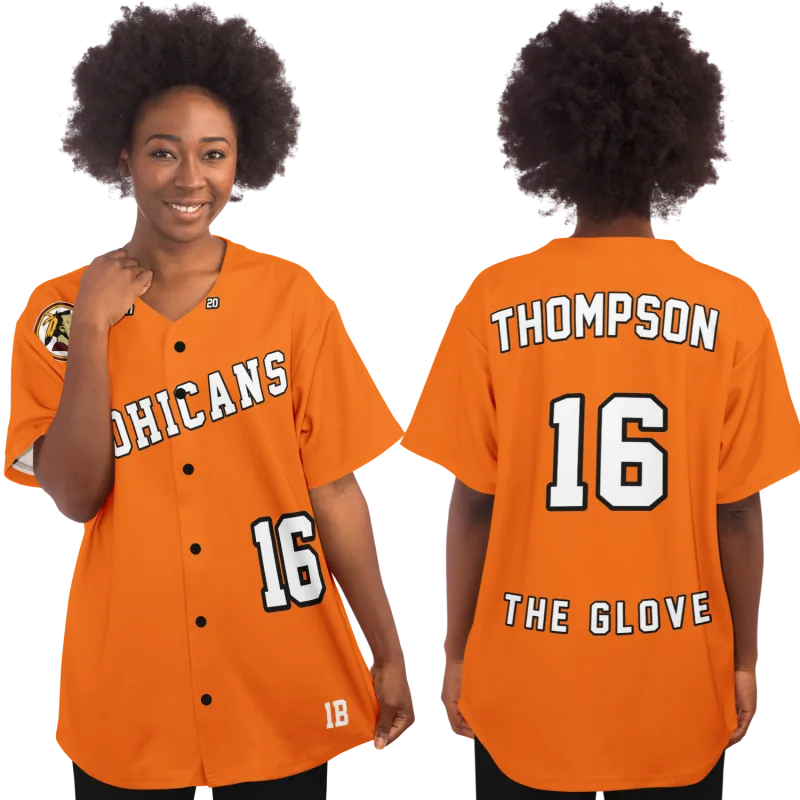
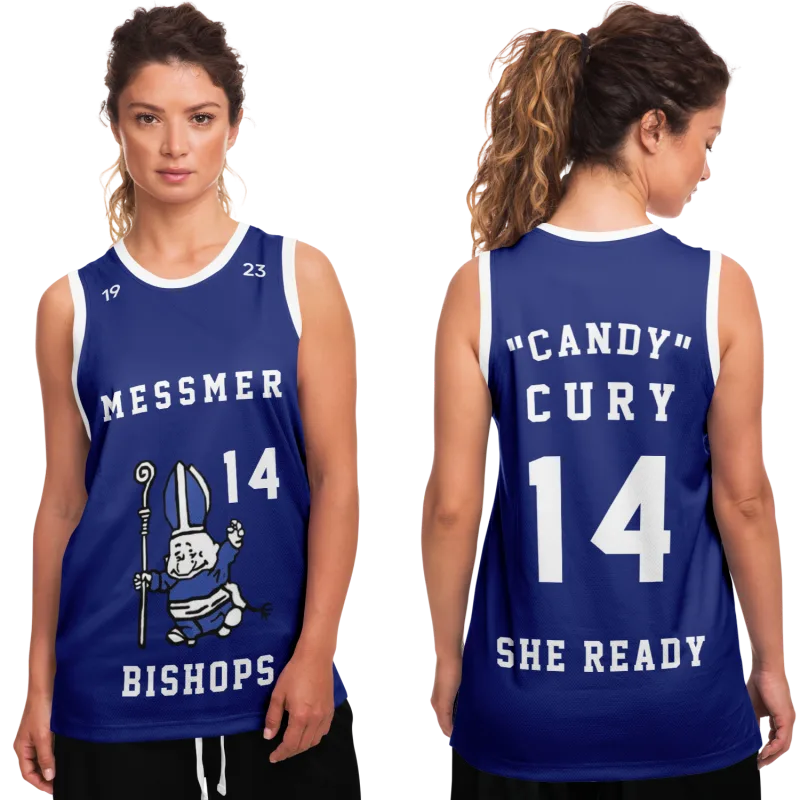
Marcus D., 34, played linebacker at a mid-major program in the early 2010s and has followed Indiana football since his college roommate made him a convert during freshman year. He watched Saturday's game in the same chair where he's watched every Indiana game for the last six years — the one with the twice-duct-taped armrest. "I've been waiting years to feel like this about this program," he said afterward. "Not hoped. Waited. There's a real difference." He designed a custom jersey that evening, his old number in Indiana's colors. Said he wanted something to hold onto in case the Hoosiers make a genuine run this year.
Grade: A-
Here is what made Indiana's performance significant: expectation is a form of pressure, and it is pressure that former players who have been part of rising programs understand in a very specific way. Last season, Indiana played loose. They had nothing to protect and everything to discover. This season, they have a ranking, a reputation, and a target. Saturday was the first real test of whether they understood the difference between those two positions.
They understood it. The composure was not accidental. The Hoosiers did not play like a team surprised by their own success — they played like a team that had decided, somewhere in the offseason, that last season was a foundation and not a destination.
Every former player who has been part of a program taking its first serious step into relevance knows how hard that first game actually is. The weight of changed expectations does not announce itself — it just shows up in the second quarter when something goes wrong and the response reveals everything. Indiana's response revealed a program that has internalized the right standard.
That is worth more than the grade.
Oregon: The Education of Winning Ugly
Oregon did not ace Week 1. Oregon passed Week 1. And against Boise State, those are meaningfully different sentences.
Grade: B
The Broncos are not a cupcake opponent regardless of what September rankings suggest. Boise State is a program defined by its culture — by the specific chip-on-shoulder identity that makes them genuinely dangerous for any ranked team that arrives either underprepared or emotionally flat. Oregon was neither of those things, and they still found themselves in a game that felt uncomfortable at the moments when it should have felt controlled.
What former players see in a performance like Oregon's Saturday is the gap between installation and ownership — the same diagnostic we applied to Ohio State, with a different result. Ohio State's system looked owned. Oregon's system looked known. Knowing a play and owning a play are not the same thing, and you cannot discover which one you have until the game environment is real and something is at stake.
Oregon discovered Saturday that they have work to do between knowing and owning. That is not a catastrophic finding. It is actually a useful one, because now the coaching staff has specific film, specific series, and specific personnel groupings to address. The offseason is over. The diagnostic is real.
The genuinely encouraging sign: Oregon won a game that felt uncomfortable without committing the game-breaking error that loses it. That is a form of program maturity that does not get enough credit in Week 1 evaluations. Younger programs and lesser-coached programs turn uncomfortable Week 1 games into losses. Oregon did not. Learning how to win when the game is not clean is legitimate preparation for the moments later in the season when the game will not be clean and the stakes will be exponentially higher.
Week 2 and 3 will show more than Saturday did. That is the honest assessment.
What Opening Weekend Actually Reveals
Former players talk about Week 1 differently than broadcasters do, and the difference is worth naming directly.
The scoreboard tells you who won. The tape tells you who is ready. Those are sometimes the same team and sometimes not.
What Saturday's top-five performances collectively revealed is a clear separation between programs operating with genuine readiness — Ohio State, Georgia, Indiana — and programs that are functional but still closing gaps between offseason preparation and in-game ownership. Texas has the edge to close their gap quickly if the coaching staff channels it correctly. Oregon has the infrastructure to close their gap if the film work is honest.
The season is long enough that Week 1 character matters more than Week 1 results. Four of these five programs showed character Saturday that signals they are built for the full schedule. One of them showed enough character to survive the first real test — which is its own form of education.
That question — what do you build on this? — is the question every former player carries from their first season to their last. It is the question that makes October matter. It is the question that makes the whole thing worth playing in the first place.
Your Jersey Is Still Out There Waiting
Week 1 does this to you every time. It brings it all back — the Saturday mornings, the locker room before kickoff, the number on your back that meant something specific to a specific group of people in a specific place.
Design yours in minutes and see your name and number exactly the way you remember it.
Frequently Asked Questions
Which top-5 team had the most impressive Week 1 performance overall?
Ohio State's Week 1 stands out as the most complete performance when you evaluate it beyond the final score. The Buckeyes showed the clearest signs of a team that owns its system rather than simply knowing it — most visibly along the offensive line, which is the most reliable early-season indicator of genuine program preparation. Georgia was equally dominant, but Ohio State's execution held across all four quarters without visible drift, which is the more difficult thing to sustain.
Is Indiana's top-five ranking legitimate after Week 1?
Based on Saturday's performance, yes. The most revealing aspect of Indiana's game was not the result itself but how the program handled the psychological weight of playing as a ranked team for the first time in program memory. Programs that have not yet internalized a new standard tend to play tight or erratic in that situation. Indiana played with composure and purpose, which suggests the offseason culture work was substantive. The Big Ten schedule will test that further, but Week 1 gave no reason for skepticism.
Should Oregon fans be concerned after the Boise State game?
Alert is the right word rather than concerned. Oregon won, and that matters. But the performance revealed a gap between a system that has been installed and a system that has been fully internalized — and that gap tends to get exposed more sharply as conference play arrives. The encouraging factor is that Oregon's coaching infrastructure and roster depth give them the capacity to close that gap quickly. The discouraging factor is that Boise State, not a conference opponent, was the team that exposed it.
What does Texas's "edge" mean for their season ceiling?
It means Texas is a genuinely dangerous team that will need to convert emotional energy into disciplined execution before the schedule stiffens. Programs that play with chip-on-shoulder motivation in September can channel it into dominant performances or watch it bleed into undisciplined football when the margin for error shrinks. Texas has the talent to absorb early-season edge-related mistakes. The question is whether the coaching staff can complete the conversion to precision before the games in late October and November where those mistakes become unrecoverable.
Where can I read the full game-by-game Week 1 stats for these five teams?
Yahoo Sports published a full top-5 Week 1 breakdown covering scoring summaries, team stats, and individual performance notes for all five programs. That is the primary source for the game-level details referenced throughout this piece.
See also: what playing under the lights actually felt like | most football-crazy states in America | the difference between a sports fan and someone who actually played